Can Tetra Fish Live with Betta Fish
Yes, tetra fish can sometimes live with betta fish, but success depends entirely on careful species selection, a properly sized and decorated tank, and a meticulous introduction process. Not all tetras are suitable; smaller, schooling species like neon or ember tetras have a better chance. The betta’s individual temperament is the biggest wild card, and a spacious, heavily planted tank with ample hiding spots is non-negotiable for reducing stress and aggression. Always have a backup plan, as cohabitation is a calculated risk, not a guarantee.
Key Takeaways
- Compatibility is not guaranteed: A betta’s aggressive temperament is the primary obstacle; success depends on the specific betta’s personality and the tetra species chosen.
- Choose the right tetras: Smaller, peaceful schooling tetras like Neon, Cardinal, Rummy-nose, or Ember tetras are the best candidates due to their speed and group behavior.
- Tank size and setup are critical: A minimum of 20 gallons is essential, with heavy planting, vertical height, and numerous hiding spots to break line-of-sight and provide escape routes.
- Introduce tetras first: Adding the tetra school to a fully cycled, established tank 2-3 weeks before introducing the betta helps them claim territory and feel secure.
- Observe constantly: Monitor both species closely for signs of stress, fin-nipping, or chasing for at least 48 hours post-introduction and long-term.
- Always have a backup plan: Be prepared to separate the fish immediately if aggression occurs, with a second cycled tank or a tank divider ready.
- Water parameters must match: Both species require similar warm, soft, acidic water (76-80°F, pH 6.0-7.5), making them technically compatible in terms of water chemistry.
📑 Table of Contents
- The Allure and the Challenge of a Betta & Tetra Community
- Understanding the Betta: Temperament is Everything
- The Ideal Tetra Candidates: Schooling for Safety
- Engineering the Perfect Tank: Habitat is Non-Negotiable
- The Step-by-Step Introduction Protocol: Patience is a Virtue
- When It Doesn’t Work: Signs of Failure and Backup Plans
- Long-Term Care and Monitoring in a Community
- Conclusion: A Rewarding Challenge, Not a Sure Thing
The Allure and the Challenge of a Betta & Tetra Community
So, you’ve got a beautiful, solitary betta fish—a Siamese fighting fish with flowing fins and a captivating personality. You’ve also fallen in love with the shimmering, active schools of tetras at your local fish store. The idea of combining these two iconic aquarium staples into a vibrant, peaceful community is incredibly tempting. It’s a scene we’ve all imagined: a betta, regally patrolling the mid-water, surrounded by a glittering cloud of tiny, fast-moving tetras. But can tetra fish live with betta fish safely and happily? The honest answer is: sometimes, but it’s a project, not a given.
The core challenge lies in the betta’s nature. Bred for centuries for aggression, modern bettas retain a strong territorial instinct, especially towards fish with long, flowing fins that they may perceive as rivals. Tetras, while generally peaceful, are active, mid-level swimmers that can trigger a betta’s chase instinct if they dart erratically near its bubble nest or favorite resting spot. The key to answering “can tetras live with bettas?” is not a simple yes or no, but a deep dive into which tetras, how you set up the tank, and how you manage the introduction and long-term observation. This guide will walk you through every critical factor to maximize your chances of creating a stunning, harmonious community tank.
Understanding the Betta: Temperament is Everything
Before even considering tank mates, you must understand your betta. Not all bettas are created equal. While the species Betta splendens is known for its aggression, individual personalities vary wildly. Some bettas are docile, almost shy, while others are relentless fin-nipping terrors.
Visual guide about Can Tetra Fish Live with Betta Fish
Image source: thefishkeeping.com
Assessing Your Betta’s Personality
Start by observing your betta in its current solitary setup. Does it flare dramatically at its own reflection? Does it dart aggressively at your finger or a cleaning magnet? A betta that is constantly flaring and charging is a poor candidate for tank mates. Look for a betta that is curious but calm, that flares occasionally but settles quickly, and that spends time exploring rather than just patrolling one corner. Age can also play a role; older bettas are often less aggressive than young, virile males.
The Role of Tank Size in Betta Behavior
A tiny, barren bowl will make any betta irritable and hyper-territorial. In a spacious, complex environment, a betta has more to focus on than potential intruders. Space dilutes its territory. A betta in a 10-gallon tank will defend every inch. A betta in a 30-gallon tank with plants, driftwood, and visual barriers is far less likely to see a tetra as a constant threat invading its personal space. This is the first and most important rule: you cannot put a betta and tetras in a small tank.
The Ideal Tetra Candidates: Schooling for Safety
If you decide to proceed, your tetra choice is the single most important factor next to tank setup. The goal is to choose tetras that are too small to be seen as a threat, too fast to be easily caught, and that exhibit strong schooling behavior which confuses a lone predator. The “safety in numbers” principle is paramount for the tetras.
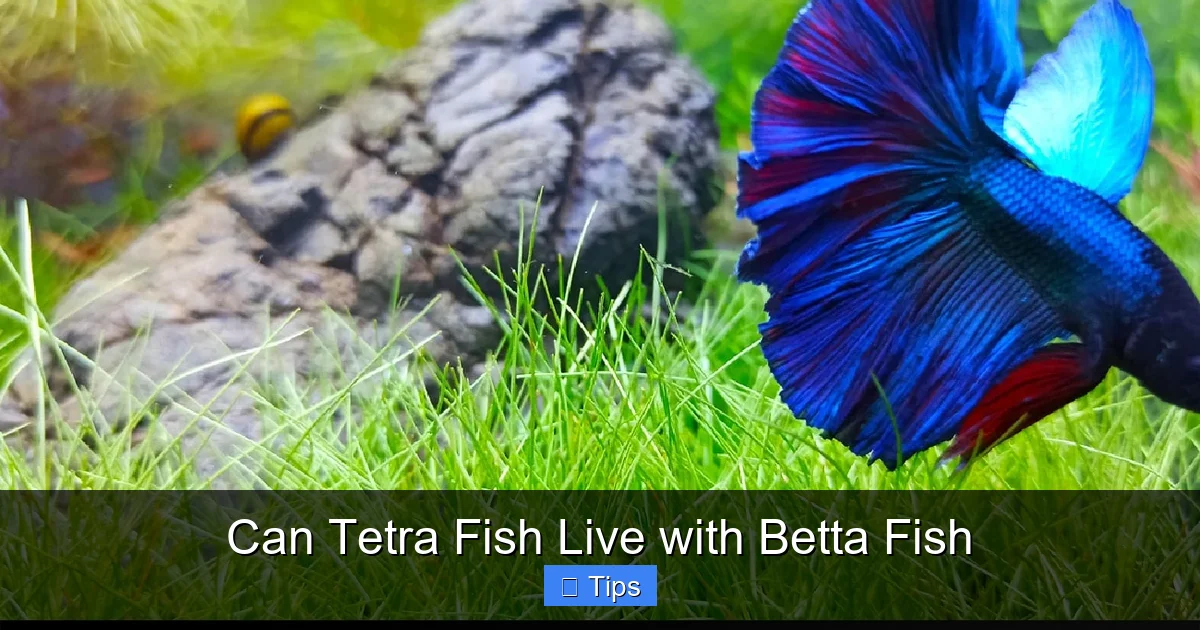
Visual guide about Can Tetra Fish Live with Betta Fish
Image source: buildyouraquarium.com
Top Tier: The Small, Swift Schoolers
These are your best bets for a peaceful coexistence. Their small size (usually under 1.5 inches) and frantic, synchronized swimming make them difficult for a betta to target individually.
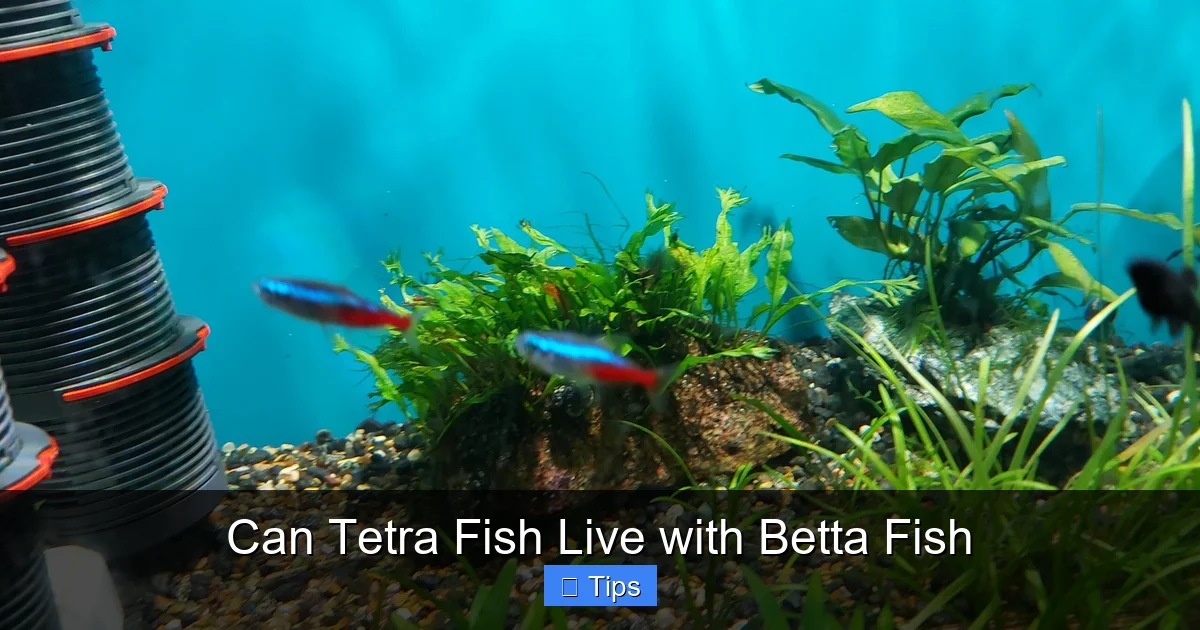
- Neon Tetras (Paracheirodon innesi): The classic choice. Their iridescent blue and red stripes are stunning against a betta’s colors. They are hardy, active, and stay near the top-middle of the water column, often out of the betta’s direct path.
- Cardinal Tetras (Paracheirodon axelrodi): Very similar to neons but with a longer red stripe. Slightly more delicate but equally beautiful. Their larger school size (they should be kept in groups of 8+) is a major advantage.
- Ember Tetras (Hyphessobrycon amandae): Perfect for smaller community setups (though still minimum 20 gallons). Their tiny size (under 1 inch) and fiery orange color are captivating. They are incredibly peaceful and tend to stay in the lower-middle levels.
- Rummy-nose Tetras (Hemigrammus rhodostomus): Known for their distinctive red nose and tight schooling. They are active swimmers that prefer the upper tank levels. Their constant, tight movement is a great deterrent to a betta.
- Lemon Tetras (Hyphessobrycon citrinus): Bright yellow, active, and hardy. They school beautifully and are a bit more robust than some other small tetras.
Tetras to Approach with Extreme Caution or Avoid
Some tetras are notorious fin-nippers themselves or have body shapes that trigger betta aggression.
- Larger Tetras: Species like Congo Tetras or Black Skirt Tetras (over 2 inches) can look like rivals to a betta and may also nip at the betta’s long fins in retaliation.
- Fin-nippers: Serpae Tetras and some varieties of Tiger Barbs (though barbs are not tetras) are famous for nipping the long, flowing fins of slow-moving fish like bettas. Avoid them completely.
- Slow-Moving or Long-Finned Tetras: Any tetra with elaborate fins (like some fancy guppies, which are livebearers, not tetras) will be a red flag to a betta.
Engineering the Perfect Tank: Habitat is Non-Negotiable
This section cannot be stressed enough. Your tank is not just a container; it’s a tool for managing behavior. A poorly set up tank will fail, no matter how peaceful your betta seems.
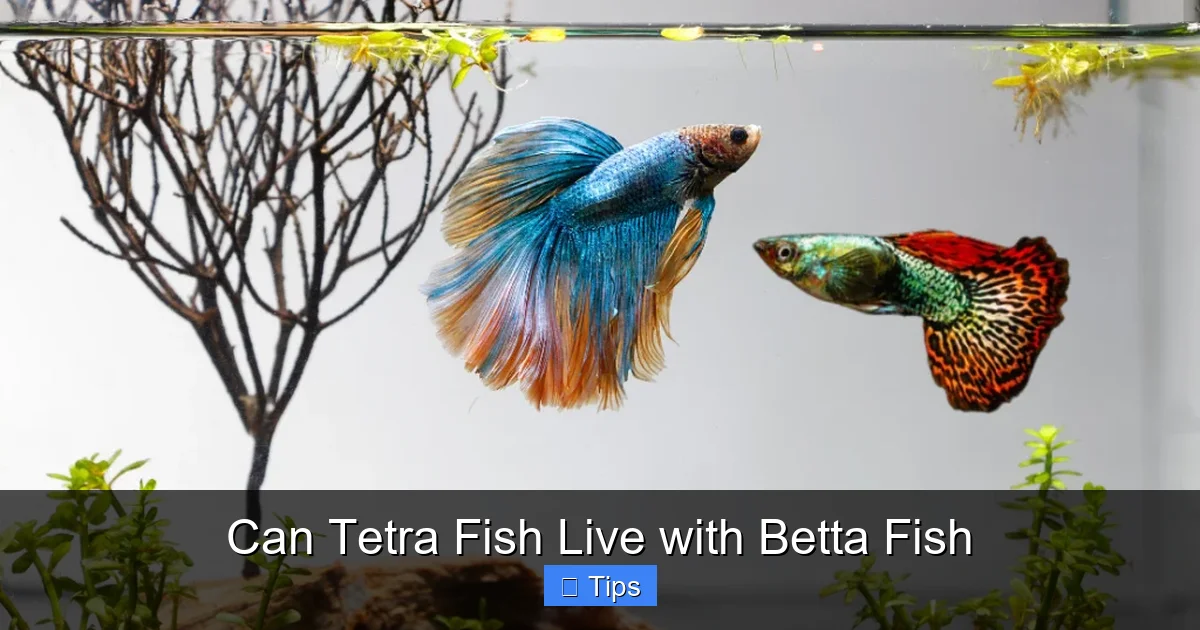
Visual guide about Can Tetra Fish Live with Betta Fish
Image source: japanesefightingfish.org
Tank Size: The Absolute Minimum
Forget the 5- or 10-gallon myths. The absolute minimum tank size for a betta with a school of tetras is 20 gallons. Ideally, aim for 30 gallons or more. This provides enough horizontal and vertical space for territories to be established without constant overlap. A larger volume of water also helps dilute any stress hormones and maintains more stable water parameters.
The Art of Aquascaping for Peace
Your tank must be a labyrinth of hiding spots and visual barriers. The goal is to prevent the betta from having a constant, unobstructed view of the entire school.
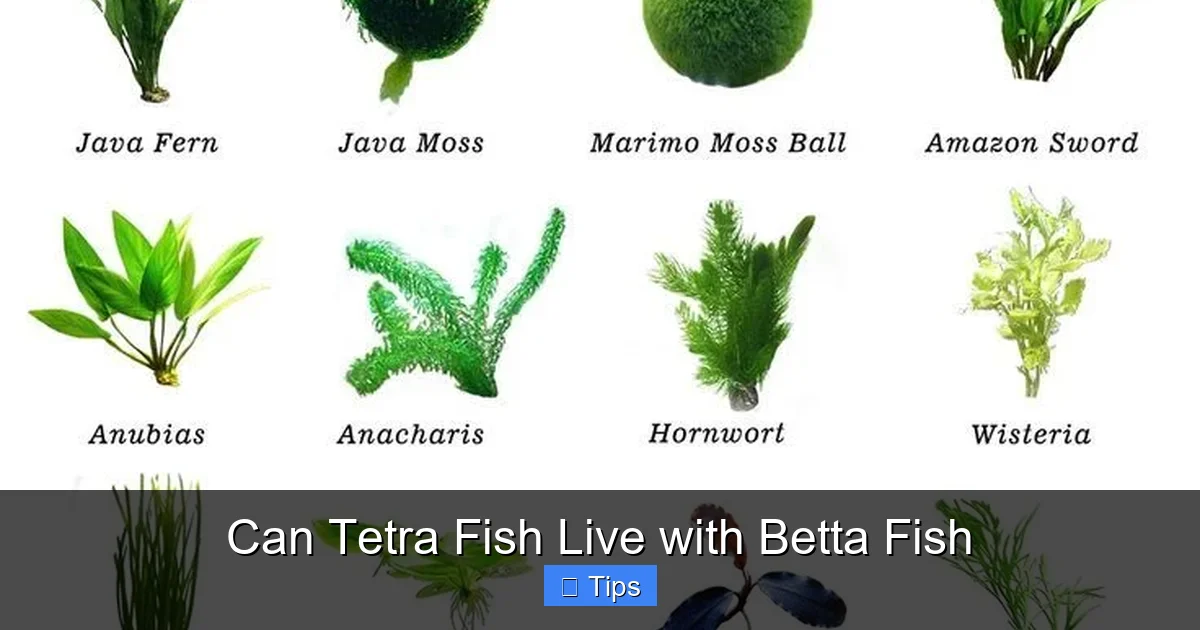
- Heavy Planting: Use live plants (like Java fern, Anubias, Cryptocoryne, Vallisneria) or high-quality silk plants to create dense thickets. Floating plants (like duckweed or frogbit) are invaluable, breaking up the water surface and diffusing light, which calms bettas.
- Driftwood and Rockwork: Create caves, overhangs, and complex structures. A piece of driftwood can split the tank into distinct zones.
- Vertical Layers: Populate all levels of the tank. Place tall plants in the back, mid-ground plants in the middle, and open swimming space at the top for the tetras. This allows the tetras to occupy different strata than the betta, which often patrols the mid-to-upper levels.
- Substrate Hiding: Ensure there are shaded areas at the substrate level where tetras can dart down if chased.
Water Parameters: The Common Ground
Betras and most tetras share similar water needs, which is one reason they are considered for cohabitation. They both thrive in soft, slightly acidic to neutral water.
- Temperature: 76-80°F (24-27°C). This warm range is perfect for both.
- pH: 6.0 – 7.5
- Hardness (GH): Soft to moderately soft (3-12 dGH).
- Filtration: Use a gentle filter (like a sponge filter or a hang-on-back with a flow diffuser) to avoid creating a strong current that stresses the betta and makes it hard for tetras to swim.
The Step-by-Step Introduction Protocol: Patience is a Virtue
Rushing the introduction is the number one cause of failure. You must follow a deliberate, slow process to give both species the best chance.
Step 1: The Tetra School Establishes First
This is the most crucial step. Set up and fully cycle your 20+ gallon tank without the betta. Add your school of tetras (minimum 8-10, more is better for their confidence) and let them acclimate and establish their territory for at least 2-3 weeks. They will claim plants and hiding spots, and their nervous energy will settle. A betta introduced into an established school is less likely to be seen as an invader by the tetras, and the tetras will be less skittish.
Step 2: The Betta’s Acclimation
When you bring your betta home, do not just drop it in. Float the bag in the tank for 15-20 minutes to equalize temperature. Then, perform a drip acclimation over 1-2 hours, slowly adding tank water to the bag. This eases the betta into the water chemistry. Once acclimated, use a cup to gently net the betta from the bag and release it into the tank. Do not pour bag water into your aquarium.
Step 3: The First 48 Hours: Vigilant Observation
For the first two days, you must be a hawk. Watch the betta’s behavior. Does it chase the tetras relentlessly? Does it flare and display constantly at them? Do the tetras hide in terror all day, or do they resume normal schooling after initial curiosity? Some initial curiosity (the betta slowly approaching, tetras darting away) is normal. Sustained, high-speed chasing that prevents the tetras from feeding is a major red flag. Have a backup tank or divider ready to separate them immediately if needed.
When It Doesn’t Work: Signs of Failure and Backup Plans
Despite your best efforts, some bettas are simply too aggressive, and some tetras may not be suitable. Knowing the signs of distress and having a plan is essential for fish welfare.
Red Flags of Aggression and Stress
- The Betta: Constant patrolling with flared gills, relentless chasing of tetras to the point of exhaustion, biting/nipping at tetra fins, spending all day at the surface in a display pose.
- The Tetras: Hiding constantly and not coming out to feed, ragged or torn fins, excessive skittishness, a few individuals being singled out and relentlessly chased (this is particularly dangerous), listlessness or swimming erratically.
Your Backup Plan Must Be Ready
Before you even add the betta, you need a contingency.
- Option A: The Hospital/Quarantine Tank: A cycled 10-gallon tank ready to house the betta permanently if cohabitation fails. This is the simplest solution.
Option B: A Tank Divider: A solid, non-porous divider (like acrylic or sealed plastic) that fits snugly in your community tank. This allows water flow but no visual contact. You can keep the betta on one side and the tetras on the other. This is a permanent solution for incompatible personalities. - Option C: Rehoming: Be prepared to return the tetras to the store or find them a new, suitable home if the betta proves too aggressive and you cannot provide a separate permanent tank.
Never hope the aggression will “wear off.” It usually escalates. Separate at the first clear sign of sustained aggression.
Long-Term Care and Monitoring in a Community
If you’ve passed the initial 48-hour test, your work is not done. A stable community requires ongoing attention.
Feeding Strategies to Reduce Competition
Betras are surface feeders; many tetras are mid-level feeders. Use sinking pellets or wafers for the tetras and a floating betta pellet or frozen food for the betta. Feed the tetras first, allowing their food to sink and occupy their attention, then add the betta’s food at the surface. This prevents the betta from seeing the tetra food as a resource to guard.
The Importance of Consistent Water Quality
More fish means more bioload. Perform regular water changes (25-50% weekly) and monitor ammonia, nitrite, nitrate, and pH closely. Stressed fish from poor water are far more prone to disease and aggression. A clean tank is a peaceful tank.
Observing the Dynamics Over Time
Territorial disputes can emerge weeks or months later, especially if the tank layout changes (adding a new plant, moving a decoration). Watch for renewed aggression after any disturbance. Also, watch the tetras’ body condition. Are they all eating? Do they look plump and healthy? A betta that successfully bullies tetras from their food will cause the school to become thin and weak over time.
Conclusion: A Rewarding Challenge, Not a Sure Thing
So, can tetra fish live with betta fish? The answer is a qualified, cautious yes, but only for the dedicated aquarist who follows the rules. It is not a beginner’s project. Success hinges on three pillars: selecting the right small, peaceful tetra species; providing a spacious, heavily planted tank of 20+ gallons; and executing a patient, step-by-step introduction with a ready backup plan. Your betta’s unique temperament is the ultimate decider. By creating an environment that offers the tetras ample escape routes and visual barriers, you work with the betta’s instincts rather than against them. The result—if you succeed—is one of the most beautiful and dynamic community tanks in the hobby: a living jewel of a betta moving through a shimmering, synchronized cloud of tiny, sparkling fish. But always, always prioritize the safety and well-being of your fish over the aesthetic ideal. If the betta shows aggression, separate them without hesitation. A beautiful single-species betta tank is infinitely better than a tragic community tank.
Frequently Asked Questions
Can I keep a betta with neon tetras?
Yes, neon tetras are one of the best tetra choices for a betta tank due to their small size, speed, and tendency to school tightly. However, success is never 100% guaranteed and depends heavily on the betta’s individual temperament and a properly sized, planted tank.
How many tetras should I get for a betta tank?
You should always keep tetras in a proper school to reduce stress and fin-nipping. For the smaller, suitable species like neons or ember tetras, a minimum of 8-10 individuals is recommended. A larger school (12-15) is even better, as it makes them more confident and less likely to be picked off individually.
What size tank do I need for a betta and tetras?
The absolute minimum is a 20-gallon long tank. A 30-gallon or larger tank is strongly recommended to provide enough horizontal and vertical space to establish separate territories and dilute the betta’s territorial aggression. A smaller tank significantly increases the risk of conflict.
My betta is chasing the tetras. What should I do?
You should separate them immediately using a backup tank or a tank divider. Sustained chasing is a sign of incompatibility and causes severe stress and potential injury to the tetras. Do not “hope they’ll work it out.” Have a contingency plan in place before you even attempt the introduction.
Can I keep a betta with any other fish if tetras don’t work?
Yes, many other peaceful, fast-swimming, non-finned fish can be better tank mates. Consider small rasboras (like harlequin or Chili rasboras), certain peaceful barbs (like pentazona), or Kuhli loaches. Always research specific compatibility and follow the same rules of tank size and setup.
Do bettas and tetras need the same water temperature?
Yes, this is one area where they are compatible. Both species thrive in warm, tropical water between 76-80°F (24-27°C). This shared preference for warm, soft, slightly acidic water makes them technically suitable from a water chemistry standpoint, which is why the pairing is commonly considered.