Do Betta Fish Get Sad
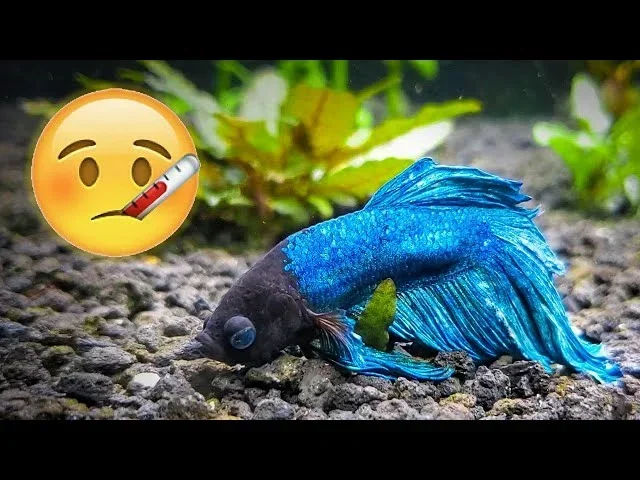
Do betta fish get sad? Yes, bettas can experience emotions like sadness and stress, especially when their environment or social needs are not met. Recognizing the signs early and making simple changes to their tank setup can dramatically improve their mood and overall well-being.
Have you ever looked at your betta fish and thought, “Do betta fish get sad?” It is a fair question. These beautiful, colorful creatures seem to have personalities. They flare their fins, they watch you from the tank, and they seem to react when you walk by. But can they truly feel sad? The short answer is yes. Bettas are more emotionally aware than most people give them credit for. Understanding this helps you become a better fish owner.
When a betta fish gets sad, it shows in its behavior. A happy betta swims actively, displays bright colors, and interacts with its surroundings. A sad betta, on the other hand, may hide, stop eating, or sit at the bottom of the tank doing nothing. These signs are easy to miss if you do not know what to look for. That is exactly why this guide exists. We will walk you through everything you need to know about betta fish sadness.
Whether you are a new betta owner or have had fish for years, this article will help you spot the warning signs early. We will cover what causes sadness in bettas, how to tell if your fish is feeling down, and what you can do about it. Let us dive right in.
Key Takeaways
- Betta fish can feel sad: They show emotional responses to their environment, loneliness, and poor living conditions.
- Common signs of sadness include: clamped fins, loss of color, lethargy, hiding, and loss of appetite.
- Loneliness and boredom are major causes: Bettas are curious creatures that need stimulation and, in some cases, companionship.
- Tank setup matters a lot: A proper tank size, clean water, and enriching decorations help keep bettas happy.
- Quick fixes work: Small changes like adding plants, adjusting lighting, and maintaining water quality can lift your betta’s mood.
- Watch for warning signs: Persistent sadness may indicate illness or chronic stress that needs veterinary attention.
📑 Table of Contents
Can Betta Fish Actually Feel Sad?
Many fish owners wonder whether bettas truly experience emotions like sadness. The science is still evolving, but research strongly suggests that fish, including bettas, have the neurological foundations for emotional responses. They produce hormones like cortisol, which is linked to stress and low mood in many animals. This means your betta is not just swimming around mindlessly. It is reacting to its world in real ways.
You might also notice that your betta responds to your presence. Some bettas get excited when their owner approaches the tank. Others seem to calm down when they hear a familiar voice. These reactions suggest a level of emotional awareness. Do betta fish get sad when their routine changes or when they feel threatened? Absolutely. And the signs are usually clear if you pay attention.
It is also worth noting that bettas in the wild face real emotional challenges. They deal with predators, limited resources, and isolation. Captive bettas carry some of these instincts even in a safe tank. Understanding this natural context helps you empathize with what your fish might be feeling. A betta is not just a decoration. It is a living creature with emotional needs.
How Emotions Work in Fish
Fish brains may look simple compared to mammals, but they still process feelings. Bettas have a complex nervous system that allows them to respond to stimuli emotionally. For example, a betta that feels threatened may show stress responses like rapid gill movement or frantic swimming. A betta that feels safe will relax and explore. These emotional states are real and measurable.
Scientists have studied fish behavior for years. They have found that fish can experience something similar to depression. A depressed fish loses interest in food, stops exploring, and becomes withdrawn. This closely mirrors what happens when a betta fish get sad in a poorly maintained tank. The connection between environment and emotion is stronger than most people realize.
Signs Your Betta Fish Might Be Sad
Spotting sadness in a betta fish takes a little observation. Unlike dogs or cats, fish cannot bark or meow to tell you how they feel. Instead, you need to watch their body language and daily habits. Here are the most common signs that your betta is feeling down.
Clamped Fins
When a betta holds its fins close to its body instead of spreading them out, this is called clamping. Clamped fins are one of the most reliable signs of stress or sadness. A happy betta will display wide, flowing fins as it swims. If your fish keeps its fins tucked in, something is wrong. This behavior often appears alongside other warning signs.
Loss of Color
Betta fish are known for their vibrant colors. When a betta gets sad, those colors often fade. You might notice your fish looking pale or washed out. This is sometimes called “fading” and it is a clear signal that your fish is not feeling well emotionally or physically. A healthy betta should display bright, bold colors regularly.
Lethargy and Hiding
A sad betta often becomes very lazy. It may stay in one spot for hours, hide behind decorations, or rest at the bottom of the tank. While bettas do sleep, a fish that is always hiding and never explores is likely feeling unhappy. If your betta used to be active and now seems sluggish, take note. This change in behavior is a red flag.
Loss of Appetite
Most bettas love their food. They get excited at feeding time and swim to the surface eagerly. If your betta suddenly ignores food or eats very little, sadness could be the cause. Of course, loss of appetite can also signal illness. You should monitor your fish closely and check for other symptoms. A combination of not eating and low energy often points to emotional distress.
Erratic Swimming
Sometimes a sad betta swims in strange patterns. It might dart around the tank without purpose or swim in tight circles. This erratic behavior can also indicate stress or discomfort. Pay attention to how your fish moves during the day. Smooth, graceful swimming usually means a content betta. Jerky or frantic movements suggest something is off.
Common Reasons Betta Fish Get Sad
Understanding what causes sadness in bettas is the first step toward prevention. Several common factors in home aquariums can leave your fish feeling down. Let us look at the biggest culprits.
Too Small of a Tank
This is the number one cause of sadness in betta fish. Many people keep bettas in tiny bowls or tanks under five gallons. A betta needs space to swim, explore, and establish territory. A cramped tank makes any fish feel trapped and stressed. If you want your betta to thrive, give it at least a five-gallon tank. Larger is always better. A proper tank size is one of the simplest ways to boost your fish’s mood.
Lack of Stimulation
Bettas are curious creatures. They like to explore their surroundings, investigate new objects, and interact with their environment. A bare tank with nothing to do gets boring fast. A bored betta quickly becomes a sad betta. Adding plants, caves, and other decorations gives your fish things to do and explore. Mental stimulation plays a big role in keeping your betta happy.
Loneliness
Many people assume bettas are perfectly fine alone. While male bettas should not be housed together, some bettas benefit from having tank mates or at least visual stimulation. A lonely betta fish may become withdrawn and depressed over time. If your betta seems sad and you have a bare tank, consider adding compatible companions or providing more interaction. Some owners even talk to their fish regularly, and bettas do seem to respond positively.
Poor Water Quality
Dirty water is a silent killer of betta happiness. Ammonia and nitrite buildup cause physical discomfort and emotional stress. Even if your betta does not show obvious signs of illness, poor water quality can make it feel awful. Regular water changes and proper filtration are essential. Test your water parameters often and keep ammonia and nitrite levels at zero. Clean water equals a happier fish.
Sudden Changes in Routine
Bettas are creatures of habit. They like predictable feeding times, consistent lighting, and stable conditions. When something changes suddenly, it can throw them off. Moving the tank, changing the décor, or even rearranging furniture near the tank can cause temporary sadness. If you need to make changes, do them gradually so your betta has time to adjust.
Illness or Physical Pain
Sometimes sadness in a betta is actually a symptom of illness. Fish that feel unwell often become withdrawn and stop eating. Common issues like fin rot, swim bladder disease, or parasitic infections can cause significant discomfort. If your betta shows signs of sadness along with physical symptoms like torn fins, bloating, or labored breathing, consult a veterinarian who specializes in fish.
How To Keep Your Betta Fish Happy and Healthy
The good news is that keeping your betta happy is not complicated. A few thoughtful changes to your routine and tank setup can make a huge difference. Here is what you can do starting today.
Provide a Properly Sized Tank
Start with the basics. Your betta needs at least a five-gallon tank, preferably larger. A bigger tank gives your fish more room to swim and explore. It also makes it easier to maintain stable water parameters. Avoid those tiny bowls that are often sold in pet stores. They may look cute, but they are not suitable for a betta’s well-being.
Add Enrichment to the Tank
Keep your betta mentally stimulated. Add live or silk plants, caves, driftwood, and other decorations. These give your fish places to explore and hide. You can also introduce mild water currents with a gentle filter, which bettas enjoy swimming against. Some owners even add puzzle feeders to make mealtime more engaging. The more your betta has to do, the less likely it is to feel sad.
Maintain a Consistent Routine
Bettas thrive on routine. Feed your fish at the same times each day. Keep the lights on a consistent schedule, ideally with a day-night cycle. Avoid tapping on the tank or making sudden loud noises near it. Predictability helps your betta feel safe and secure. A secure betta is a happy betta.
Keep the Water Clean and Healthy
Regular water changes are non-negotiable. Aim for a 25 percent water change every week. Use a gravel vacuum to remove waste from the substrate. Test your water weekly for ammonia, nitrite, and nitrate levels. A clean tank is the foundation of a happy betta. If the water is bad, nothing else you do will matter.
Interact With Your Betta
Bettas are smarter than most people think. They can recognize their owners and respond to interaction. Try talking to your betta gently during feeding time. Place your hand near the tank so your fish gets used to your presence. Some owners even train their bettas to follow their finger or eat from their hand. This kind of interaction builds trust and keeps your fish mentally engaged.
Watch for Early Warning Signs
The sooner you catch sadness in your betta, the easier it is to fix. Make it a habit to observe your fish every day. Look for changes in swimming patterns, appetite, color, and energy levels. If you notice something off, check your water parameters first. Then look at recent changes in the environment. Catching problems early prevents them from becoming serious.
When To Seek Help For Your Sad Betta
Most of the time, you can improve your betta’s mood with simple adjustments at home. But there are moments when professional help is needed. If your betta shows signs of sadness that do not improve after you have made changes to the tank, it is time to dig deeper. Persistent lethargy, refusal to eat for more than three days, or visible physical changes like open sores or swelling are serious warning signs.
A fish veterinarian can examine your betta for underlying health issues. Sometimes what looks like sadness is actually a medical condition. For example, a betta with swim bladder disease may look depressed because it cannot swim properly. Treating the physical issue often resolves the emotional symptoms too. Do not hesitate to seek help if you are worried about your fish.
Also, consider the emotional well-being of your betta in the context of its overall life. If your fish has been through a lot of stress, such as being moved from a pet store to your home, it may need time to adjust. Give it patience and a stable environment. Over time, most bettas bounce back and return to their normal, happy selves.
Final Thoughts on Betta Fish Sadness
So, do betta fish get sad? The evidence clearly says yes. These beautiful creatures are more emotionally complex than most people realize. They respond to their environment, their routine, and the people around them. A sad betta is a signal that something needs to change. Whether it is the tank size, the water quality, or simply a lack of stimulation, the causes are usually easy to identify and fix.
The most important thing you can do as a betta owner is to pay attention. Watch your fish every day. Learn its normal behavior so you can spot changes quickly. Small actions like cleaning the tank, adding plants, and spending time near the aquarium go a long way. Your betta depends on you for its happiness. And when you get it right, the reward is a vibrant, active, and joyful fish that brings life to your home.
Remember that every betta is different. Some are outgoing and curious. Others are shy and reserved. Understanding your individual fish’s personality helps you tailor its care. Keep learning, keep observing, and keep caring. Your betta will thank you with bright colors and energetic swimming every single day.
Frequently Asked Questions
How can you tell if a betta fish is sad?
Look for signs like clamped fins, faded colors, lethargy, hiding, loss of appetite, and erratic swimming. These behaviors are strong indicators that your betta is not feeling emotionally well. Observing your fish daily helps you catch these signs early.
Can a betta fish die from sadness?
While sadness alone may not directly kill a betta, chronic stress and depression can weaken its immune system. A weakened immune system makes your fish vulnerable to diseases that can be fatal. Keeping your betta happy and stress-free is essential for its long-term health.
What makes a betta fish happy?
A clean, spacious tank with plenty of enrichment keeps bettas happy. Regular feeding, consistent routines, gentle interaction, and stable water parameters all contribute to a content fish. Adding plants and decorations gives your betta things to explore and do.
Do bettas get lonely?
Yes, bettas can get lonely, especially if kept in a bare tank with no stimulation. Some bettas enjoy the company of compatible tank mates. Even simple additions like live plants or a mirror (used briefly) can help reduce feelings of isolation.
How long does it take for a betta to adjust to a new tank?
Most bettas take one to two weeks to adjust to a new environment. During this time, they may appear shy or less active. Providing hiding spots and maintaining a consistent routine helps speed up the adjustment process.
Is it normal for a betta to be less active sometimes?
Yes, bettas naturally rest and sleep throughout the day. However, if your betta is consistently inactive and shows other signs of sadness, it may be a cause for concern. Check water quality and tank conditions first, then look for other possible causes.