Do Betta Fish Get Along with Glofish
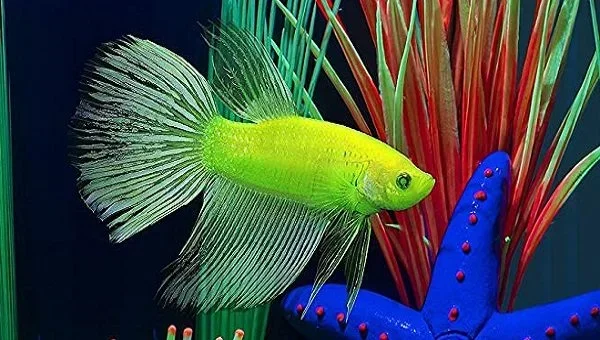
Yes, betta fish can get along with glofish under the right conditions. Choosing the right glofish species, providing enough space, and setting up a proper tank make all the difference. This guide covers everything you need to know about keeping bettas and glofish together happily.
Can you keep betta fish and glofish in the same tank? This is a question many aquarium lovers ask. The short answer is yes, but it takes some planning and care. Not every betta will accept tank mates, and not every glofish species pairs well with bettas.
Betta fish and glofish can coexist peacefully when you set up the tank correctly. The key is understanding both species. Bettas are known for their bright fins and sometimes feisty personalities. Glofish are genetically modified fish that glow under special lighting. They come in several species, and each one behaves differently.
In this article, we will walk you through everything you need to know. You will learn which glofish species work best, how to set up the tank, and what to watch for. By the end, you will feel confident about creating a peaceful community aquarium with these stunning fish.
Key Takeaways
- Compatibility depends on species: Not all glofish species work well with bettas. Glofish tetras and glofish danios are usually the best choices.
- Tank size matters a lot: A minimum of 20 gallons helps reduce aggression and gives both fish enough room to thrive.
- Betta temperament varies: Some bettas are peaceful, while others are highly territorial. Always monitor their behavior closely.
- Proper tank setup prevents problems: Lots of plants, hiding spots, and open swimming areas keep stress levels low.
- Feeding strategies reduce conflict: Offering separate feeding zones ensures both bettas and glofish get enough food.
- Watch for warning signs: Fin nipping, chasing, and flashing are signs that the pairing is not working.
📑 Table of Contents
Understanding Betta Fish Temperament
Before adding any tank mates, you need to understand your betta. Bettas are territorial fish by nature. Male bettas, in particular, can be aggressive toward other fish that have long fins or bright colors. This is because they see such fish as rivals.
Why Bettas Act Aggressive
Betta fish were originally bred for fighting in Southeast Asia. This history shapes their behavior today. When a betta sees another fish with flowing fins, it may flare and chase. This is normal betta behavior and does not mean your fish is mean.
However, some bettas are much calmer than others. Female bettas tend to be less aggressive. Some male bettas are also quite peaceful, especially if they were raised in community tanks. You need to know your individual fish.
Signs of a Stressed Betta
Watch for these signs if you are thinking about adding glofish:
- Fin clamping: The betta holds its fins close to its body.
- Hiding constantly: A stressed betta avoids open areas.
- Color fading: The betta loses its vibrant colors.
- Flaring at everything: Constant flaring at tank mates shows high stress.
- Refusing food: A stressed betta may stop eating.
If you notice these signs, you may need to separate your betta. Not every betta is suited for a community tank setup.
Which Glofish Species Work Best with Bettas
Glofish come in several species, and not all of them get along with bettas. The best choices are small, fast-moving fish that do not bother the betta. Here is a closer look at the options.
Glofish Tetras
Glofish tetras are one of the most popular choices. They are small, peaceful, and tend to stay in their own school. Glofish tetras do not have long fins, so they are less likely to trigger a betta’s aggression. Many hobbyists have had success keeping bettas with glofish tetras.
These fish are also known as glofish danios in some regions. They stay small, usually around two inches, which makes them ideal for community tanks. They swim in groups, which adds a beautiful shimmering effect to your aquarium.
Glofish Danios
Glofish danios are another solid option. They are fast swimmers and tend to stay at the top and middle levels of the tank. This means they avoid the betta’s territory, which is usually the bottom and middle areas.
Glofish danios are hardy and easy to care for. They are a great choice for beginners who want to try a betta and glofish tank. Just make sure you keep them in a group of at least five to six fish.
Glofish Sharks and Glofish Barbs
We do not recommend glofish sharks or glofish barbs for betta tanks. Glofish sharks can grow quite large and become territorial themselves. Glofish barbs may nip at the betta’s long fins. These species are better suited for species-only tanks or tanks with similar-sized fish.
Setting Up the Perfect Tank for Bettas and Glofish
The tank setup plays a huge role in whether bettas and glofish will get along. A poorly set up tank leads to stress and aggression. A well-planned tank gives both fish the space and comfort they need.
Tank Size Requirements
Size matters a lot when keeping bettas with glofish. A minimum tank size of 20 gallons is recommended. Here is why:
- More swimming space: Both fish need room to move without bumping into each other constantly.
- Territory reduction: A larger tank means the betta cannot claim every corner as its own.
- Better water quality: Larger tanks are more stable and easier to maintain.
If you have a smaller tank, it is better to keep your betta alone. Overcrowding leads to fish aggression and health problems.
Plants and Decorations
Live plants are your best friend in a betta and glofish tank. Plants break up sightlines and give both fish places to hide. This reduces tension significantly. Some great plant options include:
- Java fern
- Amazon sword
- Anubias
- Water wisteria
- Floating plants like frogbit or duckweed
Add caves, driftwood, and other decorations too. These create natural boundaries and give your fish a sense of security. The goal is to make the tank feel like a spacious, natural environment.
Lighting Considerations
Glofish need special lighting to glow. Standard LED lights work, but you may want to invest in a blacklight or LED strip designed for glofish. Use this lighting for a few hours in the evening. Do not run it all the time, as both bettas and glofish need a regular day-night cycle to stay healthy.
Feeding Both Species Properly
Feeding time can be a source of conflict in a shared tank. Bettas are slow, deliberate eaters. Glofish, especially danios and tetras, are fast and eager eaters. This difference can cause problems.
Tips for Feeding Success
Follow these simple tips to keep feeding peaceful:
- Feed the betta first: Drop betta pellets near your betta’s favorite spot. The betta will eat before the glofish can grab everything.
- Use sinking pellets for bettas: This keeps food near the bottom where bettas usually feed.
- Add flake food for glofish: Flakes will float and be available to the glofish once the betta is satisfied.
- Feed in small amounts: Give small portions two to three times a day. This prevents overfeeding and leftover food.
- Watch during feeding: Make sure the betta is actually eating. Some glofish will outcompete a shy betta for food.
Proper feeding reduces stress for both species. A well-fed betta is a less aggressive betta. The same goes for glofish.
Common Problems and How to Solve Them
Even with the best setup, problems can happen. Knowing what to look for helps you act fast and keep your fish safe.
Fin Nipping
If your glofish are nipping at the betta’s fins, this is a serious warning sign. Some glofish species, like barbs, are prone to fin nipping. Even danios and tetras can nip if they are bored or underfed. Increase plant cover and make sure the fish are getting enough food. If nipping continues, you may need to separate the fish.
Chasing Behavior
Occasional chasing is normal. The betta may chase a glofish that swims too close to its territory. But constant chasing means something is wrong. Check your tank size and add more hiding spots. Sometimes simply rearranging the decorations can reset the tank dynamics.
Color Fading in Glofish
Glofish that are stressed may lose their glow. This can happen if the betta keeps chasing them. If you notice your glofish looking dull, evaluate the tank conditions and the behavior of your betta. A stress-free environment keeps glofish vibrant and healthy.
Disease Transmission
Always quarantine new fish before adding them to your main tank. Glofish from pet stores may carry parasites or diseases. A two-week quarantine period protects your betta and all your other fish. This simple step saves you a lot of trouble down the road.
Expert Tips for Long-Term Success
Keeping bettas and glofish together can be very rewarding. Here are some expert insights to help you succeed.
First, choose your betta carefully. If you are buying a betta specifically to pair with glofish, look for a fish that is already calm. Female bettas or bettas raised in community tanks are often the best choices. Avoid bettas that flare at everything in the store.
Second, start with a school of glofish. A group of five or more glofish tetras or danios takes the focus off the betta. The glofish will bond with each other and be less interested in bothering the betta.
Third, do regular water changes. Clean water keeps both species healthy and reduces stress. Aim for 25% water changes every week. Test your water parameters regularly to make sure ammonia and nitrite levels stay at zero.
Fourth, observe your fish daily. Spend a few minutes each day watching how the fish interact. Early detection of problems makes them much easier to solve. If you see any signs of bullying or stress, act quickly.
Finally, be willing to separate the fish. Not every combination works. If your betta is clearly miserable or the glofish are constantly hiding, it is okay to give them separate homes. Fish welfare always comes first.
Frequently Asked Questions
Can all glofish species live with betta fish?
No, not all glofish species are compatible with bettas. Glofish tetras and glofish danios are the best choices because they are small, peaceful, and fast-moving. Glofish sharks and glofish barbs are not recommended, as they can grow large or nip at the betta’s fins. Always research the specific glofish species before adding them to a betta tank.
How many glofish can you keep with a betta?
A group of five to six glofish tetras or danios works well in a 20-gallon tank. This number gives the glofish enough company to form a school, which makes them feel secure. It also spreads out any minor chasing behavior, so no single fish gets overwhelmed. Avoid adding too many fish, as this increases waste and stress in the tank.
Will a male betta kill glofish?
A male betta is unlikely to kill glofish if the tank is set up properly. However, a very aggressive betta may chase or harm glofish, especially those with long fins. Providing plenty of plants, hiding spots, and enough space greatly reduces the risk. Always monitor your fish closely, especially during the first few weeks after introducing them.
Do glofish tetras nip betta fins?
Glofish tetras are generally peaceful and do not nip betta fins. However, some individual fish may be nippy, especially if they are bored or underfed. Keeping the glofish school large enough and feeding them well reduces the chance of fin nipping. If nipping becomes a problem, you may need to rehome the glofish or the betta separately.
What tank size is best for bettas and glofish together?
A 20-gallon tank is the recommended minimum for keeping a betta with glofish. This size gives both species enough swimming space and helps maintain stable water conditions. A smaller tank increases stress and the chances of aggression. If you have a 10-gallon tank, it is safer to keep the betta alone or with only a very small group of nano fish.
Can female bettas live with glofish?
Yes, female bettas tend to be less aggressive than males and often do well with glofish. They are generally calmer and less likely to chase tank mates. Many aquarists prefer female bettas for community tanks because they are easier to mix with other species. Just like male bettas, individual female personalities can vary, so observe their behavior carefully.