Do Betta Fish Fight Other Fish
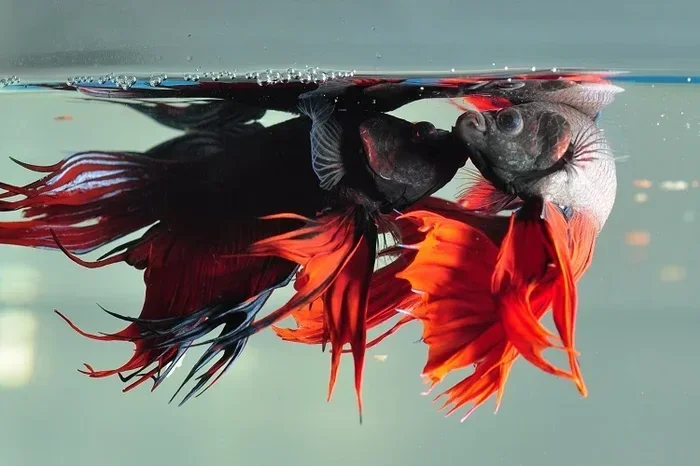
Do betta fish fight other fish? Yes, bettas are naturally territorial and aggressive, especially males. They will fight other fish over space, food, and mates. Understanding your betta’s behavior is key to keeping a peaceful tank.
Key Takeaways
- Bettas are naturally aggressive: Male bettas fight other fish due to territorial instincts and the need to protect their space.
- Not all tank mates are safe: Goldfish, guppies, and tetras can trigger betta fighting behavior in shared tanks.
- Tank size matters: A larger tank with hiding spots reduces betta aggression significantly.
- Female bettas behave differently: Females can be less aggressive but still show fighting signs, especially in sorority setups.
- Watch for early warning signs: Flaring, chasing, and nipping are clear signals your betta is unhappy with its companions.
- Proper planning prevents problems: Choosing the right tank mates and setup keeps both your betta and other fish safe.
📑 Table of Contents
- Do Betta Fish Fight Other Fish?
- Why Do Betta Fish Fight Other Fish?
- Signs of Betta Fish Aggression
- Which Fish Do Betta Fish Fight With?
- How to Prevent Betta Fish Fighting
- What to Do If Your Betta Starts Fighting
- Can Betta Fish Live Peacefully With Other Fish?
- Understanding Betta Fish Behavior and Personality
- Expert Insights on Betta Fish Fighting
- Common Mistakes Bettas Owners Make
- Key Takeaways
- Conclusion
Do Betta Fish Fight Other Fish?
If you love betta fish, you have probably wondered about their behavior. These colorful creatures are some of the most popular freshwater pets in the world. But one thing that scares many new owners is the question: do betta fish fight other fish?
The short answer is yes. Bettas are known for their aggression and territorial behavior. They will fight other fish over food, space, and even mates. But the full story is much more detailed. Not every betta attacks every fish. A lot depends on the species, the tank setup, and the individual personality of your betta.
In this guide, we will break down everything you need to know about betta fish fighting. We will cover why they fight, which fish they attack, and how to keep your tank peaceful. Whether you are a new betta owner or a seasoned hobbyist, this article has something for you.
Why Do Betta Fish Fight Other Fish?
Natural Territorial Instincts
Bettas are territorial by nature. In the wild, they live in shallow waters like rice paddies and small streams. They claim a small area and defend it fiercely. When you put a betta in a tank, it sees the entire tank as its territory. Any fish that enters that space may be seen as a threat.
This behavior is not random. It is deeply rooted in their genetics. Male bettas, in particular, are built to fight. In the wild, they fight other males to protect breeding spots and food sources. This is why they are called Siamese fighting fish. Their entire name reflects their fighting nature.
Breeding and Mating Behavior
Another reason bettas fight is related to breeding. Males become very aggressive during the mating season. They chase away any fish that comes near their nesting area. Even female bettas can show aggression during this time. The male may attack the female if she does not follow his signals correctly.
This is why it is very important to understand betta fish compatibility before adding new fish to your tank. What looks like a peaceful community tank can turn into a fighting zone very quickly.
Lack of Space
Small tanks make betta aggression much worse. When fish have no room to swim away, conflicts happen more often. A cramped tank forces every fish into the same small space. This leads to constant confrontation and stress for all the inhabitants.
A good rule is to keep your betta in at least a 5-gallon tank. If you plan to add tank mates, go even larger. More space means less fighting. It is that simple.
Signs of Betta Fish Aggression
Before a full fight breaks out, your betta will show warning signs. Learning these signs can help you prevent serious harm. Here are the most common betta fish aggression signs:
- Flaring: Your betta spreads its gills and fins to look bigger. This is a clear threat display.
- Chasing: Your betta follows another fish around the tank nonstop.
- Nipping: Your betta bites the fins or tails of other fish.
- Color Darkening: A stressed or aggressive betta may change color.
- Fin Rot: Torn fins from fighting can lead to infection.
- Hiding Excessively: The other fish may hide constantly, showing it feels threatened.
If you notice any of these signs, act fast. Remove the aggressor or rearrange the tank to break up territories. Ignoring these signs can lead to betta fish fighting to death in severe cases.
Which Fish Do Betta Fish Fight With?
Not all fish are equal in the eyes of a betta. Some species trigger betta fish fighting more than others. Here is a breakdown of common fish and their compatibility with bettas.
Fish Bettas Commonly Fight
- Goldfish: Goldfish produce a lot of waste and prefer cooler water. Bettas and goldfish have very different needs. Do betta fish fight with goldfish? Yes, they often do, especially in poorly set up tanks.
- Guppies: Guppies are small and colorful. Bettas may see them as competitors or targets. Do betta fish fight with guppies? This is a common problem, especially with male bettas.
- Tetras: Some tetras are nippy themselves. This can trigger a betta to fight back. Neon tetras, in particular, do not always work well with bettas.
- Other Bettas: Two male bettas in the same tank is a recipe for disaster. Do all male betta fish fight each other? Almost always, yes. Never house two male bettas together.
- Cichlids: Cichlids are aggressive themselves. A tank with both cichlids and bettas is likely to see constant fighting.
Fish That Usually Coexist Peacefully
Not every combination leads to fish fighting in tank situations. Some fish get along well with bettas when the setup is right:
- Ghost Shrimp: These are mostly ignored by bettas. They clean the tank too.
- Snails: Most snails are safe. They stay on surfaces and do not bother the betta. However, some bettas may attack them, so always watch closely.
- Corydoras Catfish: These bottom-dwellers stay out of the betta’s way. They are peaceful and do well in larger tanks.
- Harlequin Rasboras: These small fish can work in a community tank with a betta if the tank is large enough.
Quick Comparison Table: Betta Fish Compatibility
| Fish Species | Compatibility | Risk Level |
|---|---|---|
| Goldfish | Poor | High |
| Guppies | Poor | High |
| Neon Tetras | Moderate | Medium |
| Ghost Shrimp | Good | Low |
| Snails | Good | Low to Medium |
| Corydoras | Good | Low |
| Other Male Bettas | Poor | Very High |
| Female Bettas (Sorority) | Moderate | Medium |
Use this table as a general guide. Individual fish personalities always vary. Some bettas are calmer than others. Always watch your fish closely when introducing new companions.
How to Prevent Betta Fish Fighting
Prevention is always better than cure. You can take several steps to reduce the chances of your betta fighting other fish. Here are some practical tips:
Choose the Right Tank Size
A bigger tank is your best friend. Aim for at least 10 gallons if you plan to keep a betta with tank mates. This gives every fish enough room to establish their own zones. It also gives the betta space to retreat if it feels stressed. Betta fish care includes providing enough room to thrive.
Add Hiding Spots and Decorations
Plants, caves, and driftwood break up sight lines. Your betta cannot see every fish at all times, which reduces the urge to fight. Live plants are especially good because they also improve water quality. Cover the back and sides of the tank so fish can swim away from view if needed.
Feed All Fish at the Same Time
Food is one of the biggest triggers for betta territorial behavior. When fish compete for food, aggression rises. Feed everyone at the same time and spread food across the tank. This prevents any one fish from guarding a food source.
Rearrange Decorations Regularly
If your betta claims a specific corner, it may attack anything that enters. Rearranging decorations breaks up that territory. The betta has to explore again, and the established zones reset. This simple trick can stop fighting before it starts.
Never Keep Two Male Bettas Together
This cannot be stressed enough. Two male bettas in one tank will almost always fight. One may even kill the other. Do betta fish fight other betta fish? Yes, and the results can be deadly. If you want to keep more than one betta, consider a sorority of females or a divided tank.
Monitor Your Fish Daily
Spend a few minutes every day watching your fish. Look for signs of stress, chasing, or nipping. The earlier you spot a problem, the easier it is to fix. Quick action can save lives. If you notice persistent betta fish bullying, separate the aggressor immediately.
What to Do If Your Betta Starts Fighting
Step 1: Remove the Aggressor
The first thing you should do is separate the fighting fish. Move the aggressor to a different tank or a quarantine container. Do not wait to see what happens next. Fighting can cause injuries very quickly, and infections can set in fast.
Step 2: Check Water Parameters
Poor water quality can increase stress and aggression. Test your water for ammonia, nitrite, and nitrate levels. Make sure the temperature is between 76-82°F. Clean water keeps fish healthy and less aggressive. A stressed betta is more likely to fight than a healthy one.
Step 3: Rearrange the Tank
As mentioned earlier, rearranging decor resets territories. Move plants, caves, and decorations to new positions. This forces all fish to re-establish their zones. It often stops the fighting cycle completely.
Step 4: Consider a Separate Tank
If the fighting does not stop, you may need permanent separation. Some fish simply cannot live together. Do betta fish kill and eat other fish? Yes, they can, especially smaller species. If your betta keeps attacking, it is better to keep it alone. Many bettas do perfectly well on their own.
Can Betta Fish Live Peacefully With Other Fish?
Yes, but it takes planning. Some bettas live happily in community tanks. Others do best alone. It depends on the individual fish. Do betta fish get along with other fish? Sometimes, but you need to choose carefully.
Here are a few tips for building a peaceful community tank:
- Start with a large tank, at least 10 gallons.
- Choose peaceful species that stay away from the betta’s territory.
- Add plenty of plants and decorations for cover.
- Introduce tank mates slowly, one at a time.
- Watch for any signs of betta fish fighting behavior during the first few weeks.
Some experienced keepers recommend a “betta hotel” approach. This means keeping the betta in a tank within a tank. The betta has its own space, but can see and interact with other fish. This setup works well for people who want both a betta and a community tank.
Understanding Betta Fish Behavior and Personality
Every betta has its own personality. Some are docile and tolerate other fish. Others are fierce and attack anything that moves. Why do betta fish fight each other? It often comes down to individual temperament. Genetics play a big role too.
Wild-caught bettas tend to be more aggressive than captive-bred ones. Selective breeding over generations has produced some calmer bettas. But the fighting instinct is still there. Even the friendliest betta can snap under the right (or wrong) conditions.
Here are some factors that influence betta fish behavior:
- Genetics: Some bloodlines are more aggressive than others.
- Age: Younger bettas may be less territorial. Older bettas are more established and protective.
- Health: Sick or injured bettas become more aggressive. Pain makes them irritable.
- Environment: A well-decorated, spacious tank reduces stress. A bare, small tank increases it.
- Previous Experience: A betta that was bullied before may become defensive or overly cautious.
Expert Insights on Betta Fish Fighting
Professional aquarists agree that betta fish aggression is normal but manageable. Dr. Joeri Vanlerberghe, a fish behavior researcher, notes that territorial behavior in bettas is an evolved survival strategy. It is not a flaw. It is simply how they are built.
The key takeaway from experts is this: do not expect your betta to be a community fish unless it shows signs of being one. Many bettas are happiest alone. They do not need friends. They need space, clean water, and proper care. Trying to force social interactions can lead to stress, injury, and death.
Expert advice also stresses the importance of quarantine. Always quarantine new fish before adding them to a betta tank. This prevents disease spread and gives you time to observe behavior. A 2-week quarantine period is standard practice.
Common Mistakes Bettas Owners Make
Even experienced owners can make mistakes. Here are some common ones that lead to betta fish fighting:
- Keeping bettas in tiny bowls: A small container increases stress and aggression dramatically.
- Adding too many fish at once: Overcrowding triggers territorial disputes fast.
- Ignoring water quality: Dirty water makes fish sick and cranky.
- Choosing the wrong tank mates: Not every fish works with bettas. Research is essential.
- Not providing enough hiding spots: Fish need places to retreat. Without them, there is nowhere to escape.
- Overfeeding: Excess food leads to waste buildup and aggressive food competition.
Avoiding these mistakes will go a long way toward keeping your tank peaceful. Prevention is always easier than treatment.
Key Takeaways
Do betta fish fight other fish? They absolutely can. But with the right setup, you can minimize aggression. A well-planned tank, proper feeding, and careful species selection make a huge difference. Always watch your fish closely and act quickly if you see warning signs. Your betta deserves a safe and happy home, whether it lives alone or with companions.
Conclusion
Understanding do betta fish fight other fish is essential for any betta owner. These fish are beautiful, fascinating, and yes, a little aggressive. Their territorial nature is part of what makes them so interesting to watch. But it also means you need to be a responsible owner.
Choose tank mates carefully. Provide enough space. Watch for signs of stress and aggression. Most importantly, know when to separate your fish. A peaceful tank is a happy tank for everyone involved.
If you follow the tips in this guide, your betta can live a long, healthy, and stress-free life. Whether it lives alone or with carefully chosen friends, it will thrive under your care. Take what you have learned here and apply it. Your betta will thank you for it.
Frequently Asked Questions
Do betta fish fight other fish to the death?
Yes, in some cases betta fish can fight other fish to the death. Male bettas are especially aggressive and may kill smaller or weaker fish. This is why it is important to choose tank mates carefully and watch for signs of fighting early.
Will a betta fish fight a goldfish?
Yes, betta fish often fight goldfish. They have very different habitat needs, and bettas may see goldfish as intruders. Goldfish also produce a lot of waste, which stresses bettas further. It is best to keep these two species in separate tanks.
Can female betta fish fight each other?
Yes, female betta fish can fight each other. While they are generally less aggressive than males, they can still show territorial behavior. A sorority tank with multiple females needs careful planning, plenty of space, and many hiding spots to reduce fighting.
What fish can live with bettas without fighting?
Ghost shrimp, snails, corydoras catfish, and harlequin rasboras are some of the best tank mates for bettas. These species usually stay out of the betta’s way. Always introduce new companions slowly and watch for any signs of aggression.
Why does my betta fish attack other fish in my tank?
Bettas attack other fish for several reasons, including territorial behavior, breeding instincts, lack of space, and stress. Poor water quality and overcrowding can also trigger attacks. Improving the tank setup and removing triggers can help reduce aggressive behavior.
How can I stop my betta fish from fighting?
To stop fighting, provide a large tank with plenty of hiding spots, feed all fish at the same time, rearrange decorations to reset territories, and remove aggressive fish immediately. If fighting continues, permanent separation may be necessary. Regular water changes also help keep stress levels low.