Can Betta Fish and Tetras Live Together

Yes, betta fish and tetras can live together in the same aquarium, but success depends on choosing the right tetra species and setting up the tank properly. Neon tetras, ember tetras, and cardinal tetras are among the best tank mates for bettas. With the right water conditions, enough space, and careful monitoring, these two popular fish species can create a vibrant and peaceful community aquarium.
Can betta fish and tetras live together? This is one of the most common questions among freshwater aquarium hobbyists. The short answer is yes, but there are important details you need to know. Not every tetra species gets along with a betta, and not every tank setup will work. In this guide, we walk you through everything you need to create a peaceful community tank with these two popular fish.
Many fish keepers dream of a colorful community aquarium. Bettas bring brilliant colors and flowing fins, while tetras add constant movement and shimmering scales. When done right, the combination is stunning. But when done wrong, it can lead to stress, injury, or even death. That is why understanding compatibility, tank requirements, and individual fish personalities is so important.
## Understanding Betta Fish Temperament
### Why Bettas Can Be Aggressive
Betta fish, also known as Siamese fighting fish, are known for their territorial nature. Male bettas, in particular, can be aggressive toward other fish that have long, flowing fins. This is because they may see their reflection or similar-looking fish as a rival. Understanding this natural behavior is the first step toward successful tank sharing.
Bettas were originally bred in Southeast Asia for fighting. This history means they have strong instincts to defend their territory. In a small, cramped tank, these instincts become magnified. A stressed betta is more likely to chase, nip, or bully tank mates. So tank size plays a huge role in whether your betta will accept other fish.
### When Bettas Get Along with Others
Not all bettas are aggressive. Some individual fish are naturally calm and tolerate other species well. Female bettas tend to be less aggressive than males. Also, bettas that were raised in community tanks from a young age often adapt better to sharing space.
The temperament of your specific betta matters more than generalizations. Before adding tetras, observe your betta’s behavior. If your betta flares constantly or chases other fish, it might not be the best candidate for a shared tank. Patience and observation go a long way.
## Which Tetra Species Work Best with Bettas
### Neon Tetras
Neon tetras are one of the most popular choices for a betta community tank. They are small, peaceful, and stay in the middle and lower levels of the tank. This means they generally avoid the betta’s territory near the surface. Neon tetras and betta fish can coexist peacefully in the right setup.
Neon tetras are hardy and adaptable. They do well in warm water, which matches betta preferences perfectly. A group of six or more neon tetras creates a beautiful, schooling display that adds life to any aquarium.
### Cardinal Tetras
Cardinal tetras are very similar to neon tetras but slightly larger. They are also peaceful and make excellent betta tank mates. Their bright red and blue coloring complements the vibrant hues of a betta fish beautifully. Cardinal tetras tend to be a bit more robust, which helps them coexist with a potentially aggressive betta.
### Ember Tetras
Ember tetras are a fantastic option because they are small, peaceful, and stay in the lower and middle parts of the tank. Their warm orange color adds a beautiful contrast to a betta’s fins. Ember tetras are not as active as some other tetra species, which reduces the chance of triggering territorial behavior in your betta.
### Other Tetra Species to Consider
Other peaceful tetra species that can work with bettas include rummy nose tetras, harlequin rasboras (technically not a tetra but similar), and glowlight tetras. Always research any species before adding it to your tank. Some tetras are larger or more active, which can stress out a betta.
## Setting Up the Perfect Tank for Both Species
### Tank Size and Layout
The minimum recommended tank size for housing bettas and tetras together is 20 gallons. A larger tank gives both species more room to establish their own territories and reduces the chance of conflict. In a small tank, every inch of space becomes contested, which increases stress for all inhabitants.
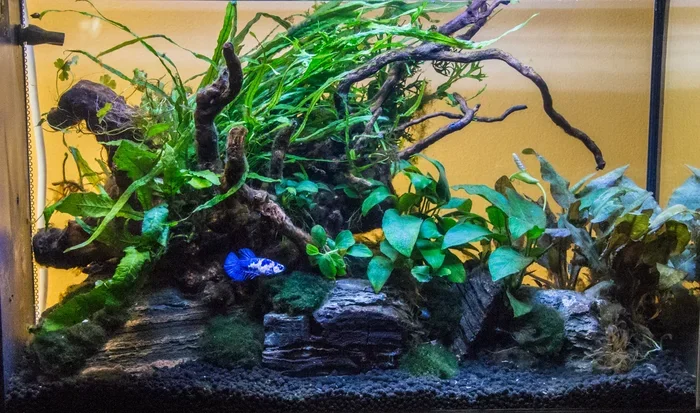
When designing the layout, include plenty of live plants, caves, and decorations. These create visual barriers that break up lines of sight. Bettas feel more secure when they can retreat to their own space. Tetras also appreciate the cover that plants provide.
### Water Parameters
Both bettas and tetras thrive in similar water conditions, which makes them compatible in this regard. Here are the ideal parameters:
- Temperature: 76°F to 80°F (24°C to 27°C)
- pH Level: 6.5 to 7.0
- Water Hardness: 3 to 8 dGH
- Filtration: Gentle sponge filter to maintain water quality without strong currents
Keeping these parameters stable is crucial. Sudden changes in water quality can stress both bettas and tetras, leading to health problems and aggressive behavior.
### Lighting and Decoration
Moderate lighting works best for a mixed betta and tetra tank. Too much light can stress bettas, while too little can cause tetras to become shy and hide constantly. Aim for a natural day-night cycle of about 8 to 10 hours of light per day.
Add driftwood, rocks, and dense planting to create a natural, comfortable environment. Floating plants like frogbit or water lettuce are excellent choices. They diffuse light and give your betta a sense of security.
## Feeding Both Species Together
### Understanding Dietary Needs
Betta fish are primarily carnivores. They need a diet rich in protein, including pellets, frozen bloodworms, and brine shrimp. Tetras, on the other hand, are omnivores. They do well on a mix of flakes, pellets, and small frozen foods.
This difference in diet means you need to feed both species appropriately. If you only offer betta pellets, your tetras may not get enough plant-based nutrients. If you only offer flake food, your betta may not get sufficient protein.
### Feeding Tips for a Shared Tank
Follow these feeding tips to keep both species healthy:
- Feed betta-specific pellets first to ensure your betta gets enough food before tetras eat it all.
- Follow up with a small amount of flake food or micro-pellets for the tetras.
- Feed small amounts two to three times a day rather than one large feeding.
- Remove any uneaten food after five minutes to maintain water quality.
- Consider using a feeding ring to keep betta food in one place.
Proper feeding prevents malnutrition and reduces competition at mealtime, which can trigger aggression.
## Common Problems and How to Avoid Them
### Fin Nipping
Some tetra species, like serpae tetras, are known fin nippers. Their nippy behavior can damage a betta’s long, flowing fins. This causes stress and can lead to infections. Avoid fin-nipping species entirely when choosing tank mates for your betta.
### Territorial Aggression
If your betta chases tetras or flares constantly, the tank may be too small. A cramped space forces fish into constant confrontation. Increasing the tank size or adding more decorations can help reduce territorial behavior.
### Disease Transmission
New fish can introduce diseases to an established tank. Always quarantine new tetras for at least two weeks before adding them to your betta tank. Watch for signs of illness like white spots, clamped fins, or loss of appetite.
### Stress Signs to Watch For
Watch for these common stress signs in both bettas and tetras:
- Loss of color
- Hiding constantly
- Loss of appetite
- Rapid breathing
- Clamped fins
- Erratic swimming
If you notice any of these signs, check your water parameters and observe interactions between the fish. Early intervention can prevent serious problems.
## Expert Insights on Betta and Tetra Compatibility
Experienced fish keepers agree that the key to success lies in preparation. A well-planned tank with the right species, adequate space, and proper décor almost always results in a peaceful community. Many hobbyists have successfully kept bettas with guppies and tetras, proving that careful planning pays off.
Adding a dwarf gourami or other peaceful companions alongside tetras can also help distribute territorial behavior across multiple fish, reducing the focus on any single tank mate.
## Key Tips for Long-Term Success
Here are the most important tips for keeping bettas and tetras together over the long term:
- Start with a 20-gallon tank or larger for the best results.
- Choose peaceful tetra species like neons, cardinals, or embers.
- Add plenty of live plants and hiding spots to break up territory lines.
- Maintain stable water parameters with regular water changes.
- Feed both species appropriately to prevent malnutrition and competition.
- Quarantine new fish before introducing them to the main tank.
- Observe your fish daily and be ready to adjust the setup if needed.
## Conclusion
So, can betta fish and tetras live together? Absolutely. With the right species, proper tank setup, and attentive care, these two beautiful fish can thrive side by side. The combination of a betta’s stunning colors and a school of tetras’ constant movement creates a truly captivating aquarium.
Remember that every fish has its own personality. Some bettas are more tolerant than others, and some tetra species are calmer than others. Success comes from preparation, observation, and a willingness to adjust your setup as needed. Start small, monitor closely, and enjoy the rewarding experience of a peaceful community tank.
Key Takeaways
- Compatibility is possible: Many tetra species coexist well with betta fish when the tank is set up correctly.
- Choose peaceful tetra species: Neon tetras, ember tetras, and cardinal tetras are the best options for a betta community tank.
- Tank size matters: A minimum of 20 gallons is recommended to reduce aggression and territorial behavior.
- Water parameters must match: Both bettas and tetras thrive in warm, slightly acidic to neutral water.
- Add plenty of hiding spots: Plants, caves, and decorations help reduce stress and territorial disputes.
- Feed carefully: Betta fish and tetras have different dietary needs, so a balanced feeding routine is essential.
- Monitor behavior closely: Watch for signs of aggression or stress, especially during the first few weeks.
Frequently Asked Questions
Can neon tetras live with betta fish?
Yes, neon tetras are one of the best tetra species to keep with bettas. They are peaceful, stay in the middle and lower parts of the tank, and share similar water temperature preferences. A group of six or more neon tetras works best to distribute their energy across the aquarium.
What tank size do I need for bettas and tetras together?
A minimum of 20 gallons is recommended for a betta and a small group of tetras. Larger tanks provide more swimming space and help reduce territorial aggression. A bigger tank also makes it easier to maintain stable water parameters.
Can female bettas live with tetras?
Yes, female bettas tend to be less aggressive than males and often do well with tetras. However, individual temperament still varies. Some female bettas may still show aggression, so careful observation is always necessary when introducing any new tank mates.
What tetras should I avoid with bettas?
Avoid fin-nipping species like serpae tetras and larger, more active tetras that may stress your betta. Also avoid any tetra species that require very different water parameters from bettas. Stick to peaceful, small species like neons, cardinals, and embers.
How many tetras can I keep with one betta?
A group of five to eight tetras is ideal for a 20-gallon tank with one betta. Tetras are schooling fish and feel more confident in larger groups. Just make sure your tank is large enough to accommodate both the betta’s territory and the school of tetras comfortably.
Do bettas eat tetras?
Bettas do not typically eat adult tetras because they are too large. However, a hungry or very aggressive betta may nip at tetras or their fins. Keeping your betta well-fed and providing a spacious tank greatly reduces this risk.
=== KEY TAKEAWAYS ===
Key Takeaways
- Compatibility is possible: Many tetra species coexist well with betta fish when the tank is set up correctly.
- Choose peaceful tetra species: Neon tetras, ember tetras, and cardinal tetras are the best options for a betta community tank.
- Tank size matters: A minimum of 20 gallons is recommended to reduce aggression and territorial behavior.
- Water parameters must match: Both bettas and tetras thrive in warm, slightly acidic to neutral water.
- Add plenty of hiding spots: Plants, caves, and decorations help reduce stress and territorial disputes.
- Feed carefully: Betta fish and tetras have different dietary needs, so a balanced feeding routine is essential.
- Monitor behavior closely: Watch for signs of aggression or stress, especially during the first few weeks.