Are Male or Female Betta Fish More Aggressive

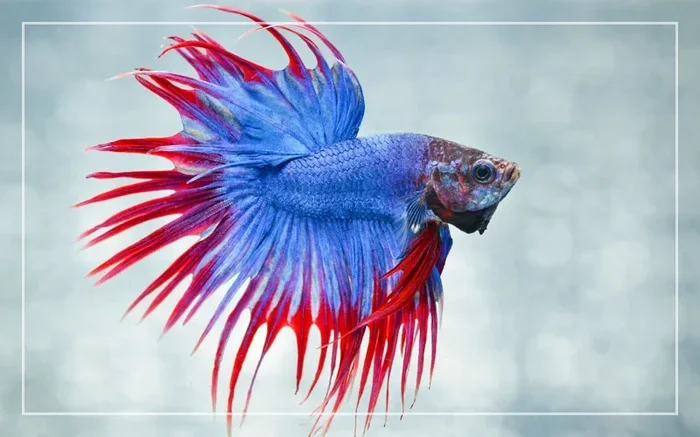
So, are male or female betta fish more aggressive? The short answer is that male bettas tend to show more intense aggression, but female bettas can be surprisingly territorial too. Understanding betta fish aggression helps you create a better home for your fish and avoid unnecessary fights.
You love your betta fish. You watch them glide through the water, admire their flowing fins, and enjoy their vibrant colors. But then you notice something unsettling. Your fish starts flaring its gills, chasing other fish, or nipping at fins. You start asking yourself, are male or female betta fish more aggressive?
This is a question every betta owner should understand. Whether you are a beginner or a seasoned fish keeper, knowing about betta fish aggression helps you keep your fish healthy and your tank peaceful. In this guide, we will break down everything you need to know about male and female betta behavior.
The truth is, both male and female bettas can show aggressive behavior. But the type, intensity, and triggers differ a lot between the two sexes. Let us dive deep into what makes these beautiful fish tick.
Key Takeaways
- Males are more aggressive: Male bettas display stronger territorial behavior and fin-nipping tendencies than females.
- Females can fight too: Female bettas establish dominance hierarchies and can be quite aggressive in small spaces.
- Tank setup matters: Proper tank size, hiding spots, and layout reduce aggressive behavior in both sexes.
- Housing choices are key: Knowing are male and female betta fish compatible helps you decide on the right setup.
- Behavior signs are clear: Flaring, chasing, and color changes are early warning signs of aggression.
- Breeding changes everything: Male and female behavior shifts dramatically during the breeding process.
- Tank mates need thought: Choosing the right companions reduces stress and aggression for all fish involved.
📑 Table of Contents
- Understanding Betta Fish Aggression
- Are Male Betta Fish More Aggressive?
- Are Female Betta Fish Aggressive?
- Male vs Female Betta Fish: Aggression Comparison
- How to Reduce Aggression in Your Betta Tank
- Can Male and Female Betta Fish Live Together?
- Why Are Male Betta Fish So Aggressive?
- Common Mistakes That Increase Betta Aggression
- Expert Insights on Betta Aggression
- Final Thoughts
Understanding Betta Fish Aggression
Betta fish aggression is natural. These fish, also known as Betta splendens, were bred for centuries in Southeast Asia for fighting. That history lives in their DNA. Even today, domesticated bettas carry those aggressive instincts.
But aggression does not mean your fish is mean. It means your fish is responding to its environment. Understanding why betta fish act aggressive is the first step toward solving the problem.
What Triggers Aggressive Behavior in Bettas?
Several things can trigger aggressive behavior in bettas. Here are the most common ones:
- Territory: Bettas defend their space. A small tank makes this worse.
- Reflections: Bettas often fight their own reflection in the glass.
- Other fish: Bright colors or long fins can trigger territorial responses.
- Breeding season: Hormones spike during breeding, increasing aggression.
- Stress: Poor water quality, loud noises, or sudden changes stress bettas out.
- Overcrowding: Too many fish in one tank raises tension.
Recognizing these triggers helps you prevent fights before they start. A calm environment leads to a calmer fish.
Are Male Betta Fish More Aggressive?
The short answer is yes. Male betta fish are generally more aggressive than females. This is not just opinion. It is backed by decades of fishkeeping experience and research.
Male bettas have been selectively bred for fighting ability for hundreds of years. Their aggressive traits are stronger and more visible. But what does this aggression actually look like?
How Male Betta Aggression Shows Up
Male bettas display aggression in several unmistakable ways:
- Flaring: They spread their gills and fins wide to look bigger and more threatening.
- Chasing: Males will chase other fish, especially those with bright colors or long fins.
- Fin nipping: They bite the fins of other fish to establish dominance.
- Bubble nest building: While this is natural, it shows territorial behavior.
- Color darkening: A stressed male may darken in color as a warning sign.
Male aggression is often constant. Even in a well-set-up tank, a male betta may flare at anything that moves. This is why many experts recommend keeping males alone.
If you are wondering about are male betta fish happy alone, the answer is often yes. Many males do better in solo tanks where they do not have to worry about other fish invading their space.
Are Female Betta Fish Aggressive?
Here is where things get interesting. Female bettas are less aggressive than males, but they are far from peaceful. Many people assume females are gentle, but that is not always true.
Female bettas have their own social hierarchy. In groups, they establish a pecking order. The dominant female may bully the others. This behavior is called a “female betta hierarchy.”
Female Aggression in Groups
When you keep multiple female bettas together, you create what is called a “sorority.” But sororities can be tricky:
- Dominance fights: The top female may chase or bite the others.
- Shipping stress: New females introduced to a group often get targeted.
- Tank size matters: A small tank makes female aggression worse.
- Hiding spots help: Plants and decorations give submissive females a place to retreat.
So, are female betta fish aggressive? Yes, but usually in a more subtle way than males. Instead of constant flaring, females use chasing and nipping to enforce their rank.
It is also worth noting that female betta fish are less aggressive to other fish than males in many cases. They can coexist with peaceful community fish more easily than males can.
Male vs Female Betta Fish: Aggression Comparison
Let us put the comparison side by side. Understanding the differences between male and female betta behavior helps you make better decisions for your tank.
Key Differences at a Glance
| Trait | Male Betta | Female Betta |
|---|---|---|
| Overall Aggression Level | High | Moderate |
| Flaring Frequency | Very frequent | Occasional |
| Territorial Behavior | Strong | Moderate |
| Fin Nipping | Common | Less common |
| Compatibility with Tank Mates | Poor | Fair |
| Housing Alone | Recommended | Can live in groups |
| Breeding Aggression | Very high | Moderate |
This table shows that males are significantly more aggressive in most situations. However, individual personality plays a big role too. Some males are laid-back, and some females are surprisingly feisty.
If you are trying to decide which is better male or female betta fish, your answer depends on your setup. Males need solo tanks. Females can sometimes share space with other fish or even other females.
How to Reduce Aggression in Your Betta Tank
Whether you have a male or female betta, reducing aggression should be a priority. A stressed fish is an aggressive fish. Here are practical steps you can take today.
1. Provide Enough Space
A small tank causes stress, and stress causes aggression. A 5-gallon tank is the minimum for a single betta. For a sorority of females, go with 20 gallons or more. More space means less tension.
2. Add Hiding Spots
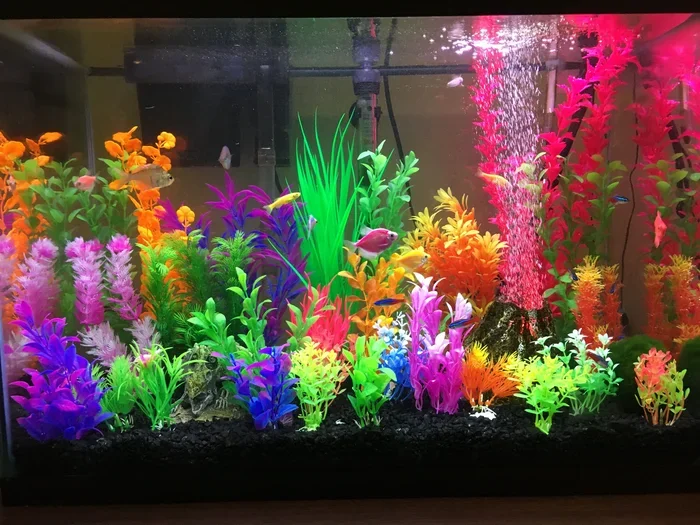
Plants, caves, and decorations give your betta places to retreat. When a fish feels safe, it is less likely to act aggressively. Live plants work especially well because they break up sightlines.
3. Avoid Reflections
Bettas often flare at their own reflection. This wastes energy and causes stress. Use matte-finish tank backgrounds to reduce reflections. You can also adjust the lighting to minimize glare.
4. Choose Tank Mates Carefully
If you want to keep your betta with other fish, pick peaceful species. Avoid fish with bright colors or long fins. Good options include corydoras catfish, snails, and small tetras. For more on this topic, check out our guide on are male betta fish compatible with other fish.
5. Maintain Water Quality
Clean water keeps your betta healthy and calm. Test the water regularly. Do partial water changes weekly. Keep the temperature between 76 and 82 degrees Fahrenheit. A healthy fish is a less aggressive fish.
Quick Tips for a Peaceful Betta Tank
- Keep the tank in a quiet area away from loud noises.
- Feed your betta a varied diet to reduce boredom.
- Do not tap on the glass or shine bright lights suddenly.
- Use a gentle filter to avoid strong currents.
- Observe your fish daily for early signs of stress.
Can Male and Female Betta Fish Live Together?
This is one of the most asked questions in the betta community. The answer is complicated. Are male and female betta fish compatible? Sometimes, but it requires careful planning.
Male and female bettas can live together under specific conditions. This setup is often called a “breeding tank” arrangement. But it comes with risks.
During breeding, the male builds a bubble nest and the female releases eggs. After breeding, you must remove the female because the male may become very aggressive. He will guard the eggs and may attack the female if she stays too close.
Outside of breeding, keeping a male and female together in a community tank is risky. The male may see the female as a threat or a target. Even if they seem fine at first, aggression can spike unexpectedly.
For more information on this topic, read our article on are male and female betta fish compatible to understand the risks better.
If you want to keep multiple bettas, a female sorority is usually a safer option than mixing males and females. Just make sure your tank is large enough with plenty of hiding spots.
Why Are Male Betta Fish So Aggressive?
To truly understand betta fish aggression, we need to look at history. Male bettas, or Betta splendens, were originally bred in Thailand for fighting contests. People would place two males in a tank and watch them battle.
Over generations, the most aggressive males were bred together. This created a fish with strong territorial instincts and a fighting spirit. That genetic history is still alive in every male betta today.
Even though modern bettas are now pets and not fighters, the instincts remain. A male betta does not need to fight for survival. But his body and brain are still wired to defend territory and show dominance.
Understanding this history helps you have more patience with your male betta. His aggression is not personal. It is natural. And with the right setup, you can manage it effectively.
Common Mistakes That Increase Betta Aggression
Many betta owners accidentally make their fish more aggressive. Here are mistakes to avoid:
- Too small a tank: A cramped space makes every fish feel threatened.
- Wrong tank mates: Adding bright, flashy fish triggers territorial responses.
- No hiding spots: Fish with nowhere to hide feel constantly on edge.
- Overcrowding: Too many fish create competition for space and food.
- Ignoring water quality: Dirty water stresses fish and raises aggression.
- Disturbing the tank too much: Constant tapping or bright lights keep fish on alert.
Avoiding these simple mistakes can transform your betta from aggressive to calm. It all comes down to creating a comfortable environment.
Expert Insights on Betta Aggression
Experienced fish keepers agree on a few key points about betta fish behavior:
- Every betta has its own personality. Some males are docile, and some females are feisty.
- Aggression levels can change with age. Older bettas may become less active but more territorial.
- Color and fin length can affect aggression. Fish with longer fins may be targeted more often.
- Environmental factors matter more than genetics in many cases.
- Proper tank setup can reduce aggression by up to 70 percent.
These insights come from years of hands-on experience. The takeaway is clear: you have more control over aggression than you might think.
Final Thoughts
So, are male or female betta fish more aggressive? Males are generally more aggressive, but females are far from passive. Both sexes have their own brand of territorial behavior, and both need the right environment to thrive.
The key is understanding your fish. Watch their behavior. Learn their triggers. Set up their tank to minimize stress. With the right care, even the most aggressive betta can become a peaceful, beautiful addition to your home.
Whether you keep a male solo or a female sorority, the effort you put into their environment pays off. Happy fish are less aggressive fish. And happy fish make for a happier owner.
If you are still deciding between a male and female, check out our guide on which is better male or female betta fish for more personalized advice.
Frequently Asked Questions
Are male betta fish always aggressive?
Not always. While males are naturally more aggressive, individual personality plays a big role. Some males are calm and laid-back, while others are highly territorial. Proper tank setup and care can significantly reduce aggression in any male betta.
Can female betta fish live together peacefully?
Yes, female bettas can live together in what is called a sorority. However, they need a tank of at least 20 gallons with plenty of hiding spots. Even with the right setup, some chasing and nipping is normal as they establish their hierarchy.
Why does my betta fish flare at me?
Betta fish flare when they see a threat or a reflection. Your fish may be seeing its own reflection in the glass or reacting to your presence near the tank. Flaring is a natural behavior and usually not a cause for concern unless it happens constantly.
Are betta fish more aggressive in small tanks?
Yes, small tanks increase aggression in bettas. Limited space makes fish feel trapped and territorial. A minimum of 5 gallons for a single betta and 20 gallons or more for a sorority helps keep aggression levels low.
Do male and female betta fish fight?
They can, especially in confined spaces. Males are highly territorial and may attack females outside of breeding. Even females can fight each other in small groups. Proper tank size and layout reduce the chances of fighting significantly.
How can I tell if my betta fish is stressed or aggressive?
Watch for signs like constant flaring, fin nipping, color darkening, refusing food, or hiding excessively. These behaviors indicate stress or aggression. Improving water quality, adding hiding spots, and reducing tank disturbances can help calm an stressed betta.