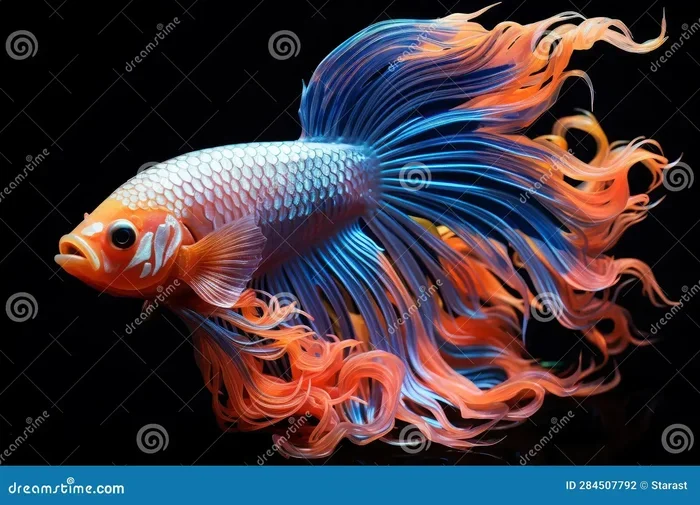
Are Betta Fish Scared of the Dark
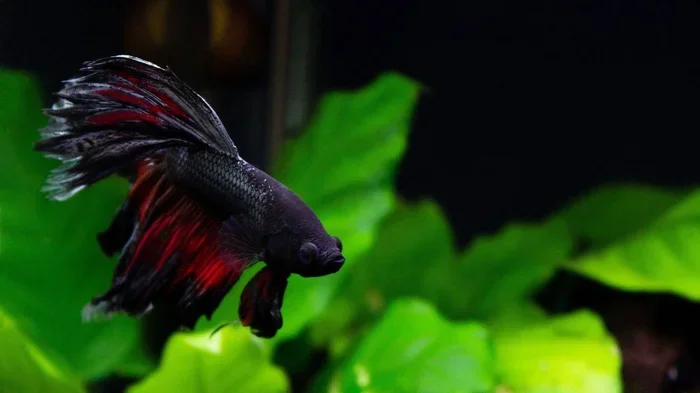
Betta fish are not truly scared of the dark. In the wild, they live in murky, low-light waters and feel perfectly safe at night. They do need a regular light cycle to stay healthy, but total darkness is natural and even beneficial. Understanding how bettas respond to dark environments helps you create a better home for your fish.
Key Takeaways
- Betta fish are not afraid of the dark: They naturally live in dim, murky waters and feel comfortable without light at night.
- Darkness helps them rest: Betta fish need darkness to sleep properly and maintain their health.
- A consistent light cycle is key: Keep the aquarium light on for 8 to 12 hours a day and turn it off at night.
- Sudden changes in light can stress bettas: Always transition slowly between light and dark conditions.
- You can leave betta fish in the dark temporarily: Short periods of darkness are perfectly safe and natural.
- Betta fish vision adapts to low light: They can navigate their tank even without artificial lighting.
- Too much light is worse than too little: Excess light causes stress, algae growth, and sleep disruption.
📑 Table of Contents
- Are Betta Fish Scared of the Dark?
- The Importance of a Light Cycle for Betta Fish
- Are Betta Fish Afraid of the Dark or Just Uncomfortable?
- Do Betta Fish Sleep in the Dark?
- Common Mistakes About Lighting and Darkness
- How to Create a Comfortable Environment for Your Betta at Night
- The Truth About Betta Fish and Darkness
Are Betta Fish Scared of the Dark?
If you own a betta fish, you might wonder about betta fish behavior when the lights go out. Do they panic? Do they hide? The short answer is no. Betta fish are not scared of the dark. In fact, darkness plays an important role in their daily routine.
Betta fish come from Southeast Asia. They live in rice paddies, slow-moving streams, and floodplains. These environments are often murky and dim. Over thousands of years, bettas have adapted to low-light conditions. Their natural habitat is far brighter than a pitch-black room, but it is still much darker than a lit aquarium during the day.
Understanding how bettas respond to dark environments is one of the most important parts of caring for them. Many new fish owners worry when they see their betta sitting still or hiding when the lights go off. But this is completely normal behavior. Your fish is simply resting.
In this guide, we will cover everything you need to know about betta fish and darkness. We will look at their natural habits, their vision, their sleep patterns, and how to set up the perfect light cycle. By the end, you will feel confident about keeping your betta happy and healthy in any lighting condition.
What Do Betta Fish Do When It Gets Dark?
When the light fades, betta fish start to slow down. Their activity level drops. They may find a quiet spot and rest. Some bettas like to hover near plants or rest on the substrate at the bottom of the tank. This is not a sign of fear. It is a sign of relaxation.
In the wild, bettas are most active during dawn and dusk. They hunt for food during these times. At night, they rest. This pattern follows the natural light cycle of their environment. Your aquarium should mimic this cycle as closely as possible.
Here is what you can expect from your betta at night:
- Reduced movement: Your betta will swim less and rest more.
- Color fading: Bettas often look paler in the dark. This is normal and not a cause for concern.
- Hiding behavior: Some bettas will tuck themselves behind plants or decorations.
- Slow breathing: Their gill movement slows down as they enter a restful state.
If your betta does all of these things, it is a good sign. It means your fish feels safe and secure. A betta that is truly stressed might dart around the tank or gasp at the surface. Those are signs you should pay attention to.
Can Betta Fish See in the Dark?
Can betta fish see in the dark? The answer is yes, to a degree. Betta fish have monocular vision, which means each eye works independently. This gives them a wide field of view. They can detect movement and shadows even in low-light conditions.
However, bettas do not have great night vision. They are not designed to navigate a completely dark tank with ease. That said, they do not need to. Their natural habitat is never fully dark. There is always some ambient light filtering through the water, whether from the moon or surrounding vegetation.
Here are some tips for helping your betta navigate the tank at night:
- Use a small night light: A dim LED light can help your betta feel more comfortable.
- Avoid sudden light changes: Do not flip the room light on suddenly if the tank is dark.
- Keep the tank in a room with natural light: Ambient room light helps your betta adjust between day and night.
Most bettas do just fine without any night light at all. If your room is very dark, a tiny ambient light near the tank can help. But it is not a requirement. Can you leave betta fish in the dark overnight? Absolutely. They are well adapted to it.
The Importance of a Light Cycle for Betta Fish
While betta fish are not scared of the dark, they do need a consistent light cycle to thrive. A light cycle is the pattern of light and darkness your fish experiences each day. It affects their sleep, appetite, mood, and overall health.
Why a Light Cycle Matters
Betta fish have a natural circadian rhythm. This is an internal clock that tells them when to be active and when to rest. Without a proper light cycle, this clock gets disrupted. The result can be stress, poor sleep, and a weakened immune system.
A good light cycle for betta fish includes the following:
- Lights on for 8 to 12 hours a day. This mimics the natural daylight in their habitat.
- Lights off for 12 to 16 hours a day. This gives them time to rest and recover.
- Consistent timing every day. Try to turn the lights on and off at the same time each day.
You can use a simple timer plug to automate this. It takes the guesswork out of the process. Your fish will appreciate the routine.
What Happens When the Light Cycle Is Wrong?
Too much light can be just as harmful as too little. Here are some problems that come from an improper light cycle:
- Stress and anxiety: Bettas kept under bright lights 24/7 become overstimulated and restless.
- Sleep deprivation: Without darkness, bettas cannot properly rest. This weakens their health over time.
- Algae growth: Excess light promotes algae in the tank, which makes the water harder to keep clean.
- Loss of color: A stressed betta may lose its vibrant colors and look faded or dull.
On the other hand, too little light can also cause issues. Bettas need some light to maintain their natural colors and to stay active during the day. The key is balance. A consistent day-and-night pattern keeps your betta healthy and comfortable.
Quick Tips for the Perfect Light Cycle
- Use a timer to automate your lights on and off.
- Choose a soft, warm-toned LED light for your aquarium.
- Place the tank in a room that gets natural light during the day.
- Avoid putting the tank near a window with direct sunlight.
- Keep the room dim at night but not completely pitch black if possible.
Are Betta Fish Afraid of the Dark or Just Uncomfortable?
There is a big difference between being scared and being uncomfortable. Betta fish are not scared of the dark. But they can become uncomfortable if the darkness comes with other problems. For example, a sudden power outage that turns off the tank filter might stress your betta. The darkness itself is not the issue. The change in conditions is.
Are betta fish afraid of the dark? No. But they are sensitive to rapid changes in their environment. A betta that has lived in a stable tank with a regular light schedule will feel safe at night. A betta that experiences sudden drops in temperature or water quality when the lights go out might show signs of distress.
Here are some signs that your betta is uncomfortable, not scared:
- Gasps at the surface: This usually means the water quality is poor, not that the fish fears the dark.
- Clamped fins: Fins held close to the body can signal stress from water parameters.
- Hiding constantly: If your betta hides all the time, even during the day, something else may be wrong.
- Loss of appetite: A betta that stops eating may be stressed or ill, not afraid of the dark.
If you notice these signs, check your water parameters first. Test the ammonia, nitrite, nitrate, and pH levels. Are betta fish tolerant of ammonia? Not really. Ammonia is toxic to bettas even in small amounts. Poor water quality is far more dangerous to your fish than any amount of darkness.
Betta Fish Vision and How It Works in Low Light
Betta fish have interesting eyes. They can see colors, including ultraviolet light. Their vision is adapted for both bright and dim conditions. In low light, their pupils dilate to let in more light. This helps them navigate the tank at night.
However, bettas rely more on their other senses than on vision in the dark. They use their lateral line, a special sense organ that runs along their body. This organ detects vibrations and movement in the water. It helps them sense their surroundings even when visibility is low.
Can my betta fish see in the dark? They can see better than we give them credit for. But they do not need perfect vision to feel safe. Their other senses pick up where vision leaves off.
Do Betta Fish Sleep in the Dark?
Yes. Betta fish do sleep in the dark. In fact, darkness is essential for their sleep cycle. A betta that does not get enough darkness may become irritable and unhealthy. Sleep allows their body to recover and their immune system to stay strong.
You might notice your betta floating near the surface or resting on a plant leaf at night. Some bettas even tuck themselves into the gravel. All of these are normal sleeping positions. Do not be alarmed if your betta looks like it is not moving at all. It is probably just sleeping deeply.
How to Tell If Your Betta Is Sleeping or Stressed at Night
It is important to know the difference between a sleeping betta and a stressed one. Here is a simple comparison:
| Sleeping Betta | Stressed Betta |
|---|---|
| Still but relaxed body | Rapid or erratic movement |
| Normal breathing rate | Gasping at the surface |
| May rest on plants or substrate | Hiding in corners constantly |
| Normal color when light returns | Faded or pale color persists |
| Responds to food in the morning | Refuses food |
A sleeping betta will wake up when the lights come on and start swimming normally. A stressed betta may take longer to become active or may show signs of distress throughout the night.
Common Mistakes About Lighting and Darkness
Many betta fish owners make mistakes when it comes to managing light and dark in the aquarium. Here are some of the most common ones:
Leaving the Tank Light On All Night
Some owners leave the aquarium light on 24 hours a day. They think it looks nice or helps them see the fish. But this is harmful. Constant light disrupts the betta’s sleep cycle. It also promotes algae growth, which degrades water quality. Always turn the lights off at night.
Using Bright White Lights at Night
If you want to view your betta at night, do not use a bright white light. This will startle your fish and disrupt its rest. Use a dim blue or red night light if you must. Better yet, just enjoy watching your betta during the day when it is naturally active.
Moving the Tank to a Dark Room Without Transition
If you move your betta’s tank to a darker room, do it gradually. Sudden changes in lighting can shock your fish. Give your betta a few days to adjust to the new environment. Monitor its behavior and appetite during this transition period.
Expert Insight
What do experienced betta keepers say about darkness? Most experts agree that betta fish thrive with a natural day-night cycle. A dark period of 10 to 12 hours is ideal for most tanks. If you are ever in doubt, err on the side of more darkness rather than more light. Your betta will thank you for it.
How to Create a Comfortable Environment for Your Betta at Night
Creating the right nighttime environment is easy. It comes down to a few simple steps. Follow these guidelines and your betta will feel safe and relaxed every night.
Step-by-Step Nighttime Setup
- Use a timer for your aquarium light. Set it to turn off 8 to 12 hours after it turns on.
- Keep the room dim but not completely dark. A small ambient light in the room works well.
- Make sure the water temperature stays stable. Nighttime temperature drops can stress your betta. Use a heater if needed.
- Add live plants or decorations. These give your betta places to rest and feel secure in the dark.
- Keep the water clean. Regular water changes prevent stress and illness, day or night.
Can you leave your betta fish in the dark? Yes. You can leave your betta in the dark overnight, during the day while you are at work, or for short periods while you are away. Darkness is a natural part of your betta’s world. It is not something to fear or avoid.
If you are planning to be away from home for a few days, you do not need to leave the tank light on. A timer will handle the light cycle for you. Just make sure the filter and heater are working properly before you leave. Can betta fish survive in the dark for extended periods? Yes, as long as the water parameters remain stable.
The Truth About Betta Fish and Darkness
Let us put this to rest once and for all. Betta fish are not scared of the dark. They are built for it. Their ancestors lived in shallow, warm waters where the light barely reached the bottom. Over generations, they became perfectly suited to low-light living.
When you understand this, caring for your betta becomes much simpler. You do not need to keep the lights on all the time. You do not need to worry when your betta goes quiet at night. You just need to provide a consistent routine and a clean, stable environment.
Are betta fish scared of the dark? No. They are calm, adaptable, and resilient. A little darkness is not just safe for your betta. It is essential. Give your fish the light cycle it needs, keep the water clean, and watch your betta thrive.
Remember, a happy betta is a well-rested betta. Darkness gives them that rest. Embrace it as part of their natural world, and you will see the difference in your fish’s behavior, color, and energy. A little nighttime darkness is one of the simplest and best gifts you can give your betta fish.
Frequently Asked Questions
Are betta fish afraid of the dark?
No, betta fish are not afraid of the dark. They naturally live in dim, murky waters and feel comfortable without light at night. Darkness is a normal and important part of their daily routine.
Can you leave betta fish in the dark overnight?
Yes, you can leave betta fish in the dark overnight. They need darkness to sleep and recover. In fact, turning off the tank light at night is recommended for their health and well-being.
Can betta fish see in the dark?
Betta fish have limited night vision but can detect movement and shadows in low light. They also rely on their lateral line sense to navigate the tank at night. They do not need bright light to feel safe in the dark.
How many hours of darkness do betta fish need?
Betta fish need 10 to 12 hours of darkness each day. This allows them to rest properly and maintain a healthy sleep cycle. Use a timer to keep the light schedule consistent every day.
Do betta fish sleep better in the dark?
Yes, betta fish sleep much better in the dark. Darkness signals their body to rest. A betta that gets enough dark time will be more active, colorful, and healthy during the day.
What happens if a betta fish is kept in the dark too long?
Keeping a betta in complete darkness for too long can cause stress and health issues. They still need some ambient light during the day to maintain their circadian rhythm and keep their colors vibrant. Balance is key.