Can Betta Fish Do Tricks
Can betta fish do tricks? Absolutely! Betta fish are intelligent and can learn a variety of fun behaviors with the right training. This guide covers easy tricks, training techniques, and common mistakes to avoid.
Many hobbyists assume fish just swim around with no thoughts. But betta fish are far more curious and alert than most people realize. They can recognize their owner, follow movement, and even respond to sounds. So, can betta fish do tricks? The answer is yes, and it’s easier than you might think. With a little patience, you can teach your betta to perform simple behaviors that showcase their intelligence. Training a betta fish is a rewarding way to bond with your pet and keep them mentally stimulated.
If you’ve ever wondered can you train a betta fish to do tricks, you’re not alone. Plenty of owners have successfully taught their fish to follow a finger, jump for food, and even push a small ball. The secret lies in understanding how bettas learn and using the right motivation. This guide walks you through everything you need to know, from the easiest tricks to the science behind their learning ability.
Key Takeaways
- Positive reinforcement works best: Use tiny food rewards to encourage your betta.
- Keep sessions under 5 minutes: Short, fun training prevents stress and maintains focus.
- Start with simple tricks: Following a target or jumping for food builds confidence.
- Use a consistent cue: Repeat the same signal so your betta learns to connect the action with the reward.
- Avoid overfeeding: Training treats should be a tiny part of their daily diet.
- Patience is essential: Every betta learns at their own pace.
- Never force participation: Let your fish choose to engage, and the training will be more successful.
📑 Table of Contents
What Tricks Can Betta Fish Learn?
Betta fish can learn a surprising range of actions when you break the process into small steps. The key is to choose tricks that match their natural behaviors. For example, bettas are already curious and will investigate moving objects. That makes target training a perfect starting point. If you want a full list of ideas, check out our guide on tricks you can teach a betta fish for more inspiration.
Easy Tricks for Beginners
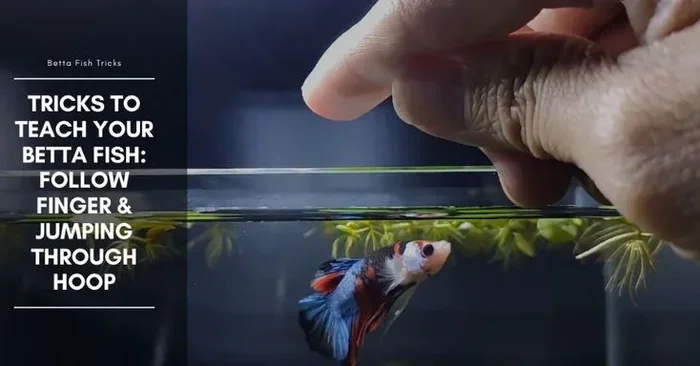
- Following a target: Hold a small stick or your finger near the water surface. When your betta swims toward it, reward them immediately with a tiny bloodworm.
- Jumping for food: Hold a floating pellet just above the water. Your betta will eventually leap up to grab it. This trick works well because bettas naturally gulp air at the surface.
- Swimming through a ring: Use a small hoop made from a pipe cleaner. Lower it into the tank and guide your fish through with a food cue.
Advanced Tricks for Patient Trainers
Once your betta masters the basics, you can move on to more complex behaviors. These require longer training sessions and a higher level of trust. Always watch for signs of stress, and stop if your fish seems tired.
- Pushing a small ball: Place a tiny, buoyant ball in the tank. Tap the water near it to attract your betta, then reward any push.
- Jumping through a hoop: Gradually raise a hoop above the water surface. Start low and increase the height over several weeks.
- Spinning in a circle: Use a target to lure your betta in a full circle before giving the reward.
Quick Tip: Always end a training session on a successful note, even if you have to repeat an easy trick. This keeps your betta eager for the next session.
How to Teach Your Betta Fish Tricks
Before you start, I recommend reading our article on how to teach your betta fish tricks for a complete step-by-step plan. The core method is simple: signal, action, reward. You’ll need a quiet environment, a small treat, and a consistent cue. Here’s how to set up a successful training routine.
Use Positive Reinforcement
Positive reinforcement is the most effective way to train a betta fish. The moment your fish performs the desired behavior, give them a tiny food reward. This creates a clear connection between the action and the positive outcome. Never punish or scare your betta, as that will destroy trust and make training impossible.
Keep Sessions Short and Fun
Bettas have short attention spans. Aim for 2 to 5 minute sessions, no more than twice a day. Long sessions lead to frustration and fatigue. Watch for signs like slower movement or lack of interest, and stop immediately. Short, frequent practice is far more effective than one long, exhausting session.
Build a Consistent Routine
Train at the same time each day so your betta starts to anticipate the activity. Use the same hand signal or target stick every time. Consistency helps the fish understand exactly what you want. Over time, your betta will begin to associate the cue with the trick and the reward.
Expert Insight: Bettas are intelligent enough to remember signals for weeks. Many owners report that their fish perform tricks even after a break, which shows they retain what they’ve learned.
The Science Behind Betta Fish Intelligence
Understanding how bettas think can make your training more effective. Their brains are small, but they are capable of basic learning and memory. Bettas have evolved to navigate complex environments, hunt prey, and remember safe hiding spots. This natural problem-solving ability is what makes trick training possible.
Do Betta Fish Have Memory?
Yes, bettas can form associative memories. They learn to connect a specific visual or movement cue with a food reward. Studies show that fish can remember these associations for months. That’s why a betta can “remember” a trick weeks after last practicing it. The memory isn’t perfect, but it’s strong enough for regular training.
How Training Stimulates Their Brains
Training provides mental enrichment, which is just as important as a clean tank and proper diet. A bored betta may become lethargic or show repetitive behaviors. Trick training engages their natural curiosity and keeps them active. It also strengthens the bond between you and your fish, making them more responsive over time.
| Trick | Difficulty | Time to Learn | Best For |
|---|---|---|---|
| Following a target | Easy | 1–2 weeks | Beginners |
| Jumping for food | Easy | 1–3 weeks | Hungry bettas |
| Swimming through a ring | Medium | 2–4 weeks | Patient owners |
| Pushing a small ball | Medium | 3–6 weeks | Active bettas |
| Jumping through a hoop | Hard | 6–8 weeks | Experienced trainers |
Common Mistakes to Avoid When Training
Even the most enthusiastic owner can make errors that slow down progress. Knowing what not to do is just as important as knowing what to do. Here are the most common mistakes and how to fix them.
Overfeeding During Training Sessions
It’s tempting to give too many treats to keep your betta motivated. But overfeeding leads to health problems like bloating and poor water quality. Use just one or two tiny food pieces per session. You can also use a portion of their regular daily meal as the training reward.
Expecting Too Much Too Soon
Patience is the biggest factor in successful training. If you expect your betta to perform a complex trick in a day, you’ll both get frustrated. Break each trick into tiny steps and reward any progress toward the final behavior. This gradual approach is called shaping, and it works beautifully with bettas.
Ignoring Stress Signals
A stressed betta will not learn. Watch for clamped fins, rapid breathing, or hiding. If you see these signs, stop the training and give your fish a break. Always ensure the tank water is clean and the environment is calm before you start a session.
Fun Tricks You Can Try at Home
Now it’s time to put theory into practice. These are some of the most popular and entertaining tricks you can teach your betta. All you need is a little patience and a handful of tiny treats.
Target Training is the foundation of almost every trick. Hold a small item like a chopstick tip just above the water. When your betta touches it with their mouth, immediately give a food reward. After a few days, your betta will follow the target wherever you move it. This simple skill opens the door to many other behaviors.
Jumping for Food takes advantage of a betta’s natural feeding behavior. Hold a floating pellet just at the water surface. At first, your betta might just glance at it. After a few days, they’ll start to rise higher. Eventually, they may leap out of the water slightly to grab the pellet. Never force a jump; let your fish decide when they’re ready.
Pushing a Small Ball is a crowd-pleaser. Place a tiny, lightweight ball in the tank. Use the target stick to guide your betta toward it. When they bump it with their nose or mouth, reward them instantly. With practice, your betta will learn to push the ball on command.
Quick Tip: Always use a separate container for training if you want to keep the main tank clean. A small plastic tub with a few inches of tank water works perfectly. Just make sure the water temperature matches the main tank.
Conclusion
So, can betta fish do tricks? Without a doubt, yes. They are curious, intelligent creatures that can learn a wide range of fun behaviors. Start with simple tricks like following a target or jumping for food, and always use positive reinforcement. Keep training sessions short, stay patient, and never overfeed. The goal is to enrich your betta’s life and strengthen your bond. With the right approach, you’ll be amazed at what your fish can learn. Give it a try, and enjoy the journey of discovering your betta’s hidden talents.
Frequently Asked Questions
Can betta fish really do tricks?
Yes, betta fish can learn tricks through positive reinforcement. They are intelligent enough to associate a signal with a reward. Simple tricks like following a target or jumping for food are achievable for most owners.
What is the easiest trick to teach a betta fish?
Following a target is the easiest trick to start with. You just need a small stick or your finger near the water surface. When the betta touches it, immediately give a tiny food reward. They usually learn this within a week or two.
How long does it take to train a betta fish?
The time varies depending on the trick and the individual fish. Easy tricks like target training can be learned in 1 to 2 weeks. More complex tricks like jumping through a hoop may take 6 to 8 weeks of consistent practice.
Can you overtrain a betta fish?
Yes, overtraining can stress your fish. Keep sessions to 2 to 5 minutes, no more than twice a day. Watch for signs of fatigue or disinterest, and stop immediately. Short, positive sessions are far better than long, exhausting ones.
What treats work best for training?
Tiny pieces of bloodworm, brine shrimp, or a small portion of their regular pellet work great. The treat should be so small that it takes just a second to eat. This keeps the training pace fast and the betta motivated.
Do betta fish recognize their owner during training?
Many owners report that their bettas become more responsive to them over time. While bettas don’t recognize faces like humans, they can learn to associate a specific person with feeding and training. This often leads to more active and engaged behavior during sessions.