Are Betta Fish Supposed to Be Active

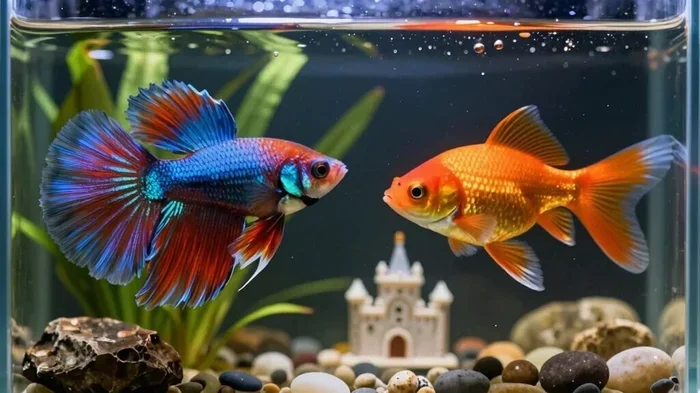
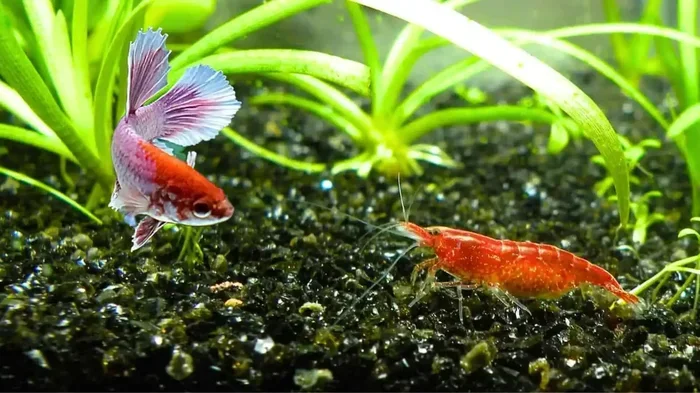
Yes, betta fish are supposed to be active. A healthy betta should swim around its tank, explore decorations, and respond to its environment. If your betta fish activity level seems low, it could signal stress, poor water quality, or a health issue that needs attention.
Betta fish are some of the most colorful and fascinating pets you can keep at home. Their flowing fins and bright colors make them a joy to watch. But many new fish owners ask one big question: are betta fish supposed to be active? The short answer is yes. A healthy betta should move around its tank with purpose and energy. If your fish seems too still or too restless, something might be off. In this guide, we will cover everything you need to know about betta fish behavior, what normal activity looks like, and how to keep your fish thriving.
Understanding your betta’s activity level is one of the best ways to catch problems early. Fish cannot tell you when something feels wrong. But their behavior gives you clear clues. Whether you are a first-time fish owner or a seasoned hobbyist, this article will help you read your betta’s signals and respond the right way. Let us dive in and explore what makes your betta tick.
Key Takeaways
- Normal betta behavior: Bettas should swim actively, explore their tank, and react to their surroundings throughout the day.
- Activity varies: Bettas have natural sleep cycles and may rest more at night or after meals.
- Water quality matters: Poor water conditions can make bettas lethargic and less active.
- Tank setup affects energy: The right tank size, temperature, and decorations encourage natural movement.
- Watch for warning signs: A suddenly inactive betta may be sick or stressed and needs prompt care.
- Stimulation helps: Adding plants, caves, and proper feeding keeps bettas mentally and physically engaged.
📑 Table of Contents
What Normal Betta Activity Looks Like
Before you worry about your fish being too still, you need to know what normal betta behavior actually looks like. Every betta has its own personality. Some are zoomies machines, while others are more chill. But there are clear signs of a healthy, active betta that you should expect to see daily.
Swimming Patterns
A healthy betta should swim around its tank regularly. You will see your fish exploring every corner, gliding past plants, and checking out decorations. Betta fish swimming patterns should be smooth and steady. Your fish should not be struggling to stay upright or dragging its fins behind it. If the swimming looks graceful and natural, that is a great sign.
Bettas also like to hover near the surface. They are labyrinth fish, which means they breathe air from the top of the tank. So seeing your betta dart up to the surface for a gulp of air is completely normal. This is part of their daily routine and nothing to worry about.
Exploring and Interacting
Active bettas investigate their environment constantly. They will check out new plants, swim through caves, and even watch you from across the room. Betta fish behavior includes a healthy curiosity about their surroundings. If your fish ignores everything and stays hidden all day, that could be a red flag.
Some bettas even seem to recognize their owners. They may swim to the front of the tank when you approach. This kind of interaction shows a confident, alert fish that feels safe in its home. Providing the right environment plays a big role in encouraging this natural betta fish activity level.
Why Your Betta Might Be Less Active
Now that you know what normal looks like, let us talk about the reasons a betta might become less active. A lazy betta is not always a sick betta, but it is worth paying attention to. Several factors can cause a drop in energy.
Water Temperature Issues
Betta fish sensitive to water temperature is one of the most common reasons for low activity. Bettas are tropical fish and need warm water to stay healthy and energetic. The ideal temperature range is between 76 and 82 degrees Fahrenheit. If the water is too cold, your betta will become sluggish and may barely move.
On the flip side, water that is too hot can also cause stress. Rapid temperature swings are especially dangerous. Always use a reliable aquarium heater and a thermometer to keep conditions stable. Are betta fish supposed to be in warm water? Absolutely. Warm water keeps their metabolism running at a healthy pace, which directly impacts how active they are.
Poor Water Quality
Dirty water is one of the biggest enemies of an active betta. Ammonia and nitrite buildup can make your fish feel terrible. Signs of poor water quality include lethargy, loss of appetite, and clamped fins. Regular water changes and proper filtration are essential.
Do betta fish have to be in a filtered tank? Yes, they do. A filter helps remove harmful toxins and keeps the water clean. But not all filters are created equal. Some water filters are too strong for betta fish and create currents that exhaust them. Choose a gentle filter or baffle the output to keep the flow manageable.
Overfeeding or Poor Diet
Feeding your betta too much can lead to bloating and lethargy. A bloated fish will swim less and rest more. It is important to follow a proper feeding schedule for betta fish. Small portions, once or twice a day, are all your betta needs.
Are you supposed to feed betta fish every day? Yes, but in small amounts. Overfeeding is one of the most common mistakes new owners make. Uneaten food also fouls the water quickly, which compounds the problem. Stick to high-quality betta pellets and occasional treats like bloodworms for a balanced diet.
Lack of Stimulation
Believe it or not, bettas can get bored. A bare tank with nothing to explore will not keep your fish mentally stimulated. Betta fish boredom can lead to lethargy and even depression. Adding live plants, caves, and hiding spots gives your fish things to do.
Live plants are especially great because they also help keep the water clean. Plants like java moss or Amazon sword create a natural environment that encourages exploration. Your betta will swim through leaves, investigate roots, and feel more at home in a well-decorated tank.
How to Boost Your Betta’s Activity Level
If your betta seems less active than usual, do not panic. There are several things you can do to encourage more movement and play. Small changes to the tank setup and routine can make a huge difference.
Optimize the Tank Environment
The right tank setup is the foundation of an active betta. A tank that is at least 5 gallons gives your fish room to swim. Smaller bowls and cups restrict movement and make fish feel stressed. Here are some quick tips to improve the environment:
- Use a gentle filter to maintain clean water without strong currents.
- Keep the temperature stable between 76 and 82 degrees Fahrenheit.
- Add live or silk plants for hiding spots and exploration.
- Include caves, driftwood, and smooth decorations.
- Avoid sharp plastic plants that can tear delicate fins.
These simple steps create a space where your betta feels safe and energized. A stressed fish will hide and stay still. A comfortable fish will want to explore.
Provide Mental Stimulation
Just like any pet, bettas need mental engagement. You can encourage activity by adding variety to their environment. Rearranging decorations occasionally gives your fish something new to investigate. Some owners even use a mirror briefly to spark natural territorial behavior, but this should be done sparingly.
Betta fish exercise also comes from natural curiosity. Floating toys or a slow-moving current can entice your fish to swim more. The key is to make the tank interesting without overwhelming your fish. A well-stimulated betta will display its full range of natural behaviors.
Maintain a Consistent Routine
Bettas thrive on routine. Feeding at the same times each day and performing regular maintenance helps your fish feel secure. A predictable environment reduces stress and promotes natural betta fish activity levels. Try to feed your betta in the morning and evening, and perform partial water changes weekly.
Consistent care also helps you spot changes early. If your usually active betta suddenly becomes very still, you will notice right away. Early detection of problems leads to better outcomes and a healthier fish.
When to Worry About Your Betta’s Activity
Not all inactivity is cause for alarm. Bettas sleep, rest, and take breaks throughout the day. But there are times when low activity signals a real problem. Knowing the difference between normal rest and a health issue is critical.
Signs of a Healthy Resting Betta
Your betta might rest on a leaf, sit on the tank floor, or float in one spot for a while. This is normal, especially at night. Bettas need sleep just like we do. A resting betta will still respond when you tap gently on the glass or approach the tank. Their colors may look slightly faded while resting, but they should brighten up when awake.
Warning Signs That Need Attention
Watch for these signs that your betta’s inactivity is a problem:
- Staying at the bottom of the tank for hours without moving.
- Not responding to food or ignoring meals entirely.
- Clamped fins held close to the body.
- Labored breathing or gasping at the surface.
- Visible spots, fungus, or fin rot on the body or fins.
- Swimming sideways or struggling to stay upright.
If you notice any of these signs, test your water parameters immediately. Check the temperature and look for any recent changes in the tank. Sometimes a simple water change and temperature adjustment are all it takes. Other times, your fish may need medication or a visit to a fish vet.
Are betta fish prone to getting stuck and dying in certain situations? Yes, poor water conditions and untreated illnesses can be fatal. This is why monitoring your fish’s activity level every day is so important. Catching problems early gives your betta the best chance of a full recovery.
Betta Activity and Tank Mates
Some owners wonder if adding tank mates will change their betta’s behavior. The truth is, bettas have different social needs. Most bettas do best alone, but the right tank mates can provide stimulation without causing stress.
Are betta fish meant to be alone? Many bettas are, yes. They are territorial and can become aggressive toward other fish. However, some peaceful community fish can coexist with bettas in larger tanks. Snails and certain bottom-dwelling fish are often good companions. Just be cautious and monitor interactions closely.
Are black mollies ok to live with betta fish? They can be, but it depends on the individual betta’s temperament. Always have a backup plan in case the fish do not get along. The goal is to create a harmonious environment where your betta feels secure enough to be active and display natural behaviors.
Common Mistakes That Reduce Betta Activity
Avoid these common pitfalls that can zap your betta’s energy and enthusiasm:
- Keeping the tank too small. A tiny bowl restricts movement and causes stress. Always go for at least a 5-gallon tank.
- Skipping water changes. Dirty water leads to toxins that make fish sluggish and sick.
- Overfeeding. Excess food clouds the water and causes bloating, which makes fish lethargic.
- Using the wrong filter. A powerful filter creates strong currents that tire out your betta.
- Ignoring temperature. Cold water slows down your betta’s metabolism and reduces activity.
- No decorations or plants. A bare tank offers no stimulation and can lead to boredom.
- Placing the tank in a noisy or high-traffic area. Constant vibrations and shadows stress bettas out and make them hide.
Steering clear of these mistakes sets your betta up for a happy, active life. Small adjustments to your care routine can lead to big improvements in your fish’s energy and overall well-being.
Final Thoughts
Are betta fish supposed to be active? Without a doubt, yes. A healthy betta should swim, explore, and interact with its environment daily. Activity is one of the clearest indicators of your fish’s overall health and happiness. By paying attention to your betta’s activity level, you can catch problems early and provide the best care possible.
Keep the water warm and clean, feed properly, and give your fish an engaging environment. These simple steps go a long way in keeping your betta vibrant and full of energy. Remember, every betta is different, and some are naturally more active than others. The key is knowing what is normal for your fish and watching for any sudden changes. With the right care, your betta will reward you with years of colorful, active companionship.
Frequently Asked Questions
How active should a betta fish be during the day?
A healthy betta should be active for most of the day, swimming around the tank, exploring decorations, and responding to its environment. Some resting is normal, especially after meals, but prolonged lethargy is a sign that something needs attention.
Why is my betta fish not moving much?
Low activity in bettas can be caused by cold water, poor water quality, overfeeding, or illness. Check the tank temperature first, then test the water parameters. If conditions look good, watch for other symptoms like clamped fins or loss of appetite.
Do betta fish sleep a lot?
Bettas need about 8 to 12 hours of rest per day, similar to humans. They may rest on leaves or sit quietly at the bottom of the tank. This is normal and not a cause for concern as long as your fish is active when awake.
Can a betta fish be too active?
Yes, excessive swimming or frantic behavior can signal stress. This may happen if the water parameters are off, the tank is too small, or there are aggressive tank mates. A stressed betta may also flash or rub against decorations.
What temperature is best for betta fish activity?
The ideal temperature range for bettas is 76 to 82 degrees Fahrenheit. Water that is too cold makes bettas sluggish, while water that is too hot causes stress. A reliable aquarium heater and thermometer help maintain stable conditions.
Does tank size affect how active a betta is?
Absolutely. Bettas need at least a 5-gallon tank to swim comfortably. A small bowl restricts movement and can make fish feel stressed and inactive. A larger, well-decorated tank encourages natural exploration and exercise.