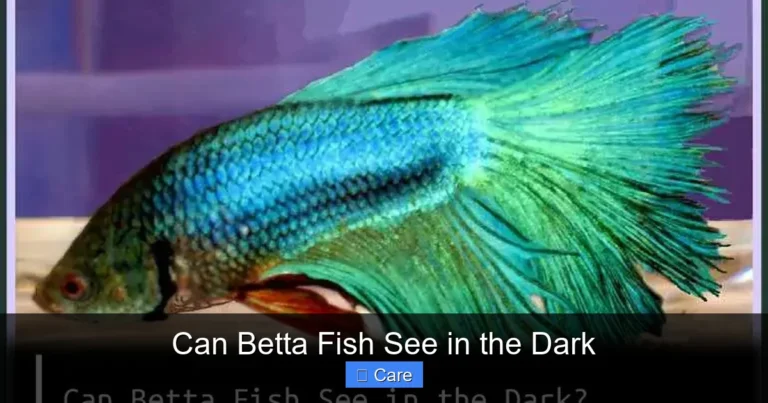
Do Betta Fish Eat Shrimp
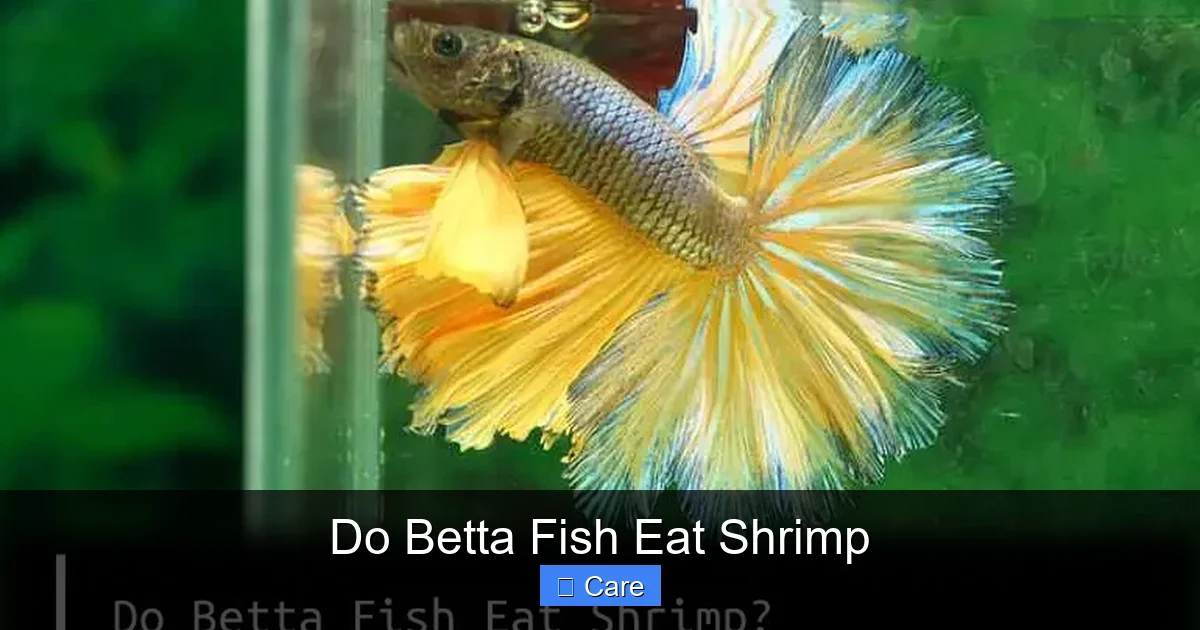
Yes, betta fish will often eat shrimp, but it’s not a simple yes or no answer. Bettas are carnivorous predators with a strong instinct to hunt small, moving creatures like shrimp. Whether they will actually consume a shrimp depends on the betta’s individual temperament, the shrimp’s size and species, and the specific tank environment. While some shrimp like ghost shrimp can sometimes coexist, many popular ornamental shrimp are at high risk. For your betta’s safety and health, it’s generally safer to stick to high-quality commercial foods and occasional safe treats.
Key Takeaways
- Bettas are natural hunters: Their wild diet consists of insects and small crustaceans, so a moving shrimp triggers their predatory instincts.
- Size matters critically: Any shrimp that can fit entirely in your betta’s mouth is a potential meal, regardless of the shrimp’s age.
- Not all shrimp are equal: Hardy, fast-breeding species like Ghost Shrimp have a better chance of survival than colorful, slower varieties like Cherry Shrimp.
- Tank setup is key: A spacious, well-planted tank with hiding spots gives shrimp a fighting chance to evade a curious betta.
- Your betta’s personality is everything: Some bettas are laid-back and ignore tankmates, while others are relentless hunters; you must observe your specific fish.
- Commercial foods are safer: High-quality pellets, frozen, or live foods like daphnia or brine shrimp are nutritionally complete and pose no risk of injury.
- Introduction requires extreme caution: If attempting a mixed tank, a lengthy quarantine and a careful, monitored introduction process is non-negotiable.
📑 Table of Contents
- The Great Betta & Shrimp Debate: A Predator in a Peaceful Box?
- Inside the Betta Mind: Unpacking Natural Instincts
- Shrimp on the Menu: Species and Size Survival Guide
- The Tank Environment: Setting the Stage for Peace (or War)
- Practical Steps: How to (Maybe) Introduce Shrimp to Your Betta
- Nutrition & Alternatives: Feeding Your Betta Properly
- The Verdict: Should You Try It?
The Great Betta & Shrimp Debate: A Predator in a Peaceful Box?
So, you’ve got that stunning, flowing betta fish majestically guarding its territory in a beautiful planted aquarium. The tank looks complete, but something’s missing. A little activity, some color, perhaps another creature to share the space with. Then you see them: tiny, fascinating shrimp, zipping around the bottom or grazing on plants. The thought crosses your mind: “Do betta fish eat shrimp?” It’s one of the most common questions in the betta-keeping world, and the answer is a crucial one for any community tank enthusiast. The short, instinctual answer is yes, betta fish absolutely will eat shrimp. But the real, practical answer is a complex tapestry of biology, behavior, and tank management. Let’s dive deep into the murky waters of this aquatic relationship.
Understanding this dynamic isn’t just about curiosity; it’s about responsible pet ownership. Introducing the wrong shrimp to your betta’s domain can lead to a swift, stressful, and messy end for the shrimp, and can even cause frustration or overfeeding for your betta. Conversely, with the right knowledge, you might just create a harmonious, thriving mini-ecosystem. This guide will unpack everything you need to know, from the wild instincts that drive your betta to the specific shrimp species that have a fighting chance, and the exact steps to take if you decide to try it.
Inside the Betta Mind: Unpacking Natural Instincts
Wild Origins and a Carnivorous Core
To understand why a betta might see a shrimp as lunch, we must travel to the shallow, warm rice paddies and slow-moving streams of Southeast Asia. The Siamese fighting fish, or Betta splendens, is a surface-dwelling predator. Its wild menu consists primarily of insects that fall into the water, mosquito larvae, zooplankton, and small crustaceans. Shrimp, in various forms, are absolutely part of that natural food chain. This isn’t a matter of aggression or meanness; it’s pure, hardwired survival instinct. A small, darting creature is prey. Their upturned mouths are perfectly adapted for grabbing food from the water’s surface, but they won’t hesitate to nab something on the substrate if the opportunity arises.
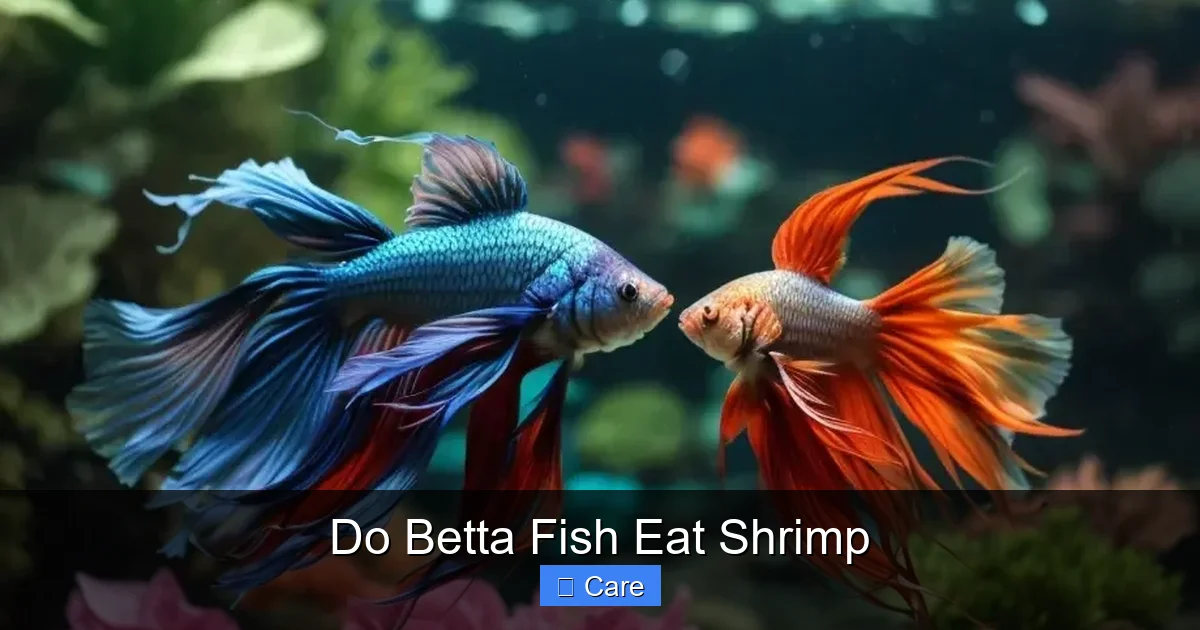
Visual guide about Do Betta Fish Eat Shrimp
Image source: aquaticspoolspa.com
The “Fight or Flight” in a Glass Box
That famous betta aggression, which earned them the “fighting fish” moniker, is primarily directed at other male bettas. However, their territorial nature means they view their tank as their personal kingdom. Any new, small, and mobile creature entering that kingdom is immediately scrutinized. Is it a threat? Is it food? For a betta, the answer is very often both. Their long, flowing fins make them slow swimmers, but their lightning-fast strike is designed for catching prey unaware. A shrimp, constantly moving and foraging, is an irresistible moving target that activates this hunting sequence. It’s not personal; it’s programming.
Shrimp on the Menu: Species and Size Survival Guide
The Critical Rule: “If it fits, it’s lunch”
This is the golden, non-negotiable rule of betta and shrimp cohabitation. A betta’s mouth is deceptively large. If a shrimp can be completely swallowed in one gulp, it is food. This means baby shrimp of any species are at extreme risk. Even a large adult shrimp might be attacked if the betta is particularly determined or hungry. You must assess the adult size of the shrimp species against the full-grown size of your specific betta. A large, half-moon male betta with a massive mouth has a different capability than a small, young female.
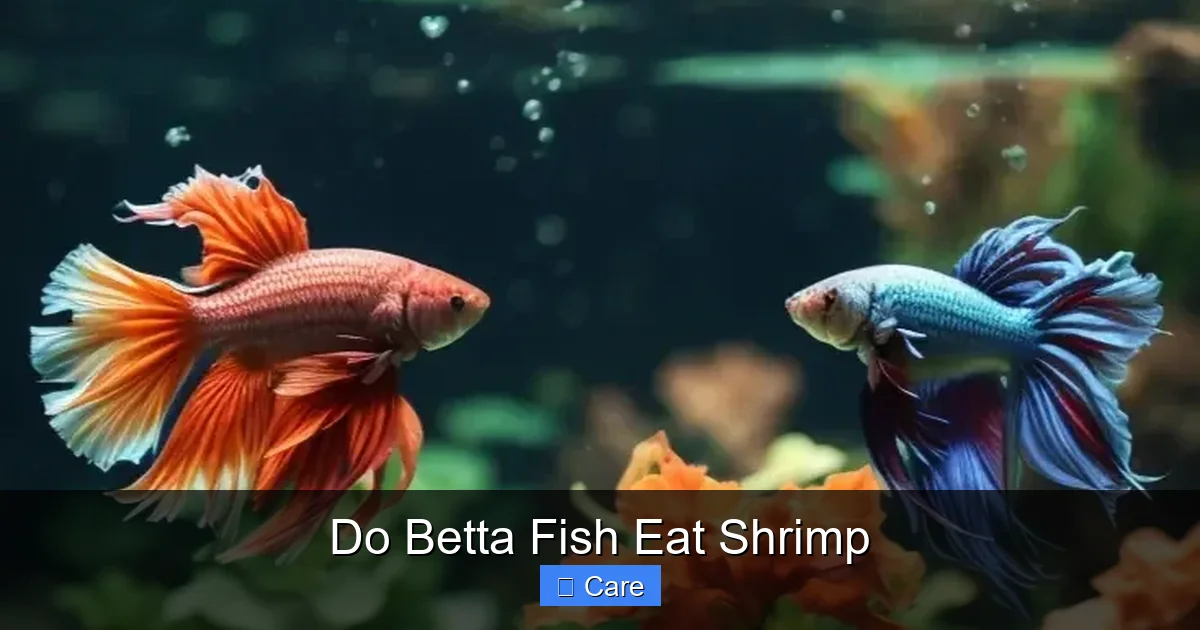
Visual guide about Do Betta Fish Eat Shrimp
Image source: aquaticspoolspa.com
Contenders for Coexistence: The Hardiest Shrimp Species
While no shrimp is 100% safe, some have a better track record than others due to size, behavior, and reproductive strategy.
- Ghost Shrimp (Palaemonetes spp.): Often called the “canary in the coal mine” for shrimp tanks, ghost shrimp are transparent, fast, and prolific breeders. Their speed and constant, erratic movement can sometimes help them evade a slower betta. They are also very affordable, making them good “testers” to see if your betta will ignore live food.
- Amano Shrimp (Caridina multidentata): These are larger, robust shrimp known for their algae-eating prowess. Their size (up to 2 inches) often puts them outside the “fit in mouth” category for many bettas. They are also less colorful and more secretive, spending time on glass and plants, which may reduce triggering the betta’s attention.
- Bamboo Shrimp (Atyopsis moluccensis): A true filter feeder, these large shrimp (also up to 2-3 inches) are mostly sedentary, fanning the water current. Their size and different feeding behavior make them less likely to be seen as prey, though they require specific water flow.
High-Risk, Beautiful Targets: Shrimp to Think Twice About
- Cherry Shrimp (Neocaridina davidi): The most popular ornamental shrimp. Their vibrant red color is a double-edged sword—it’s beautiful to us but may also draw a betta’s eye. They are smaller and less frantic than ghost shrimp, making them easy targets. Breeding them in a betta tank is nearly impossible, as adults and babies will be eaten.
- Bee Shrimp, Crystal Red Shrimp (Caridina cantonensis): These are more delicate, often slower-moving, and come in stunning patterns. Their specific water parameter needs also often clash with the warmer, slightly different conditions bettas prefer. They are essentially a gourmet meal for a determined betta.
- Tiger Shrimp, any small Caridina/Neocaridina species: Any shrimp under 1 inch in full adulthood is entering the danger zone. Their bright patterns and active foraging make them prime targets.
The Tank Environment: Setting the Stage for Peace (or War)
Space is the Ultimate Safety Tool
A 5-gallon tank is the absolute bare minimum for a betta alone. For a community tank with shrimp, you should be looking at 10 gallons or more. More space dilutes the betta’s territorial focus and gives shrimp more room to escape, explore, and establish territories away from the betta’s primary patrol routes. A crowded tank increases stress for all inhabitants and makes encounters more frequent and violent.
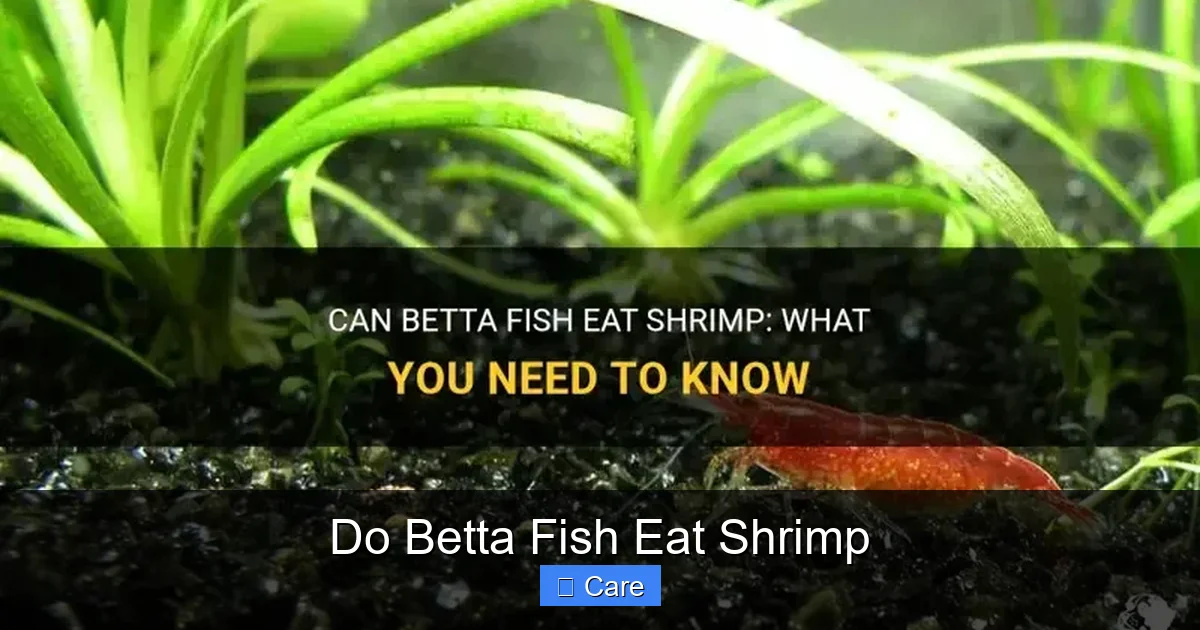
Visual guide about Do Betta Fish Eat Shrimp
Image source: petshun.com
The Power of Plants, Hides, and Hardscape
This is your most powerful defense. A heavily planted tank, using both stem plants and dense foliage like Java moss, Anubias, or Cryptocorynes, creates a three-dimensional jungle. Shrimp need places to dart into and hide. Provide multiple, small hiding spots: ceramic pots, slate caves, bundles of moss, and cholla wood. The goal is to break lines of sight and create a labyrinth where the shrimp can be invisible. A bare tank with a few plastic plants is a death trap for shrimp.
Water Parameters: Finding the Overlap
Betttas prefer warm water (78-80°F / 25.5-26.5°C) and are somewhat tolerant of a range of pH and hardness. Many ornamental shrimp, especially Caridina species like Crystal Reds, prefer cooler, softer, more acidic water (around 68-74°F). You must find a compromise. Keeping the temperature at the higher end of a shrimp’s range (e.g., 74-76°F) is often the biggest hurdle. You must research the specific needs of your chosen shrimp and see if they overlap sufficiently with your betta’s ideal range. Ghost and Amano shrimp are much more adaptable to betta conditions.
Practical Steps: How to (Maybe) Introduce Shrimp to Your Betta
Step 1: The Quarantine and Observation Period
Never, ever drop shrimp directly into your betta’s tank. First, you must test your betta’s reaction. Set up a separate, clear “observation tank” or use a large breeder net box placed inside the main tank. Add 2-3 of your chosen shrimp to this contained area. Watch your betta for 24-48 hours. Does it flare its gills, charge the glass, and fixate? Or does it seem largely uninterested, only glancing occasionally? If the betta is obsessed and repeatedly attacking the barrier, the introduction is almost certain to fail. This is your most important diagnostic tool.
Step 2: The Careful Introduction
If the observation period shows mild interest, you can proceed. Turn off the tank lights for an hour to reduce stress. Use a cup or container to gently transfer the shrimp from their bag/quarantine tank into the main tank, without pouring in the old water. Lower the cup into the tank and let the shrimp swim out on their own. Immediately dim the lights or turn them off for several hours to let the shrimp find hiding spots without being spotlighted.
Step 3: The First Week of Vigilance
For the first week, you must be a detective. Check the tank frequently, especially at dawn and dusk when bettas are most active. Look for signs of trouble: missing shrimp, a betta with a swollen belly (indicating a meal), shrimp with missing limbs (a sign of attack but escape), or a betta that now spends all its time patrolling the bottom. Be prepared to remove the shrimp immediately if the situation turns dire. You may need to accept that your betta is simply too predatory for a community setup.
Nutrition & Alternatives: Feeding Your Betta Properly
Why Shrimp Aren’t a Nutritional Necessity
This is a critical point. A high-quality, varied diet for a betta does not require live shrimp. A staple of a good pellet or flake (specifically formulated for bettas/carnivorous fish), supplemented with frozen foods like daphnia, brine shrimp, or bloodworms 2-3 times a week, provides complete nutrition. Live foods are often used for conditioning breeding pairs or as rare treats. Using ornamental shrimp as a food source is inefficient, risky for the shrimp (which may carry parasites), and can lead to your betta becoming a picky eater, refusing prepared foods.
Safer “Live” Food Alternatives
If you want to provide the mental stimulation and hunting pleasure of live food without the risk to other tank inhabitants, opt for these:
- Brine Shrimp (Artemia): The quintessential live food. They are small, nutritious, and breed easily. You can hatch them yourself.
- Daphnia: Water fleas. Excellent for digestion and as a laxative. They are also easy to culture.
- Microworms: Tiny, wriggling worms that are perfect for fry and small adult bettas.
- Vinegar Eels: Another tiny live food that thrives in the tank water column.
These foods are purpose-grown as feeders, are nutritionally valuable, and pose zero threat to other livestock in the tank.
The Verdict: Should You Try It?
After all this, the final decision rests with you, armed with knowledge. The question “Do betta fish eat shrimp?” is best rephrased as “Will my betta fish eat these shrimp in this tank?” For the vast majority of betta keepers, especially those with beautiful, colorful ornamental shrimp in a smaller or sparsely decorated tank, the answer is a heartbreaking “yes.” The loss is swift and often demoralizing.
However, if you have a very calm, curious (rather than aggressive) betta, a large (10+ gallon), jungle-like tank, and you choose hardy, fast shrimp like Ghosts or large Amanos, there is a possibility of success. You must go in with your eyes open, prepared for loss, and committed to the observation process. For most, the safer, more rewarding path is to admire shrimp in their own dedicated tanks or to choose truly compatible, invertebrate-only tank mates for your betta, like snails (Nerite, Ramshorn, Mystery) which have a completely different body plan and are generally ignored.
Your betta’s health and happiness come first. A balanced, safe diet of quality foods will keep them vibrant and healthy for years. The mesmerizing dance of shrimp is better enjoyed in a separate, species-only aquarium where they can thrive without fear. Sometimes, the most beautiful community is the one that isn’t mixed at all.
Frequently Asked Questions
Can I feed my betta shrimp pellets or dried shrimp?
Yes, absolutely. Many high-quality betta pellets contain small amounts of shrimp meal for flavor and nutrition. Dried shrimp (like those for tropical fish) can be used as an occasional treat, but always soak them first to prevent digestive issues. These are safe, processed foods with no risk of injury.
Will my betta eat baby shrimp?
Almost certainly, yes. Baby shrimp (shrimp fry) are tiny and perfectly sized for a betta’s mouth. Even in a tank with seemingly peaceful adult shrimp, any babies that hatch will be an easy snack for the betta, preventing the shrimp population from sustaining itself.
What are the signs my betta has eaten a shrimp?
The most obvious sign is a missing shrimp. You might also see your betta with a slightly swollen or distended belly after an attack. Sometimes, you’ll see the betta suddenly become very interested in a specific corner of the tank where a shrimp was hiding. You may also find a discarded shrimp shell, as bettas often eat the soft body but leave the hard exoskeleton.
Are there any shrimp that are completely safe with bettas?
No shrimp can be guaranteed 100% safe. It always depends on the individual betta’s personality. However, large, robust species like Amano Shrimp or Bamboo Shrimp have the highest success rate due to their size and behavior. The safest “invertebrate” tank mates are snails, which bettas generally ignore because they are not seen as prey.
How often should I feed my betta if I give them shrimp as a treat?
Live or frozen shrimp should be a treat, not a staple. Feed them to your betta no more than 1-2 times per week, and only a small amount (a few pieces) at a time. Overfeeding protein-rich foods can lead to constipation and swim bladder issues. Always fast your betta for one day a week to aid digestion.
My betta ignores the shrimp at first but later attacks them. Why?
This is common. The betta may initially be curious or cautious. Over time, as it establishes its territory and becomes more comfortable, its predatory instinct may kick in. Boredom can also play a role—a betta with nothing to do may start stalking the shrimp as a form of entertainment. This is why a stimulating, planted environment with other activities (like floating logs or gentle bubble streams) is so important.