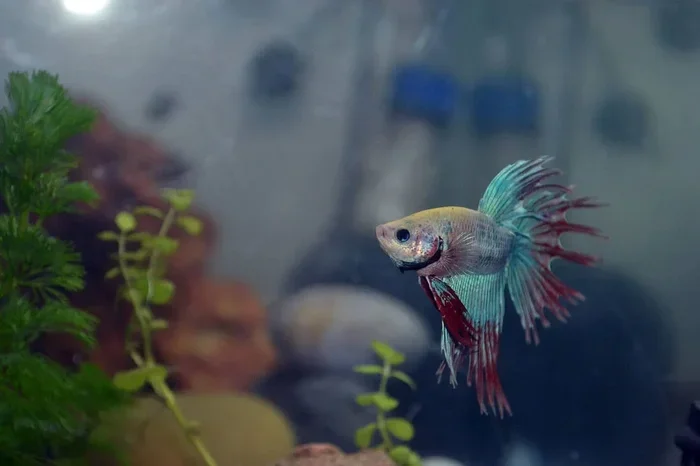
What Live Plants Are Good For Betta Fish Care

Choosing the right greenery transforms your aquarium into a thriving ecosystem. What live plants are good for betta fish depends on safety, ease of care, and water compatibility. Soft leaves prevent torn fins, while hardy roots tolerate gentle digging. These natural additions also filter waste and give your fish peaceful hiding spots. You will learn exactly which species thrive alongside your betta and how to set them up properly.
Key Takeaways
- Soft foliage matters: Smooth leaves protect delicate betta fins from tearing and stress.
- Low maintenance wins: Hardy species like java fern and anubias thrive without strong lighting or CO2.
- Water column feeders: Epiphytic plants attach to rocks or driftwood and do not need deep substrate.
- Safe rooting options: Plants with soft roots tolerate gentle foraging without harming your fish.
- Natural water filtration: Living greenery absorbs nitrates and improves overall tank stability.
- Avoid sharp or invasive species: Rough textures and aggressive growers can harm your betta or crowd the tank.
- Start small and observe: Introduce one or two plants first, then expand as your tank matures.
📑 Table of Contents
What Live Plants Are Good For Betta Fish Care
Setting up a beautiful aquarium starts with one simple question. What live plants are good for betta fish in a home tank? The right greenery does more than look nice. It creates a calm environment, improves water quality, and gives your fish natural places to rest. Many beginners feel overwhelmed by the endless choices at the pet store. You do not need a complicated planted tank to see real benefits. A few smart picks will transform your setup without demanding hours of maintenance.
Bettas are gentle, curious fish with long flowing fins. They prefer calm water and quiet spaces. Rough decorations or aggressive tank mates can cause stress. Living plants solve many of these problems at once. They soften hard surfaces, filter waste, and create a sense of security. You just need to pick species that match your experience level and tank conditions. This guide walks you through the best options, setup basics, and common mistakes to avoid.
Why Living Greenery Matters For Your Betta
Many new keepers ask what live plants are good for betta fish because they want a healthier tank. The answer goes beyond aesthetics. Real vegetation actively supports your fish in several practical ways. First, it absorbs nitrates and other waste products. This natural filtration reduces algae blooms and keeps water clearer. Second, plants release oxygen during daylight hours. Better oxygen levels support your betta and any beneficial bacteria in the filter. Third, foliage provides shelter. A stressed fish will hide less when it feels secure among leaves.
Soft plant surfaces also protect delicate fins. Plastic decorations and sharp rocks can tear tissue over time. Smooth leaves and gentle stems remove that risk completely. Many keepers notice their bettas swim more confidently after adding vegetation. You see less pacing at the glass and more relaxed exploration. The tank feels like a real habitat instead of a bare container. These benefits compound over weeks and months. Your fish stays healthier, and you spend less time fixing water issues.
Natural Stress Reduction
Bettas are territorial by nature. They need visual breaks and quiet corners. Dense foliage breaks up line of sight without blocking swimming space. This balance lowers aggression and helps your fish settle in faster. A calm betta eats better, breathes easier, and shows brighter colors. You will notice a more active fish during the day and a restful night.
Improved Water Stability
Living roots and leaves host helpful microbes. These microbes break down waste and support the nitrogen cycle. Stable water means fewer sudden ammonia spikes. Your filter works more efficiently when plants share the load. You also get a natural buffer against minor feeding mistakes. The tank recovers faster from small imbalances.
Top Plant Choices For A Thriving Betta Tank
When you research what live plants are good for betta fish, focus on hardy, low demand species. These plants forgive beginner mistakes and adapt to average home conditions. You do not need strong lights or carbon dioxide injection. Start with forgiving varieties that attach to hardscape or grow slowly in basic substrate. The following picks consistently perform well in betta setups.
Java Fern For Gentle Cover
Java fern is a top pick for beginners. It grows slowly and tolerates low light. You can tie it to driftwood or glue it to smooth rocks. The leaves stay broad and smooth, which protects long fins. This plant does not send aggressive roots into the substrate. It feeds from the water column, so liquid fertilizer works best. You can split mature clumps to fill more space over time.
Anubias For Low Light Tanks
Anubias is another excellent choice for calm tanks. The leaves are thick but soft enough for gentle swimming. Like java fern, it prefers attachment to wood or stone. Planting the rhizome in gravel can cause rot, so keep it above the substrate. Anubias grows steadily without taking over the tank. It handles temperature swings well and looks elegant with minimal care.
Amazon Sword For Rooted Structure
If you want a taller centerpiece, amazon sword works well. It develops a strong root system and grows upward with broad leaves. This plant prefers nutrient rich substrate or root tabs. It can reach the surface in larger tanks, so leave swimming room near the top. The leaves provide excellent shade and resting spots. Just trim older foliage to keep the tank open and tidy.
Floating Plants For Surface Shade
Floating species add quick cover without any planting effort. Frogbit and salvinia sit on the water line and absorb nutrients directly. They reduce bright light at the surface, which many bettas prefer. These plants also soak up excess nitrates fast. You must manage growth so they do not block all light. Skim off extra mats during routine water changes.
Bucephalandra For Compact Color
Bucephalandra brings slow growth and beautiful color to small tanks. The leaves stay compact and smooth. You can attach it to rocks or wood for a natural look. This plant adapts to low light and stays manageable for years. It rewards patience with steady, tidy growth. Many keepers use it to fill gaps without crowding the swim area.
How To Set Up Plants For Maximum Safety
Knowing what live plants are good for betta fish is only half the work. Placement and preparation matter just as much. Start by rinsing new plants under lukewarm water. Remove any loose debris or hitchhiking pests. Trim damaged leaves before adding them to the tank. This simple step prevents decay and keeps water clean during the first week.
Next, choose your anchoring method. Epiphytes like java fern and anubias should never bury their rhizomes. Tie them gently with soft thread or use a dab of aquarium safe glue. Rooted plants need a stable substrate. A fine gravel or planted tank soil works best for amazon sword. Leave open swimming lanes near the middle and top. Bettas need easy access to the surface for breathing.
Lighting should match your plant choices. Low light species thrive under basic LED strips on a regular day cycle. Avoid intense brightness that fuels algae. A consistent schedule of eight to ten hours works for most setups. Watch for yellowing leaves or slow growth. These signs usually point to nutrient gaps or too much light. Adjust slowly and give plants time to adapt.
Substrate And Root Care
Root feeders need nutrients below the surface. Root tabs provide a steady supply without clouding the water. Push them near the plant base, not directly under the crown. Keep the substrate level even so roots spread naturally. Vacuum gently during water changes to remove debris without disturbing roots.
Attachment Methods That Work
Soft thread and cotton ties hold plants securely without cutting into stems. Aquarium safe glue offers a permanent option for rocks and wood. Apply a tiny amount to the rhizome or stem base. Let it cure before submerging. Check ties monthly and loosen them as plants expand.
Plants To Avoid For A Healthy Betta
Not every greenery option fits a betta tank. Some species grow too fast and choke the water column. Others have sharp edges or brittle leaves that damage fins. When you evaluate what live plants are good for betta fish, leave out anything rough, invasive, or toxic. A safe tank always starts with careful plant selection.
Avoid plants with needle like leaves or stiff spines. These textures snag delicate fins and cause chronic stress. Skip aggressive floaters that form thick mats overnight. They block light and reduce oxygen exchange at the surface. Also avoid species that require extreme water parameters. Your betta thrives in stable, moderate conditions, so match the plants to the fish, not the other way around.
Some keepers wonder about decorative mosses or wild collected greens. Wild plants can introduce snails, algae, or pathogens. Always quarantine new additions when possible. Rinse thoroughly and inspect every leaf. A few minutes of preparation protects your entire tank from future headaches.
Rough Textures And Fin Damage
Sharp edges cause small tears that heal slowly. Constant irritation weakens your fish over time. Choose smooth, flexible leaves instead. Run your fingers over new plants before buying them. If the surface feels abrasive, leave it on the shelf.
Invasive Growers That Crowd The Tank
Fast growers can take over a small aquarium quickly. They block swimming lanes and trap waste between dense stems. Thin them regularly or choose slower species. A balanced layout keeps the tank open and easy to clean.
Care Tips For Long Term Plant Health
Healthy plants support a healthy betta. Consistent care keeps both thriving together. Start with a simple feeding routine for your vegetation. Liquid fertilizer works well for water column feeders. Root tabs support heavy root growers. Dose lightly and test water regularly. More is not better when it comes to nutrients.
Trim yellow or decaying leaves as soon as you see them. Rotting foliage releases ammonia and clouds the water. Remove dead material during every water change. This habit keeps the tank clean and prevents algae from taking hold. Rotate your plants if one side gets more light than the other. Even exposure encourages balanced growth.
Watch your fish behavior as a health indicator. A relaxed betta explores among the leaves and rests on broad surfaces. If your fish hides constantly or rubs against plants, check water quality first. Stable temperature, clean water, and gentle flow create the best environment. Plants respond to the same stable conditions. When both fish and greenery look vibrant, your setup is working.
Fertilizer Basics For Beginners
Start with a balanced liquid fertilizer once or twice a week. Follow the label directions and adjust for your tank size. Root tabs supplement plants that feed below the substrate. Keep a simple log of doses so you do not overfeed the plants. Clear water and steady growth are your best signs of success.
Routine Trimming And Maintenance
Trim tall stems to maintain open swimming space. Remove old leaves at the base to encourage fresh growth. Wipe algae from leaves with a soft brush during water changes. Keep your tools clean to avoid spreading debris. Small, regular maintenance beats major cleanups every time.
Expert Insights For A Balanced Planted Tank
Experienced keepers know that what live plants are good for betta fish depends on balance, not quantity. A few well placed species outperform a crowded jungle. Leave clear lanes for swimming and resting near the surface. Use hardscape to create natural breaks without sharp corners. This layout reduces stress and makes cleaning easier.
Patience pays off with live vegetation. Plants need weeks to establish roots and adjust to your water. Do not rip them out at the first sign of slow growth. Test your water, check your light schedule, and adjust nutrients gradually. Many tanks look bare at first and then flourish after a month of steady care. Consistency builds a resilient ecosystem that supports your betta long term.
When in doubt, choose simplicity. One attached fern, one rooted sword, and a small patch of floaters can transform a basic tank. You get filtration, shelter, and visual appeal without complex equipment. This approach works for beginners and seasoned hobbyists alike. A calm, planted tank is always a win for your fish.
Start Small And Scale Slowly
Add one or two plants first. Watch how they respond to your light and water. Introduce more only after the first batch settles. This method prevents overcrowding and keeps maintenance manageable. You learn your tank rhythm before filling every corner.
Observe Fish And Plant Interaction
Pay attention to how your betta uses the foliage. Does it rest on broad leaves? Does it swim through open gaps? These behaviors tell you if the layout works. Adjust plant positions based on real use, not just appearance. Your fish comfort should guide every change.
Frequently Asked Questions
Do live plants really help betta fish stay healthier?
Yes, living vegetation absorbs waste, adds oxygen, and gives your betta calm places to rest. These benefits reduce stress and support stable water quality over time.
Can I keep live plants without strong aquarium lights?
Absolutely. Hardy species like java fern and anubias thrive under low light. A basic LED strip on a regular day cycle is usually enough for a healthy planted tank.
Do betta fish eat live plants or damage the leaves?
Bettas are not plant eaters, so they rarely chew foliage. They may rest on broad leaves or gently explore stems, but healthy plants usually stay intact with proper care.
Which plants work best in small betta tanks?
Compact, slow growing species work best in smaller setups. Java fern, anubias, and small floating plants provide cover without crowding the limited swimming space.
How do I stop plants from taking over the aquarium?
Trim regularly and thin out fast growers before they block light. Choose slower species for small tanks and remove extra floating mats during water changes.
Should I use substrate or attach plants to rocks and wood?
It depends on the plant. Root feeders need stable substrate or root tabs, while epiphytes attach best to wood or stone. Match the method to the species for the healthiest growth.