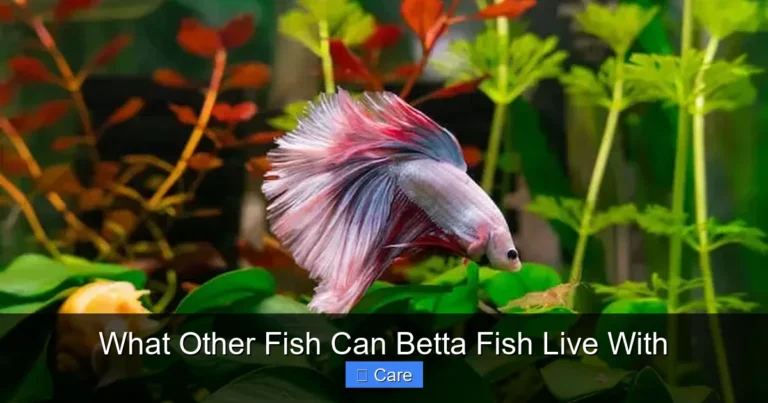
How Do I Clean A Betta Fish Bowl Without Harming Your Fish

Cleaning a betta fish bowl the right way protects your fish from stress and illness. You do not need fancy tools, just a steady routine and the right water prep. In this guide, you will learn the safest steps, what to avoid, and how to keep your tank fresh week after week.
Key Takeaways
- Consistent schedule: Clean your bowl every 7 to 10 days to prevent waste buildup and cloudy water.
- Never use soap: Avoid all detergents and chemicals, since even tiny traces can harm your betta.
- Match the temperature: Always use dechlorinated water that matches the current tank temperature.
- Save some old water: Keep 20 to 30 percent of the original water to reduce stress on your fish.
- Rinse everything well: Wash gravel, decorations, and tools with plain water only before returning them.
- Watch for signs: Cloudy water, foul smell, or lethargic fish mean you need a cleaning soon.
- Keep it simple: A small siphon, a clean bucket, and a water conditioner are all you really need.
📑 Table of Contents
- How Do I Clean A Betta Fish Bowl The Right Way
- Why Regular Bowl Cleaning Matters
- What You Need Before You Start
- Step By Step Guide For Cleaning A Betta Bowl
- How Often Should You Clean The Bowl
- Common Mistakes To Avoid
- Expert Tips For A Cleaner Bowl Between Water Changes
- Comparing Common Cleaning Methods
- Final Thoughts On How Do I Clean A Betta Fish Bowl
How Do I Clean A Betta Fish Bowl The Right Way
Keeping a betta fish happy starts with a clean home. Many new owners ask how do I clean a betta fish bowl without hurting their fish. The good news is that the process is simple once you know the basics. You just need a gentle routine, the right supplies, and a little patience. A dirty bowl can cause stress, illness, and poor water quality. A clean bowl gives your fish room to swim, clear water to breathe, and a healthy space to thrive. In this guide, you will learn a safe step-by-step method, the tools you need, and the mistakes to avoid. You will also find answers to common questions so you can clean with confidence.
Why Regular Bowl Cleaning Matters
Betta fish live in a small space, so waste builds up fast. Uneaten food, fish waste, and decaying plant matter all break down over time. This process can raise ammonia levels and lower oxygen in the water. Even if the water looks clear, harmful compounds may still be present. Regular cleaning keeps the water safe and stable. It also helps you spot problems early, like algae growth, cloudy water, or a sick fish.
A clean bowl does more than look nice. It supports your fish health every day. Bettas are sensitive to sudden changes, so a steady cleaning routine works best. You do not need to scrub the bowl until it shines. You only need to remove waste, refresh the water, and keep the environment balanced. If you want to understand how much room your fish really needs, you can read more about whether betta fish like a lot of space and how tank size affects their comfort.
The Main Problems A Dirty Bowl Causes
- Ammonia buildup: Fish waste and leftover food release ammonia, which can burn gills and stress fish.
- Cloudy water: Bacteria blooms often appear when waste levels rise too quickly.
- Algae overgrowth: Excess light and nutrients can cause green algae to take over the glass.
- Bad smell: A strong odor usually means organic waste is breaking down unchecked.
- Fish stress: Poor water quality can make your betta hide, lose color, or stop eating.
What You Need Before You Start
You do not need a long shopping list. A few simple tools make the job easy and safe. The most important rule is to keep everything clean and chemical-free. Never use soap, bleach, or household cleaners on anything that touches the bowl. Even a small residue can hurt your fish.
Basic Supplies For A Safe Clean
- Clean bucket: Use a bucket only for fish care, with no previous soap or detergent.
- Siphon or gravel vacuum: A small tube helps remove dirty water and loose waste from the bottom.
- Water conditioner: This removes chlorine and chloramine from tap water.
- Thermometer: Check water temperature so your fish does not face a sudden change.
- Soft cloth or sponge: Use a clean, non-abrasive cloth for wiping the outside glass.
- Net or clean cup: A gentle tool helps guide your fish if you need to move it temporarily.
It helps to gather everything before you start. That way, you can work quickly and keep the bowl stable. If you use tap water, make sure you treat it first. If you prefer filtered water, you can learn more about whether reverse osmosis water works well in a betta setup. The best choice is clean water that has been conditioned and temperature matched.
Quick Tip: Set Up A Cleaning Station
Keep your supplies in one place. A small tray or bin makes the process smoother. You can place your bucket, conditioner, siphon, and thermometer together so you do not have to search for them. This also helps you avoid spills and rushed mistakes.
Step By Step Guide For Cleaning A Betta Bowl
The best method is gentle and steady. You do not need to remove your fish unless the bowl is very dirty or you are doing a deep clean. In most cases, you can clean the bowl while your betta stays safely inside. The key is to replace only part of the water at a time and avoid sudden changes.
Step 1: Prepare Fresh Water
Start by filling a clean bucket with fresh water. Add the correct amount of water conditioner according to the package directions. Let it sit for a few minutes so the treatment can work. Check the temperature and make sure it matches the water in the bowl. A sudden temperature swing can shock your fish, so this step matters.
Step 2: Remove Waste From The Bottom
Use your siphon or a clean cup to lift out dirty water from the bottom of the bowl. This is where waste and uneaten food often settle. Move slowly so you do not stir up too much debris. If your bowl has gravel or pebbles, gently vacuum the surface. You do not need to dig deeply unless the substrate is very dirty. If you want to know whether decorations are safe, you can check whether rocks or pebbles belong in a betta bowl before you add them back.
Step 3: Clean The Glass And Decorations
Wipe the inside glass with a clean, soft cloth or sponge. Use only plain water. Do not scrub hard, especially if there is algae on the sides. A light wipe is enough. If you have decorations, rinse them in old bowl water or conditioned fresh water. This removes grime without exposing your fish to harsh chemicals. Avoid using any soap, even on items that look clean.
Step 4: Replace The Water
Slowly pour in the fresh, conditioned water. Try to match the level your fish is used to. If you removed a large amount of water, add it back gradually. A partial water change is usually safer than a full replacement. Keeping some of the original water helps your betta stay comfortable. If you are curious about how often bowls need extra warmth, you may also want to look into whether betta bowls need a heater for stable conditions.
Step 5: Return Items And Observe
Place any cleaned decorations back in the bowl. Make sure they sit securely so they do not fall on your fish. Then watch your betta for a few minutes. Look for normal swimming, steady breathing, and relaxed fins. If your fish seems stressed, give it time to settle before you move around the bowl again.
How Often Should You Clean The Bowl
The right schedule depends on the bowl size, how much your fish eats, and how much waste builds up. In many cases, a partial clean every 7 to 10 days works well. Smaller bowls may need more frequent attention. Larger setups may need less. The goal is to keep water quality steady, not to wait until the bowl looks bad.
Signs It Is Time To Clean
- Cloudy or dull water: The bowl may need a partial change soon.
- Visible waste or food: Debris on the bottom means it is time to siphon.
- Algae on the glass: A light wipe can help restore clarity.
- Foul odor: A bad smell often points to decaying organic matter.
- Less active fish: Stress from poor water can reduce movement and appetite.
If you are unsure about your setup, you can also review whether a betta fish can live in a bowl long term and what kind of environment supports better health. A stable routine usually works better than waiting for obvious problems.
Expert Insight: Small Changes Beat Big Disruptions
Many beginners make the mistake of changing too much water at once. That can stress a betta more than a gentle, regular clean. A partial water change keeps beneficial balance while removing harmful waste. Think of it like tidying a room a little at a time instead of emptying everything in one go. Your fish will usually respond better to calm, predictable care.
Common Mistakes To Avoid
Even with good intentions, it is easy to make a few errors. The most common ones involve chemicals, temperature, and overcleaning. Avoiding these mistakes keeps your fish safer and makes your routine much easier.
Mistake 1: Using Soap Or Cleaners
Never use soap, dish detergent, bleach, or glass cleaner in or near the bowl. These products leave residues that can remain even after rinsing. Fish are highly sensitive to chemicals, so plain water is the safest choice. If a tool smells like soap, do not use it.
Mistake 2: Ignoring Water Temperature
Cold water or hot water can shock your betta. Always check the temperature before adding new water. A close match is more important than a perfect match. If you need help with water sources, you can also read whether tap water is safe for a betta bowl and how to prepare it properly.
Mistake 3: Changing Too Much Water At Once
A full water change can remove too much of the existing environment at one time. This may stress your fish and upset the balance in the bowl. A partial change is usually gentler. If the bowl is very dirty, clean it in stages instead of all at once.
Mistake 4: Scrubbing Too Hard
Aggressive scrubbing can scratch the glass and make future cleaning harder. It can also disturb your fish if you move too quickly. Use light pressure and patience. Algae usually comes off with a gentle wipe.
Mistake 5: Forgetting To Condition Tap Water
Tap water often contains chlorine or chloramine, which can harm fish. A water conditioner helps make it safe. If you use another water source, make sure it is appropriate for fish. For example, you may want to check whether distilled water is a good choice for a betta tank before using it.
Expert Tips For A Cleaner Bowl Between Water Changes
A good routine does more than remove dirt once a week. Small habits can keep the bowl cleaner for longer. These tips help reduce waste buildup and make each cleaning easier.
Feed Less To Reduce Waste
Overfeeding is one of the fastest ways to dirty a bowl. Give only what your fish can eat in a few minutes. Remove uneaten food if it sinks to the bottom. Less waste means cleaner water and fewer smells.
Keep Lighting Moderate
Too much light can encourage algae growth. Place the bowl where it gets steady but not extreme light. If you use a lamp, make sure it does not overheat the water or create harsh glare. You can also learn whether a lamp over a betta bowl is a good idea before you set up lighting.
Rinse Tools Before And After
Always rinse your siphon, bucket, and other tools with plain water before use. After cleaning, rinse them again and let them dry. This prevents residue from building up and keeps your supplies ready for next time.
Watch Your Decor Choices
Some decorations trap debris or make cleaning harder. Smooth, simple items are usually easier to maintain. If you use pebbles or rocks, make sure they are clean and safe for bowls. You can review whether pebbles belong in a betta bowl to choose suitable materials.
Keep A Simple Log
Write down when you cleaned the bowl and what you noticed. A small note can help you spot patterns, like algae growing faster or water clouding sooner. Over time, this helps you adjust your schedule to fit your specific setup.
Comparing Common Cleaning Methods
Different owners use different approaches. The best method is the one that keeps the water stable and the fish calm. Here is a simple comparison to help you choose a routine that fits your bowl.
Cleaning Method Comparison
- Partial water change: Removes waste while keeping some familiar water. Best for most routine cleans.
- Full water change: Only useful when the bowl is very dirty or needs a deep reset. Can stress fish if done too often.
- Spot cleaning: Good for removing leftover food or surface debris between full cleans. Helps maintain clarity.
- Deep clean with decor removal: Useful when algae or grime builds up on items. Should be done carefully and not too often.
If you want to understand whether a filter changes the routine, you can also explore whether betta fish need a filtered tank and how filtration affects cleaning frequency. Some setups need less manual cleaning, while others still benefit from regular partial changes.
Final Thoughts On How Do I Clean A Betta Fish Bowl
Cleaning a betta fish bowl does not have to be difficult. The safest approach is simple: use conditioned water, match the temperature, remove waste gently, and avoid chemicals. A regular partial clean keeps the water clearer and helps your fish stay healthy. It also gives you a chance to notice small changes before they become bigger problems.
When you clean with care, you create a better home for your betta. That means less stress, better water, and a calmer fish. Keep your supplies ready, follow a steady schedule, and trust the process. Over time, the routine becomes easy, and your bowl stays cleaner with less effort.
If you are still deciding on the best setup for your fish, you may also find it helpful to read whether a betta fish can live in a bowl and what kind of care that setup requires. The more you understand your fish environment, the easier it becomes to keep it clean and safe.
Frequently Asked Questions
How often should I clean my betta fish bowl?
Most bowls do well with a partial clean every 7 to 10 days. Smaller bowls or bowls with more waste may need cleaning sooner. Watch for cloudy water, odor, or leftover food as signs it is time.
Can I use soap to clean a betta fish bowl?
No, you should never use soap or household cleaners in a fish bowl. Even small residues can harm your betta. Use plain water and a clean bucket or cloth instead.
Do I need to remove my betta fish before cleaning the bowl?
Usually, you do not need to move your fish if you are doing a gentle partial clean. If the bowl is very dirty or you need to reset it, you may move the fish carefully using a clean net or cup.
What water should I use when cleaning a betta bowl?
Use dechlorinated tap water or another safe water source that has been treated and temperature matched. Avoid sudden changes in temperature or water chemistry. A water conditioner helps make tap water safer.
How much water should I change at one time?
A partial water change is usually best because it removes waste without shocking your fish. Keeping some of the original water helps maintain stability. If the bowl is very dirty, clean it in stages instead of replacing everything at once.
Why does my betta bowl get dirty so fast?
Small bowls collect waste quickly, especially if the fish is fed too much or the bowl has no filtration. Uneaten food and fish waste break down and cloud the water. Feeding less and cleaning regularly can help a lot.