Do Betta Fish Eat Goldfish Food
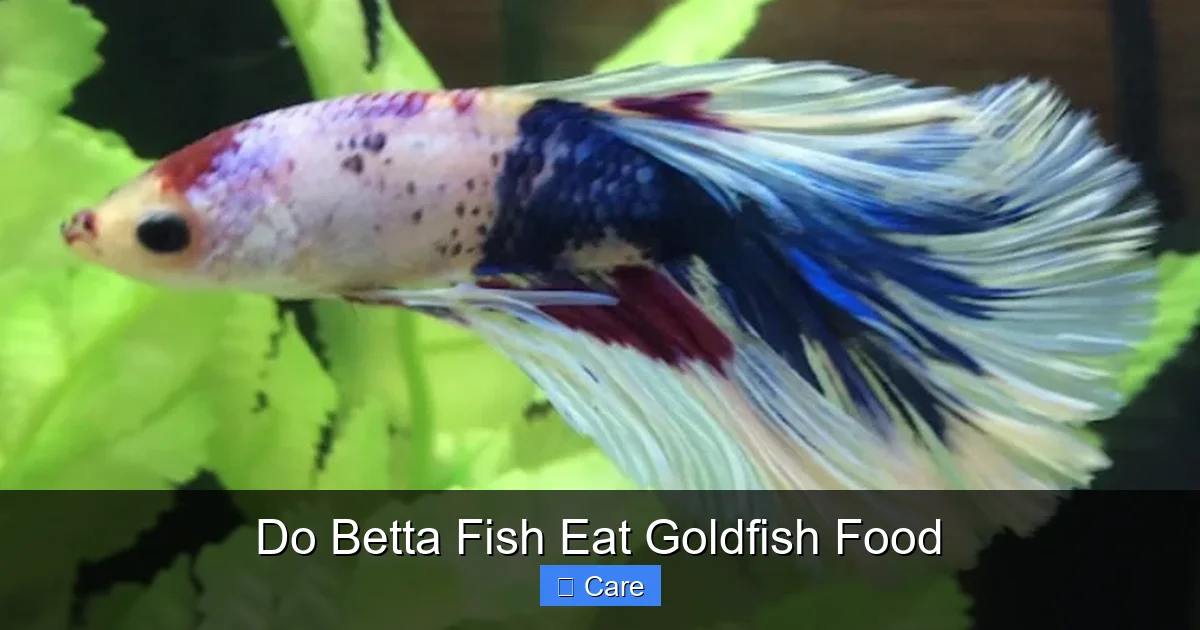
No, betta fish should not regularly eat goldfish food. Betta fish are obligate carnivores requiring high-protein, animal-based diets, while goldfish food is formulated for omnivorous goldfish with much lower protein and higher plant content. Long-term feeding of goldfish food to bettas can lead to severe health issues like malnutrition, digestive bloating, swim bladder disease, and a shortened lifespan. While a single bite won’t harm them, it should never be a staple. Always prioritize foods specifically designed for bettas, such as high-quality pellets, frozen, or live foods, to ensure your vibrant companion thrives.
Key Takeaways
- Fundamental Dietary Mismatch: Betta fish are strict carnivores needing 40-50%+ protein from animal sources, whereas goldfish food is plant-heavy with only 25-35% protein, making it nutritionally inadequate for bettas.
- Serious Health Risks: Regular consumption causes digestive problems (constipation, bloating), swim bladder disorder, fatty liver disease, and malnutrition due to missing essential nutrients like taurine.
- Occasional vs. Staple: A single piece of goldfish food as a rare, accidental snack is harmless, but intentional, long-term feeding is dangerous and neglectful.
- Read the Label: Always check the protein source (e.g., fish meal, shrimp, squid) and percentage on betta food. Avoid products with wheat, soy, or corn as primary ingredients.
- Variety is Crucial: A healthy betta diet combines high-quality pellets as a staple with regular servings of frozen or live foods (brine shrimp, daphnia, bloodworms) for enrichment and complete nutrition.
- Feeding Technique Matters: Soak dry pellets briefly to prevent air swallowing, feed only what they consume in 2-3 minutes (usually 2-3 pellets), and fast once a week to aid digestion.
- Observe Your Fish: Watch for signs of poor diet: lethargy, faded colors, clamped fins, stringy feces, or a swollen abdomen—these indicate it’s time to reassess their food.
📑 Table of Contents
- Can Your Betta Fish Eat Goldfish Food? The Complete Truth
- The Carnivore vs. The Omnivore: Understanding Their Natural Diets
- Nutritional Breakdown: Why Goldfish Food Fails a Betta
- The Domino Effect: Health Problems from a Poor Diet
- The Right Way to Feed: Building the Perfect Betta Menu
- Practical Feeding Tips & Common Mistakes
- What If My Betta *Only* Eats Goldfish Food?
- Conclusion: Respecting the Betta’s Biology
Can Your Betta Fish Eat Goldfish Food? The Complete Truth
So, you’re standing by your aquarium, flake container in hand, and you think: “My betta is so tiny, and this goldfish food is so small. Would it hurt to just sprinkle a few flakes in there?” It’s a common question that many new betta owners have, driven by convenience or the simple observation that both fish are often sold as “pet store fish.” The short, critical answer is: no, betta fish should not eat goldfish food as a regular part of their diet. But the full story behind that “no” is vital for the long-term health, vibrancy, and happiness of your Siamese fighting fish. This isn’t just about preference; it’s about fundamental biological needs that, if ignored, can lead to painful and preventable suffering.
This guide will dive deep into the anatomical and nutritional reasons why goldfish food is a poor choice for your betta. We’ll break down the exact differences in their dietary requirements, explore the specific health problems that arise from this mismatch, and provide you with a clear, actionable blueprint for feeding your betta a proper diet. By the end, you’ll understand not just *what* to feed your betta, but *why* it matters, transforming you from a casual keeper into a knowledgeable, proactive caretaker.
The Carnivore vs. The Omnivore: Understanding Their Natural Diets
To understand why goldfish food is unsuitable, we must first look at the evolutionary dinner plates of these two fish. They come from completely different worlds with vastly different food sources.
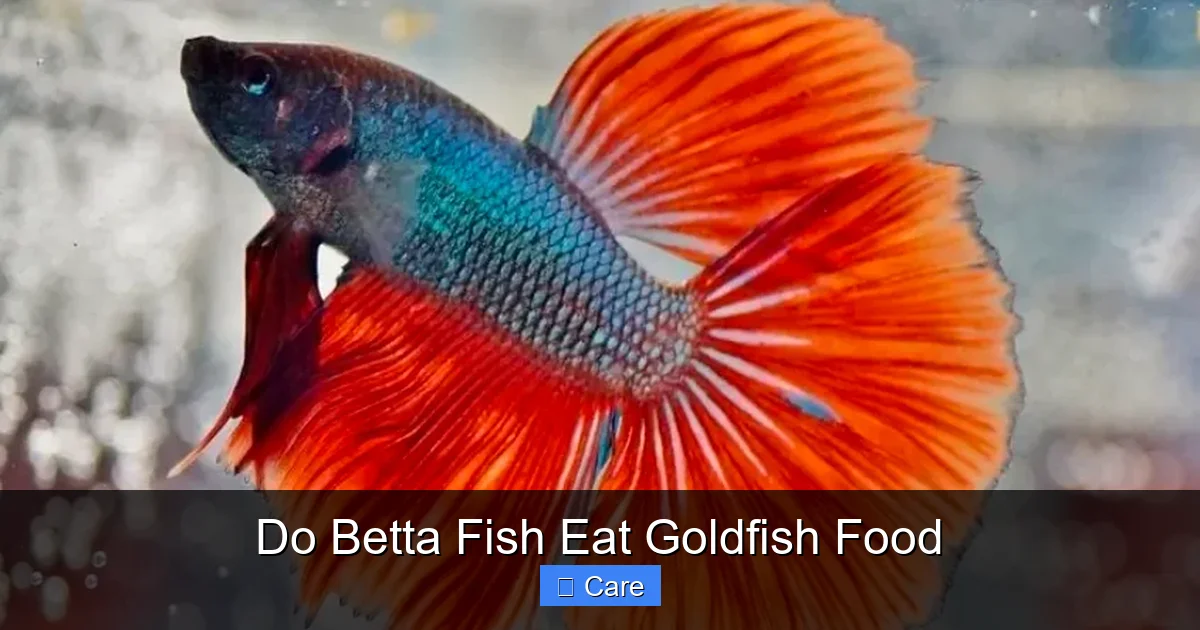
Visual guide about Do Betta Fish Eat Goldfish Food
Image source: thegoldfishtank.com
Betta Fish: Born to be Protein-Powered Predators
In the shallow, warm rice paddies and slow-moving streams of Southeast Asia, betta fish (Betta splendens) are micro-predators. Their diet in the wild consists almost exclusively of insects, insect larvae (like mosquito wrigglers), tiny crustaceans (zooplankton), and the occasional small worm. They are obligate carnivores, meaning their bodies are biologically engineered to derive essential nutrients from animal tissue. Their short, upturned mouths are perfect for grabbing prey at the water’s surface, and their digestive tracts are short and acidic, designed to process protein and fat quickly, not bulky plant matter.
Key nutritional needs for a betta include:
- Extremely High Protein: 40-50% or more of their diet should be crude protein.
- Animal-Based Fats: For energy and healthy cell function.
- Specific Amino Acids: Like taurine and arginine, which are abundant in animal tissue but scarce in plants. A deficiency in taurine can lead to heart and eye problems.
- Fiber in Moderation: A tiny amount from the shells of prey (like brine shrimp) to aid digestion, but not as a primary energy source.
Goldfish: The Opportunistic, Plant-Friendly Grazers
Goldfish (Carassius auratus), native to cooler, slower-moving waters in East Asia, are true omnivores with a strong herbivorous lean. In the wild, they constantly forage on the bottom, sifting through silt and vegetation. Their diet is a mix of plant material (algae, duckweed, detritus), small insects, crustaceans, and worms. Their long, sucker-like mouths are adapted for grazing. Their digestive system is longer and more complex, capable of fermenting plant fibers with the help of gut bacteria.
Goldfish food (flakes, pellets) is formulated to reflect this. It typically contains:
- Moderate Protein: Usually 25-35%, often from plant sources like soy or wheat gluten.
- High Carbohydrates & Plant Matter: Wheat, corn, soybean meal, and spirulina algae are common first ingredients.
- Added Vitamins & Minerals: Tailored for a goldfish’s slower metabolism and different vitamin requirements.
This plant-heavy, lower-protein formulation is the polar opposite of what a betta’s body expects and needs.
Nutritional Breakdown: Why Goldfish Food Fails a Betta
Let’s look under the microscope at a typical goldfish flake or pellet versus a proper betta food. The differences aren’t just minor; they are catastrophic for a betta’s health when fed consistently.
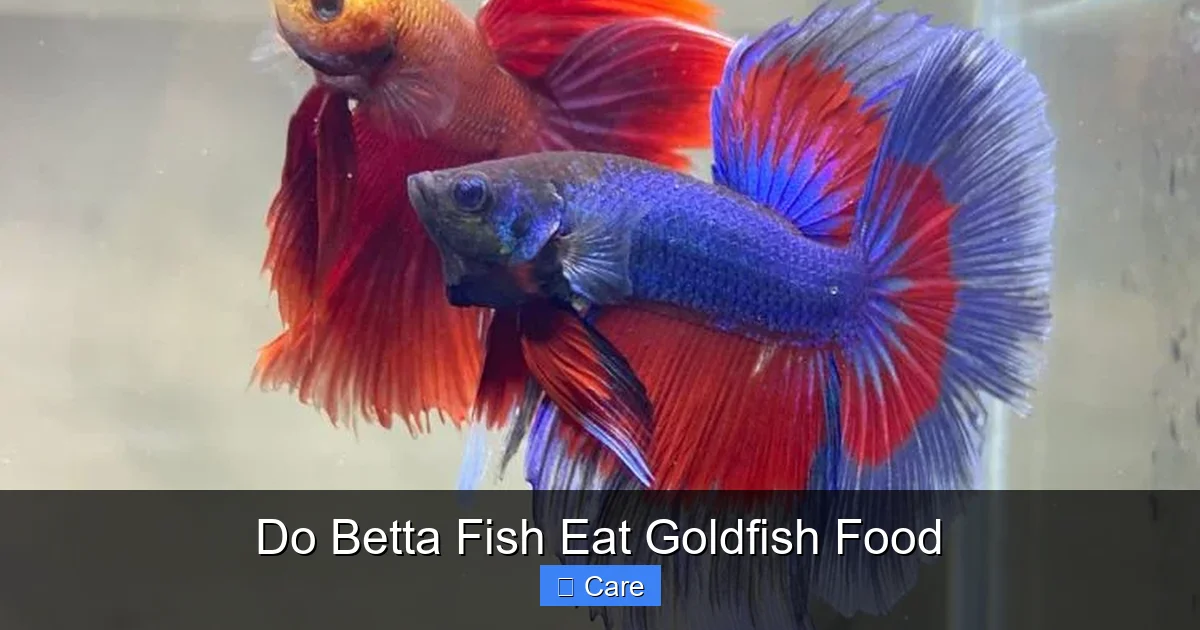
Visual guide about Do Betta Fish Eat Goldfish Food
Image source: bettafishnest.com
Protein: The Critical Deficiency
Protein is the building block of muscle, fins, scales, and vibrant coloration. For a betta, inadequate protein is like putting regular gasoline in a high-performance race car. It simply won’t run right. Goldfish food’s lower protein content means your betta isn’t getting enough to maintain its magnificent flowing fins, brilliant reds and blues, or active, curious personality. Over months, this leads to faded colors, frayed or torn fins (fin rot becomes more likely with a weakened immune system), and muscle wasting.
More importantly, the source of that protein matters. Goldfish food protein often comes from plant-based soy or grain derivatives. While these provide some amino acids, they lack the full, easily digestible profile of animal-based proteins (fish meal, shrimp, squid, krill) that bettas require. Think of it like the difference between eating a lean steak and eating a bowl of lentils—both have protein, but one is a complete, highly bioavailable source for a carnivore.
The Fiber Overload: A Recipe for Disaster
Goldfish are built to handle fiber. They have a long intestine where bacteria break down cellulose from plants. A betta’s intestine is short, simple, and not designed for this job. When a betta consumes the high-plant-fiber content of goldfish food, several bad things happen:
- Constipation & Bloating: The indigestible fiber clogs up their system. This is the most immediate and visible problem, often seen as a swollen, “pineapple”-shaped abdomen.
- Swim Bladder Disorder (SBD): The swim bladder is a gas-filled organ that helps a fish control its buoyancy. Constipation and internal inflammation from poor diet can press against or infect this delicate organ, causing the fish to float upside down, sink, or swim erratically. SBD is painful, stressful, and often fatal if not addressed quickly.
- Poor Nutrient Absorption: The betta’s system is so busy trying to process the inappropriate fiber that it absorbs fewer of the vital nutrients from the food, compounding malnutrition.
Missing Essential Nutrients & Fat Content
Goldfish food is formulated for a fish with a much slower metabolism and different life cycle. It lacks specific nutrients critical for bettas:
- Taurine: An essential amino acid for cardiac health and vision. Cats need it; bettas do too. It’s abundant in marine proteins but not in plant meals.
- Proper Fatty Acid Balance: Betta food has higher levels of omega-3 fatty acids (from fish oils) for inflammation reduction and fin health. Goldfish food often has more omega-6s from plant oils.
- Vitamin & Mineral Ratios: The vitamin C, E, and mineral blends are different. A long-term deficiency can weaken the immune system, making the betta susceptible to diseases like dropsy or fin rot.
The Domino Effect: Health Problems from a Poor Diet
Feeding goldfish food isn’t just a minor nutritional misstep; it initiates a cascade of health issues that can shorten your betta’s life from a potential 5-7 years to just 1-2. The problems often start subtly and progress to severe, untreatable conditions.
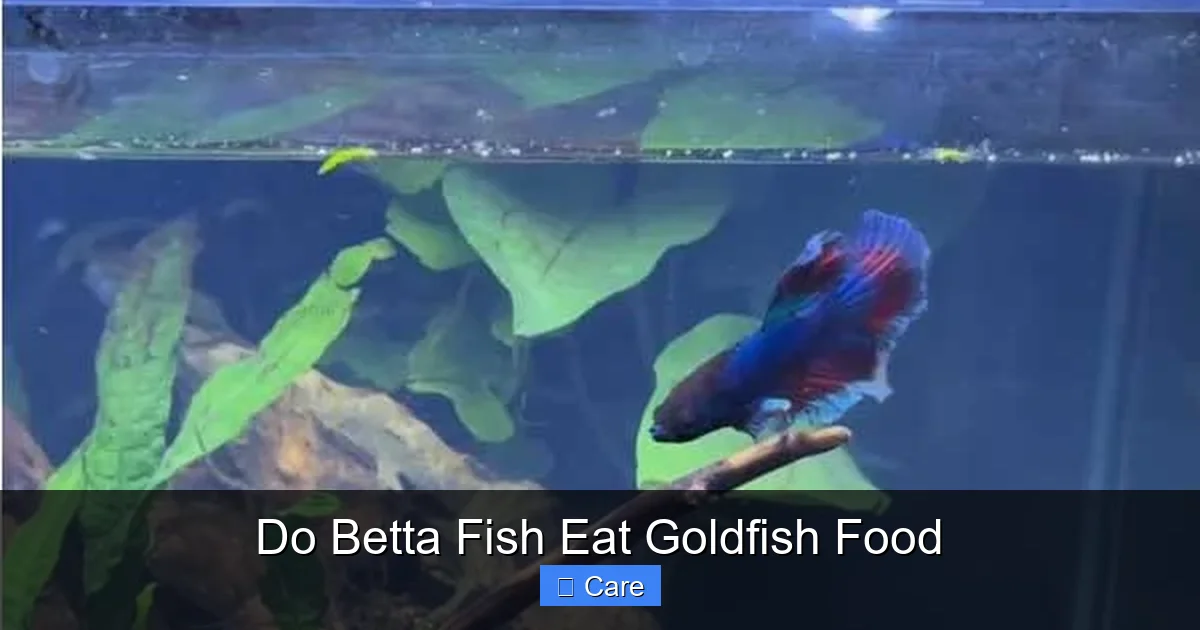
Visual guide about Do Betta Fish Eat Goldfish Food
Image source: bettafishnest.com
Swim Bladder Disease: The Most Common Consequence
As mentioned, this is the poster child for betta dietary problems. The symptoms are unmistakable: the fish struggles to maintain depth, may float helplessly to the surface or sink to the bottom, and often swims at a 45-degree angle or upside down. While bacterial infection or physical injury can cause SBD, dietary-induced constipation is the #1 culprit. Treatment involves fasting for 3-5 days, then feeding a small, cooked, skinned pea (a natural laxative for humans and fish), and permanently switching to a proper diet. Prevention is always better than cure.
Chronic Constipation & Internal Damage
Even without full-blown SBD, a betta on a high-fiber diet will suffer from chronic constipation. You’ll see stringy, white or clear feces dangling from the fish. This isn’t just uncomfortable; the constant pressure and inflammation damage the digestive tract lining, impairing nutrient absorption permanently and creating a gateway for pathogens.
Malnutrition & Systemic Decline
This is the silent killer. The betta appears to be “eating” but is essentially starving. Its body is not getting the building blocks it needs. Signs include:
- Severe Color Fading: The brilliant reds recede to pale pink; blues become washed-out gray.
- Fin Loss & Degeneration: Fins become short, ragged, and torn, unable to repair themselves.
- Lethargy & Apathy: The fish lies at the bottom, shows no interest in food or surroundings, and has a weakened immune response.
- Emaciation: Despite a swollen belly from constipation, the body behind the head becomes thin and concave.
Increased Susceptibility to Disease
A malnourished betta has a compromised immune system. It becomes a sitting duck for common aquarium diseases. What might be a minor fungal spot on a healthy betta can become a lethal systemic infection in a fish weakened by a poor diet. Fin rot progresses rapidly, and parasites like velvet or ich are far more likely to take hold and prove fatal.
The Right Way to Feed: Building the Perfect Betta Menu
Now that we’ve established why goldfish food is bad, let’s construct the ideal diet. The goal is variety, high-quality animal protein, and proper feeding technique.
The Staple: High-Quality Betta Pellets
Your foundation should be a premium betta pellet. Look for these labels:
- First Ingredient: Should be a named animal protein (e.g., “whole salmon,” “krill meal,” “squid,” “brine shrimp”). Avoid “fish meal” alone if it’s not specified, as it can be ambiguous.
- Protein Content: Minimum 40%, ideally 45% or higher.
- Low Fillers: The ingredient list should be short and focused. If wheat, corn, or soy are in the top 3 ingredients, skip it.
- Form: Small, sinking or slow-sinking pellets are best. Bettas are surface feeders, but pellets that float indefinitely can cause them to gulp air. Micro-pellets that sink slowly are ideal.
How to Feed: Soak pellets in a little tank water for 30 seconds before adding them. This softens them and prevents them from expanding in the betta’s stomach, reducing bloat risk. Feed only what your betta will eat in 2-3 minutes, typically 2-4 pellets per day, once or twice daily.
The Essential Supplements: Frozen & Live Foods
Pellets are convenient, but they lack the enrichment and moisture of whole prey. You must supplement 3-4 times a week with:
- Frozen Foods: Thaw a small cube in a dish of tank water. Best options are brine shrimp (great for digestion and color), daphnia (water fleas, excellent natural laxative), and bloodworms (high protein, use sparingly as a treat). Avoid frozen foods with added sauces or garlic.
- Live Foods: The ultimate enrichment. Microworms, vinegar eels, or flightless fruit flies are excellent. Culturing these can be a fun hobby. Never feed wild-caught insects, as they may carry pesticides or parasites.
These foods provide whole prey nutrition: exoskeletons for fiber, muscle meat for protein, and organs for vitamins. They also stimulate natural hunting behaviors, reducing boredom.
What About Flakes?
Most betta flakes are simply repackaged goldfish or tropical flake formulas with a betta on the bag. They are almost always too high in plant matter and too low in protein. If you must use flakes, choose a reputable brand that specifically markets “Betta Flakes” with a high animal protein content, but pellets are almost always a superior choice for mess control and nutritional density.
Practical Feeding Tips & Common Mistakes
Knowing what to feed is only half the battle. How and when you feed is equally important.
The Importance of Fasting
In the wild, a betta might not eat every single day. A 24-hour fast once a week is one of the best things you can do for its digestive system. It allows the gut to clear completely, preventing sludge buildup and reducing the risk of constipation and SBD. Your betta will be fine and may even be more enthusiastic for its next meal.
Portion Control: The “Eyes of the Betta” Rule
Overfeeding is the #1 cause of water quality issues and digestive problems. A betta’s stomach is roughly the size of its eye. A proper meal is no larger than that. If you’re feeding pellets, that’s usually 2-3. If you’re using frozen foods, a small pinch. Any excess food will decay in the tank, fouling the water with ammonia and nitrites.
Water Quality is Non-Negotiable
A proper diet is useless in poor water. Uneaten food and waste produce toxins that stress your betta, weaken its immune system, and directly damage its organs. Perform weekly water changes of 25-50% in a cycled, filtered tank (or 100% in a unfiltered bowl, though a filtered, heated tank is strongly recommended). Use a water conditioner to remove chlorine and chloramines.
Watch and Learn
Your betta will tell you if its diet is wrong. A healthy betta is curious, flares at its reflection, builds bubble nests (males), and has bright, clear eyes and erect fins. A betta with dietary issues will be listless, hide constantly, have clamped fins, and show the physical signs mentioned earlier. Be a keen observer.
What If My Betta *Only* Eats Goldfish Food?
Sometimes, a betta is acquired from a situation where it was only ever fed generic flakes. Transitioning can be a challenge, but it’s necessary.
- Start by Mixing: For the first few days, mix a tiny amount of the new high-quality betta pellet with the old food, gradually increasing the ratio.
- Try Soaked Pellets: Soak the new pellets until they are very soft and release a scent. Sometimes a softer texture and stronger smell (from shrimp or squid) will entice a picky eater.
- Use a Treat Bait: Offer a small piece of frozen daphnia or brine shrimp on a toothpick or your finger (wash hands first!). Once they take the treat, they may be more willing to try the pellets placed near it.
- Be Patient and Firm: It’s okay for them to skip a meal or two during the transition. They can go a week without food without harm. Don’t revert to the old food out of pity. A healthy, high-quality diet is a non-negotiable aspect of responsible ownership.
Conclusion: Respecting the Betta’s Biology
The question “Do betta fish eat goldfish food?” ultimately reveals a deeper issue: the misunderstanding of the betta as a simple, hardy pet. They are complex, beautiful creatures with specific, demanding biological needs shaped by millennia of evolution as surface-dwelling insectivores. Goldfish food, formulated for a completely different animal, is biologically inappropriate. It is the equivalent of feeding a lion a salad—it might consume it, but it will slowly starve and suffer.
Providing a proper diet is the single most impactful thing you can do for your betta’s wellbeing, aside from maintaining pristine water. It’s an act of respect for the animal you chose to bring into your home. By investing in high-quality betta pellets, supplementing with frozen or live foods, and mastering portion control and fasting, you are giving your betta the foundation for a long, vibrant, and active life. You will be rewarded with a fish that displays its full, breathtaking coloration, interacts with you, and thrives for years to come. Don’t cut corners. Your betta deserves the best.
Frequently Asked Questions
Can I feed my betta goldfish flakes in an emergency if I run out of betta food?
Yes, a single emergency meal of goldfish flakes will not harm your betta. The danger comes from long-term, daily feeding. Use it only as a very temporary stopgap and purchase proper betta food as soon as possible.
What is the absolute best food for a betta fish?
The best diet is a varied one. Use a high-quality, high-protein (40%+) betta pellet as your daily staple, and supplement 3-4 times per week with frozen foods like brine shrimp, daphnia, or bloodworms. This combination ensures complete nutrition and enrichment.
Why is my betta bloated even though I only feed him a few goldfish flakes?
>This is almost certainly due to the high plant-fiber content in goldfish food. Bettas cannot digest this fiber properly, leading to chronic constipation and bloat. Switch immediately to a high-protein betta pellet, fast for 3 days, and then offer a small, cooked, skinned pea to relieve the blockage.
Are there any goldfish foods that are safe for bettas?
>No. All standard goldfish flake and pellet formulas are formulated for omnivorous goldfish and contain too much plant matter and too little animal protein for a betta’s obligate carnivore biology. Always choose food specifically labeled and formulated for betta fish.
My betta won’t eat the new high-protein pellets I bought. What should I do?
>Transition slowly. Soak the pellets to soften them and enhance their scent. Try mixing a tiny crushed pellet into a familiar food like frozen daphnia. You can also fast your betta for 24-48 hours to increase its hunger, then offer the new pellets. Persistence is key.
Can betta fish get swim bladder disease from eating goldfish food?
>Yes, absolutely. The high fiber content in goldfish food is a leading dietary cause of constipation, which is the most common cause of swim bladder disorder in bettas. The inflamed, clogged digestive tract presses against the swim bladder, impairing its function.