Do Betta Fish Change Colors
Yes, betta fish absolutely change colors throughout their lives, and it’s usually a perfectly normal process. These stunning fish can shift hues due to a combination of their genetic blueprint, environmental stressors, the natural aging process, and their overall health. While some color changes are signs of a maturing, healthy betta, others can indicate underlying health issues like poor water quality or disease. Understanding the “why” behind these transformations is key for any betta owner to provide optimal care and appreciate the dynamic beauty of these living jewels.
Key Takeaways
- Color change is normal: It is a common and natural part of a betta fish’s life, influenced by multiple factors beyond just genetics.
- Genetics set the stage: A betta’s inherited color layers (red, yellow, black, iridescent, metallic) determine its ultimate potential and how it may shift.
- Stress is a major trigger: Environmental stressors like poor water quality, incorrect temperature, or aggressive tank mates can cause fading or marbling.
- Age brings “marbling”: Many bettas develop new color patterns or patches, known as marbling, as they grow older, which is typically harmless.
- Health issues cause concerning changes: Sudden, dramatic fading, white spots, or fuzzy growths are often signs of disease (e.g., velvet, ich) and require immediate action.
- You can enhance colors: Proper diet (color-enhancing foods), pristine water conditions, and appropriate lighting can help your betta display its most vibrant palette.
- Observation is critical: The context and speed of the color change, along with other behavioral signs, are the most important clues to its cause.
📑 Table of Contents
- The Mesmerizing Mystery: Do Betta Fish Really Change Colors?
- The Science of Splendor: How Betta Fish Color Actually Works
- Stress Signals: When Your Environment Speaks in Fading Colors
- The March of Time: Aging and Natural Color Progression
- Health Alerts: When Color Change is a Cry for Help
- Cultivating Chromatic Brilliance: How to Support Your Betta’s Colors
- Conclusion: Embracing the Dynamic Beauty of Your Betta
The Mesmerizing Mystery: Do Betta Fish Really Change Colors?
You brought home a stunning, deep-blue halfmoon betta. A few months later, you swear its fins have a hint of red, or perhaps a mysterious white patch has appeared. Is your mind playing tricks on you, or do betta fish change colors? The captivating, and definitive, answer is yes. Betta fish, scientifically known as Betta splendens, are famous for their vivid, flowing fins and brilliant colors. But what many new owners don’t realize is that the betta you admire today might look subtly—or even dramatically—different a year from now. This isn’t magic; it’s a fascinating interplay of biology, environment, and time.
Understanding why your betta’s appearance evolves is one of the most important aspects of responsible ownership. It moves you from simply admiring a pretty fish to truly comprehending a living creature. Some color shifts are a beautiful part of normal development, like an artist adding new strokes to a canvas. Others are subtle cries for help, signaling stress or illness. This guide will dive deep into every reason a betta’s color can change, empowering you to be a more attentive and informed caretaker. We’ll explore the genetic lottery, the impact of a clean tank, the signs of aging, and the red flags of disease, so you can tell the difference between a beautiful maturation and a serious problem.
The Science of Splendor: How Betta Fish Color Actually Works
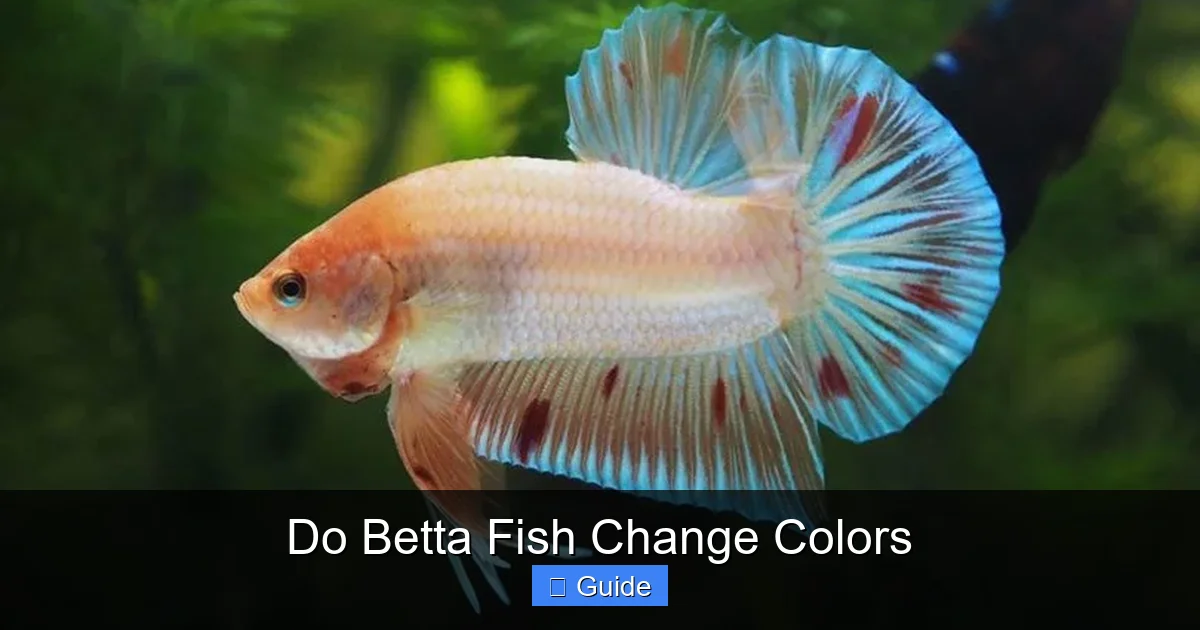
To understand change, we must first understand the foundation. A betta’s color isn’t painted on its scales like a toy; it’s produced by specialized cells in its skin called chromatophores. Think of these as tiny, colored factories stacked in layers. The combination and activity of these layers create the vast spectrum of betta colors we see. The primary types are:
Visual guide about Do Betta Fish Change Colors
Image source: articles.hepper.com
- Melanophores: Produce black and brown pigments (like melanin).
- Xanthophores: Responsible for yellow and orange hues.
- Erythrophores: Create reds and oranges.
- Iridophores: Not pigment-based! These cells contain guanine crystals that reflect light, creating iridescent blues, greens, and purples through structural coloration. This is why some bettas shimmer and change color slightly depending on your viewing angle.
- Leucophores: Produce white areas by scattering all wavelengths of light.
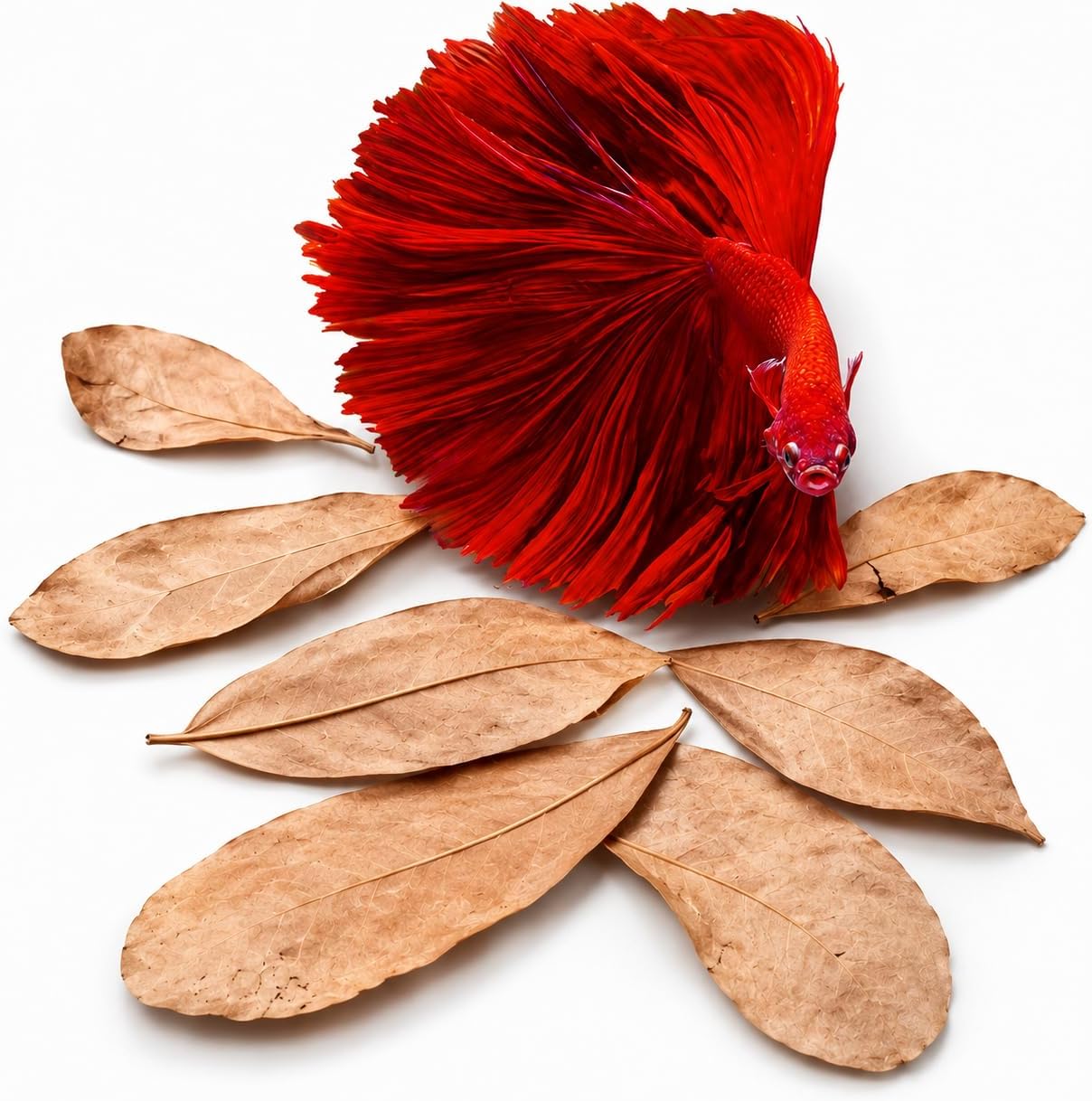
A betta’s genetic code dictates which chromatophores are present, how many layers deep they are, and how active they are. When you see a vibrant blue betta, it’s likely because its iridophores are highly active and sitting near the surface. A solid red betta has a deep, active layer of erythrophores. The stunning “mustard gas” betta combines yellow xanthophores with a blue iridescent layer on top. Changes happen when the activity of these cells increases, decreases, or when new layers become visible as the fish grows.
Marvelous Marbling: The Genetic Jackpot
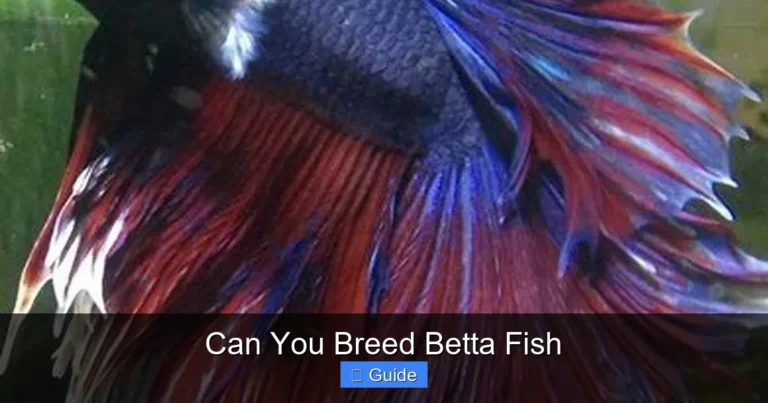
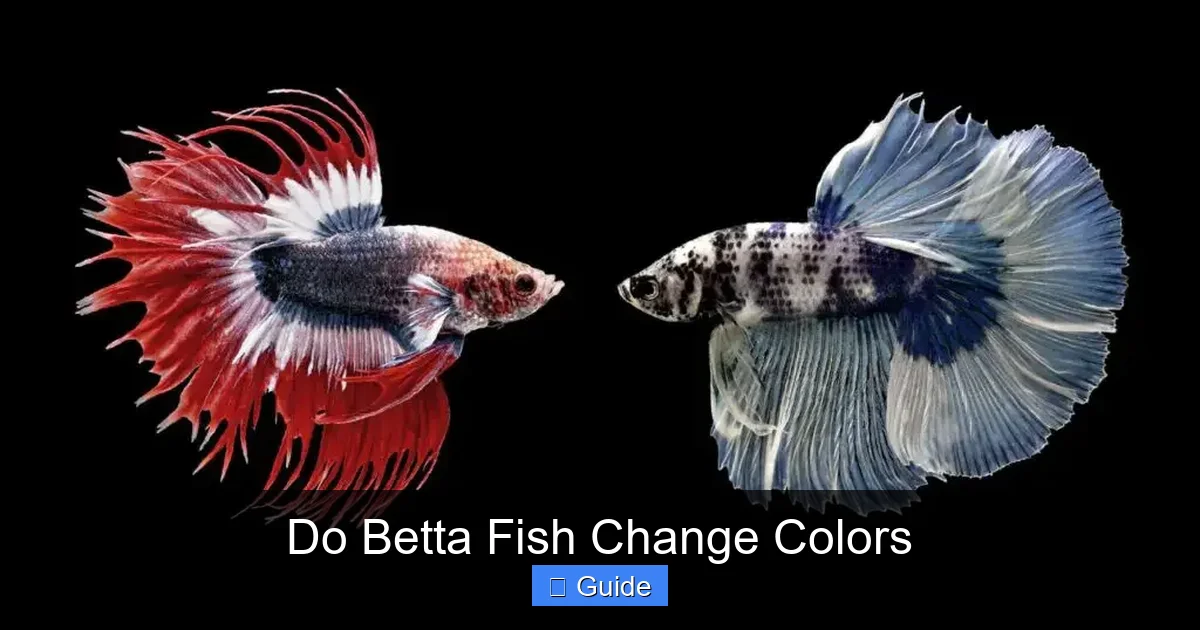
The most famous and often beautiful color change in bettas is called marbling. This is when new color patches, spots, or patterns appear on the fish’s body and fins over time. A solid blue betta might develop red splotches, or a red betta might get a blue tail. This is almost always a genetic phenomenon, specifically linked to a gene often called the “marbling gene” or “jumping gene.”
This gene isn’t constantly “on.” It can activate randomly at various stages of a betta’s life, causing pigment cells to migrate to new areas on the skin. It’s like the genetic blueprint is being rewritten in sections. This is why you might see a young betta with one pattern that completely transforms into a multicolored adult. True marbling is generally slow, occurring over weeks or months, and the new colors are stable—they don’t fade away. It’s a natural, non-harmful process and is actually highly prized by many betta enthusiasts. Some famous betta strains, like the Koi or Marble varieties, are specifically bred for their propensity to marble dramatically.
Stress Signals: When Your Environment Speaks in Fading Colors
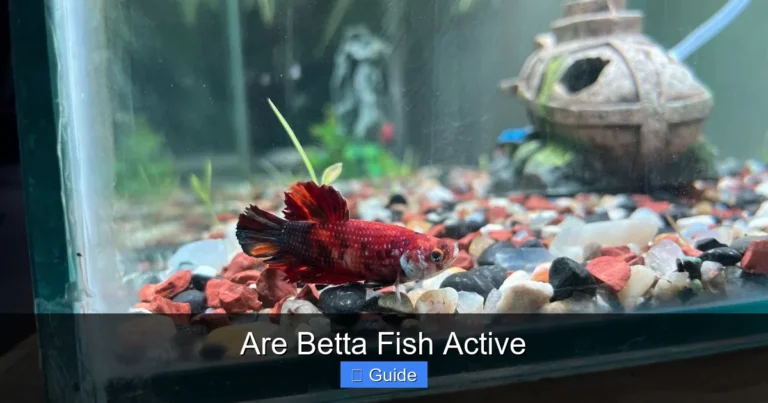
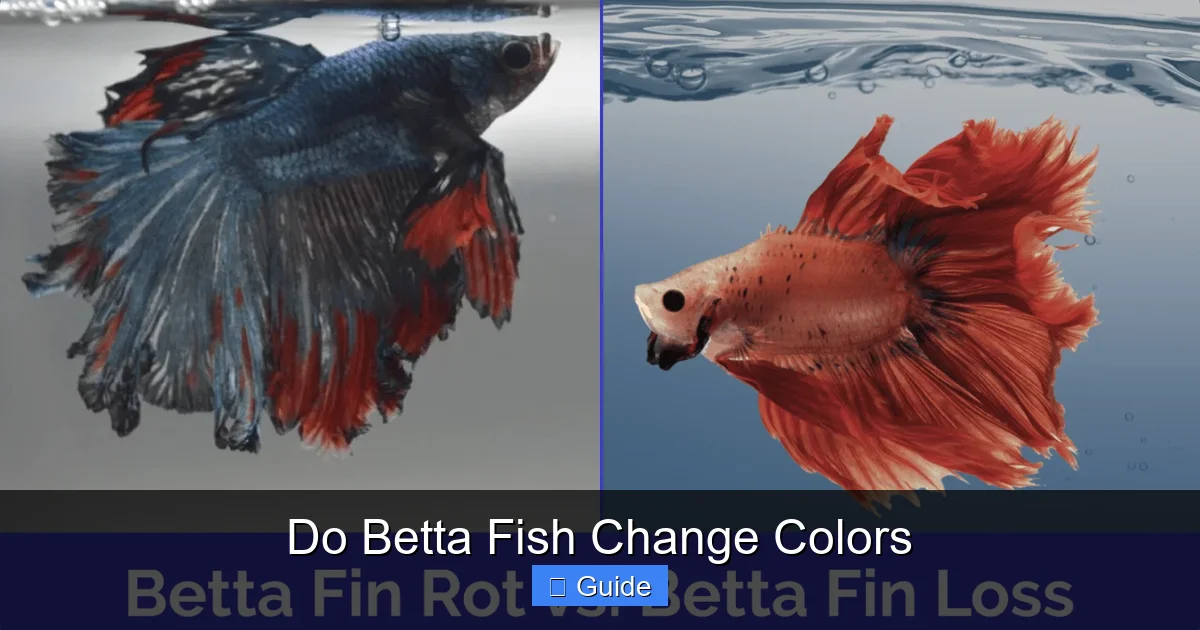
While genetics sets the potential, your betta’s immediate environment has the most direct and rapid impact on its color display. A stressed betta is a dull betta. Stress hormones can cause chromatophores to contract or become less active, making colors appear washed out, faded, or patchy. This is a crucial survival mechanism in the wild, helping them blend in when unwell or threatened. In your aquarium, common stressors include:
Visual guide about Do Betta Fish Change Colors
Image source: articles.hepper.com
- Poor Water Quality: The #1 culprit. High ammonia or nitrite, unstable pH, and dirty conditions are chronic stressors. You’ll often see a gradual fading of the most vibrant colors.
- Incorrect Temperature: Bettas are tropical fish. Water that’s too cold (below 76°F/24°C) slows their metabolism and dulls their colors. Water that’s too hot (above 82°F/28°C) causes stress and oxygen deprivation.
- Aggressive or Incompatible Tank Mates: Constant harassment from other fish, especially fin-nippers, causes immense stress. A bullied betta will often hide, clamp its fins, and lose color.
- Boredom and Lack of Stimulation: A bare, empty tank with no plants, hides, or things to explore can lead to chronic, low-grade stress and lethargy, reflected in drab colors.
- Sudden Changes: A rapid shift in water parameters, a loud noise near the tank, or being moved can cause a temporary stress response and color paling.
The key here is that stress-induced fading is often reversible. If you notice your betta’s color suddenly or gradually fading, the first and most important step is to test your water parameters (ammonia, nitrite, nitrate, pH) and ensure the temperature is stable and correct. Rectifying these issues will often bring the color back as your fish relaxes and regains its health.
The Tale of the “Fighting Fish” Fade
Historically, bettas were bred for aggression. In a fight, a stressed, injured betta would fade to avoid drawing attention. This instinct is deeply ingrained. You might notice your betta’s colors dim slightly during a water change (a stressful event) or when you first turn on the bright aquarium light. This is a normal, temporary stress response. The colors should return within an hour or so once the fish acclimates. However, if the fading persists for days, it’s a clear sign the stressor is ongoing and needs to be identified and eliminated.
The March of Time: Aging and Natural Color Progression
Like humans, bettas change as they grow older. A young betta (under 6 months) is often still developing its full color potential. Its chromatophore layers might still be filling in. As it matures into adulthood (6 months to 2 years), you may see colors deepen, patterns become more defined, or iridescence become more pronounced. This is a positive sign of a healthy, maturing fish.
Visual guide about Do Betta Fish Change Colors
Image source: bettafishworld.com
The most noticeable age-related change is often the development of marbling, as discussed earlier. A betta that was a solid color for its first year might start developing white, red, or blue patches in its second or third year. This is usually a slow, benign process. Additionally, older bettas (3+ years) may experience some general fading simply due to the aging process. Their metabolism slows, and their overall vibrancy might not be what it was in their prime. This is a natural part of their lifecycle and not necessarily a cause for concern, provided water quality remains pristine and they are otherwise active and eating well.
Health Alerts: When Color Change is a Cry for Help
This is the most critical section. Not all color changes are benign. Some are direct symptoms of disease or severe health deterioration. These changes are often rapid, dramatic, and accompanied by other clear signs of illness. Here are the major red flags:
- Velvet Disease (Oodinium): This parasitic infection is infamous for causing a distinct, dusty, rust-colored or gold sheen on the fish’s body and fins. It looks like the fish is sprinkled with fine gold dust. The fish will also scratch against objects (flashing), clamp its fins, and become lethargic.
- Ich (White Spot Disease): Caused by a different parasite, it manifests as distinct, salt-grain-sized white spots all over the body and fins. The fish will also flash and become very lethargic.
- Fungal Infections: Appear as white, cotton-like growths on the body, fins, or especially on damaged tissue. The underlying color may look pale or red around the infected area.
- Bacterial Infections (Fin Rot, Body Rot): Cause frayed, torn, or decaying fins (fin rot) or ulcers/sores on the body (body rot). The affected areas turn white, black, or red and disintegrate. The overall color can look very sickly.
- Severe Ammonia Poisoning/Burns: Exposure to high ammonia causes chemical burns on the gills and skin. You might see red, inflamed areas (especially on the gills, which may appear bright red and swollen), and the fish will gasp at the surface. Its overall color will be extremely dull and pale.
- Nitrite Poisoning (“Brown Blood Disease”): Causes the fish’s blood to turn brown and unable to carry oxygen. A classic sign is the fish’s gills turning a dark brown or chocolate color, while the body becomes pale and struggles to breathe.
If you observe any of these specific color changes along with behavioral changes (lethargy, loss of appetite, gasping, flashing, clamped fins), it is a veterinary emergency. You must immediately test your water, perform a partial water change, and begin appropriate treatment. Do not wait to see if it improves.
Cultivating Chromatic Brilliance: How to Support Your Betta’s Colors
While you can’t change your betta’s genetic blueprint, you can absolutely create the optimal conditions for its inherent colors to shine at their brightest. Think of yourself as a curator for a living masterpiece. Your goal is to minimize stress and maximize health.
Water Quality: The Non-Negotiable Foundation
This cannot be overstated. A clean, stable tank is the single most important factor. Perform weekly partial water changes (25-30%) with a properly conditioned water source that matches your tank’s temperature and pH. Use a reliable test kit (liquid tests are more accurate than strips) to keep ammonia and nitrite at a permanent 0 ppm and nitrate below 20 ppm. A cycled, filtered tank is ideal for maintaining stability.
Diet: You Are What You Eat
A high-quality, varied diet is essential. Feed a staple of high-protein betta pellets or frozen foods (like brine shrimp, daphnia, bloodworms). To specifically enhance color, incorporate foods rich in natural carotenoids and astaxanthin. These include:
- High-quality pellets formulated with color enhancers.
- Frozen or live brine shrimp (naturally pinkish).
- Daphnia (green water fleas).
- Krill or mysis shrimp.
- Occasional, tiny pieces of cooked pea (for fiber, not color).
Avoid overfeeding, which fouls the water. A betta’s stomach is roughly the size of its eye.
Tank Setup: Stress-Free Living
Provide a tank of at least 5 gallons. This provides stable water volume and space. Include a secure lid (bettas jump!). Add live or silk plants (avoid plastic, which can tear fins) for hiding and resting. A small, smooth cave or betta log provides security. Use a gentle filter with a flow adjuster to create a calm current—bettas are not strong swimmers. Keep the light on a consistent day/night cycle (8-10 hours) and avoid overly bright, harsh lighting which can stress them.
The Right Tank Mates (If Any)
Bettas are famously solitary and territorial. If you choose to keep tank mates, they must be carefully researched. Good candidates are peaceful, fast-moving, and non-flashy fish like certain tetras (neons, ember), rasboras, or corydoras catfish, in a sufficiently large, heavily planted tank. Never house two male bettas together. Female bettas can sometimes be kept in sorority tanks with extreme caution and expertise. For a beginner, a single betta in a species-only tank is the safest and least stressful option.
Conclusion: Embracing the Dynamic Beauty of Your Betta
So, do betta fish change colors? The resounding answer is yes, and now you know the multifaceted “why.” Your betta is not a static decoration; it’s a dynamic, responsive creature. The colors you see are a living report card on its genetics, its environment, and its health. A slow, beautiful marbling pattern emerging is a joy to witness—a testament to its unique genetic story. A sudden, dramatic fade is a urgent signal to check your water and your fish’s behavior. The key to unlocking your betta’s most vibrant display lies not in a secret potion, but in the consistent, diligent practice of excellent fishkeeping: pristine water, a nutritious diet, a stress-free home, and keen observation.
By understanding these principles, you move beyond simple ownership to true stewardship. You learn to read the subtle language of your betta’s appearance. You celebrate its developing beauty and act swiftly when its colors warn of trouble. In doing so, you provide the best possible life for your living jewel, ensuring that its fins flow with health and its colors tell a story of excellent care for as long as its little heart beats. The next time you gaze at your betta and notice a new hint of blue or a flash of red, you’ll know it’s not just change—it’s communication.
Frequently Asked Questions
Is it normal for my betta fish to change color?
Yes, it is completely normal. Betta fish commonly change color due to genetics (marbling), aging, stress, or health. The key is to observe the speed and context of the change along with behavior.
Why is my betta fish turning white or pale?
A betta turning pale is most often a sign of stress from poor water quality, incorrect temperature, or a disease like velvet or ich. Immediately test your water parameters and look for other symptoms like lethargy or scratching.
How can I make my betta fish’s colors brighter?
Focus on optimal care: maintain pristine water with regular changes, keep the water temperature stable between 78-80°F (25-27°C), feed a high-quality diet with color-enhancing foods like brine shrimp, and provide a calm, planted tank with no aggressive tank mates.
What is marbling in betta fish?
Marbling is a genetic process where a betta develops new color patches or patterns over time. It’s caused by a “jumping gene” that activates randomly. This slow, continuous change is usually harmless and is a normal part of many bettas’ lives.
When should I be worried about my betta’s color change?
Be concerned if the change is sudden and dramatic, especially if paired with white spots (ich), a gold rust dust (velvet), frayed fins (fin rot), lethargy, loss of appetite, or gasping at the surface. These are signs of disease or toxic water conditions requiring immediate action.
Do all betta fish change color?
While not every single betta will undergo dramatic marbling, the vast majority will experience *some* color change throughout their life, whether it’s deepening with age, slight fading from stress, or the development of new patterns. Complete color stasis is relatively rare.