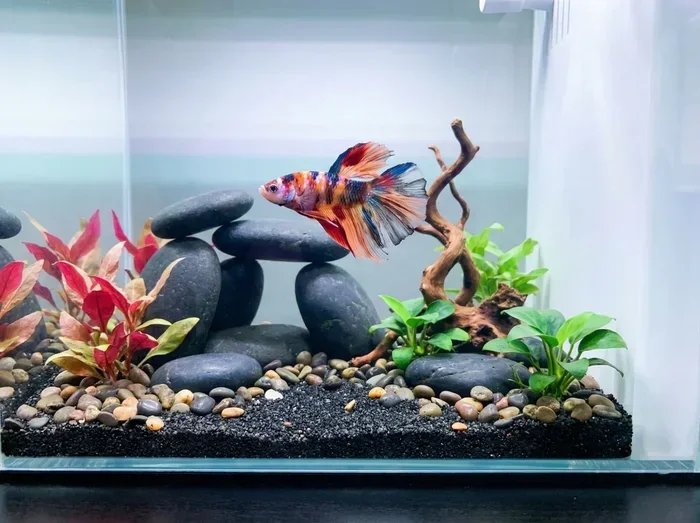
What Fish Can Go with a Betta

Knowing what fish can go with a betta is essential for a happy, healthy aquarium. The right betta tank mates can create a stunning community tank, while the wrong choices lead to stress and conflict. This guide covers the best compatible fish, species to avoid, and practical tips for setting up a peaceful tank.
So you have a beautiful betta fish, and you want to add some friends to the tank. That is a great idea! But here is the big question: what fish can go with a betta? Not every fish gets along with bettas. Some species will nip at those gorgeous fins, while others might stress your betta out completely. Choosing the right betta tank mates can turn a plain tank into a vibrant underwater world.
This guide walks you through everything you need to know. We will cover the best fish that pair well with bettas, species you should definitely avoid, and practical tips for setting up a peaceful community tank. Whether you are a beginner or a seasoned aquarist, you will find useful advice on compatible fish for bettas that actually works.
The key to a successful community tank is understanding your betta’s personality. Some bettas are calm and social, while others are territorial and aggressive. By picking the right peaceful fish for betta tank setups, you give every fish the best chance to thrive. Let us dive in and explore the top options.
Key Takeaways
- Choose peaceful, non-aggressive fish: Species like corydoras, tetras, and kuhli loaches make excellent betta fish companions when chosen carefully.
- Avoid fin-nippers and aggressive fish: Fish like tiger barbs and goldfish can harm your betta or cause constant stress.
- Snails and shrimp are great options: Can snails go in a tank with betta fish? Yes! Nerite snails and ghost shrimp are ideal low-risk tank mates.
- Tank size and setup matter: A properly sized tank with plenty of hiding spots reduces aggression and keeps everyone comfortable.
- Monitor behavior closely: Even with the best choices, watch for signs of stress or aggression and be ready to adjust.
- Female bettas can be more social: They often tolerate tank mates better than males, opening up more options for your community tank.
- Research each species first: Understanding each fish’s needs ensures a harmonious and thriving aquarium.
📑 Table of Contents
Best Fish That Can Go With a Betta
Finding the right fish that live with bettas starts with knowing which species are calm, non-aggressive, and occupy different areas of the tank. A good rule of thumb is to choose fish that stay away from your betta’s favorite spots. This reduces the chance of territorial disputes.
Corydoras Catfish
Corydoras, or corys, are tiny bottom-dwelling fish that make wonderful betta companions. They stick to the floor of the tank, which means they rarely cross paths with your betta. These little guys are peaceful, fun to watch, and help keep the substrate clean. What fish can go with a betta at the bottom of the tank? Corys are one of the top answers.
Kuhli Loaches
Kuhli loaches are another excellent choice. They are eel-shaped fish that prefer to hide during the day and come out at night. Because they are so active at night, they avoid most daytime conflicts with your betta. Their quirky appearance adds a lot of character to any tank.
Neon Tetras and Ember Tetras
Small tetras like neon tetras and ember tetras are colorful and peaceful. They school together in the middle and upper parts of the tank, staying well away from your betta. Can you put schooling fish with a betta? Yes! Tetras are one of the best schooling fish for a betta community tank. Just make sure you keep them in groups of six or more so they feel secure.
Harlequin Rasboras
Harlequin rasboras are slightly larger than tetras and have a beautiful copper-and-black pattern. They are calm, hardy, and make excellent betta fish companions. Like tetras, they school together and stay in the mid-level of the tank, which keeps them out of your betta’s way.
Pygmy Corydoras
Pygmy corys are a smaller version of regular corys. They are super active and stay near the bottom. Their tiny size means they will not compete with your betta for food or space. They are one of the safest choices when you are wondering what types of fish can live with a male betta.
Fish to Avoid With Your Betta
Knowing which fish to avoid is just as important as knowing which ones to choose. Some species are naturally aggressive, while others have traits that clash with betta behavior. Here are the main fish you should keep away from your betta.
Goldfish
You might have seen videos of bettas and goldfish together, but this is a bad idea. Goldfish produce a lot of waste, and they need much colder water than bettas. Can a betta fish go in with a goldfish? No. The temperature needs alone make this combination impossible for a healthy setup. Goldfish can also grow very large and may bully your betta.
Tiger Barbs
Tiger barbs are notorious fin-nippers. Their nippy behavior can cause serious damage to your betta’s long, flowing fins. What fish can go with a betta if you want to avoid fin damage? Stay away from barbs, serpae tetras, and any other species known for nipping.
Gouramis
Gouramis are similar to bettas in both appearance and temperament. They are labyrinth fish, just like bettas, and they tend to be territorial. Housing two labyrinth fish together often leads to fighting and stress. It is best to skip gouramis entirely.
Angelfish
Angelfish grow quite large and can become aggressive, especially as they mature. They may see your betta’s fins as something to nip at. Their size alone makes them a poor match for most betta tanks.
Setting Up a Community Tank for Your Betta
A successful community tank is about more than just picking the right fish. The tank setup plays a huge role in keeping the peace. Let us look at the key factors you need to consider.
Tank Size Matters
A minimum of 10 gallons is recommended for a betta community tank. The extra space gives everyone room to establish their own territories. What can go in a tank with a betta fish becomes much easier when there is enough room. A cramped tank increases stress and aggression for all inhabitants.
Add Plenty of Hiding Spots
Plants, caves, and decorations give shy fish places to retreat. Live plants like java moss and amazon sword plants are excellent choices. They not only provide hiding spots but also help maintain water quality. Floating plants are a bonus because bettas love resting near the surface.
Choose the Right Substrate and Décor
Soft substrate like sand is ideal, especially for bottom-dwelling fish like corys. Avoid sharp decorations that could damage your betta’s delicate fins. Smooth rocks and driftwood create a natural look while keeping everyone safe.
Keep the Water Parameters Stable
Betta fish thrive in warm water between 76 and 82 degrees Fahrenheit. Make sure any tank mates you choose can tolerate the same temperature range. Stable water conditions reduce stress and prevent illness. Can you use a filter with betta fish? Absolutely, but choose a gentle filter to avoid strong currents that bettas dislike.
Can Snails and Shrimp Be Betta Tank Mates?
Not all betta fish companions need to be fish. Invertebrates like snails and shrimp can be fantastic additions to a betta tank. They serve useful purposes and rarely cause problems.
Nerite Snails
Nerite snails are one of the best algae eaters for a betta tank. They stay small, do not reproduce in freshwater, and are completely peaceful. Can snails go in a tank with betta fish? Yes, and nerite snails are one of the safest options. They mind their own business and help keep the glass clean.
Ghost Shrimp
Ghost shrimp are inexpensive and great at cleaning up leftover food. Most bettas ignore them, but some may try to hunt them. If you have a particularly aggressive betta, ghost shrimp might not survive long. Still, they are worth a try for many aquarists.
Amano Shrimp
Amano shrimp are larger than ghost shrimp and harder for bettas to catch. They are excellent algae eaters and very hardy. These shrimp add movement and interest to the tank without posing any threat to your betta.
Common Mistakes When Choosing Betta Tank Mates
Even with good intentions, many aquarists make mistakes when selecting compatible fish for bettas. Here are the most common errors to avoid.
Overcrowding the Tank
Too many fish in a small tank leads to ammonia spikes, aggression, and stress. Always research the adult size and social needs of each species before adding them. A good rule is one inch of fish per gallon of water, but this varies by species.
Ignoring Temperature Requirements
Not all tropical fish need the same temperature. Some species prefer cooler water, which makes them incompatible with bettas. Always double-check that your chosen tank mates thrive in the same range as your betta.
Choosing Fish That Look Like Bettas
Fish that resemble bettas, like gouramis or other anabantoids, often trigger territorial behavior. Your betta may see them as rivals and attack constantly. Stick to fish that look very different from your betta to reduce aggression.
Skipping the Quarantine Period
New fish can carry diseases or parasites that spread to your betta. Always quarantine new arrivals for at least two weeks before adding them to the main tank. This simple step protects the health of your entire aquarium.
Expert Tips for a Thriving Betta Community Tank
Setting up a community tank takes patience and observation. Here are some expert tips that make a real difference.
First, introduce tank mates slowly. Add one or two fish at a time and watch how your betta reacts. If you notice flaring, chasing, or hiding, give the fish more time to adjust or reconsider the pairing. What can I keep with a betta fish without any issues? Start with the most peaceful species and build from there.
Second, feed your betta separately if needed. Some tank mates are faster eaters and may outcompete your betta for food. Use a feeding ring or target-feed your betta to make sure it gets enough to eat.
Third, perform regular water changes. A clean tank keeps all fish healthy and reduces aggression caused by poor water conditions. Test your water parameters weekly and address any imbalances quickly.
Finally, trust your instincts. If a fish seems stressed or the tank feels overcrowded, take action. Moving a fish to a separate tank is always better than letting problems escalate.
Conclusion
Finding the right fish that can go with a betta is one of the most rewarding parts of fishkeeping. By choosing peaceful, compatible species and setting up the tank properly, you create a beautiful and harmonious underwater environment. Remember to start with hardy, non-aggressive fish like corydoras, tetras, and loaches. Avoid known troublemakers like goldfish, tiger barbs, and gouramis. And do not overlook snails and shrimp as excellent low-risk options.
The best betta tank mates are ones that share similar water parameters, occupy different tank zones, and complement your betta’s personality. Take your time, do your research, and enjoy the process of building a thriving community tank. With the right choices, your betta and its companions will live happily together for years to come.
Frequently Asked Questions
What is the best fish to pair with a betta?
Corydoras catfish, neon tetras, and kuhli loaches are among the best choices. They are peaceful, stay in different parts of the tank, and rarely bother your betta. Always monitor their behavior when first introduced.
Can I keep a betta with a goldfish?
No. Goldfish need cooler water and produce too much waste for a betta tank. The temperature and water quality requirements are completely different, making this combination harmful for both fish.
How many tank mates can a betta have?
In a 10-gallon tank, 3 to 5 small peaceful fish is a good starting point. The exact number depends on tank size, filtration, and the temperament of each species. Never overcrowd the tank.
Will a betta eat my shrimp?
Some bettas may hunt small shrimp like ghost shrimp. Amano shrimp and larger species are usually safe because they are too big for bettas to eat. Your betta’s personality plays a big role here.
Can female bettas live with other fish?
Yes, female bettas are generally less aggressive than males and often do well with community tank mates. They can even be kept in small groups called sororities with proper setup and enough space.
Do bettas need a heater?
Yes. Betta fish are tropical and need warm water between 76 and 82 degrees Fahrenheit. A reliable heater helps maintain stable temperatures, which is essential for your betta’s health and immune system.