Do Betta Fish Go Blind
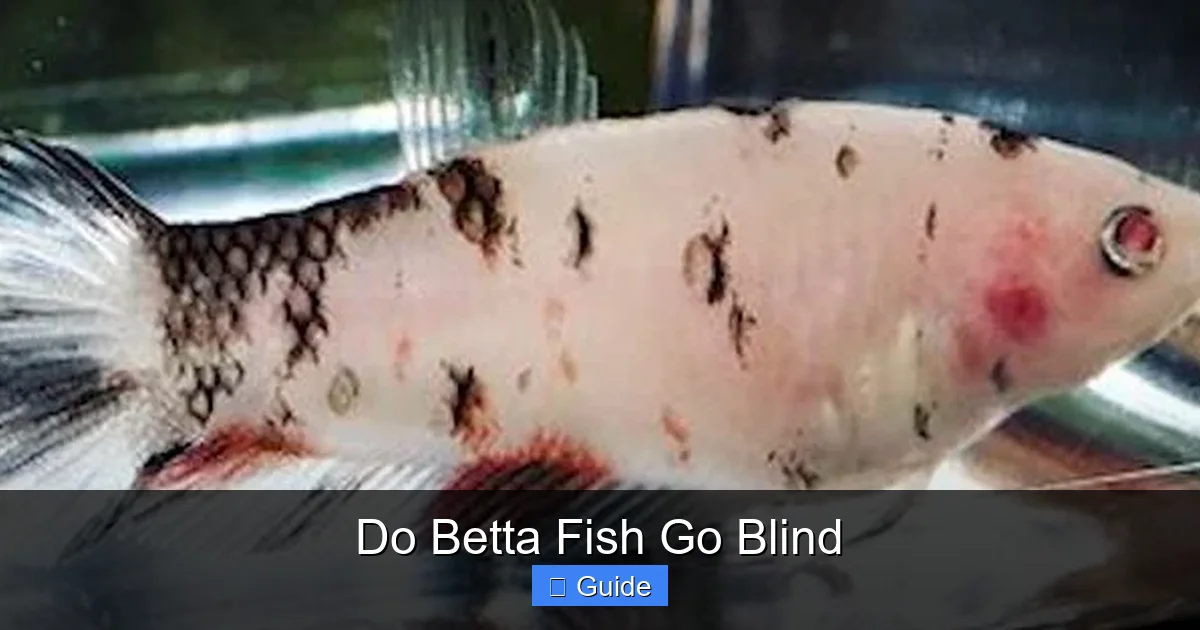
Yes, betta fish can go blind, but it’s often not a sudden, complete loss of sight. Blindness in bettas is typically a symptom of an underlying issue like a bacterial or parasitic infection, physical injury, poor water conditions, or old age. The condition can sometimes be reversed if the root cause is identified and treated promptly. If blindness is permanent, bettas can adapt surprisingly well with proper tank management and owner care, as they rely heavily on other senses. Early detection of vision problems is key to preventing further health complications.
Key Takeaways
- Blindness is a symptom, not a disease: A blind betta is almost always suffering from another primary health issue that must be addressed.
- Infections are the leading cause: Bacterial (like *Aeromonas*), parasitic (such as *Ichthyophthirius multifiliis* or flukes), and fungal infections are the most common culprits behind cloudy eyes and vision loss.
- Water quality is non-negotiable: Chronic exposure to poor water parameters (high ammonia/nitrite, improper pH) severely damages sensitive eye tissues and is a major preventable cause.
- Physical trauma is a significant risk: Betta fish can injure their eyes on sharp tank décor, during aggressive encounters with tank mates, or from being netted improperly.
- Genetics and age play a role: Some bettas are genetically predisposed to eye issues, and degenerative vision loss is a natural part of the aging process for these fish.
- Adaptation is possible: A blind betta can live a full, stress-free life if its environment is made safe and predictable, as they use their lateral line and sense of smell to navigate.
- Veterinary care is critical: Never guess at treatment. A proper diagnosis from an aquatic vet is essential for effective treatment and to rule out contagious diseases.
📑 Table of Contents
- Understanding Vision in Betta Fish: More Than Meets the Eye
- The Most Common culprits: Why Do Betta Fish Lose Their Sight?
- Spotting the Signs: Symptoms of Vision Impairment in Your Betta
- Prevention and Proactive Care: Keeping Your Betta’s Vision Sharp
- What to Do If You Suspect Vision Loss: A Step-by-Step Guide
- Life with a Blind Betta: Adaptation and Enrichment
- Conclusion: Vision is Vital, but Not Everything
Understanding Vision in Betta Fish: More Than Meets the Eye
Before we can understand if and how betta fish go blind, we need a quick lesson in how they see the world. Betta fish, like most fish, don’t see the same way we do. Their vision is adapted for a life in the water, with both strengths and limitations. They have a monocular vision, meaning each eye sees a slightly different field of view, giving them a wide, almost 360-degree awareness of their surroundings—a crucial survival trait for a territorial fish. However, their depth perception isn’t great. They also possess a special layer behind their retina called the tapetum lucidum, which reflects light and helps them see in dimmer conditions, much like a cat’s eyes glow in the dark. This makes them somewhat sensitive to bright, harsh aquarium lighting.
So, when we talk about a betta going “blind,” it’s rarely like flipping a switch to total darkness. It’s more often a gradual or acute degradation of their ability to see clearly, detect movement, or focus. This can manifest as cloudiness over the eye, physical damage to the eye structure, or neurological issues that prevent the brain from processing visual signals. Their world becomes blurry, dark, or distorted, which is incredibly stressful for a fish that relies on sight to hunt, navigate, and defend its territory.
The Most Common culprits: Why Do Betta Fish Lose Their Sight?
Blindness in bettas is almost always secondary to another problem. Think of it as a warning light on your car’s dashboard—the dim headlight (blindness) is telling you there’s a deeper issue under the hood. Let’s break down the primary suspects.
Visual guide about Do Betta Fish Go Blind
Image source: petshun.com
1. Infectious Invaders: Bacterial, Parasitic, and Fungal Attacks
This is the number one category for causing eye problems. Infections can attack the external eye, the internal structures, or even the optic nerve.
- Bacterial Infections (e.g., Aeromonas spp.): Often a result of poor water quality, these bacteria can cause a condition known as “cloudy eye” or “pop-eye” (exophthalmia). The eye becomes visibly milky, swollen, and protruding. The bacterial load inflames the cornea and internal tissues, obstructing vision.
- Parasitic Infections: The infamous “Ich” parasite (*Ichthyophthirius multifiliis*) can attach to the eye’s surface, causing intense irritation, scratching, and secondary infections. Flukes (trematodes) can burrow into the eye tissue. Anchor worms can even attach near the eye, causing massive inflammation and damage.
- Fungal Infections: Often following an injury or bacterial infection, fungal spores (like *Saprolegnia*) can take hold. They appear as white, fluffy growths on the eye or surrounding tissue, physically blocking vision and destroying cells.
2. The Brutal Impact of Physical Injury
Betta fish are curious, territorial, and sometimes clumsy. Their large, protruding eyes are vulnerable.
- Tank Décor: Sharp edges on rocks, coarse gravel, or pointed plastic plants can scratch or puncture the cornea. A single scratch can become a gateway for a devastating infection.
- Tank Mates: Housing a betta with aggressive fish (like some barbs or fin-nippers) or even another betta can lead to fights. Bites or nips directly to the eye are common and can cause permanent structural damage.
- Handling: Using a net that’s too small, squeezing the body, or scraping the fish against the tank glass during a transfer can all cause blunt force trauma to the eye.
3. The Silent Killer: Poor Water Quality
This is the foundational cause behind so many betta ailments. Ammonia and nitrite are toxic to all living tissue, but the delicate mucous membranes and epithelial cells of the eye are especially susceptible. Chronic exposure to even low levels of these toxins causes chemical burns, chronic inflammation, and tissue breakdown. High levels of dissolved metals (like copper from some medications or tap water) are also directly toxic to fish eyes. A betta living in a poorly cycled, infrequently changed tank is essentially living in a slow-acting chemical irritant bath for its eyes.
4. Genetics and the Inevitability of Age
Some betta strains, particularly those with extremely large, balloon-like eyes (like some Halfmoon types with excessive droop), may have a genetic predisposition to eye problems or impaired vision from the start. Furthermore, as bettas age (they can live 3-5 years with excellent care), their bodies, like ours, undergo degenerative changes. The lens can become less flexible (presbyopia), and retinal cells can deteriorate, leading to a gradual dimming and loss of clarity. This is a natural, non-infectious form of blindness.
Spotting the Signs: Symptoms of Vision Impairment in Your Betta
Because your betta can’t tell you it’s having trouble seeing, you must become a detective. Look for changes in behavior and physical appearance.

Visual guide about Do Betta Fish Go Blind
Image source: bettacarefishguide.com
Behavioral Red Flags
The most telling signs are often how your betta moves and interacts with its world.
- The “Wall Bumper”: Frequently swimming directly into the tank glass, décor, or the filter intake. This is the classic sign of significant visual impairment.
- Hesitant or Erratic Swimming: Moving slowly, cautiously, or in strange, repetitive patterns. It may seem disoriented, especially in open areas.
- Failure to Recognize Food: Food lands right in front of it, but it doesn’t notice. You may need to gently wiggle a feeding tweezer or drop food directly onto its head.
- Loss of Territorial Aggression: A betta that no longer flares at its reflection or a passing finger may be unable to see the “threat.” Conversely, it might become hypersensitive and flare at any water movement it feels, mistaking it for a predator.
- Increased Startle Response: Jumping at sudden movements or shadows because it didn’t see them coming until the last second.
Physical Warning Signs
A visual inspection of the eye itself is crucial.
- Cloudiness: The cornea (the clear front part) appears milky, white, or hazy. This can be in one eye or both.
- Swelling (Edema): The eye is visibly larger, puffy, or protruding from the socket (exophthalmia).
- Discoloration: The eye may turn white, gray, or even reddish.
- Growths or Lesions: Visible spots, fluffy patches (fungus), ulcers, or scratches on the surface of the eye.
- Sinking or Protrusion: The eye may appear to sink into the head or bulge outward abnormally.
- Missing Eye: In cases of severe trauma or advanced infection, the eye may be lost entirely.
Prevention and Proactive Care: Keeping Your Betta’s Vision Sharp
An ounce of prevention is worth a pound of cure. For betta eye health, this is absolutely true. The best way to deal with blindness is to ensure it never happens.
Visual guide about Do Betta Fish Go Blind
Image source: buildyouraquarium.com
The Foundation: Impeccable Water Quality
This cannot be stressed enough. Your betta’s tank is not a “set and forget” ecosystem. It’s a closed system where waste rapidly becomes poison.
- Cycle Your Tank: Never place a betta in an uncycled tank. A fully cycled aquarium has beneficial bacteria that convert toxic ammonia to less harmful nitrates.
- Test Regularly: Use a liquid test kit (not strips) to check ammonia, nitrite, nitrate, and pH at least once a week. Ammonia and nitrite must always be at 0 ppm.
- Perform Water Changes: Change 25-50% of the water weekly, using a dechlorinator that removes chlorine, chloramines, and heavy metals. Vacuum the substrate to remove detritus.
- Avoid Overstocking and Overfeeding: A single betta in a 5+ gallon tank is ideal. Excess food decays and pollutes the water. Feed only what it can eat in 2-3 minutes, once or twice a day.
Smart Tank Setup: Safety First
Your betta’s home should be a sanctuary, not an obstacle course.
- Smooth Décor: Sand or smooth, rounded gravel. Avoid sharp rocks. Choose live plants (like Java fern, Anubias) or silk plants with soft, flowing leaves. Plastic plants should have flexible, non-abrasive leaves.
- Hideouts: Provide caves, betta logs, or dense plant clusters where your fish can feel secure. Stress weakens the immune system.
- Gentle Filtration: Use a sponge filter or a hang-on-back filter with a flow diffuser. Betta fins are delicate, and strong currents can push them into glass or décor, causing injury.
- Lighting: Use moderate lighting. Avoid bright, direct LED lights. Provide shaded areas using floating plants or the canopy of taller plants.
Diet for Defense
A strong immune system is the best internal defense against infection.
- High-Quality Food: Base the diet on a high-protein pellet or flake formulated specifically for bettas.
- Variety is Key: Supplement with occasional treats of frozen or live foods like daphnia, brine shrimp, or bloodworms. These provide essential nutrients and act as a natural laxative.
- Vitamin Boost: Soak foods in a vitamin supplement (like a B-complex or vitamin C) occasionally to support immune function. Some keepers add a drop of Seachem Focus (a vitamin supplement) to their food.
Peaceful Cohabitation
If you choose to have tank mates, choose them with extreme caution.
- Research Thoroughly: Only consider peaceful, non-fin-nipping species that occupy different tank levels (e.g., peaceful rasboras, some Corydoras catfish, snails, shrimp).
- Observe Closely: Watch for any chasing or nipping. Be prepared to separate immediately if aggression occurs.
- When in Doubt, Solo: A single betta in a well-decorated, spacious tank is often the safest and least stressful option, eliminating the risk of injury from tank mates entirely.
What to Do If You Suspect Vision Loss: A Step-by-Step Guide
If you notice any of the symptoms mentioned earlier, immediate action is required. Time is tissue.
Step 1: Isolate and Assess
Gently move the affected betta to a clean, hospital tank (5 gallons is perfect). This does two things: it allows for precise medication dosing without harming biological filtration in the main tank, and it removes any potential irritants or aggressive tank mates. In the hospital tank, use clean, dechlorinated water at the same temperature as the main tank. Observe closely. Is the cloudiness on the surface or deep within? Is there swelling? Are there other signs of illness (clamped fins, lethargy, scratching)?
Step 2: Test and Improve Water Immediately
Test the water in both the main and hospital tanks. If there is any trace of ammonia or nitrite, perform an immediate 50% water change in the hospital tank and begin a rigorous schedule of 25% daily changes. Ensure the water temperature is a stable 78-80°F (25.5-26.5°C).
Step 3: Seek a Professional Diagnosis
This is the most important step. Do not randomly dump medications into the tank. Different causes require completely different treatments.
- Bacterial infection: Requires antibiotics (e.g., Kanamycin, Tetracycline, or broad-spectrum antibiotics like Furan-2).
- Parasitic infection: Requires antiparasitics (e.g., Copper-based medications for flukes/velvet, formalin or malachite green for Ich). Note: Copper is toxic to invertebrates.
- Fungal infection: Requires antifungals (e.g., Methylene Blue, Malachite Green).
- Injury without infection: May only require pristine water and a stress-free environment to heal, though a broad-spectrum antibiotic bath can be a prophylactic.
An aquatic veterinarian can provide the most accurate diagnosis, often via a skin/gill scrape or even a cytology of the eye discharge. If a vet isn’t accessible, reputable aquarium forums with experienced moderators can sometimes help narrow it down based on clear photos and symptom descriptions.
Step 4: Administer Treatment Carefully
If you have a diagnosis, follow the medication instructions exactly. Dose based on gallons, not liters. Remove carbon from the filter, as it will absorb medication. Treat in the hospital tank for the full recommended course, even if symptoms improve. Continue daily 25% water changes during treatment to remove waste and medication residues. After treatment, continue monitoring for weeks.
Life with a Blind Betta: Adaptation and Enrichment
If the vision loss is permanent, don’t despair. Betta fish are incredibly resilient and can live happily for years without sight by relying on their other senses. Your job is to become their guide and make their world safe and predictable.
Understanding Their New World
A blind betta uses its lateral line (a sensory organ along its sides that detects water movement and vibration) to “feel” its surroundings. It uses its sense of smell (nostrils on its snout) to locate food. It also has a good memory for the layout of its tank. Your goal is to make that layout utterly consistent.
Creating a “Bump-Free” Habitat
- Remove All Hazards: Eliminate any sharp décor, rough rocks, or protruding filter parts. Think “soft and smooth.” Use smooth-bottomed tanks without gravel if possible, or use large, river-smooth stones.
- Anchor Plants: Secure all plants (live or silk) firmly in the substrate or to rocks. A loose plant that drifts can startle a blind fish that suddenly feels something brush against it.
- Simplify the Layout: Have a clear, open swimming area in the center. Place decorations (caves, logs) in the same corners and against the same walls every time you clean. Your betta will memorize this map.
- Consistent Feeding Spot: Always feed in the exact same location. Drop the food directly in front of its mouth or use a feeding pipette. You can even gently tap the glass at the feeding spot first to create a vibration cue.
- Gentle Lighting: Use a consistent, gentle light cycle. Sudden bright lights can startle a blind fish more easily.
Interaction and Enrichment
You can still have a relationship with your blind betta.
- Use Gentle Touch: Your betta will learn to recognize your finger’s vibration and scent. You can gently guide it by placing a finger in the water in front of it. It will often follow the gentle current you create.
- Talk to It: Your voice creates vibrations. Talking softly while feeding or near the tank helps it associate your presence with positive things (food, no threat).
- Maintain Routine: Blindness is stressful. A predictable routine for water changes, feeding, and lights reduces anxiety immensely.
- Watch for Stress: A blind betta can be more prone to stress from unexpected changes. Monitor its fins (stress clamp), appetite, and activity level closely.
Conclusion: Vision is Vital, but Not Everything
So, do betta fish go blind? The unequivocal answer is yes. They can lose their sight due to a cascade of factors, most of which are preventable with diligent care. Infections born from dirty water, injuries from poorly chosen décor, and fights with unsuitable tank mates are the primary architects of blindness in these magnificent fish. However, a diagnosis of vision impairment is not a death sentence. It is a critical turning point. It demands that you, as the caregiver, become a detective to find the root cause, a nurse to administer proper treatment, and ultimately, a compassionate architect of a new, safe world for your pet.
The journey with a blind betta teaches profound lessons about resilience and adaptation. These fish, whose beauty first captivates us with their flowing fins and vibrant colors, reveal a deeper strength when they learn to navigate their world without one of their primary senses. By committing to pristine water, a safe environment, and attentive observation, you not only prevent the tragedy of blindness but you also equip yourself to provide a life of dignity and comfort should it occur. Your betta’s eyes are windows to its health. Keep them clean, protect them from harm, and your betta will reward you with its captivating presence for years to come.
Frequently Asked Questions
Can a betta fish’s blindness be cured?
It depends entirely on the cause. Blindness from infections (bacterial, parasitic, fungal) can often be reversed with prompt, correct medication, as the damage is to the cornea or surface tissues. Blindness from severe physical trauma to the eye itself, advanced cataracts, or age-related degeneration is usually permanent. The key is getting an accurate diagnosis to know if treatment can restore sight or if the focus must shift to long-term care for a blind fish.
How can I tell if my betta is blind or just having eye issues?
“Blind” implies a significant loss of vision. You can differentiate by observing behavior. A betta with minor issues like a slight scratch might be slightly hesitant but can still find food. A truly vision-impaired betta will consistently bump into tank walls, fail to locate food dropped right in front of it, and show a marked loss of its usual territorial flaring behavior. Physical signs like complete corneal cloudiness or a missing eye are strong indicators of total blindness in that eye.
Is blindness in bettas contagious to other fish?
It depends on the underlying cause. If the blindness is caused by a contagious pathogen—such as a bacterial infection like *Aeromonas*, a parasite like Ich, or a fungus—then the disease itself is contagious to other fish. The symptom of blindness is not contagious, but the illness causing it is. If the blindness is due to physical injury, old age, or genetics, it is not contagious. This is why proper quarantine and diagnosis are so important.
What is the best water conditioner for preventing eye problems in bettas?
The best conditioner is one that reliably removes chlorine, chloramines, and heavy metals from tap water. Look for reputable brands like Seachem Prime, API Stress Coat+, or Tetra AquaSafe. These products make tap water safe instantly. For extra protection against heavy metals (which can contribute to eye damage), some keepers use products like Seachem Cupricide (copper remover) if they have copper in their source water, but this is a specific need. The most important factor is consistent, weekly water changes with properly conditioned water.
Should I euthanize a blind betta fish?
Euthanasia is a personal and difficult decision, but blindness alone is rarely a reason. A blind betta, if otherwise healthy and in a safe, adapted environment, can have an excellent quality of life. The decision should be based on the fish’s overall welfare: is it in constant pain from an untreatable infection? Is it emaciated and unable to eat despite your best efforts? Is it suffering from multiple, incurable ailments? If the blindness is the only issue and you can provide a stress-free, navigable tank, most blind bettas thrive and adapt beautifully.
Can I put a blind betta in a community tank?
It is generally not recommended. A blind betta is at a severe disadvantage. It cannot see the body language or darting movements of other fish, making it an easy target for bullying or nipping. It may also accidentally wander into another fish’s territory, sparking attacks it cannot perceive. A blind betta is best kept as a solo fish in a specially adapted tank where every square inch is safe and predictable, eliminating the risk of injury and stress from tank mates.