Can You Put a Turtle with a Betta Fish
Can you put a turtle with a betta fish? The short answer is: it is risky and often not recommended. While some aquarists have success, turtles can be aggressive, carry bacteria, and create water conditions that stress betta fish. This guide covers compatibility, risks, species selection, and tank setup so you can make an informed decision.
Many fish keepers dream of a stunning shared aquarium. The idea of a colorful betta fish gliding past a curious turtle is visually appealing. But can you really put a turtle with a betta fish? The answer is more complicated than a simple yes or no. This guide breaks down everything you need to know before mixing these two popular aquatic pets.
Betta fish and turtles are both beloved by aquarium enthusiasts. They each bring unique energy and beauty to a tank. However, their temperaments, habitat needs, and size differences create real challenges. Before you add any tank mate to a betta setup, you need to understand the risks involved.
In this article, we will explore compatibility, the best turtle species to consider, tank setup tips, and warning signs to watch for. Whether you are a beginner or a seasoned aquarist, this guide will help you decide if a shared tank is a good idea for your betta fish and turtle.
Key Takeaways
- Turtles and bettas are not natural tank mates: Their needs and behaviors often clash in a shared aquarium.
- Turtle aggression is a real concern: Many turtles will nip at betta fins or try to eat smaller fish.
- Water parameter differences matter: Turtles and bettas thrive in slightly different water temperatures and cleanliness levels.
- Some turtle species are less risky: Smaller, more docile turtles pose fewer threats to betta fish.
- A proper tank setup can reduce risk: Plenty of hiding spots, space, and filtration help both species coexist.
- Watch for stress signs: Clamped fins, loss of color, and hiding are signs your betta is struggling.
- Separate tanks are safest: If you are unsure, keeping them apart is the best choice for both pets.
📑 Table of Contents
Can You Put a Turtle with a Betta Fish?
The short answer is: it depends. Some people have successfully kept turtles and bettas in the same tank. But many others have experienced problems like fin nipping, stress, and even death. The outcome depends on several factors, including turtle species, tank size, and individual temperament.
Betta fish are known for their long, flowing fins and vibrant colors. These features can actually attract the attention of turtles. Many turtles see moving fins as something to bite or even eat. This makes bettas vulnerable in a shared space.
Turtles are also much messier than bettas. They produce more waste, which can spike ammonia levels quickly. Bettas are sensitive to poor water quality. Even a slight change in parameters can cause stress and illness. So while it is possible, it requires careful planning and constant monitoring.
Why Compatibility Matters
Compatibility is the foundation of any successful shared tank. Not all species can live together peacefully. When you combine a turtle and a betta, you are merging two very different creatures with different instincts. The betta may see the turtle as a threat, and the turtle may view the betta as food.
Some aquarists have had luck with specific setups. But success is never guaranteed. You need to be prepared for the worst-case scenario. Always have a backup plan, like a separate tank, in case things do not work out.
Key Factors That Determine Success
Several factors play a role in whether a turtle and betta can coexist. These include:
- Turtle species: Some turtles are more aggressive than others.
- Tank size: A larger tank gives both pets more room to avoid each other.
- Water parameters: Matching temperature and pH levels is essential.
- Hiding spots: Plenty of decorations and plants give the betta places to retreat.
- Feeding habits: Making sure both pets get enough food reduces aggression.
- Individual temperament: Some bettas are more aggressive, and some turtles are calmer.
If any of these factors are off, the risk increases significantly. It is always better to be cautious than to put your betta in danger.
Risks of Keeping Turtles and Bettas Together
Keeping a turtle and a betta in the same tank comes with several real risks. Understanding these risks is the first step toward making an informed decision. Let us look at the most common problems aquarists face.
Physical Harm to the Betta
Turtles have strong jaws and sharp beaks. Even a small turtle can cause serious injury to a betta. The betta’s long fins are easy targets. A turtle may bite off fins or tail, leaving the betta vulnerable to infection. In some cases, the turtle may even try to eat the betta whole.
This is not just a theoretical risk. Many fish keepers have reported losing bettas to turtle tank mates. The betta simply cannot defend itself against a faster and stronger animal.
Water Quality Problems
Turtles produce a lot more waste than fish. Their droppings are larger and contain more ammonia. In a shared tank, this can quickly degrade water quality. Bettas need clean, stable water to stay healthy. High ammonia levels can cause burns, breathing problems, and even death.
A powerful filter is essential, but it may not be enough. You will need to test the water frequently and perform regular water changes. This adds more work to your routine and increases the chance of human error.
Stress and Behavioral Issues
Even if a turtle does not physically harm the betta, stress can still be a problem. A betta that feels constantly threatened will stop eating, lose color, and become lethargic. Chronic stress weakens the immune system, making the fish more susceptible to diseases like fin rot and ich.
Some bettas become so stressed that they stop displaying their natural behaviors. They may hide constantly or refuse to build bubble nests. This takes away the joy of keeping these beautiful fish.
Disease Transmission
Turtles can carry bacteria and parasites that are harmless to them but dangerous to fish. Salmonella is a common concern with turtles. These pathogens can spread to the betta through the water. Quarantining new pets before introducing them to a shared tank is always a smart move.
Best Turtle Species to Pair with a Betta
If you are determined to try a shared tank, choosing the right turtle species is critical. Not all turtles are equally risky. Some species are smaller, calmer, and less likely to bother a betta. Here are a few options to consider.
Musk Turtles
Musk turtles are one of the better options for a shared tank. They stay relatively small, usually around 3 to 5 inches. They are less active swimmers and tend to be more bottom-dwelling. This means they are less likely to chase or bother a betta swimming in the upper water column.
However, musk turtles can still be nippy. Always monitor their behavior closely when first introducing them. Provide plenty of hiding spots for the betta to retreat to.
Razorback Musk Turtles
The razorback musk turtle is another small species that may work better than larger turtles. They are docile and spend much of their time on land or basking. Their low activity level in the water makes them a slightly safer choice for a betta companion.
Still, no turtle is completely safe with a betta. Always watch for signs of aggression during the first few weeks of cohabitation.
Baby Turtles
Some keepers wonder if starting with a baby turtle is a good idea. A baby turtle is small and less threatening. But keep in mind that turtles grow quickly. What starts as a tiny, harmless pet can become a large, hungry predator within a year or two. This makes baby turtles a risky long-term choice.
If you do try a baby turtle, plan for the future. You will need a much larger tank as the turtle grows. Consider what you will do when the turtle outgrows the shared setup.
Tank Setup for Sharing a Habitat
If you decide to keep a turtle and a betta together, the tank setup is everything. A proper environment reduces stress and minimizes conflict. Here is how to create the best possible conditions for both pets.
Tank Size Requirements
Size matters a lot in a shared tank. A small tank amplifies aggression and wastes build up faster. For a single turtle and one betta, aim for at least a 55-gallon tank. Larger is always better. The extra space gives both animals room to establish their own territories and avoid confrontations.
A cramped tank is a recipe for disaster. When fish and turtles cannot escape each other, fights are more likely. The betta needs enough space to swim freely without feeling cornered.
Filtration and Water Maintenance
A powerful filter is non-negotiable. Turtles create a lot of biological waste. A hang-on-back filter or canister filter rated for a tank larger than yours is ideal. This ensures the water stays clean even with the extra biological load.
Water changes should happen at least once a week. Replace 25 to 30 percent of the water each time. Test ammonia, nitrite, and nitrate levels regularly. A betta fish thrives in clean water with zero ammonia and nitrite.
Temperature and Lighting
Bettas prefer water temperatures between 76 and 82 degrees Fahrenheit. Most turtle species do well in slightly warmer water, around 78 to 80 degrees. This overlap makes temperature management easier, but you still need a reliable heater and thermometer.
Lighting should support both pets. Turtles need UVB light for shell health, while bettas do not require special lighting. A standard aquarium light with a separate UVB basking lamp for the turtle works well. Make sure the basking area is accessible but does not take up too much swimming space.
Hiding Spots and Decorations
Decorations serve a practical purpose in a shared tank. They give the betta places to hide and feel safe. Use plants, caves, driftwood, and other decorations to break up sight lines. This reduces the betta’s feeling of vulnerability.
Live plants are an excellent addition. They improve water quality and provide natural cover. Just make sure the plants are safe for both species. Avoid sharp-edged decorations that could tear the betta’s delicate fins.
Signs Your Betta Is Struggling in a Shared Tank
Even with the best setup, problems can arise. Knowing the warning signs early can save your betta’s life. Watch for these common indicators of stress or illness.
- Clamped fins: The betta holds its fins close to its body instead of spreading them.
- Loss of color: A vibrant betta fading to pale or dull colors is a red flag.
- Loss of appetite: Refusing food for more than a day or two is concerning.
- Hiding constantly: A betta that never comes out of hiding is stressed.
- Fin damage: Torn or ragged fins may indicate the turtle is nipping.
- Rapid breathing: Gasping at the surface can signal poor water quality or physical injury.
- Lethargy: A normally active betta that sits at the bottom and barely moves needs attention.
If you notice any of these signs, act quickly. Move the betta to a separate tank and check your water parameters. Sometimes simply removing the turtle from the equation is the only solution.
Alternatives to a Shared Tank
If the risks sound too high, you are not alone. Many experienced aquarists recommend keeping turtles and bettas in separate tanks. This eliminates almost all risks and allows you to give each pet the ideal environment. You can still enjoy both animals without putting either in danger.
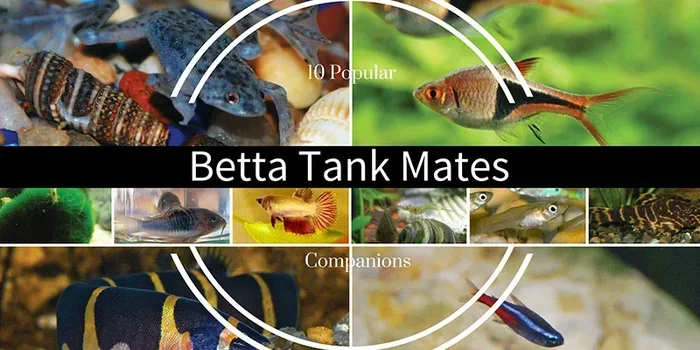
Another option is to choose different tank mates for your betta. There are many peaceful species that coexist well with bettas. For example, you might consider snails as tank mates for your betta. They are peaceful, low-maintenance, and do not pose a threat. You can also explore other compatible fish species that share similar water parameters and temperament.
For those interested in aquatic pets beyond fish, consider plants or invertebrates that complement a betta tank. These options add visual interest without the risks of a shared habitat with a turtle.
Final Thoughts
So, can you put a turtle with a betta fish? The honest answer is that it is not the easiest or safest combination. The risks of physical harm, water quality issues, and chronic stress are real. Success is possible but requires significant effort, a large tank, and constant vigilance.
If you are a beginner, it is best to keep these two pets separate. As you gain experience and confidence in managing water parameters, you may feel more comfortable trying a shared setup. But always prioritize the safety and well-being of both animals.
A healthy, happy betta and a healthy, happy turtle are worth more than a visually appealing shared tank. Do your research, plan carefully, and never hesitate to separate the pets if things go wrong. Your pets depend on you to make the best decisions for their health and happiness.
Frequently Asked Questions
Can a baby turtle live with a betta fish?
A baby turtle may seem harmless, but it will grow quickly. As the turtle matures, it may become aggressive or try to eat the betta. Baby turtles are also messy eaters that can foul the water fast. It is risky and requires a plan for when the turtle outgrows the shared tank.
What is the best turtle species for a betta tank?
Small, docile species like musk turtles and razorback musk turtles are the best options. They are less active in the water and less likely to chase a betta. However, no turtle is completely safe, and you should always monitor their interactions closely.
How large should the tank be for a turtle and betta together?
Aim for at least 55 gallons. The extra space reduces aggression and gives both pets room to establish territories. A larger tank also makes it easier to maintain stable water quality, which is critical for betta health.
What are the signs that my betta is stressed with a turtle?
Look for clamped fins, loss of color, hiding constantly, loss of appetite, and rapid breathing. These are clear signs your betta is struggling. If you notice these behaviors, separate the betta immediately and check the water parameters.
Can turtles and bettas ever live together peacefully?
Some aquarists report success, but it is never guaranteed. Success depends on turtle species, tank size, individual temperament, and how well you manage water quality. Always have a backup plan and be prepared to separate them if needed.
Is it better to keep turtles and bettas in separate tanks?
Yes, most experts recommend separate tanks. This eliminates the risks of injury, disease transmission, and stress. You can give each pet its ideal environment, which leads to healthier and happier animals overall.