Can You Use Drinking Water for Betta Fish Tips Advice
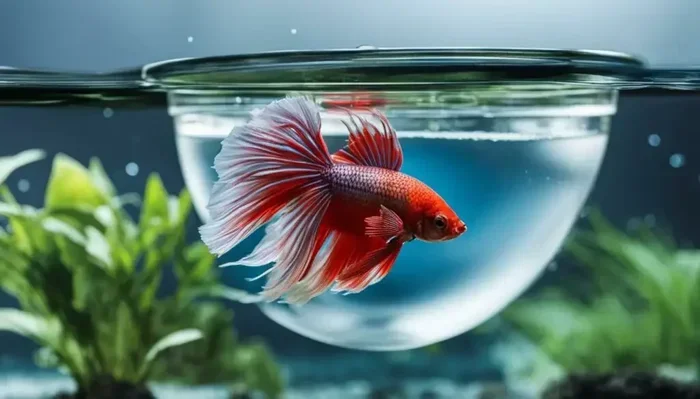
Can you use drinking water for betta fish? The short answer is yes, but it depends on the type of drinking water and how it is treated. Drinking water for betta fish can be safe if you remove harmful chemicals like chlorine and adjust the pH levels properly. This guide covers everything you need to know about keeping your betta fish healthy with the right water choices.
Key Takeaways
- Not all drinking water is equal: Tap, purified, and bottled water each have different effects on your betta fish tank.
- Always treat your water: Use a water conditioner to remove chlorine and chloramine before adding any drinking water to your betta fish tank.
- Check water parameters: pH, temperature, and hardness all matter when using drinking water for betta fish.
- Bottled water can work: But you may need to supplement minerals that are stripped during purification.
- Regular water changes are essential: Even with safe drinking water, consistent maintenance keeps your betta fish thriving.
📑 Table of Contents
- Can You Use Drinking Water for Betta Fish? The Full Guide
- Understanding Water Types for Your Betta Fish
- Why Water Quality Matters for Betta Fish Health
- How to Safely Use Drinking Water for Betta Fish
- Common Mistakes to Avoid When Using Drinking Water
- Expert Tips for Keeping Your Betta Fish Healthy
- What Happens If You Use Unsafe Water for Betta Fish?
- Conclusion
Can You Use Drinking Water for Betta Fish? The Full Guide
Every betta fish owner wants the best for their colorful companion. One of the biggest questions is about water quality. Can you use drinking water for betta fish safely? The answer is more nuanced than you might think.
Betta fish are resilient creatures, but they are also sensitive to water conditions. The water you pour into your betta fish tank directly impacts your fish’s health, color, and lifespan. Understanding what goes into your aquarium water is one of the most important parts of betta fish care.
In this guide, we break down everything about using drinking water for betta fish. You will learn about different water types, how to treat them, and what mistakes to avoid. By the end, you will feel confident about making the right choice for your finned friend.
Understanding Water Types for Your Betta Fish
Not all water is created equal. When it comes to drinking water for betta fish, the source matters a lot. Let us look at the most common types of water people use.
Tap Water
Tap water is the most accessible option. Most households use tap water for their betta fish tank. However, tap water often contains chlorine and chloramine. These chemicals are harmful to your betta fish.
Before using tap water, you must treat it with a water conditioner. Products like Tetra Aquasafe or Reptisafe neutralize these chemicals quickly. This makes tap water safe for your betta fish.
Purified and Bottled Water
Many people ask if purified drinking water is a better option. Purified water goes through filtration, which removes many impurities. But it also strips away beneficial minerals.
Using bottled water in a betta fish tank can work, but it may lack essential minerals. Your betta fish needs a balanced water parameter profile to thrive. You might need to add minerals back if you use purified or bottled options.
Spring and Distilled Water
Spring water is another popular choice. It often contains natural minerals that benefit your betta fish. However, you should still test the pH level before adding it to your tank.
Distilled water is essentially mineral-free. Using distilled water for drinking water for betta fish requires extra steps. You will need to remineralize it to create a healthy environment for your fish.
Why Water Quality Matters for Betta Fish Health
Your betta fish lives in its fish tank every single day. Poor water quality can lead to stress, disease, and even death. Betta fish are particularly sensitive to changes in their environment.
Here is why water quality is so critical:
- Clean water prevents bacterial infections and fungal growth.
- Proper pH levels keep your betta fish comfortable and active.
- Balanced minerals support healthy fins and vibrant colors.
- Safe aquarium water reduces stress and boosts immunity.
When you use drinking water for betta fish, you are taking a step toward better fish health. But you must also monitor and maintain the water regularly.
Key Water Parameters to Monitor
Keep an eye on these essential water parameters:
- pH Level: Betta fish prefer a pH between 6.5 and 7.5.
- Temperature: Keep the water between 76 and 82 degrees Fahrenheit.
- Hardness: Soft to moderately hard water works best.
- Ammonia and Nitrites: These should always be at zero.
How to Safely Use Drinking Water for Betta Fish
Using drinking water for betta fish is not as simple as pouring it in. You need to follow a few steps to make sure the water is safe and healthy.
Step 1: Test the Water
Before anything else, test the water. Use a water test kit to check the pH level, ammonia, and nitrite levels. This gives you a clear picture of what you are working with.
Step 2: Treat with a Water Conditioner
Even if you are using bottled drinking water, treating it is a smart move. A good water conditioner removes chlorine and chloramine. It also adds a protective layer for your betta fish.
Products like Tetra Lifeguard are excellent choices. They are designed specifically for betta fish care and work fast.
Step 3: Adjust Temperature and Minerals
Match the water temperature to what your betta fish needs. Use a heater to keep the fish tank warm. If the water lacks minerals, add a remineralizing supplement. This ensures your aquarium water has everything your betta fish needs.
Step 4: Do a Gradual Water Change
Do not replace all the water at once. Do a gradual water change of about 25 to 50 percent. This prevents shock and keeps your betta fish calm and healthy.
Common Mistakes to Avoid When Using Drinking Water
Even well-meaning fish owners make mistakes. Here are some common errors to watch out for when using drinking water for betta fish.
Skipping the Water Conditioner
Some people think bottled water does not need treatment. This is a big mistake. Even regular tap water and bottled water can contain harmful substances. Always use a water conditioner.
Ignoring Water Parameters
Guessing is not good enough when it comes to water quality. Test your aquarium water regularly. Ignoring water parameters can lead to serious health problems for your betta fish.
Using Soap or Harsh Cleaners
Never use soap to clean your betta fish tank. Soap residues are toxic to fish. Use warm water and a soft cloth instead. This keeps your fish tank safe and clean.
Overfeeding and Neglecting Maintenance
Overfeeding leads to dirty aquarium water. Uneaten food breaks down and raises ammonia levels. Feed your betta fish small amounts and clean the tank regularly. Good fish tank maintenance is key to long-term health.
Expert Tips for Keeping Your Betta Fish Healthy
Here are some pro tips from experienced aquarists to help your betta fish thrive.
Use a Water Conditioner Every Time
Every time you add water to your betta fish tank, use a water conditioner. This simple habit protects your fish from harmful chemicals. It is one of the easiest steps in betta fish care.
Keep a Consistent Water Change Schedule
Set a schedule for water changes. Weekly or bi-weekly changes keep the water quality high. Your betta fish will be happier and healthier with a consistent routine.
Invest in a Good Filter
A good filter makes a huge difference. It keeps the aquarium water clean and reduces the buildup of harmful substances. Choose a filter that is gentle enough for betta fish, as they do not like strong currents.
Monitor Temperature Daily
Betta fish are tropical fish. They need warm aquarium water. Check the temperature daily. A small heater and a thermometer are inexpensive tools that make a big impact on fish health.
Quarantine New Fish
If you add new fish to your fish tank, quarantine them first. This prevents the spread of disease. It also gives you time to adjust the water parameters for the new arrival.
What Happens If You Use Unsafe Water for Betta Fish?
Using unsafe water can have serious consequences for your betta fish. Chlorine and chloramine can burn your fish’s gills and skin. This leads to stress, illness, and sometimes death.
Water with the wrong pH level can also cause problems. Too acidic or too alkaline water damages your betta fish’s protective slime coat. A healthy slime coat is essential for fighting off infections.
Contaminated drinking water for betta fish can introduce harmful bacteria and parasites. This is why testing and treating your water is not optional. It is a must for every responsible betta fish owner.
Signs of water-related stress include:
- Clamped fins and lethargy
- Loss of color or faded patterns
- Rapid breathing or gasping at the surface
- Erratic swimming or hiding constantly
If you notice any of these signs, check your water quality immediately. A quick water change and treatment can often reverse the damage.
Conclusion
Using drinking water for betta fish is absolutely possible. The key is understanding what type of water you are using and how to prepare it properly. Whether you choose tap water, purified water, or bottled water, always treat it before adding it to your betta fish tank.
Good betta fish care comes down to consistent habits. Test your water parameters regularly, use a reliable water conditioner, and keep up with water changes. These small steps make a huge difference in your fish’s health and happiness.
Your betta fish deserves clean, safe aquarium water. By following the tips in this guide, you are giving your fish the best chance at a long and vibrant life. Start making better water choices today, and watch your betta fish thrive.
Frequently Asked Questions
Can I use bottled drinking water for my betta fish?
Yes, you can use bottled drinking water for your betta fish, but you should treat it with a water conditioner first. Bottled water may lack essential minerals, so check the water parameters before adding it to your betta fish tank.
What type of drinking water is best for betta fish?
The best type of drinking water for betta fish depends on your local water supply. Purified or spring water can work well if properly treated. Always test the pH level and remove chlorine before using any water in your aquarium water system.
Do I need a water conditioner if I use filtered drinking water?
Yes, even filtered drinking water should be treated with a water conditioner. Filters may not remove all chlorine or chloramine. A conditioner ensures your fish health stays protected from harmful chemicals.
How often should I change the water in my betta fish tank?
You should perform a water change every one to two weeks. Replace about 25 to 50 percent of the betta fish tank water each time. This keeps the water quality high and your betta fish healthy.
Can tap water kill a betta fish?
Untreated tap water can harm or even kill a betta fish due to chlorine and chloramine. Always treat tap water with a water conditioner before adding it to your fish tank. This is one of the most important steps in betta fish care.
How do I know if the water in my betta fish tank is safe?
Use a water test kit to check the water parameters including pH, ammonia, nitrites, and temperature. Safe aquarium water has zero ammonia and nitrites, a pH between 6.5 and 7.5, and a temperature between 76 and 82 degrees Fahrenheit.
=== INTERNAL LINKS ===
Purified Drinking Water for Betta Fish
Tap Water for Your Betta Fish
Bottled Water in a Betta Fish Tank
Regular Water for Betta Fish
Spring or Distilled Water for Betta Fish