Do Betta Fish Have to Live Alone
Yes, betta fish often need to live alone because of their aggressive nature. Male bettas are known as siamese fighting fish for good reason — they can be highly territorial. However, some female bettas and certain tank setups allow for companionship. This guide covers everything you need to know about betta fish living alone, including when it is safe and when it is not.
Key Takeaways
- Male betta fish typically need to live alone: Their aggressive temperament makes cohabitation risky in most cases.
- Female bettas can sometimes live together: A sorority setup works under specific conditions with enough space.
- Tank mates are possible but selective: Only peaceful, non-colorful fish that don’t resemble bettas should be considered.
- Betta fish behavior signals their needs: Flaring, hiding, and stress colors tell you if your fish is lonely or uncomfortable.
- A proper aquarium setup reduces aggression: Plenty of hiding spots and space make a big difference.
- Each betta has a unique personality: Some are more tolerant than others, so individual assessment matters.
📑 Table of Contents
Do Betta Fish Have to Live Alone?
If you own a betta fish or are thinking about getting one, you have probably wondered about this question. Do betta fish have to live alone? The short answer is: it depends. Male bettas are famous for their fiery temperament. They earned the name “siamese fighting fish” for a reason. But the full story is more nuanced than a simple yes or no.
Understanding your betta’s needs starts with knowing their natural behavior. In the wild, male bettas live in shallow rice paddies and slow-moving streams in Southeast Asia. They defend their territory fiercely. Female bettas behave differently. And some individual fish are just more chill than others. Let us dive deep into what this means for you and your fish.
Betta fish care is not just about feeding them flakes or changing their water. It is about creating an environment where they feel safe. A stressed betta gets sick. A lonely betta can lose its spark. A crowded betta can become aggressive. So the question of whether they need to live alone matters a lot for their well-being.
Why Do Male Betta Fish Need to Be Alone?
Male bettas are the most commonly kept bettas in home aquariums. And they are also the most likely to need solitude. Their betta fish aggression levels are naturally high, especially toward other males. This is not a flaw — it is survival instinct.
In their native habitat, male bettas stake out small territories. When another male enters, they flare their gills, spread their fins, and fight. These fights can be fatal in the wild because there is no escape. In a home tank, the constant stress of seeing another male can weaken their immune system.
Here is what happens when you put two male bettas together:
- Constant flaring and chasing
- Fin damage from nipping
- Increased cortisol levels
- Loss of appetite
- Eventual exhaustion or injury
Even if you try to separate them with a divider, both fish often spend all their energy flaring at each other through the barrier. This is not a happy life for any fish. Keeping betta fish solo is the safest and most humane choice for males.
Can Female Betta Fish Live Together?
Female bettas are a different story. A group of female bettas can sometimes live together in what hobbyists call a betta sorority tank. But this requires careful planning and the right setup.
A sorority tank needs at least five to six females. Why so many? Because spreading the aggression across multiple fish reduces the chance that one fish becomes the target. Each fish needs at least five gallons of space. So a sorority tank should be at least 20 to 30 gallons.
You also need plenty of hiding spots. Plants, caves, and decorations break up sight lines. This helps reduce tension. The tank should be fully cycled before adding any fish. And you should add all the females at the same time so no single fish claims dominance.
Even with all these precautions, a sorority is not guaranteed to work. Some females are simply too aggressive. You need to watch them closely for the first few weeks. Signs of trouble include:
- Constant chasing
- Fin nipping
- A fish hiding all the time
- Loss of color
- Refusing food
If you see these signs, be ready to separate the aggressive fish. Do betta fish have to be kept alone is a question many new fish keepers ask, and the answer often comes down to watching your specific fish.
What About Tank Mates for Male Bettas?
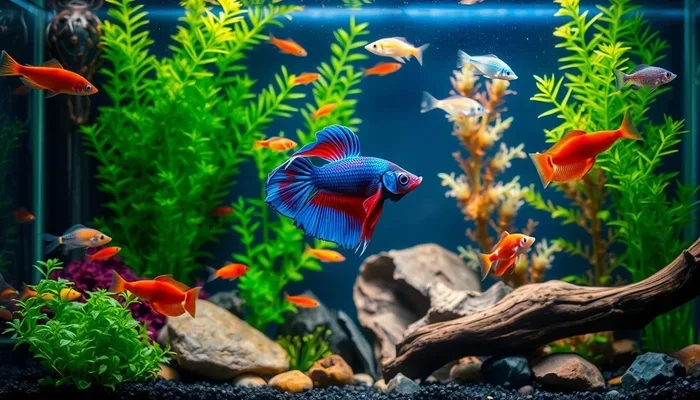
So if male bettas cannot live with other bettas, can they live with other fish at all? Yes, but with caution. The key is choosing betta fish tank mates that are peaceful and non-threatening.
Good tank mates for a male betta include:
- Neon tetras (in a large enough tank)
- Corydoras catfish
- Harlequin rasboras
- Mystery snails
- Amano shrimp
Fish to avoid include: guppies (their long fins trigger aggression), other colorful fish, and any fish that nips fins. Also avoid fish that are too boisterous. Bettas are slow swimmers and can get outcompeted for food by fast, active species.
The tank size matters a lot here. A small tank makes everything worse. Aggression goes up when fish feel cramped. A 20-gallon long tank or larger gives your betta room to claim a territory without feeling threatened by a neighbor.
Always have a backup plan. Keep a small breeder box or quarantine tank ready in case things do not work out. Why do betta fish have to be alone is something every betta owner should understand before adding any tank mates.
Signs Your Betta Fish Is Stressed or Lonely
Betta fish are not just pretty colors swimming around. They have betta fish personality and emotional responses. A stressed or lonely betta will show clear signs. Learning to read these signs helps you respond quickly.
Common signs of stress in bettas include:
- Loss of color: A healthy betta is vibrant. A stressed betta turns pale or white.
- Clamped fins: When fins stay close to the body instead of flowing, something is wrong.
- Hiding constantly: Bettas that hide behind decorations or in corners may feel unsafe.
- Loss of appetite: Refusing food for more than a day is a red flag.
- Excessive flaring: Flaring at everything, including their own reflection, shows chronic stress.
- Lethargy: A betta that barely moves and stays at the bottom may be unwell or depressed.
If your betta shows these signs, first check your water parameters. Ammonia, nitrite, and nitrate levels should all be in the safe range. Then consider whether your fish needs more space, stimulation, or perhaps a change in social setup.
Do betta fish have personality? Absolutely. And just like people, some bettas are social while others prefer solitude. Watching your fish closely gives you the best answer.
How to Set Up a Solo Betta Tank for Happiness
Even if your betta lives alone, a boring tank leads to boredom. A well-decorated tank keeps your betta mentally stimulated and physically healthy. Think of it as creating a mini ecosystem your fish enjoys exploring.
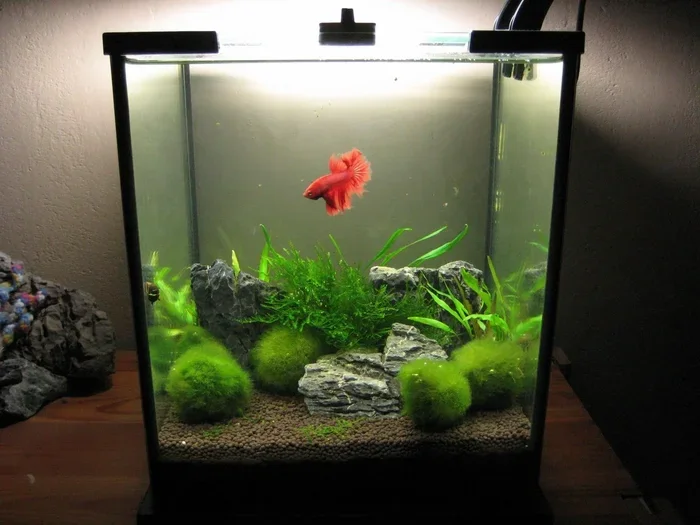
Here is how to set up a great solo betta tank:
1. Choose the Right Tank Size. A 5-gallon tank is the minimum for a single betta. A 10-gallon or larger is even better. More space means more stable water parameters and more room for enrichment.
2. Add Live or Silk Plants. Bettas love to rest on broad leaves. Live plants like anubias, java fern, and amazon sword provide natural resting spots. They also help filter the water. Avoid sharp plastic plants that can tear delicate fins.
3. Create Hiding Spots. Caves, driftwood, and coconut hides give your betta places to retreat. This reduces stress and makes them feel secure.
4. Use a Gentle Filter. Bettas hate strong currents. Choose a sponge filter or adjust the flow from a hang-on-back filter. The water should be calm and warm, around 78 to 80 degrees Fahrenheit.
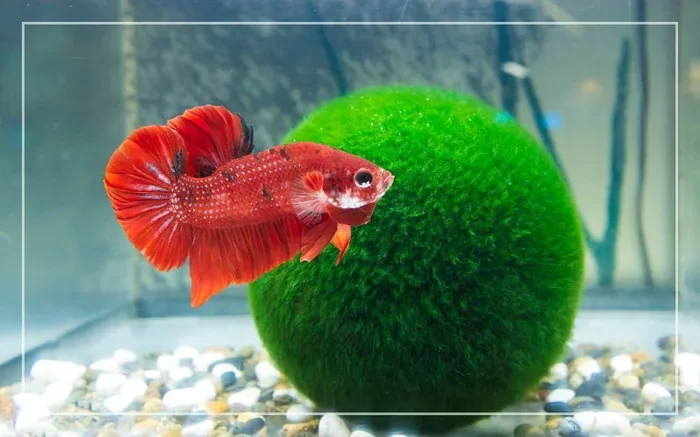
5. Provide Mental Stimulation. A betta mirror used briefly can trigger natural flaring behavior. Floating betta leaf hammocks give them something to rest on near the surface. Some bettas even enjoy watching the world outside their tank.
Do betta fish have things inside their tank — yes, and these things matter. The right environment transforms a plain tank into a thriving habitat that supports your betta’s natural instincts.
Common Mistakes People Make With Betta Fish Housing
Many well-meaning betta owners make mistakes that shorten their fish’s lifespan. Avoiding these common errors helps your betta thrive.
Mistake 1: Keeping a betta in a tiny bowl. A small bowl does not just limit space. It causes water quality to crash fast. Ammonia builds up quickly in tiny volumes. A betta in a bowl is a betta in danger.
Mistake 2: Adding a betta to a community tank without research. Not every community tank is suitable. Aggressive fish, fin-nippers, and overly active species all spell trouble. Research every species before mixing them.
Mistake 3: Ignoring water changes. Even with a filter, regular water changes are essential. A 25 to 30 percent water change weekly keeps toxins low and oxygen levels high.
Mistake 4: Overcrowding the tank. More fish does not mean more fun for a betta. Overcrowding increases aggression and stress. Keep the bioload low and the space comfortable.
Mistake 5: Forgetting that bettas need warmth. Room temperature water is too cold for bettas. A reliable heater is not optional — it is essential. Cold water weakens their immune system and makes them sluggish.
Conclusion
So, do betta fish have to live alone? The answer is nuanced. Male bettas almost always do best when kept solo. Their aggressive nature and territorial instincts make cohabitation risky and stressful. Female bettas can sometimes live together in a well-planned sorority. And male bettas can sometimes share a tank with peaceful, non-threatening species if the setup is right.
The most important thing is to know your fish. Watch their behavior. Respond to their needs. A betta fish living alone in a well-set-up tank can live a happy, healthy life of three to five years or even longer. The goal is not just keeping a fish alive. It is giving your betta a life that feels natural and comfortable.
Whether your betta lives alone or with carefully chosen companions, the effort you put into their environment pays off. A happy betta is a colorful, active, and engaging fish. They may be small, but they deserve a home that meets every need. Give them that, and you will have a rewarding companion for years to come.
Frequently Asked Questions
Can two male betta fish ever live together?
In almost all cases, no. Two male bettas will fight, and the stress can lead to serious health problems or death. Even with a tank divider, both fish often flare constantly, which causes chronic stress. It is best to keep male bettas in separate tanks.
How many female bettas can live together?
A sorority should have at least five to six females. This number spreads out any aggression so no single fish becomes the target. The tank should be at least 20 gallons with plenty of hiding spots and plants to break up sight lines.
What fish can live with a male betta safely?
Peaceful, non-aggressive species like corydoras catfish, neon tetras, harlequin rasboras, mystery snails, and amano shrimp are good options. Avoid colorful fish with long fins or species that are too active. Always provide enough space — a 20-gallon tank or larger is ideal.
How do I know if my betta fish is lonely?
Signs of loneliness or stress include loss of color, clamped fins, excessive hiding, loss of appetite, and lethargy. Bettas are individuals with distinct personalities, so some may show more signs of loneliness than others. Observing your fish daily helps you catch problems early.
Is a 5-gallon tank enough for a solo betta?
A 5-gallon tank is the minimum recommended size for a single betta. However, a 10-gallon tank or larger provides more stable water conditions and more room for enrichment. Bettas thrive better in larger spaces with gentle filtration and plenty of plants and hiding spots.
Do betta fish get bored living alone?
Yes, bettas can get bored if their environment is too sparse. Adding live plants, caves, driftwood, and floating hammocks keeps them mentally stimulated. A well-decorated tank gives your solo betta plenty to explore and keeps them engaged and healthy.