Do Betta Fish Get Pregnant
No, betta fish do not get pregnant in the traditional sense. Female bettas are egg layers, not livebearers, meaning they release eggs that the male fertilizes externally. Understanding how betta fish reproduce can help you provide better care and avoid common breeding mistakes.
Have you ever wondered, do betta fish get pregnant? It is a question many new fish owners ask. The short answer is no. Betta fish do not get pregnant like mammals do. Instead, they reproduce by laying eggs. The process is fascinating and very different from what most people expect.
If you own a betta fish or are thinking about breeding them, understanding their reproduction is essential. Betta fish breeding involves a unique process where the male and female work together in surprising ways. In this guide, we will walk you through everything you need to know about how bettas reproduce, how to tell if your female is carrying eggs, and what to do during the breeding process.
Many people confuse betta fish pregnancy with the actual egg-laying process. This confusion is completely understandable. Fish reproduction can seem mysterious, especially when your fish starts looking different. Let us break it all down in simple terms so you feel confident and informed.
Key Takeaways
- Betta fish don’t get pregnant: They are egg layers, not livebearers, so the female releases eggs rather than carrying live young.
- The male betta plays a key role: He builds a bubble nest and fertilizes the eggs externally after the female releases them.
- Signs of a gravid female: A white egg spot, swollen abdomen, and vertical breeding stripes are clear indicators a female is ready to breed.
- Proper breeding conditions matter: A separate breeding tank, warm water, and low flow reduce stress and improve breeding success.
- After spawning, remove the female: The male becomes aggressive and may harm the female once eggs are released.
📑 Table of Contents
- Do Betta Fish Get Pregnant? Understanding Betta Reproduction
- Signs Your Female Betta Is Ready to Breed
- Setting Up the Right Breeding Tank
- What Happens During Betta Spawning
- How to Care for Betta Fry
- Common Mistakes People Make With Betta Breeding
- How to Tell If Your Betta Fish Is Sick Instead of Pregnant
- Final Thoughts on Betta Fish Reproduction
- Frequently Asked Questions
Do Betta Fish Get Pregnant? Understanding Betta Reproduction
The idea of a betta fish getting pregnant is a myth. Betta fish are egg layers, not livebearers. This means the female produces eggs, and the male fertilizes them outside of her body. The female does not carry developing babies inside her. Instead, she releases eggs into the water or into a bubble nest built by the male.
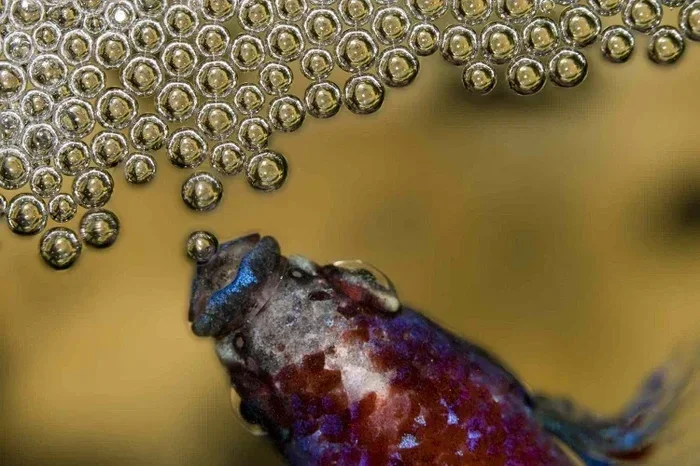
Male bettas are known as mouthbrooders or bubble nest builders depending on the species. The most common pet betta, the Siamese fighting fish (Betta splendens), builds a bubble nest. He floats saliva bubbles at the surface of the water to create a nest where the fertilized eggs will be placed and guarded.
Understanding this basic fact changes everything about how you care for your fish. You will never need to worry about a pregnant betta fish in the traditional sense. Instead, you should watch for signs that your female is ready to spawn, which means release her eggs.
How Betta Fish Reproduce
The breeding process for betta fish follows a clear sequence. Here is how it works:
- The male builds a bubble nest at the surface of the water.
- The female releases eggs from her body.
- The male fertilizes the eggs immediately after they are released.
- The male collects the fertilized eggs and places them in the bubble nest.
- The male guards the nest and the eggs until they hatch.
- After hatching, the fry (baby bettas) stay in the nest for a few days before becoming free-swimming.
Notice that the female does not carry the eggs inside her body at any point. She produces them and releases them in a single event called spawning. This is a key difference between bettas and livebearing fish like guppies or mollies.
Signs Your Female Betta Is Ready to Breed
While bettas do not get pregnant, female bettas do show clear signs when they are carrying eggs and ready to breed. Recognizing these signs helps you prepare for the spawning process and provide the right conditions.
The White Egg Spot
One of the most obvious signs is a small white spot on the underside of the female’s belly. This is called the egg spot or ovipositor. It is where the eggs will exit her body. If you see this spot, your female is likely mature and ready to breed.
Swollen Abdomen
A female carrying eggs will have a noticeably rounder belly. This swollen abdomen should feel firm but not hard. If the belly feels very hard or the fish seems bloated, it could be a different issue like constipation or dropsy. Always observe your fish closely to tell the difference.
Breeding Stripes
When a female betta is ready to breed, she develops vertical breeding stripes on her body. These are darker lines that run along her sides. These stripes are a natural signal to the male that she is ready to spawn. Not all females show these stripes clearly, but many do.
Increased Appetite and Activity
Some female bettas eat more and become more active when they are carrying eggs. Others may seem a bit restless. Pay attention to changes in behavior, as these can be subtle but helpful clues.
Setting Up the Right Breeding Tank
Breeding betta fish requires a separate tank. You should never attempt to breed bettas in a community tank. The male can become very aggressive, and the female needs a safe space to recover after spawning.
Tank Size and Setup
A breeding tank should be at least 10 gallons. Use a sponge filter for gentle water flow. Bettas are sensitive to strong currents, and a powerful filter can stress both the male and female. Keep the water temperature between 78 and 82 degrees Fahrenheit for the best results.
Add a few plants or a spawning mop. The male will use these to help anchor his bubble nest. Keep the tank dimly lit, as bright lights can stress the fish during this sensitive time.
Introducing the Male and Female
Place the male and female in the breeding tank before they can see each other directly. A clear divider works well for this. Let them see each other for a few days. This helps them get used to each other’s presence and reduces aggression when they are finally introduced.
If you notice the male becoming too aggressive through the divider, separate them again. Stress can harm both fish and reduce the chances of successful breeding. A calm, well-prepared environment is the foundation of a healthy spawning process.
What Happens During Betta Spawning
The actual spawning process is quick but fascinating. When the female is ready, she will approach the bubble nest. The male will wrap his body around hers in a behavior called embracing. During this embrace, the female releases eggs and the male fertilizes them.
This process may repeat several times over a few hours. Each time, the female releases a small batch of eggs. A healthy female can release anywhere from 30 to 500 eggs in a single spawning session.
After the eggs are released and fertilized, the male will carefully collect them in his mouth and place them in the bubble nest. This is a very delicate process, and any disturbance can cause the male to abandon the nest.
After Spawning: Remove the Female
This is a critical step many beginners miss. Once spawning is complete, you must remove the female from the tank. The male becomes very protective of the nest and can become aggressive toward the female. He may even injure or kill her if she stays in the tank too long.
Gently scoop the female out with a net and place her back in her original tank. She will need time to recover from the spawning process. Providing good food and clean water during this recovery period helps her regain her strength.
How to Care for Betta Fry
After the eggs hatch, the male will continue to guard the nest and the fry. He will pick up any eggs that fall from the nest and return them. This protective behavior can last for several days.
Feeding Newborn Betta Fry
Baby bettas, called fry, are very tiny. They cannot eat regular fish food. For the first few days, feed them infusoria or liquid fry food. After about a week, you can introduce baby brine shrimp or finely crushed flakes.
Feed the fry small amounts several times a day. Clean water is essential for their survival. Perform small water changes daily to keep the tank free of waste and uneaten food.
When to Remove the Male
Once the fry are free-swimming and no longer staying in the bubble nest, it is time to remove the male. He may start eating the fry if he gets hungry. Use a gentle net to transfer him back to his regular tank.
Common Mistakes People Make With Betta Breeding
Breeding betta fish can be rewarding, but it comes with pitfalls. Here are some common mistakes to avoid:
- Skipping the quarantine period: Always observe both fish for signs of illness before introducing them to the breeding tank.
- Using too large a tank: A huge tank makes it hard for the male to find and collect eggs. Stick to 10 gallons or smaller.
- Ignoring water quality: Poor water conditions can cause the male to abandon the nest or lead to fungal infections on the eggs.
- Not removing the female after spawning: This is one of the most common and dangerous mistakes. The male can seriously harm the female if she remains.
- Overfeeding during breeding: Excess food pollutes the water quickly in a small breeding tank. Feed sparingly and remove uneaten food promptly.
How to Tell If Your Betta Fish Is Sick Instead of Pregnant
Sometimes, a swollen belly in a betta fish is not a sign of egg production. It can be a sign of illness. This is an important distinction to make, especially if you have a male betta or a female that has not been around a male.
Conditions like dropsy, constipation, and swim bladder disease can cause a betta’s belly to swell. If your fish shows other symptoms like clamped fins, loss of appetite, or lethargy, it is likely sick and not carrying eggs.
Betta fish can also get stressed easily, which affects their overall health. If you notice unusual behavior, consider whether your fish might be stressed or unwell rather than preparing to breed. Always research symptoms carefully before jumping to conclusions.
Final Thoughts on Betta Fish Reproduction
So, do betta fish get pregnant? No, they do not. But the process of how they reproduce is just as interesting and deserves your attention. From the bubble nest to the spawning embrace, every step of the betta fish breeding process plays an important role in producing healthy fry.
If you are new to fish keeping, there is no rush to breed your bettas. Focus on providing excellent care, a clean tank, and a healthy diet first. Breeding should only be attempted once you are confident in your ability to maintain stable water conditions and care for both the adult fish and the fry.
Remember that every fish is unique. Some females may show strong breeding signs, while others may not show any signs at all. That is normal. The most important thing is to keep your fish healthy, happy, and stress-free. Whether your betta is a male guarding a bubble nest or a female showing off her breeding stripes, understanding their natural behaviors is the key to being a great fish owner.
Take your time, observe your fish closely, and enjoy the journey. Betta fish breeding is one of the most rewarding experiences in the aquarium hobby, and with the right knowledge, you can do it successfully.
Frequently Asked Questions
Can a male betta fish get pregnant?
No, male betta fish cannot get pregnant or carry eggs. Only female bettas produce eggs. The male’s role is to build a bubble nest, fertilize the eggs, and guard them until they hatch. He does not carry any eggs inside his body at any point.
How long does a betta fish carry eggs before releasing them?
A female betta does not carry eggs for a long period. Once she is mature and ready, she will release her eggs during the spawning process, which happens when she is introduced to the male. The eggs develop inside her for a short time, usually a few days to a couple of weeks, before she is ready to release them.
Can betta fish have babies without a male?
No, a female betta cannot produce viable offspring without a male. She will still release eggs, but they will not be fertilized. Unfertilized eggs will not develop into fry and will typically be absorbed by the female or decay in the water.
How many eggs does a female betta fish release at once?
A healthy female betta can release anywhere from 30 to 500 eggs in a single spawning session. The exact number depends on her age, size, health, and overall condition. Younger, healthier females tend to release more eggs per spawning event.
What should I feed a female betta carrying eggs?
Feed a gravid female high-quality, protein-rich foods like brine shrimp, bloodworms, and daphnia. A nutritious diet helps her produce healthy eggs and recover quickly after spawning. Avoid overfeeding, as excess food can pollute the water and stress the fish.
Is it normal for a female betta to look fat?
Yes, it is normal for a female betta carrying eggs to have a rounder, fuller belly. However, if the belly is very hard, the fish shows signs of lethargy, or she has lost her appetite, it could indicate a health problem like constipation or dropsy rather than egg production. Always monitor your fish closely.