Do Betta Fish Eat Their Eggs
Do betta fish eat their eggs? Yes, betta fish sometimes eat their eggs, and this is more common than most fish owners realize. Male betta fish are the primary culprits, especially when they feel stressed or when eggs are unfertilized. Understanding betta fish egg eating helps you protect your clutch and improve breeding outcomes.
Do betta fish eat their eggs? It is a question that catches many fish owners off guard. If you have ever bred bettas or even just kept them in a community tank, you might have seen this strange and unsettling behavior firsthand.
The short answer is yes. Betta fish do eat their eggs, and it happens more often than most people think. But before you panic, it is important to understand why this happens and what you can do about it.
This guide covers everything you need to know about betta fish egg eating. We will look at the reasons behind the behavior, which gender is most likely to do it, and how you can protect your eggs. Whether you are a beginner or a seasoned breeder, this article will give you practical tips you can use right away.
Key Takeaways
- Male betta fish are the main egg eaters, often consuming eggs out of stress or instinct.
- Unfertilized eggs are the most common target, and eating them is actually normal behavior.
- Removing unfertilized eggs quickly can help prevent the male from developing a habit of eating all eggs.
- Proper tank setup and reduced stress significantly lower the chances of egg eating.
- Betta fish egg eating does not mean your fish is sick — it is a natural survival response.
- Monitoring the bubble nest and acting fast gives fertilized eggs the best chance of survival.
- Learning betta breeding behavior helps you set up a safer environment for egg production.
📑 Table of Contents
- Why Do Betta Fish Eat Their Eggs?
- Do Male or Female Betta Fish Eat Their Eggs?
- How to Prevent Betta Fish from Eating Their Eggs
- What Happens When Betta Fish Eat Their Eggs?
- Betta Fish Egg Eating Compared to Other Betta Behaviors
- Expert Tips for Protecting Betta Fish Eggs
- Final Thoughts on Betta Fish Egg Eating
Why Do Betta Fish Eat Their Eggs?
Betta fish eat their eggs for several reasons. Most of these reasons are rooted in natural instinct. Understanding the “why” helps you respond the right way.
Unfertilized Eggs Trigger Egg Eating
The most common reason is simple. Unfertilized eggs do not hatch. A male betta builds a bubble nest and waits for the female to release eggs. If the eggs are not fertilized, the male may eat them. This is normal behavior. It is not a sign that something is wrong with your fish.
Think of it this way. The betta does not know the difference between good and bad eggs at first. It just eats anything that does not look right. Over time, it learns to be more selective.
Stress Causes Egg Destruction
Stress plays a huge role. When a male betta feels threatened or disturbed, it may eat or destroy its eggs. Common stressors include:
- Bright lights shining directly on the tank
- Frequent tank visits or tapping on the glass
- Strong water currents that disturb the bubble nest
- Other fish bothering the breeding area
- Sudden temperature changes in the water
When stress builds up, the betta’s natural instinct kicks in. Instead of caring for the eggs, it eats them. This is a survival response, not bad behavior.
Poor Water Quality Leads to Egg Consumption
Dirty water is another big factor. If ammonia or nitrite levels rise in the tank, the male betta may abandon or eat the eggs. Fish tank maintenance matters a lot during the breeding phase. Clean water keeps both the parent fish and the eggs safe.
Do Male or Female Betta Fish Eat Their Eggs?
When people ask do betta fish eat their eggs, they usually picture the male. And for good reason. The male betta is the one that builds the bubble nest and guards the eggs. But both genders can be involved.
The Male Betta’s Role
The male betta is the primary caretaker. He collects any eggs that fall and places them back in the bubble nest. He fans the eggs to keep them oxygenated. But he also eats eggs that are unfertilized or damaged.
This behavior is instinctive. The male does not want to waste energy on eggs that will never hatch. By eating the bad ones, he keeps the nest clean and focuses on the healthy eggs.
If you are wondering about betta fish breeding behavior, this is a key part of it. The male eats unfertilized eggs as a natural cleanup process. It is not a sign of aggression or illness.
Can Female Betta Fish Eat Eggs?
Yes, but it is less common. The female betta releases the eggs and then is usually removed from the breeding tank. If she stays too long, she might eat some eggs. This happens when the female feels stressed or when she has no place to hide.
In most cases, the female is separated right after spawning. This prevents her from eating the eggs and also protects her from the male’s aggressive guarding behavior.
How to Prevent Betta Fish from Eating Their Eggs
If you are breeding bettas, you probably want to protect as many eggs as possible. The good news is there are several steps you can take.
Set Up the Tank Properly
A well-planned breeding tank makes a big difference. Here is what you need:
- A sponge filter for gentle water flow
- A heater set to 78-80°F (25-27°C)
- Floating plants or a breeding mop for the bubble nest
- Soft lighting to reduce stress
- A lid to maintain warm, humid air above the water
The right setup reduces stress and gives the male betta confidence. A calm male is less likely to eat his eggs.
Remove Unfertilized Eggs Quickly
This is one of the most effective steps you can take. Use a small pipette or turkey baster to remove unfertilized eggs from the bubble nest. Do this gently so you do not disturb the healthy eggs.
If the male sees unfertilized eggs piling up, he may start eating all the eggs, including healthy ones. Quick removal prevents this bad habit from forming.
Reduce Tank Disturbances
Keep the breeding tank in a quiet area of your home. Avoid placing it near loud speakers or high-traffic zones. Limit tank visits to feeding and water checks only.
Fish tank maintenance during breeding should be minimal. If you need to do a water change, use a very slow siphon and avoid disturbing the bubble nest.
Feed the Male Betta Well
A well-fed male is a less stressed male. Offer high-quality betta fish food before and during the breeding process. Live or frozen foods like brine shrimp and bloodworms work great. A healthy diet gives the male energy to care for the eggs instead of eating them.
What Happens When Betta Fish Eat Their Eggs?
So what actually happens when a betta eats its eggs? Does it harm the fish? The answer is mostly no, but there are things to watch for.
Egg Eating Is Usually Not Harmful
Eating unfertilized eggs is a normal part of betta behavior. The eggs pass through the fish’s digestive system without causing any harm. You do not need to worry about the male getting sick from this.
This is similar to how some fish eat their own fish poop or other organic matter in the tank. It is part of the natural cycle.
When Egg Eating Becomes a Problem
The real problem starts when the male eats fertilized eggs. If this happens repeatedly, you will not get any fry from that breeding attempt. This can be frustrating for breeders who are trying to raise bettas.
Watch for these signs that egg eating has become a pattern:
- The bubble nest keeps shrinking for no clear reason
- The male is not tending to the remaining eggs
- You see the male picking at the nest frequently
- Healthy eggs disappear within hours
Betta Fish Egg Eating Compared to Other Betta Behaviors
Egg eating is just one of many interesting betta behaviors. Understanding how it compares helps you put things in perspective.
| Behavior | Normal? | Cause | Action Needed? |
|---|---|---|---|
| Eating unfertilized eggs | Yes | Instinct, cleanup | No, remove bad eggs instead |
| Eating fertilized eggs repeatedly | No | Stress, inexperience | Yes, adjust tank conditions |
| Blowing bubble nests | Yes | Natural breeding behavior | No, this is a good sign |
| Eating own fins | Sometimes | Stress, boredom, aggression | Yes, check tank setup |
| Eating own babies | Yes | Instinct, hunger, stress | Yes, separate fry immediately |
As you can see, egg eating falls on the normal side when it involves unfertilized eggs. But when it becomes a pattern with healthy eggs, you need to take action.
Many of these behaviors are connected. For example, a betta that eats its own fins might also eat its eggs because both stem from stress. Addressing the root cause — not just the symptom — is the best approach.
If you want to learn more about related behaviors, check out why bettas eat their own babies and why bettas eat their own fins. These behaviors share common triggers and solutions.
Expert Tips for Protecting Betta Fish Eggs
Experienced breeders have learned a lot about preventing egg eating over the years. Here are some tips that actually work.
Use a Breeding Box or Separator
A breeding box lets the male and female interact without the female being able to eat the eggs. After spawning, remove the female. The male stays in the main tank with the bubble nest.
Watch the Bubble Nest Closely
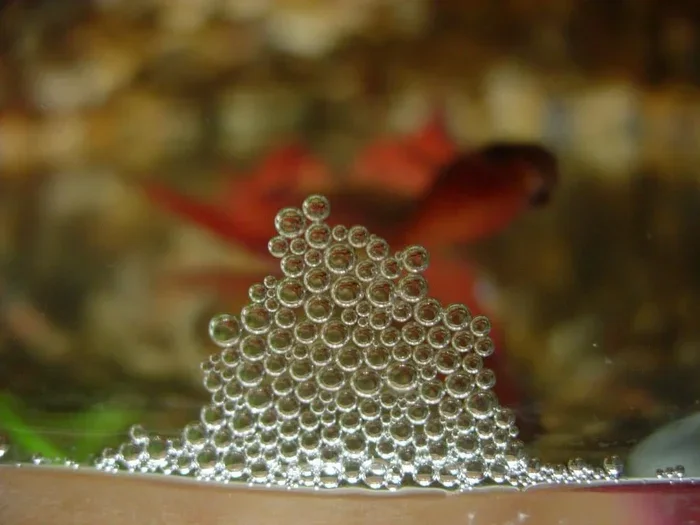
The bubble nest is your best indicator. A healthy, growing nest means the male is caring for the eggs. A shrinking or abandoned nest means something is wrong.
Be Patient
First-time breeding pairs often eat their eggs. This does not mean they are bad breeders. Give them time. After a few attempts, most pairs improve significantly.
Keep Water Parameters Stable
Stable water conditions are the foundation of successful breeding. Test the water regularly. Keep pH between 6.5 and 7.5. Maintain a temperature of 78-80°F. Consistent parameters reduce stress and protect the eggs.
Final Thoughts on Betta Fish Egg Eating
Do betta fish eat their eggs? Yes, they do, and it is usually nothing to worry about. Whether it is the male eating unfertilized eggs or a stressed fish destroying its clutch, this behavior is natural and common.
The key is to stay calm and take proactive steps. Set up the tank properly, remove unfertilized eggs quickly, reduce stress, and keep the water clean. These simple actions give your betta eggs the best chance of hatching and growing into healthy fry.
If you are new to betta breeding, do not get discouraged by egg eating. Even experienced breeders deal with this. Each breeding attempt teaches you something new. Over time, you will get better at spotting problems early and fixing them before the eggs are lost.
Remember that betta fish egg eating is just one part of the breeding journey. It does not define your success as a fish keeper. With patience, knowledge, and the right setup, you can enjoy watching betta fry grow and thrive in your aquarium.
For more on betta fish care and breeding, explore our guides on whether bettas have laid eggs and why bettas eat their eggs for deeper insights into this fascinating behavior.
Frequently Asked Questions
Why do betta fish eat their eggs?
Betta fish eat their eggs mostly because of instinct. Male bettas often eat unfertilized or damaged eggs as a natural cleanup process. Stress, poor water quality, and inexperience can also trigger egg eating behavior in both male and female bettas.
Is it normal for a male betta to eat his eggs?
Yes, it is normal. The male betta is responsible for guarding the bubble nest and caring for the eggs. When he eats unfertilized eggs, he is simply doing his job to keep the nest clean and focus energy on healthy eggs that can hatch.
How can I stop my betta from eating its eggs?
You can reduce egg eating by keeping the water clean, minimizing tank disturbances, and removing unfertilized eggs quickly with a pipette. A well-set-up breeding tank with gentle filtration and soft lighting also helps lower stress and prevent this behavior.
Do female betta fish eat eggs too?
Female bettas can eat eggs, but it is less common than males doing so. Females are usually removed from the breeding tank right after spawning. If a female stays too long, she may eat some eggs out of stress or territorial behavior.
Will a betta fish eat fertilized eggs?
A healthy male betta should not eat fertilized eggs. If he does, it is usually a sign of stress, inexperience, or poor tank conditions. Repeatedly eating fertilized eggs means you need to review the breeding setup and reduce stressors in the environment.
How long does it take for betta fish eggs to hatch?
Betta fish eggs typically hatch within 24 to 48 hours after the male builds the bubble nest. The male guards the eggs during this time and picks up any that fall back into the nest. After hatching, the fry stay in the nest for another 2 to 3 days before becoming free-swimming.