How Do Betta Fish Bread

So, how do betta fish breed? It all starts with creating the right conditions in a separate breeding tank. Male bettas build bubble nests, court females, and then fertilize the eggs as the female releases them. This guide walks you through every stage of betta fish breeding so you can understand the full process.
Betta fish are some of the most beautiful and fascinating pets you can keep. Their flowing fins and vivid colors capture attention instantly. But have you ever wondered how do betta fish breed? The breeding process is surprisingly complex and fascinating to watch.
If you own bettas or are thinking about getting them, understanding their reproduction habits helps you provide better care. Whether you are a curious beginner or a seasoned fish keeper, this guide covers everything you need to know about betta fish breeding. Let us dive right in.
Key Takeaways
- Betta fish breeding requires a separate tank with warm, clean water and gentle filtration.
- The male betta builds a bubble nest as a sign he is ready to mate.
- Courtship involves fin flaring and chasing between the male and female.
- The female releases eggs that the male immediately fertilizes and collects.
- Proper betta fish care after breeding is essential for egg and fry survival.
- Separating the female after spawning protects her from aggression by the male.
- Feeding betta fry properly ensures healthy growth in the first weeks of life.
📑 Table of Contents
Understanding Betta Fish Breeding Basics
Betta fish breeding is not something that happens on its own in a regular community tank. It requires preparation, patience, and the right environment. Before you even think about pairing a male and female, you need to understand their natural behavior.
In the wild, bettas live in shallow rice paddies and slow-moving waters in Southeast Asia. When conditions are right, the male builds a bubble nest at the water surface. This nest is where the eggs will be kept safe after fertilization.
Knowing these basics helps you set up a proper breeding environment. Without the right setup, breeding attempts often fail or result in stressed fish. So let us look at what you need before starting.
Male vs Female Betta Fish: What to Look For
Identifying the gender of your betta is the first step. Males and females look quite different, and you need both to breed successfully.
- Males have longer, more colorful fins and a more vibrant body.
- Females have shorter fins and a visible white egg spot near their underside.
- Males tend to flare their gills more often, especially around other males.
- Females have a rounder body shape, especially when carrying eggs.
You cannot breed two males together. They will fight aggressively and may even kill each other. Always confirm the gender of each fish before introducing them. If you are unsure, learning how to care for a betta fish can help you observe the physical differences more closely.
Setting Up the Breeding Tank
A dedicated breeding tank is essential for successful betta fish breeding. You should never attempt to breed fish in a community tank with other species. The breeding environment must be controlled and safe.
Start with a tank that holds at least five gallons. Fill it with clean, dechlorinated water. The temperature should sit between 78 and 82 degrees Fahrenheit. Use a gentle sponge filter to keep the water clean without creating strong currents that could destroy the bubble nest.
Water Quality and Temperature
Clean water is critical during the breeding process. Bettas are sensitive to ammonia and nitrite buildup. Test the water regularly and perform small water changes as needed.
- Temperature: Keep it steady at 80°F for best results.
- pH level: Aim for a neutral range around 7.0.
- Water hardness: Soft to moderately hard water works well.
- Filtration: Use a gentle sponge filter to avoid disturbing the nest.
Adding floating plants or a small piece of styrofoam gives the male a base to build his bubble nest. Without something to anchor the nest, he may struggle to start the breeding process.
The Betta Fish Mating Process
Once the breeding tank is ready, you can introduce the male and female. But the process does not happen instantly. Betta fish need time to get comfortable with each other.
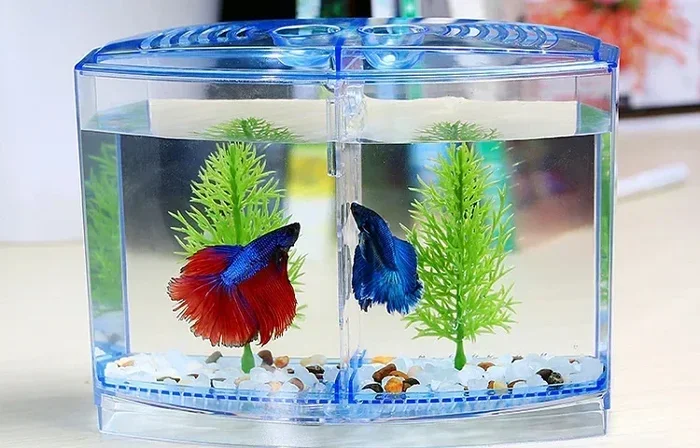
Start by placing the female in a clear container inside the breeding tank. This lets the male see her without direct contact. He will likely start building a bubble nest during this phase. That is a great sign he is ready to mate.
Courtship Behavior
Betta courtship is one of the most interesting things to observe in the fish world. The male will flare his fins and display bright colors to attract the female. He may also chase her gently around the tank.
Here is what normal courtship looks like:
- The male builds a bubble nest at the water surface.
- He flares his gills and wraps his body around the female.
- The female releases eggs, and the male fertilizes them immediately.
- The male collects the fertilized eggs and places them in the bubble nest.
This process can take several hours. Do not disturb the tank during this time. If the female seems stressed or is being chased too aggressively, remove her immediately. You can learn more about how to breed betta fish safely by watching their behavior closely.
What Happens After Spawning
After the female releases her eggs, the male takes over completely. He becomes the sole caretaker of the eggs and the future fry. This is a critical period that requires careful attention.
The male will collect any eggs that fall and place them gently in the bubble nest. He will guard the nest fiercely and may even repair it if needed. During this time, remove the female from the tank. The male can become aggressive and may harm her.
Caring for Betta Eggs
The eggs typically hatch within 24 to 48 hours. During this time, the male keeps the nest intact and watches over the eggs closely. Do not disturb the tank or shine bright lights on it.
Once the eggs hatch, you will see tiny fry swimming in the tank. At this point, you should also remove the male. He may start eating the eggs or fry if he gets hungry. How many fry do betta fish have can vary, but a single spawning can produce anywhere from 30 to 100 or more fry.
Feeding and Raising Betta Fry
Raising betta fry is a rewarding but challenging experience. The tiny fish need very specific food that is small enough for them to eat. Regular betta pellets or flakes are too large for newborn fry.
Start by feeding infusoria or commercially available liquid fry food. After the first week, you can introduce baby brine shrimp. These are packed with protein and help the fry grow quickly.
Feeding Schedule for Fry
- Days 1 to 3: Feed infusoria or liquid fry food once a day.
- Days 4 to 7: Increase feedings to twice a day with small amounts.
- Week 2 and beyond: Introduce baby brine shrimp and microworms.
- Week 4: You can start offering crushed betta pellets.
Keep the water clean by performing small water changes every other day. Use a turkey baster to remove uneaten food and waste. Clean water prevents disease and keeps the fry healthy during their most vulnerable stage.
If you are wondering about feeding schedules for adult bettas, check out how often you feed a betta fish for helpful guidance that also applies during the breeding preparation phase.
Common Mistakes in Betta Fish Breeding
Even experienced fish keepers make mistakes when breeding bettas. Learning from common errors can save you time, money, and most importantly, the lives of your fish.
Skipping the Quarantine Period
Never introduce fish directly into the breeding tank without a quarantine period. Both the male and female should be healthy and free of parasites. A sick fish can spread illness to the other fish and the vulnerable eggs.
Overcrowding the Breeding Tank
The breeding tank should only contain the male and female during the mating process. Adding too many fish creates stress and aggression. Keep it simple and focused on the pair.
Ignoring Water Parameters
Fluctuating water temperature or pH can cause the male to abandon the bubble nest. It can also prevent the eggs from hatching. Test the water daily and make adjustments slowly.
Removing the Male Too Early
The male plays a vital role during the egg and early fry stages. Removing him too soon can leave the eggs unprotected. Wait until the fry are free-swimming before taking him out.
How Long Does the Breeding Process Take
The full breeding cycle from introduction to free-swimming fry typically takes about two to four weeks. The courtship phase can last one to two days. Egg development takes about two days. And raising the fry to a manageable size takes several more weeks.
Patience is key. Do not rush the process or force the fish to breed before they are ready. Proper betta fish care before, during, and after breeding gives you the best chance of success.
Many fish keepers find the breeding process deeply rewarding. Watching a male build his bubble nest and then carefully tend to the eggs is a truly unique experience. It gives you a whole new appreciation for these stunning creatures.
Final Thoughts on Betta Fish Breeding
Understanding how do betta fish breed helps you become a better fish keeper overall. The process requires preparation, patience, and consistent care. From setting up the breeding tank to raising the fry, every step matters.
Start with healthy fish, create the right environment, and give them space to behave naturally. You will be amazed by the beauty and complexity of betta reproduction. Whether you breed bettas as a hobby or to share with other enthusiasts, the experience is incredibly rewarding.
Remember that proper nutrition plays a big role in breeding readiness. Feeding your bettas a high-quality diet before the breeding attempt improves their chances of success. If you are curious about their diet, read up on what betta fish can eat to make sure you are offering the best nutrition possible.
Take your time, enjoy the process, and celebrate each small success along the way. Betta fish breeding is a journey, and every spawn teaches you something new.
Frequently Asked Questions
How long does it take for betta fish eggs to hatch?
Betta fish eggs typically hatch within 24 to 48 hours after the male fertilizes them. The male keeps the eggs in the bubble nest during this time. Temperature and water quality can slightly affect the hatching timeline.
Can you breed betta fish in a community tank?
No, you should never breed bettas in a community tank. Other fish may eat the eggs or harm the breeding pair. A separate breeding tank with controlled conditions gives the best results for successful betta fish breeding.
How many eggs do betta fish lay at once?
A female betta can lay anywhere from 30 to 100 eggs per spawning session. Some healthy females may lay even more. The number depends on her age, size, and overall health.
Why is my male betta not building a bubble nest?
A male betta may not build a bubble nest if the water conditions are not right. Temperature should be around 80°F, and the tank should have gentle filtration. Adding floating plants or a styrofoam pad can encourage nest building.
When should I remove the female after breeding?
Remove the female as soon as the spawning is complete. The male can become aggressive and may harm her. Keeping her safe in a separate container after breeding is essential for her well-being.
What should I feed betta fry in the first week?
In the first week, feed betta fry infusoria or liquid fry food. These are tiny enough for newborn mouths. After the first few days, you can gradually introduce baby brine shrimp for extra protein.