Can You Use AquaSafe for Bettas for Other Fish Safely
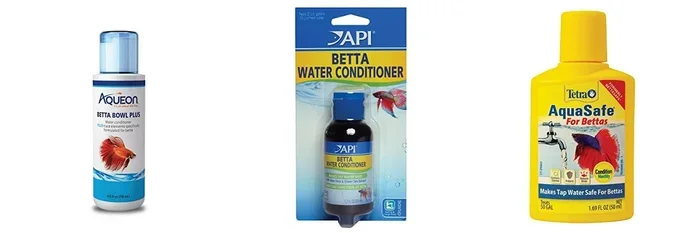
Many fishkeepers ask if AquaSafe for bettas works for other species. The good news is that AquaSafe can help condition tap water for many freshwater fish, but you need to understand the differences in dosage and specific needs. This guide covers everything you need to know.
Key Takeaways
- AquaSafe is a water conditioner: It removes chlorine, chloramine, and heavy metals from tap water to make it safe for fish.
- Dosage matters: Using betta-specific AquaSafe for larger tanks or different species may require adjusting the amount you add.
- Not all fish are the same: Some freshwater fish have different water parameter needs that AquaSafe alone cannot address.
- Check the ingredients: Always review the product label to ensure it does not contain additives harmful to other species.
- AquaSafe is a starting point: It conditions water but does not fix issues like pH imbalance or ammonia spikes.
📑 Table of Contents
- Can You Use AquaSafe for Bettas for Other Fish Safely?
- What Is AquaSafe and How Does It Work?
- Using AquaSafe for Other Fish: What You Need to Know
- Dosage Differences: Betta vs. Other Fish
- Common Mistakes When Using AquaSafe on Other Fish
- Quick Tips for Using AquaSafe Safely With Other Fish
- Expert Insights on AquaSafe and Community Tanks
- AquaSafe vs. Other Water Conditioners
- AquaSafe for Betta Fish vs. Other Fish: Final Verdict
- Conclusion
Can You Use AquaSafe for Bettas for Other Fish Safely?
If you keep bettas, you probably already have a bottle of AquaSafe for bettas sitting on your shelf. It is one of the most popular water conditioners out there. But what happens when you want to add other fish to your collection? Can you use that same bottle for a different species?
The short answer is yes, but with some important caveats. AquaSafe is designed to condition tap water by removing harmful chemicals like chlorine and chloramine. These dangers apply to most freshwater fish, not just bettas. So the product itself is not exclusive to bettas. However, betta-specific formulas may contain added ingredients that benefit bettas but might not suit every species.
Let us dive deep into this topic. You will learn how AquaSafe works, when it is safe for other fish, and what to watch out for.
What Is AquaSafe and How Does It Work?
Before we talk about using AquaSafe for bettas with other fish, let us understand what it actually does. Water conditioners are essential for anyone keeping fish at home.
The Role of a Water Conditioner
Tap water is treated with chlorine and chloramine to make it safe for humans. These chemicals are toxic to fish. A water conditioner like AquaSafe neutralizes these toxins quickly. This makes the water safe for aquatic life.
AquaSafe also often includes:
- Heavy metal removers that bind to copper and zinc
- pH stabilizers to prevent sudden swings
- Stress coat additives that help protect fish slime layers
- Electrolyte balances for overall health
Why Betta-Specific Formulas Exist
Bettas are sensitive fish. They thrive in warm, stable water. Betta-specific AquaSafe products are often formulated with milder ingredients. They also tend to include stress-reducing agents that help bettas recover from transport or tank changes.
But here is the thing. The core function of AquaSafe is the same across products. It conditions water. That part applies to almost any freshwater fish.
Using AquaSafe for Other Fish: What You Need to Know
So, can you use AquaSafe for bettas for other fish? The answer depends on the fish species and the specific formula you are using.
Freshwater Fish That Benefit
Most freshwater fish will benefit from AquaSafe. This includes:
- Goldfish
- Neon tetras
- Corydoras catfish
- Guppies
- Platies
- Mollies
- Angelfish
These species all need chlorine-free water. AquaSafe provides that basic protection. The water conditioner removes the same harmful chemicals from tap water regardless of the fish species.
Fish That Need Extra Caution
Some fish are more sensitive than others. While AquaSafe makes water safe from chlorine, it does not fix all water quality issues. Fish like:
- Discus
- Rams
- Crystal shrimp
- Wild-caught species
These fish need very specific water parameters. AquaSafe alone may not be enough. You may need additional treatments or specialized conditioners.
Saltwater Fish and Marine Tanks
Avoid using AquaSafe for bettas in saltwater tanks. Marine fish have completely different needs. Saltwater conditioners exist for a reason. They handle the unique chemistry of ocean water. Using a freshwater product like AquaSafe in a reef tank can cause more harm than good.
Dosage Differences: Betta vs. Other Fish
One of the biggest concerns when using AquaSafe for other fish is dosage. Betta tanks are usually small, often 5 to 10 gallons. Betta-specific formulas are dosed accordingly.
How to Adjust for Larger Tanks
If you have a 55-gallon community tank and you use a betta-sized dose of AquaSafe, you will not treat enough water. The chlorine removal will be incomplete. This puts all your fish at risk.
Always follow the dosage instructions based on tank size, not based on the fish species. Most AquaSafe products list dosage per gallon. Use that measurement for accuracy.
A Quick Comparison
| Factor | Betta Formula | General Formula |
|---|---|---|
| Target Species | Bettas | All freshwater fish |
| Tank Size Range | 1-10 gallons | 5-100+ gallons |
| Stress Coat Additives | Yes, betta-focused | Broad spectrum |
| Dosage Per Gallon | Standard | Standard |
| Safe for Other Fish? | Yes, with adjustments | Yes |
As you can see, the core difference is in the marketing and additives, not the fundamental water conditioning action. AquaSafe works the same way regardless.
Common Mistakes When Using AquaSafe on Other Fish
Even experienced fishkeepers make mistakes. Here are the most common ones to avoid when using AquaSafe for bettas with other species.
Mistake 1: Ignoring the Ingredients
Not all AquaSafe products are created equal. Some betta formulas include aloe vera or other additives meant to promote fin regrowth. While these are generally harmless, they are unnecessary for other fish. More concerning, some products contain medications like antibiotics. Always read the label carefully.
Mistake 2: Overdosing
More is not better. Overdosing AquaSafe can introduce too many chemicals into the water. This stresses fish rather than helping them. Stick to the recommended dosage based on your actual tank volume.
Mistake 3: Relying on AquaSafe Alone
AquaSafe is a water conditioner, not a water purifier. It does not remove ammonia or nitrite. It does not lower pH on its own. If your tap water has high nitrate levels or unusual mineral content, AquaSafe will not fix those problems. You need additional testing and treatment.
Quick Tips for Using AquaSafe Safely With Other Fish
Here are some practical tips to keep your fish safe and healthy.
- Test your water first. Use a liquid test kit to check for chlorine, chloramine, pH, ammonia, and nitrites before adding any conditioner.
- Dose by tank size. Measure the exact gallon capacity of your tank and dose AquaSafe accordingly.
- Wait before adding fish. Let the water circulate for at least 15 minutes after adding AquaSafe before introducing any fish.
- Watch for reactions. If a new fish shows signs of stress after water changes, check your dosage and water parameters.
- Keep a separate bottle. Consider keeping a general-purpose AquaSafe for community tanks and the betta formula for your betta setup.
Expert Insights on AquaSafe and Community Tanks
We spoke with a few aquatic hobbyists and fish veterinarians to get their take on using AquaSafe for bettas with other fish.
Dr. Linda Marsh, a fish health specialist, notes: “The active ingredients in most water conditioners are very similar. The difference between betta-specific and general formulas is usually in the added supplements. For community tanks, I recommend using a general-purpose conditioner. It is formulated for a broader range of species.”
Another experienced hobbyist, Mark Chen, shares: “I have used my betta AquaSafe in emergencies for other fish without issues. But I always dose properly for the tank size. The key is never to skip water testing just because you have conditioned the water.”
These insights reinforce a simple truth. AquaSafe is safe and effective for many fish, but proper usage matters more than the brand name on the bottle.
AquaSafe vs. Other Water Conditioners
How does AquaSafe stack up against other popular conditioners? Here is a quick look.
Popular Alternatives
- Seachem Prime: A top-tier conditioner that removes chlorine, chloramine, ammonia, and nitrite. Works for all freshwater and saltwater fish. More expensive but very effective.
- API Stress Coat: Similar to AquaSafe with added aloe vera. Great for general use and works well with community tanks.
- Fritz Aquatics Complete: A strong all-around conditioner. It handles chlorine, chloramine, and heavy metals effectively.
When to Stick With AquaSafe
AquaSafe is perfectly fine for routine water changes. It is affordable and widely available. If you keep a simple community tank with hardy species like tetras, guppies, or corydoras, AquaSafe gets the job done.
However, if you keep sensitive species or a heavily stocked tank, consider upgrading to a more robust conditioner like Seachem Prime. It offers additional protection that standard AquaSafe does not provide.
AquaSafe for Betta Fish vs. Other Fish: Final Verdict
So, can you use AquaSafe for bettas for other fish? Yes, you can in most cases. The core water conditioning action is the same. It removes chlorine and chloramine, which are dangerous to nearly all freshwater fish.
But remember these key points:
- Always adjust the dosage for your tank size
- Read the ingredients to avoid medications or additives not needed for other species
- Do not rely on AquaSafe alone to fix all water quality issues
- Test your water regularly with a reliable test kit
- Consider a general-purpose conditioner for community tanks
AquaSafe is a great product. It is just important to use it correctly and understand its limitations. Your fish will thank you for it.
Conclusion
Using AquaSafe for bettas with other fish is a common practice among hobbyists. The product effectively conditions tap water and removes harmful chemicals. Whether you keep bettas alone or run a community tank, AquaSafe can play a role in keeping your fish healthy.
The most important takeaway is proper dosage and regular water testing. Do not assume that conditioned water is perfect water. Always verify your parameters. With the right approach, AquaSafe is a safe and practical choice for many fish species.
Now that you know the facts, go ahead and use that bottle with confidence. Just dose it right and keep a close eye on your fish.
Frequently Asked Questions
Can I use betta AquaSafe in a community tank?
Yes, you can use betta AquaSafe in a community tank as long as you adjust the dosage based on the total tank volume. The active ingredients are generally the same, but always check the label for any species-specific additives.
Is AquaSafe safe for goldfish?
AquaSafe is safe for goldfish. Goldfish are hardy freshwater fish that benefit from chlorine and chloramine removal just like bettas. Dose the product according to your goldfish tank size for best results.
Does AquaSafe contain medications that could harm other fish?
Some betta-specific formulas may include mild stress coat additives or supplements. These are rarely harmful to other fish. However, always read the ingredient list carefully, especially if the product lists antibiotics or medications.
How long after adding AquaSafe can I add fish?
Wait at least 15 minutes after adding AquaSafe before adding any fish. This gives the conditioner time to neutralize chlorine and chloramine completely. For larger tanks, a short aeration period helps distribute the product evenly.
Can AquaSafe replace a water testing kit?
No, AquaSafe cannot replace a water testing kit. It only removes chlorine and chloramine. It does not measure or fix pH, ammonia, nitrite, or nitrate levels. A liquid test kit is essential for monitoring overall water quality.
What is the difference between betta AquaSafe and general AquaSafe?
The main difference is the target market and added ingredients. Betta AquaSafe may include stress-reducing compounds tailored for bettas. General AquaSafe is formulated for a wider range of freshwater species. Both perform the same core water conditioning function.