Why Is My Betta Fish Darting Around the Tank

Betta fish darting isn’t always a sign of trouble; it can be excitement, stress, or a health issue. This guide explains the common reasons behind rapid swimming, how to spot warning signs, and simple steps to create a calmer aquarium environment.
Key Takeaways
- Normal behavior: Quick bursts can be natural play or curiosity.
- Stress triggers: Poor water quality, loud noises, or aggressive tank mates cause darting.
- Health red flags: Disease, parasites, or injuries may make a betta swim erratically.
- Tank setup matters: Proper size, hiding spots, and gentle flow reduce anxiety.
- Observation is key: Watch for changes in color, breathing, or appetite to catch problems early.
- Simple fixes: Regular water changes, stable temperature, and enrichment keep your betta happy.
- When to act: If darting is paired with other symptoms, seek veterinary advice promptly.
📑 Table of Contents
- Introduction: The Mystery of the Sudden Sprint
- 1. Natural Play and Curiosity
- 2. Stress Triggers That Cause Rapid Swimming
- 3. Health Concerns That Prompt Erratic Movement
- 4. Environmental Factors That Influence Behavior
- 5. Practical Steps to Calm a Darting Betta
- Conclusion: Turning Curiosity Into Care
Introduction: The Mystery of the Sudden Sprint
Imagine you’re sitting by the aquarium, and out of the blue your betta bursts across the water like a tiny torpedo. It’s exciting, a little startling, and you might wonder, “why is my betta fish darting around the tank?” You’re not alone. Many owners see this behavior and jump to conclusions—some think it’s a sign of illness, others believe it’s just playful energy.
In this friendly, easy‑to‑read guide we’ll break down the most common reasons behind that rapid swimming, how to tell good‑natured bursts from warning signs, and what you can do right now to keep your fish calm and thriving. By the end, you’ll feel confident reading your betta’s body language and making simple tweaks that lead to a more peaceful tank.
1. Natural Play and Curiosity
Why a Healthy Betta Might Sprint
Betta fish are naturally inquisitive. In the wild they explore shallow rice paddies, darting between roots and surface films. In captivity, a sudden flash of movement can simply be a burst of curiosity. If the water is clean, temperature is stable, and your fish is eating well, the darting is likely harmless.

Visual guide about Why Is My Betta Fish Darting Around the Tank
Image source: e0.365dm.com
How to Encourage Positive Play
- Provide floating toys or a small mirror for visual stimulation.
- Introduce gentle water currents with a low‑flow filter; the flow mimics a river’s surface and invites exploration.
- Rotate décor (plants, caves) every few weeks to keep the environment fresh.
2. Stress Triggers That Cause Rapid Swimming
Water Quality Issues
One of the biggest culprits behind frantic swimming is poor water conditions. High ammonia, nitrite spikes, or fluctuating pH can make a betta feel unsafe, prompting it to dart around in search of cleaner water.
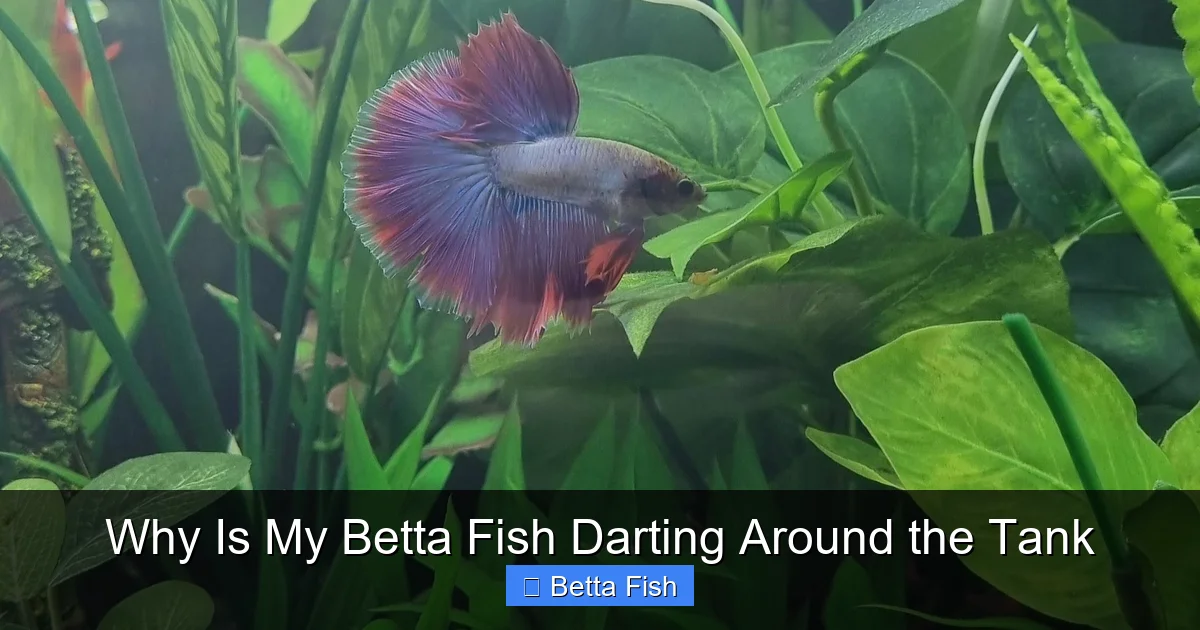
Visual guide about Why Is My Betta Fish Darting Around the Tank
Image source: i.redd.it
Test your water weekly with a reliable kit. Aim for ammonia < 0.25 ppm, nitrite = 0, nitrate < 20 ppm, and pH between 6.5‑7.5. If you notice a sudden change, perform a 25‑30 % water change and monitor the fish’s behavior.
Loud Noises and Vibrations
Betta fish have a keen sense of vibration. A thumping speaker, a vacuum cleaner, or even a busy hallway can startle them. When they feel threatened, they often sprint to the top or hide.
Tank Mates and Over‑crowding
While many bettas thrive alone, some owners keep them with compatible species. An aggressive fin‑nipping neighbor can cause constant darting as the betta tries to escape.
Read more about tank‑mate dynamics in our article Can You Have 2 Betta Fish In The Same Tank.
3. Health Concerns That Prompt Erratic Movement
Parasites and Internal Infections
Internal parasites like Ichthyophthirius or bacterial infections can make a betta feel uncomfortable, leading to sudden bursts of swimming. Look for additional signs: white spots, frayed fins, or a loss of appetite.
Swim Bladder Disorder
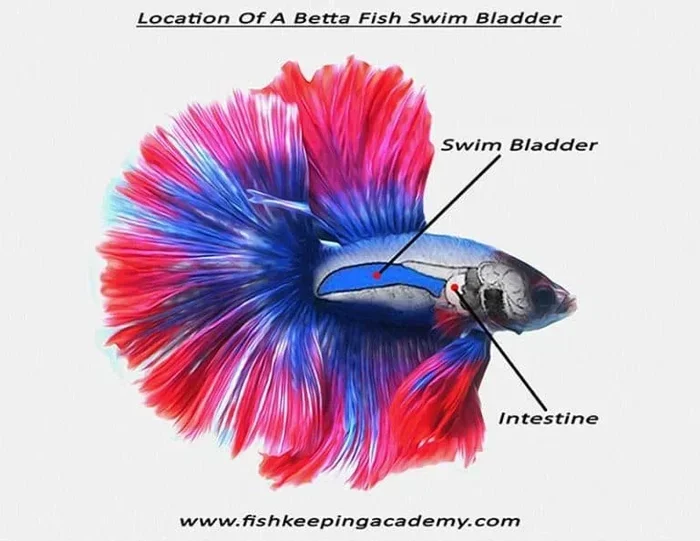
A compromised swim bladder makes it hard for the fish to control buoyancy. The result? Rapid, uncontrolled darting as the fish tries to stay upright.
If you suspect swim bladder issues, try feeding a small piece of blanched peas (remove the skin) to add fiber and aid digestion.
Skin Injuries and Fin Rot
Physical injuries from sharp décor or aggressive encounters can cause pain. The fish may dart to avoid the sore spot. Look for ragged fins, red patches, or missing tissue.
For a deeper dive on fin problems, see Why Are My Betta Fish Fins Falling Off.
4. Environmental Factors That Influence Behavior
Tank Size and Layout
Betta fish need at least a 5‑gallon tank with plenty of surface area. A cramped bowl forces the fish to swim in circles, which can look like frantic darting.
Temperature Fluctuations
Betas are tropical; they love water between 76‑82 °F (24‑28 °C). A sudden drop or rise can stress them. Use a reliable heater and a thermometer to keep the temperature steady.
Lighting and Day‑Night Cycle
Too much bright light can make a betta feel exposed, causing it to zip to the top. Provide a natural day/night rhythm with 10‑12 hours of light and a dim night.
5. Practical Steps to Calm a Darting Betta
Step‑by‑Step Water Maintenance
- Test water parameters.
- Perform a 25‑30 % water change with conditioned water matching tank temperature.
- Clean the substrate with a siphon to remove waste.
- Check the filter flow; reduce it if it’s too strong.
Enrichment and Hiding Places
Introduce live plants like Java moss or Anubias. They provide cover and reduce stress. Plastic caves, driftwood, or silk leaves also give a safe retreat.
Monitoring and Record‑Keeping
Keep a simple log: note water changes, temperature, feeding times, and any unusual behavior. Over weeks you’ll see patterns that help you answer “why is my betta fish darting around the tank?” quickly.
Conclusion: Turning Curiosity Into Care
Seeing your betta zip across the water can be both entertaining and worrying. By understanding that darting may be natural play, a stress response, or a sign of health trouble, you can act confidently. Regular water checks, a stable environment, and attentive observation are the best tools to keep your betta happy.
Remember, a calm betta is a healthy betta. If you’ve tried the steps above and the frantic swimming continues, especially with other symptoms, it’s wise to consult a vet who specializes in fish. With a little love and the right setup, your betta will spend more time gracefully gliding and less time darting in panic.
Frequently Asked Questions
Why does my betta fish dart when I turn on the lights?
Sudden bright light can startle a betta, causing a quick burst of swimming. Gradually increase lighting or use a dimmer to ease the transition.
Can feeding habits cause my betta to dart?
Yes. Over‑feeding or feeding low‑quality food can lead to digestive upset, which may make a betta swim erratically. Feed small portions 2‑3 times daily.
Is it normal for a betta to dart after a water change?
Sometimes the new water temperature or flow feels different, prompting a brief sprint. If the behavior stops after a few minutes, it’s usually harmless.
What should I do if my betta darts and also shows white spots?
White spots indicate a possible Ich infection. Quarantine the fish, raise the temperature to 82 °F, and treat with a suitable medication.
Can a betta’s tank décor cause darting?
Sharp or cramped décor can injure fins, leading to frantic swimming. Use smooth, betta‑friendly ornaments and provide open swimming space.
When is darting a sign that I need to see a vet?
If the darting is constant, accompanied by loss of appetite, discoloration, or abnormal breathing, seek professional advice promptly.