Is a Bigger Fish Tank Better
So, is a bigger fish tank better? The short answer is yes — a larger tank gives your fish more room to swim, better water quality, and a healthier environment. But bigger isn’t always perfect if you skip proper setup and maintenance. This guide covers everything you need to know about choosing the right tank size for your aquatic pets.
Many new fish keepers ask one simple question: is a bigger fish tank better? The answer might surprise you. While a larger tank offers real benefits, it also comes with responsibilities you need to understand. Choosing the right tank size can make or break your fishkeeping experience.
Whether you are keeping bettas, goldfish, or community fish, tank size affects everything from water quality to fish behavior. A bigger fish tank gives your pets more room to explore, reduces stress, and creates a more stable environment. But that does not mean you should just buy the biggest tank you can find.
In this guide, we will walk through the real advantages of larger tanks, when smaller tanks make sense, and how to choose the right size for your setup. By the end, you will know exactly what works best for your fish and your lifestyle.
Key Takeaways
- Larger tanks stabilize water parameters: More water dilutes toxins like ammonia and nitrite, keeping your fish safer.
- A bigger fish tank better supports swimming and exploration: Fish need space to stay active and healthy.
- Maintenance gets easier with size: Larger volumes mean fewer water changes and less frequent cleaning.
- Small tanks can work with the right care: A 5 gallon tank for betta is a great starting point for beginners.
- Overstocking a big tank is still risky: Size alone doesn’t solve the problem of too many fish.
- Match tank size to species needs: Different fish need different amounts of space and habitat.
📑 Table of Contents
Why Tank Size Matters for Fish Health
The size of your aquarium directly impacts your fish’s quality of life. Water volume plays a huge role in diluting waste products like ammonia and nitrite. In a small tank, toxins build up fast. In a larger tank, the water stays cleaner longer. This is the biggest reason is a bigger fish tank better holds true for most setups.
Water Quality and Stability
Think of it like a swimming pool versus a bathtub. If one person dumps a bucket of dirt into a pool, the water stays mostly clear. Do the same in a bathtub, and the water is completely cloudy. The same principle applies to your aquarium. More water means more stability.
Larger volumes also help keep temperature and pH steady. Small tanks can swing between conditions fast, which stresses fish out. A stable fish tank environment leads to healthier, happier pets that live longer.
Swimming Space and Behavior
Fish need room to swim. A cramped tank causes stress, which leads to disease and poor appetite. When fish have enough space, they display natural behaviors like exploring, foraging, and playing. A bigger fish tank better supports active, curious fish that show off their full colors and personalities.
For bettas specifically, swimming space matters a lot. These beautiful fish love to glide through open water and explore plants and decorations. Without enough room, they become lethargic and bored. If you want to learn more about keeping bettas in different setups, check out our guide on what is the best tank size for a betta fish.
The Real Benefits of a Larger Tank
So what exactly do you get when you go bigger? Let us break down the real, practical benefits of a larger aquarium.
Easier Maintenance
This might sound backwards, but larger tanks are actually easier to maintain. Here is why:
- Water changes are less frequent: You only need to change 10-20% of the water weekly in a big tank versus 25-50% in a small one.
- Parameters stay stable longer: Temperature and pH do not fluctuate as much.
- Mistakes are more forgiving: If you overfeed or forget a water change, a larger volume gives you more time to fix the problem.
- Filter media lasts longer: Beneficial bacteria have more surface area and more stable conditions to thrive in.
Better Filtration and Cycling
A larger tank supports a more powerful filter, which means better mechanical, chemical, and biological filtration. The nitrogen cycle also establishes faster and more reliably in bigger volumes. This means less risk of ammonia spikes that can harm or kill your fish.
More Room for Decor and Plants
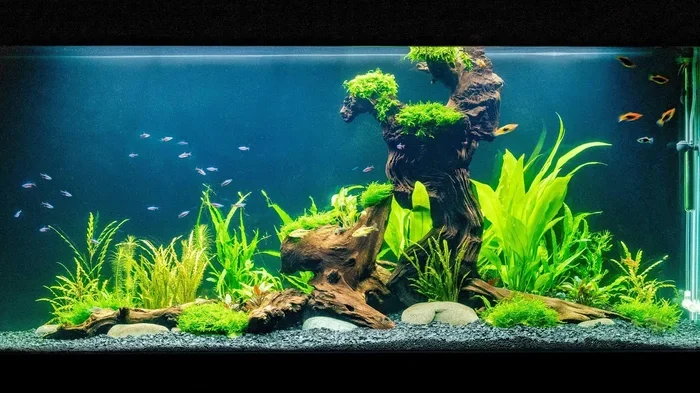
A bigger tank gives you creative freedom. You can add live plants, caves, driftwood, and open swimming areas. This creates a natural-looking environment that reduces stress and makes your tank more enjoyable to watch.
When a Smaller Tank Can Work
Not everyone has the space or budget for a huge aquarium. The good news is smaller tanks can still work well with the right approach. The key is understanding the trade-offs.
Best Small Tank Options
If you are limited on space, a 5 gallon tank for betta is one of the most popular choices. It is small enough to fit on a desk but large enough to give your fish a decent quality of life. A 10-gallon tank is even better and still manageable for most beginners.
Here are some pros and cons of keeping fish in smaller tanks:
- Pros: Lower cost, less space needed, easier to move, great for beginners learning the basics.
- Cons: Water parameters fluctuate quickly, more frequent water changes needed, limited stocking options, less room for error.
Which Fish Do Well in Small Tanks?
Not all fish need a massive aquarium. Some species thrive in smaller setups:
- Betta fish: They do well in 5-gallon tanks with a heater and filter.
- Guppies: A 10-gallon tank can house a small group comfortably.
- Neon tetras: They need at least 10 gallons but do great in smaller community tanks.
- Snails: Nerite snails and mystery snails do well in tanks as small as 5 gallons.
Fish like goldfish and cichlids need much more space and do poorly in small tanks. Always research the specific needs of your fish before choosing a tank size.
Common Mistakes People Make with Tank Size
Even experienced fish keepers make mistakes when it comes to tank size. Here are the most common ones to avoid.
Overstocking the Tank
One of the biggest mistakes is adding too many fish to any tank, big or small. A 50-gallon tank does not give you a free pass to keep 30 fish. Overstocking leads to poor water quality, aggressive behavior, and sick fish. Always research how much space each species needs before adding them to your aquarium.
Ignoring the Nitrogen Cycle
Tank size does not replace the need for a properly cycled aquarium. Whether you have a 5-gallon or a 55-gallon tank, you need to cycle it before adding fish. This process builds beneficial bacteria that break down toxic waste. Skipping this step can cause dangerous ammonia spikes no matter the tank size.
Underestimating Maintenance Needs
Some people think a bigger tank means less work. While maintenance is easier, it is not zero. You still need to test water parameters regularly, perform water changes, and clean your filter. A neglected large tank can become just as problematic as a neglected small one.
How to Choose the Right Tank Size for Your Fish
Choosing the right tank comes down to a few simple factors. Let us walk through them step by step.
Consider the Fish Species
Different fish have different space needs. A betta fish needs at least 5 gallons, while a common goldfish needs 20 gallons or more. Always look up the adult size and activity level of the fish you want to keep. A fish that grows large and swims constantly needs a much bigger home than a sedentary species.
Think About Your Available Space
Measure the area where you plan to put the tank. Consider the weight too — a filled aquarium is extremely heavy. A 20-gallon tank weighs over 200 pounds when full. Make sure your furniture and floor can handle it safely.
Factor in Your Budget
Larger tanks cost more upfront. You also need a bigger filter, more substrate, and more decorations. But the long-term maintenance costs are often lower because water changes are less frequent and parameters are more stable. Think of it as an investment in your fish’s health.
Plan for Growth
If you are starting out, consider how your setup might grow over time. Buying a slightly larger tank now saves you from upgrading later. Many fish keepers recommend starting with at least a 10-gallon tank if possible. This gives you room to expand your fish collection and create a more interesting aquascape.
For more tips on matching tank size to fish species, read our article on what is a good size tank for a betta fish.
Does Tank Size Affect Fish Behavior?
Absolutely. Tank size has a direct impact on how your fish act and feel. Stressed fish hide, stop eating, or become aggressive. Fish with enough space explore, interact, and display their natural colors more vividly.
Have you ever noticed fish in a small tank constantly swimming into the glass or staying in one corner? That is a sign of stress and boredom. A larger tank gives them places to explore, territories to claim, and open water to glide through. If you are curious about whether fish get bored in small spaces, you might enjoy learning about do betta fish get bored in a tank.
Even simple things like adding plants and hiding spots make a big difference. But the foundation of a great fish environment starts with enough space. When your fish feel safe and comfortable, they thrive.
The Bottom Line
So, is a bigger fish tank better? In most cases, yes. A larger tank provides better water quality, more stable parameters, and a happier home for your fish. It gives your pets room to swim, explore, and behave naturally. It also makes maintenance easier and gives you more flexibility in stocking and decorating.
That said, a bigger tank is not a magic solution. You still need to cycle it properly, maintain it regularly, and research the needs of your fish. A well-maintained 10-gallon tank can be far better than a neglected 55-gallon tank.
The best tank is the one that fits your space, your budget, and the needs of the fish you want to keep. Start with the biggest tank you can reasonably manage, and you will set yourself up for success in this rewarding hobby.
Frequently Asked Questions
Is a bigger fish tank always better for bettas?
Not always, but a larger tank generally provides a healthier environment for bettas. A 5-gallon tank is the minimum recommended size, but a 10-gallon or larger tank gives your betta more room to swim and better water stability. The key is matching tank size to the fish’s needs and maintaining proper care.
What is the best tank size for a beginner fish keeper?
A 10-gallon tank is widely considered the best starting point for beginners. It is large enough to maintain stable water parameters but small enough to manage easily and afford. Starting with a bigger tank gives you more room for error and more flexibility as you gain experience.
Can a too-big tank be bad for fish?
A very large tank can be challenging if you are a beginner. The equipment costs more, it takes up more space, and cycling a large tank takes longer. However, once set up properly, a big tank is rarely bad for fish. The real risk is overstocking or skipping the cycling process.
How often should I do water changes in a big tank?
For most tanks over 20 gallons, a 10-20% water change every one to two weeks works well. Larger tanks need less frequent changes because the water volume dilutes waste more effectively. Always test your water parameters to determine the right schedule for your specific setup.
Does tank size affect how many fish I can keep?
Yes, tank size directly affects your stocking capacity. A common rule is one inch of fish per gallon of water, but this varies by species. Some fish produce more waste than others and need more space. Always research each species before adding them to your tank.
Is it worth upgrading from a small tank to a bigger one?
In most cases, yes. Upgrading to a larger tank gives you better water quality, easier maintenance, and a more enjoyable setup. If you currently keep fish in a tank smaller than 5 gallons, upgrading to at least a 10-gallon tank can make a noticeable difference in fish health and behavior.