Wondering if a puffer fish can share a tank with a betta? In most cases the answer is no—puffers are aggressive and may view bettas as a snack. However, with the right species, tank size, and careful monitoring, a few exceptions exist.
Key Takeaways
- Temperament clash: Most puffers see bettas as prey, while bettas guard their space fiercely.
- Tank size matters: A minimum of 30 gallons is recommended for any mixed‑species set‑up involving a puffer.
- Species selection is critical: Smaller, peaceful puffers (e.g., dwarf puffers) have a better chance than larger, carnivorous types.
- Hide spots and plants: Providing plenty of décor reduces stress for both fish.
- Monitor feeding: Feed separate meals to prevent competition and accidental bites.
- Know the signs: Early aggression, fin nipping, or loss of appetite signal that the pair should be separated.
- Alternative companions: Consider other community fish that are proven to coexist with bettas, such as neon tetras or corydoras.
📑 Table of Contents
Introduction: The Curious Question
When you first set up a betta tank, the bright colors and flowing fins are hard to resist. Then you see a puffer fish—round, curious, and full of personality. It’s natural to wonder, can a puffer fish live with a betta? The short answer is “it depends,” but the deeper answer involves temperament, tank size, water conditions, and a dash of patience.
This article walks you through everything you need to know before you decide to mix these two very different fish. We’ll cover their natural behaviors, the risks of aggression, the best tank set‑up, and practical steps to keep both happy—if it’s even possible.
Understanding the Players
Betta Fish: The Siamese Fighter
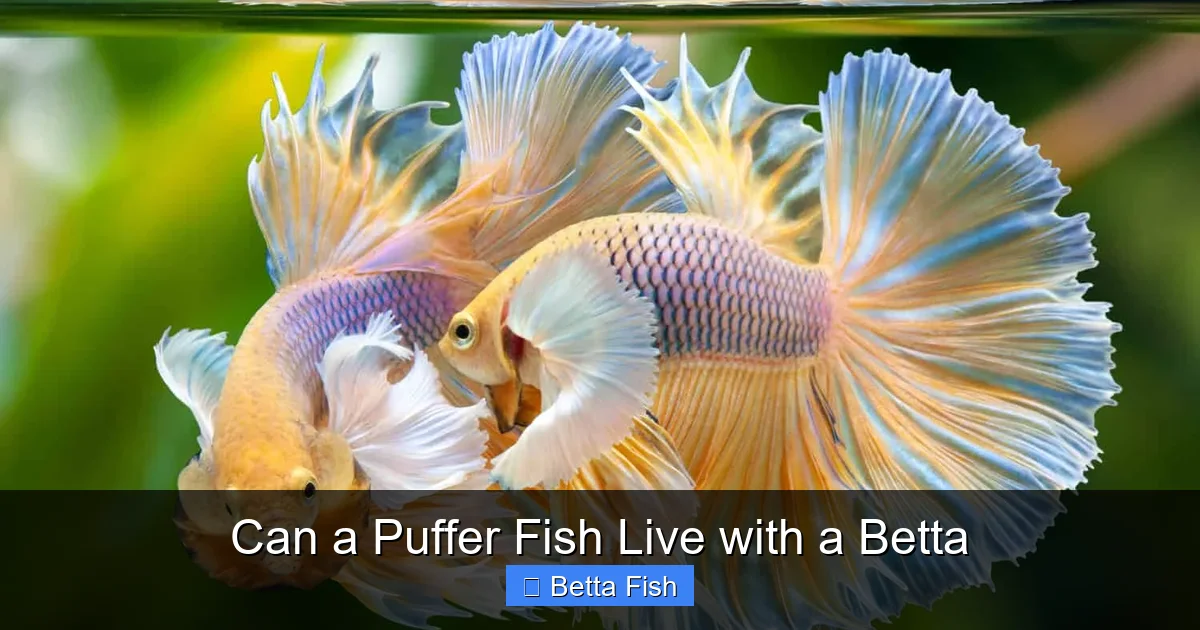
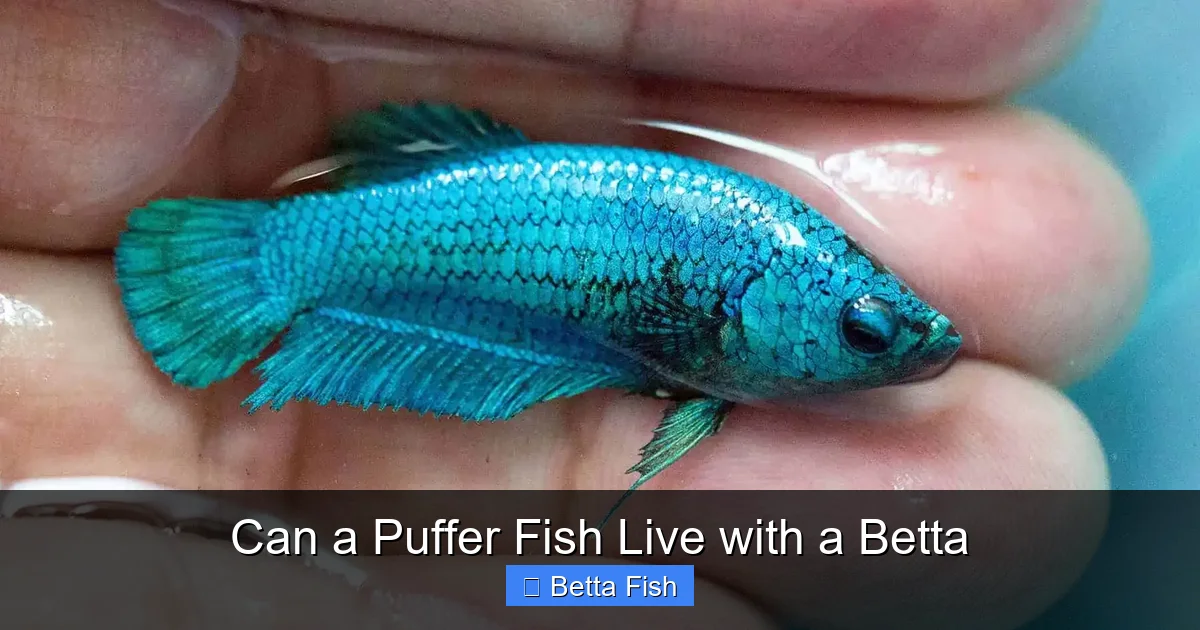
Betta splendens, commonly called the Siamese fighting fish, is famous for its bold colors and territorial nature. Males, in particular, guard a small area and flare their fins when they sense a rival. In the wild, they live in shallow rice paddies and slow‑moving streams, where they must defend limited space.
Visual guide about Can a Puffer Fish Live with a Betta
Image source: a-z-animals.com
Key traits that affect compatibility:
- Territorial aggression: Males will attack anything that looks like a rival, especially fish with bright fins.
- Surface‑dwelling habit: Bettas spend most of their time at the top of the tank, which can bring them into contact with floating or mid‑water fish.
- Diet: Bettas are carnivorous and love live or frozen foods like brine shrimp.
Puffer Fish: The Curious Carnivore
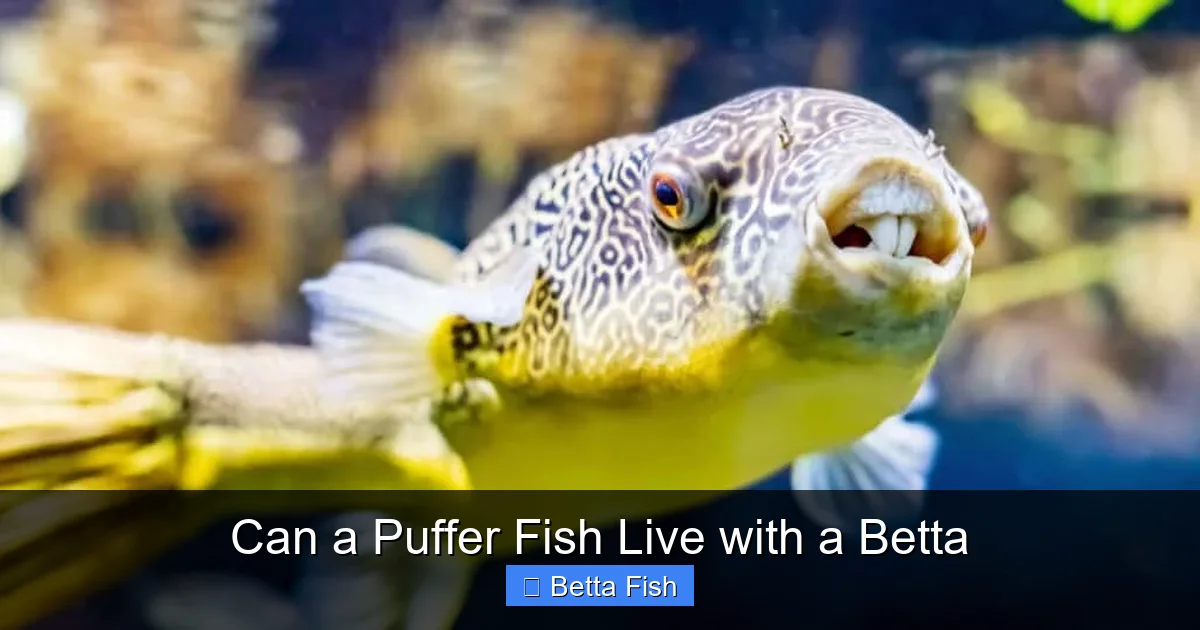
Puffer fish belong to the family Tetraodontidae and are known for their ability to inflate when threatened. They have strong beaks that can crush shells—making them excellent predators of snails and small crustaceans.
Important characteristics:
- Feeding behavior: Most puffers are opportunistic carnivores; they will bite anything that moves.
- Territorial range: Larger puffers need a lot of space and can become aggressive toward tank mates.
- Water parameters: Many puffers prefer slightly brackish water, though freshwater species exist.
Why Mixing a Puffer and a Betta Is Tricky
Natural Aggression
Both fish are naturally aggressive, but their aggression is directed at different things. A male betta sees another bright fish as a rival, while a puffer may see the betta’s flowing fins as a tasty snack. This double‑edged aggression often leads to fin nipping, stress, and sometimes death.
Visual guide about Can a Puffer Fish Live with a Betta
Image source: a-z-animals.com
Size Disparity
Most hobby‑grade puffers grow larger than bettas. A dwarf puffer may reach 2‑3 inches, while a common freshwater puffer can exceed 6 inches. Even a smaller puffer has a stronger bite than a betta, making injuries common.
Water Condition Mismatch
While many bettas thrive in soft, slightly acidic water (pH 6.0‑7.0), some puffers prefer harder, more alkaline conditions. Matching both species in a single tank can be a balancing act.
When It Might Work: The Right Conditions
Choosing the Right Puffer Species
If you are determined to try, start with a dwarf puffer (e.g., Carinotetraodon travancoricus). These tiny puffers stay under 2 inches, are less likely to view a betta as food, and can coexist in a well‑planted tank.
Visual guide about Can a Puffer Fish Live with a Betta
Image source: bettasource.com
Tank Size and Layout
A minimum of 30 gallons is recommended for any mixed community with a puffer. This provides enough swimming space and hiding spots. Use plenty of live plants, driftwood, and caves to create visual barriers. The betta can claim the surface, while the puffer can explore the mid‑ and bottom levels.
Separate Feeding Zones
Feed the betta from the surface with a small cup, and drop the puffer’s food near the bottom. This prevents competition and reduces the chance that the puffer will mistake a betta’s fin for a snack.
Monitoring and Intervention
Watch the tank closely for the first two weeks. Early signs of stress—loss of color, frantic swimming, or hiding—mean you need to separate them quickly. A divider or a second tank can be a lifesaver.
Alternative Community Fish
Often the safest route is to pair a betta with proven community fish. For ideas, see our guide on What Fish Can Live With A Betta. Species like neon tetras, harlequin rasboras, and small catfish are generally peaceful and occupy different tank levels.
Step‑by‑Step Guide to Trying a Puffer‑Betta Combo
1. Prepare the Tank
- Set up a 30‑gallon aquarium with a sturdy filter (minimum 4 × tank volume per hour).
- Use a substrate of fine sand or smooth gravel.
- Plant at least 30% of the tank with live plants such as Java fern, Anubias, or Amazon sword.
- Add caves, PVC pipes, and driftwood for hiding places.
2. Cycle the Tank
Run the aquarium for 4‑6 weeks to establish a stable nitrogen cycle. Test water parameters regularly; aim for temperature 76‑80 °F, pH 7.0‑7.5 for dwarf puffers, and keep ammonia and nitrite at 0 ppm.
3. Introduce the Betta First
Acclimate the betta slowly using the drip method. Let it explore the surface and establish a territory for a few days before adding the puffer.
4. Add the Puffer
Use the same drip acclimation, but release the puffer near a hiding spot at the bottom of the tank. This reduces immediate visual contact.
5. Observe and Adjust
- Watch for fin nipping or puffing behavior for the first 48 hours.
- If aggression occurs, consider a tank divider or a larger tank.
- Maintain consistent water changes (25% weekly) to keep water quality high.
6. Feeding Routine
Give the betta a small portion of high‑quality betta pellets or frozen brine shrimp twice a day. Offer the puffer a mix of daphnia, bloodworms, and a specialty puffer formula once daily.
Red Flags: When to Separate
Physical Injuries
Even a tiny bite from a puffer can cause fin rot. If you see torn fins, torn scales, or a loss of color, move the injured fish to a hospital tank immediately.
Behavioral Stress
Signs of chronic stress include pale coloration, listless swimming, and constant hiding. Stress weakens the immune system and can lead to disease.
Persistent Aggression
If the betta flares its fins at the puffer for more than a few minutes each day, or if the puffer repeatedly inflates and attacks, it’s a clear sign the tank is not suitable.
Conclusion: Proceed with Caution
In most hobbyist setups, the answer to “can a puffer fish live with a betta?” is a cautious “no.” Their natural instincts, size differences, and water needs usually clash. However, with a dwarf puffer, a spacious, well‑planted tank, and vigilant monitoring, a peaceful cohabitation is possible—but not guaranteed.
Before you take the plunge, consider whether you’re prepared to act quickly if aggression appears. Often, pairing a betta with other community fish that have a proven track record (see Can A Betta Fish Live With Other Fish) is a safer and more rewarding route.
Remember, the health and happiness of your fish come first. If you ever doubt the compatibility, it’s better to keep them apart and enjoy each species in its ideal environment.
Frequently Asked Questions
Can a puffer fish eat a betta’s fins?
Yes. Puffers have strong beaks and will bite at anything that moves, including betta fins, which can lead to serious injuries.
Do bettas and dwarf puffers ever get along?
In rare cases, a well‑planted, spacious tank can allow a dwarf puffer and a betta to coexist, but close observation is essential.
What tank size is the minimum for a puffer and betta together?
A 30‑gallon tank is the smallest size that provides enough room and hiding places for both fish.
Should I feed them together or separately?
Feed them separately. Drop the puffer’s food near the bottom and feed the betta at the surface with a cup to avoid competition.
Can I use a tank divider as a permanent solution?
A divider can work short‑term, but it prevents the fish from truly sharing a community. It’s better to keep them in separate tanks if aggression persists.
Are there any fish that are safer companions for both?
Yes. Small, peaceful schooling fish like neon tetras, harlequin rasboras, and bottom‑dwelling catfish are proven betta companions and won’t trigger a puffer’s predatory instincts.

