Why Does My Betta Fish Keep Sleeping
Betta fish need rest, but excessive sleeping can signal stress, illness, or poor tank conditions. This guide explains the natural sleep patterns of bettas, common reasons they may seem unusually sleepy, and practical tips to create a thriving environment. Read on to keep your betta lively and happy.
Key Takeaways
- Normal sleep cycles: Bettas rest 8‑12 hours a day, usually at night.
- Water quality matters: Bad parameters can cause lethargy.
- Temperature is key: Too cold or too hot slows metabolism.
- Diet and feeding: Over‑ or under‑feeding can make a betta sleepy.
- Stress signals: Hiding, loss of color, or faded fins often accompany excessive sleep.
- Health check: Look for bubbles, bloating, or white spots as warning signs.
- Simple fixes: Adjust temperature, improve filtration, and provide enrichment.
📑 Table of Contents
- Introduction: When Your Betta Looks Like It’s Napping All Day
- 1. Understanding Betta Sleep Patterns
- 2. Common Reasons Your Betta May Appear Over‑Sleepy
- 3. Spotting Red Flags: When Sleep Becomes a Symptom
- 4. Practical Steps to Revive a Sleepy Betta
- 5. Enrichment: Keeping Your Betta Engaged So It Doesn’t Over‑Sleep
- Conclusion: Rest Is Normal, But Excessive Sleep Signals a Problem
Introduction: When Your Betta Looks Like It’s Napping All Day
Imagine coming home to find your vibrant Betta flopping lazily at the bottom of the tank, barely moving its fins. It can feel worrisome, especially if you’re used to seeing that bright, flaring display of colors and activity. But before you panic, it’s important to understand that bettas, like all fish, have natural sleep cycles. They do “sleep,” though not in the same way mammals do. They rest, hover, and become less responsive, especially when the lights are dim.
Sometimes what looks like sleep is actually a sign that something is off – poor water, the wrong temperature, stress, or an underlying health issue. In this article we’ll answer the question “why does my betta fish keep sleeping?” by breaking down normal behavior, red‑flag symptoms, and easy fixes you can try today.
1. Understanding Betta Sleep Patterns
How Do Bettas Rest?
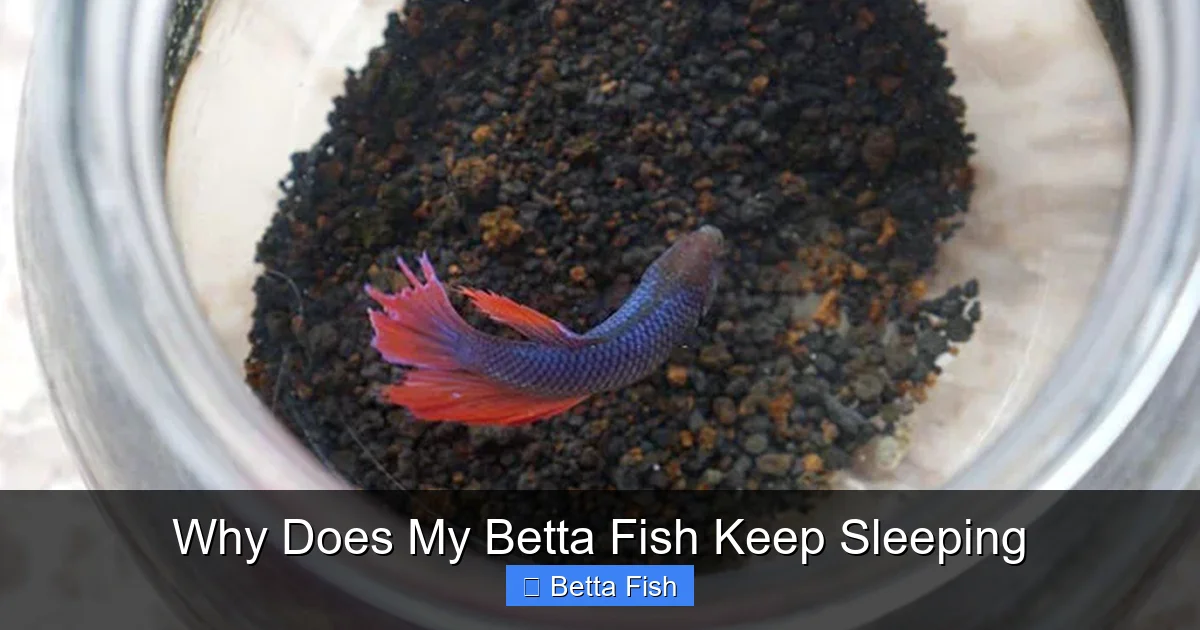
Bettas don’t have eyelids, so they can’t close their eyes. Instead, they enter a state of reduced activity called “resting.” During rest, they often hover near the surface, stay still, and may appear slightly translucent. This usually happens when the aquarium lights are off, mimicking night in the wild.
Visual guide about Why Does My Betta Fish Keep Sleeping
Image source: infishtank.com
Typical Duration
- 8‑12 hours of rest per 24‑hour cycle.
- Short “catnaps” during the day if the tank is too bright or noisy.
If your betta is sleeping within this range, it’s likely normal. Problems arise when the fish seems lethargic even during daylight or fails to respond to feeding.
2. Common Reasons Your Betta May Appear Over‑Sleepy
2.1 Water Quality Issues
Dirty water is the number one cause of fish lethargy. High ammonia, nitrite, or nitrate levels stress the gills and make the fish conserve energy. Test your water weekly with a reliable kit.

Visual guide about Why Does My Betta Fish Keep Sleeping
Image source: infishtank.com
- Ammonia > 0.25 ppm: Immediate danger, fish will become very sleepy.
- Nitrate > 40 ppm: Chronic stress, leads to dull colors and reduced activity.
2.2 Temperature Problems
Bettas thrive at 76‑82°F (24‑28°C). Water that’s too cold slows metabolism, making the fish sleep more. Conversely, water that’s too warm can cause oxygen depletion, also leading to lethargy.
2.3 Inadequate Diet
Over‑feeding creates waste, while under‑feeding leaves the fish hungry and weak. Both situations can make a betta appear to “sleep” longer than usual.
2.4 Stress and Environment
Bright lights, constant movement outside the tank, or aggressive tank mates can stress a betta. Stress hormones cause the fish to hide and rest more.
2.5 Underlying Health Problems
Illnesses such as ich, velvet, or internal infections often start with lethargy. Look for additional signs like white spots, bubbles, or a bloated belly.
3. Spotting Red Flags: When Sleep Becomes a Symptom
3.1 Changes in Color
A healthy betta flashes bright blues, reds, and greens. If the colors fade or turn pale, it may be a stress response.
3.2 Abnormal Bubble Production
Excessive bubble blowing can indicate poor oxygen levels. Learn more about bubble behavior in our article Why Does My Betta Fish Make Bubbles.
3.3 Bloated or Bloated‑Looking Abdomen
If the belly looks swollen, the fish might be constipated or suffering from internal parasites. See Why Does My Betta Fish Look Bloated for details.
3.4 Fins That Appear Shredded or Curling
Fins that look ragged often point to fin rot, which can sap energy. Read more at Why Does My Betta Fish Fins Look Shredded.
3.5 White or Black Spots
White spots may be ich; black spots could be a fungal infection. Both cause the fish to rest more.
4. Practical Steps to Revive a Sleepy Betta
4.1 Test and Adjust Water Parameters
Perform a full water test. If ammonia or nitrite is present, do a 25‑30% water change immediately. Use a dechlorinator and ensure the filter is working properly.
4.2 Set the Right Temperature
Use an aquarium heater with a thermostat. Keep the temperature steady within the 76‑82°F range. A thermometer is a must‑have tool.
4.3 Optimize Feeding
- Feed 2‑3 small portions per day.
- Use high‑quality betta pellets or frozen bloodworms.
- Remove uneaten food after 5 minutes to prevent water fouling.
4.4 Provide a Calm Environment
Turn off bright lights at night, use a dim “moon” light if needed, and place the tank in a low‑traffic area. Add live plants or silk decorations for hiding spots.
4.5 Treat Common Illnesses
If you notice white spots, add a mild ich treatment following package directions. For fin rot, increase water changes and consider a antibacterial medication.
5. Enrichment: Keeping Your Betta Engaged So It Doesn’t Over‑Sleep
5.1 Interactive Toys
Betta hammocks, floating mirrors, and gentle water currents encourage movement.
5.2 Changing the View
Occasionally rearrange decorations (without stressing the fish) to give a fresh visual landscape.
5.3 Light Cycle Consistency
Maintain a 10‑hour light/14‑hour dark schedule. Use a timer to avoid accidental over‑exposure.
Conclusion: Rest Is Normal, But Excessive Sleep Signals a Problem
Seeing your betta “sleep” a lot can be unsettling, but with a clear understanding of normal rest patterns and the common reasons for lethargy, you can quickly identify whether it’s just a cozy nap or a call for help. By monitoring water quality, temperature, diet, and stress levels, you give your fish the best chance to stay active, colorful, and thriving.
Remember, the key is observation. Keep a daily log of your fish’s behavior, water readings, and any changes you make. Over time you’ll spot trends and can act before a small issue becomes a big one. Happy fishkeeping!
Frequently Asked Questions
Why is my betta fish sleeping more during the day?
Daytime sleep often means the tank is too bright, noisy, or the water temperature is too low. Adjust lighting and ensure the temperature stays within 76‑82°F.
Can water temperature cause my betta to be lethargic?
Yes. Cold water slows metabolism, making the fish rest longer. Use a reliable heater and keep the temperature stable.
How often should I change my betta’s water to prevent excessive sleeping?
Change 20‑30% of the water weekly, or more often if you notice high nitrate or ammonia levels.
Is it normal for a betta to hide and appear sleepy after a new decoration is added?
New items can stress a betta. Give it a day or two to adjust, and make sure the decoration has smooth edges to avoid injury.
What signs besides sleep indicate my betta might be sick?
Look for faded colors, white spots, bloated abdomen, shredded fins, or excessive bubble blowing.
Can feeding too much make my betta sleep more?
Over‑feeding leads to poor water quality, which can cause lethargy. Feed small portions 2‑3 times daily and remove leftovers promptly.