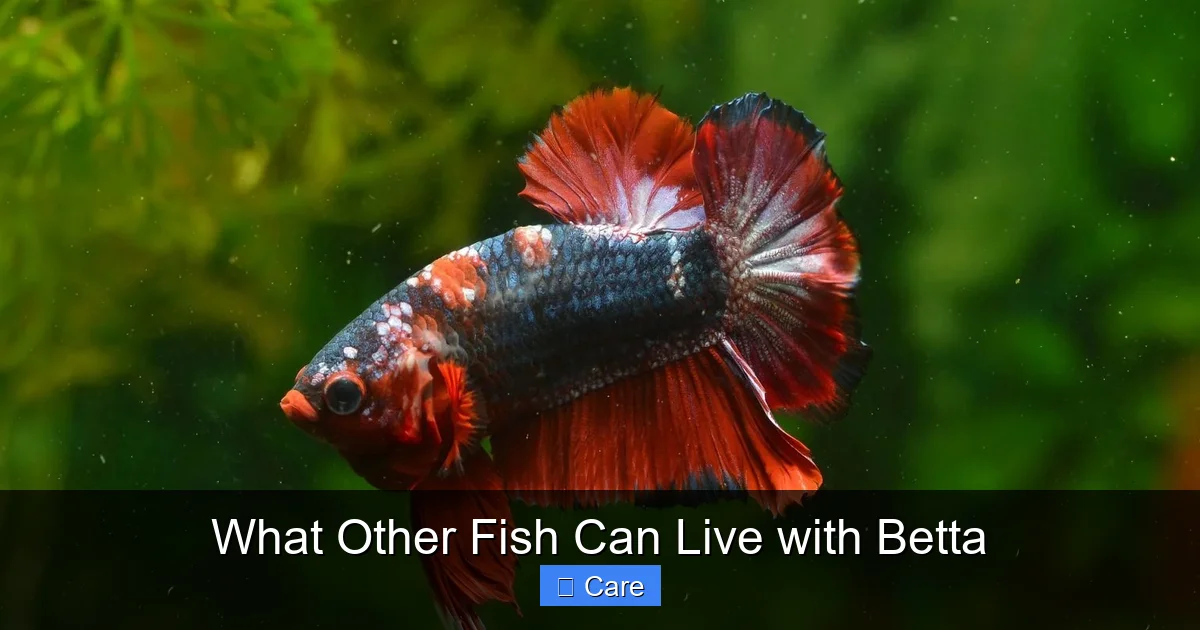
What Other Fish Can Live with Betta
Betta fish can share a community tank, but choosing the right mates is crucial. This guide explains what other fish can live with betta, how to set up a peaceful aquarium, and simple dos and don’ts for a stress‑free community.
Key Takeaways
- Temperament matters: Select peaceful, non‑fin‑nipping species to avoid aggression.
- Tank size is critical: A minimum of 20 gallons gives bettas space to establish territories.
- Water parameters must match: Keep temperature, pH, and hardness consistent for all species.
- Provide plenty of hiding spots: Plants, caves, and driftwood reduce stress for every fish.
- Introduce slowly and monitor: Quarantine new fish and watch behavior for the first 48 hours.
- Avoid fin‑nippers and fast swimmers: These trigger the betta’s defensive instincts.
- Regular maintenance keeps peace: Clean water and balanced feeding prevent territorial fights.
📑 Table of Contents
- Introduction: Betta Compatibility Made Simple
- Understanding Betta Behavior
- Setting Up the Perfect Betta Community Tank
- Best Tank Mates: What Other Fish Can Live with Betta
- Fish to Avoid: What Other Fish Can’t Live with Betta
- Step‑by‑Step Guide to Introducing New Tank Mates
- Feeding Strategies for a Mixed Community
- Maintenance Tips to Keep the Peace
- Conclusion: A Happy Betta and a Peaceful Community
Introduction: Betta Compatibility Made Simple
If you’ve ever wondered what other fish can live with betta, you’re not alone. Betta splendens, often called the Siamese fighting fish, has a reputation for aggression, especially toward other males of its own species. That reputation can make hobbyists hesitate to create a community tank. The good news is that with the right choices, a betta can coexist happily with several peaceful companions.
In this article we’ll walk through the science behind betta behavior, the key factors that affect compatibility, and a curated list of the best tank mates. By the end, you’ll feel confident setting up a vibrant, stress‑free aquarium where your betta and its new friends can thrive together.
Understanding Betta Behavior
Why Betta Fish Are Territorial
Betta fish evolved in shallow, slow‑moving waters of Thailand and Cambodia. In the wild, they defend small patches of vegetation that serve as breeding sites. This natural instinct translates into strong territoriality in the home aquarium. A male betta will flare, display his fins, and sometimes bite if he feels his space is threatened.
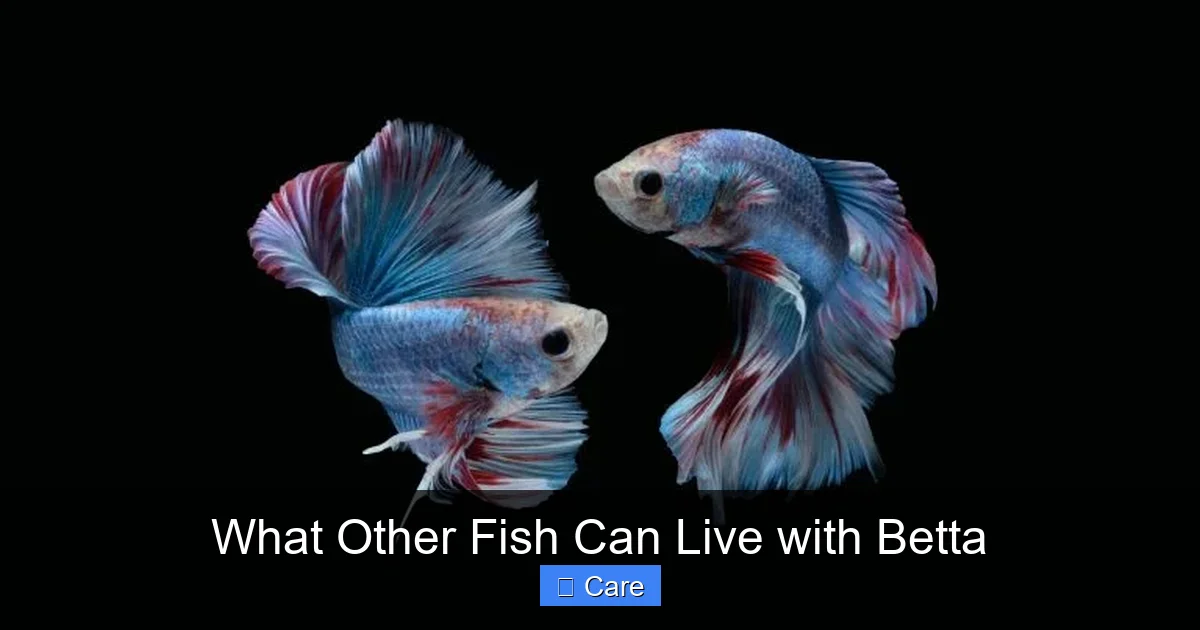
Visual guide about What Other Fish Can Live with Betta
Image source: fishkeepingadvice.com
Gender Differences
Male bettas are the classic “fighters.” Females are generally less aggressive, but they can still become defensive if overcrowded. When choosing tank mates, it’s safest to keep a single male betta with compatible species. A group of females can be housed together, but they still need plenty of hiding places.
What Triggers Aggression?
- Similar color patterns or long, flowing fins that the betta mistakes for another male.
- Fast‑moving fish that dart past the betta’s line of sight.
- Overcrowding, which limits the betta’s ability to establish a territory.
- Sudden changes in water quality that cause stress.
Setting Up the Perfect Betta Community Tank
Tank Size and Layout
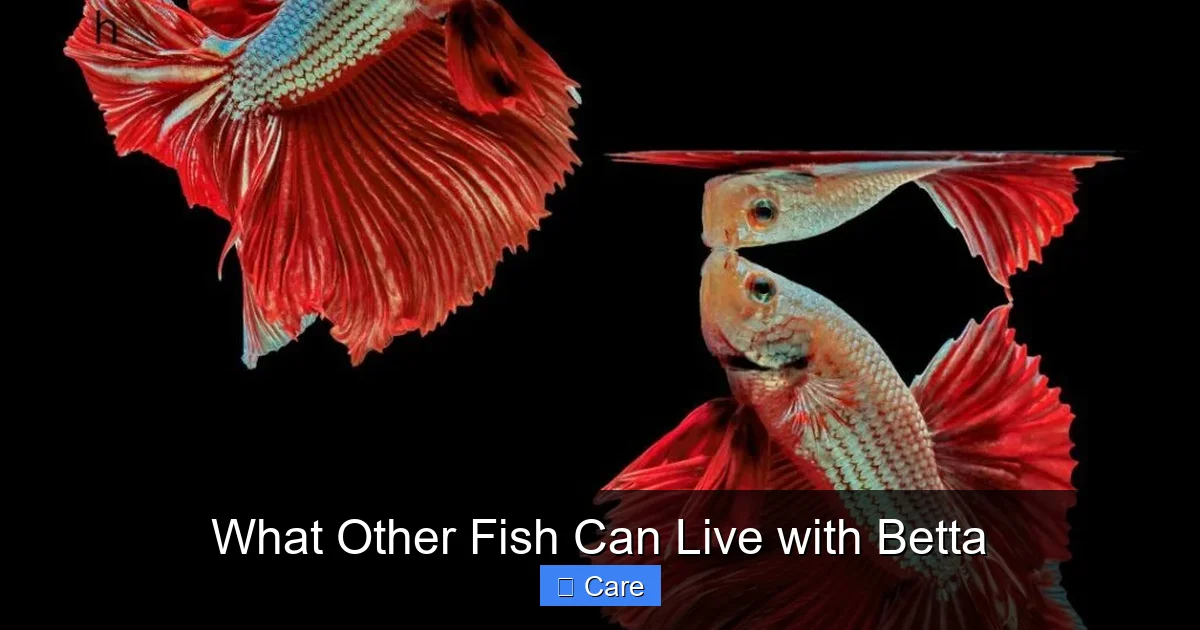
While a single betta can survive in a 5‑gallon tank, a community setup requires at least 20 gallons. This extra space lets the betta claim a corner or a planted area while giving other fish room to swim without constant visual contact.
Visual guide about What Other Fish Can Live with Betta
Image source: fishkeepertank.com
Arrange decorations to create distinct zones: a planted “forest” for shy fish, a rock cave for the betta to retreat, and open swimming lanes for active species. The more visual barriers you provide, the less likely the betta will see every newcomer as a threat.
Water Parameters to Match
All potential tank mates should thrive in the same water conditions. Aim for:
- Temperature: 76‑82 °F (24‑28 °C)
- pH: 6.5‑7.5 (slightly acidic to neutral)
- Hardness: 5‑12 dGH
Use a reliable heater and a test kit to keep these parameters stable. Fluctuations are a common cause of aggression and disease.
Plants, Hiding Spots, and Flow
Live plants such as Java fern, Anubias, and Amazon sword are excellent choices. They soften water, absorb nitrates, and give the betta places to rest his fins. If live plants are not an option, high‑quality silk or mesh decorations work well.
Gentle water flow (no more than a weak sponge filter) mimics the betta’s natural environment. Strong currents tire the fish out and can encourage aggression.
Best Tank Mates: What Other Fish Can Live with Betta
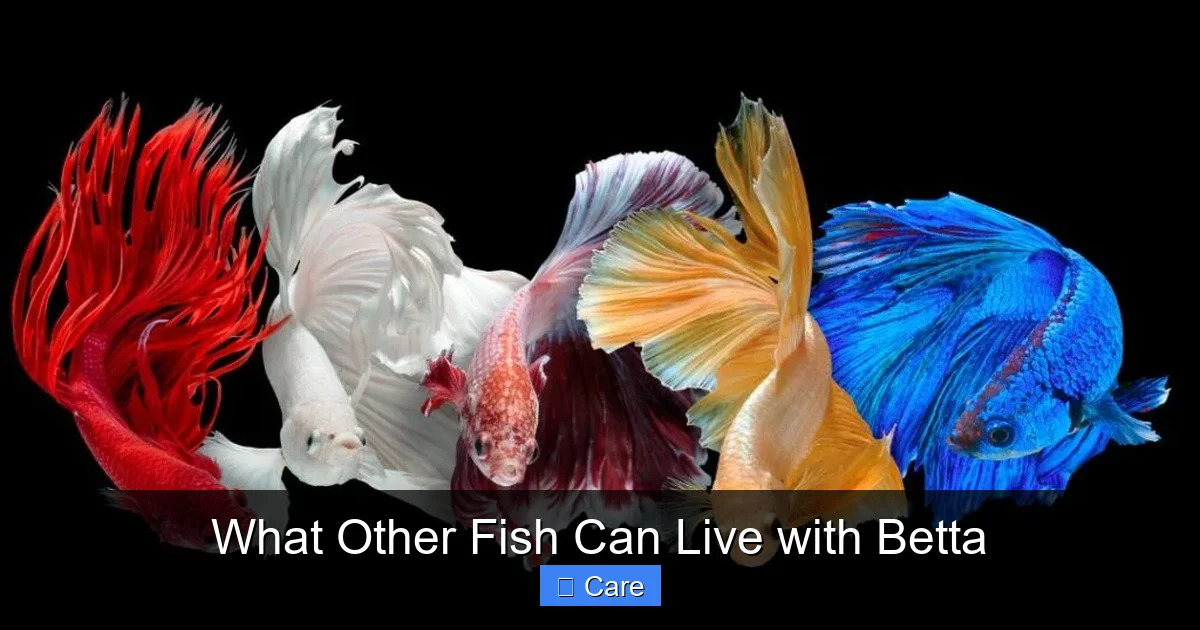
Below is a curated list of species that have proven compatibility with bettas. Each entry includes ideal tank size, temperament notes, and care tips.
Visual guide about What Other Fish Can Live with Betta
Image source: fishkeepertank.com
1. Neon Tetras (Paracheirodon innesi)
- Tank size: 10 gallons minimum.
- Temperament: Peaceful schooling fish; stay in groups of 6‑10.
- Why they work: Small size and fast schooling motion keep them out of the betta’s direct line of sight.
- Tip: Keep the water at the lower end of the betta’s temperature range (76‑78 °F) to suit tetras.
2. Corydoras Catfish (Corydoras spp.)
- Tank size: 15 gallons.
- Temperament: Bottom‑dwelling, gentle, and social.
- Why they work: They occupy a different layer of the tank, reducing visual confrontation.
- Tip: Provide a soft substrate to protect their delicate barbels.
3. Harlequin Rasboras (Trigonostigma heteromorpha)
- Tank size: 20 gallons.
- Temperament: Calm, schooling fish; best in groups of 6‑8.
- Why they work: Their silver bodies reflect light, creating a “moving background” that distracts the betta.
- Tip: Keep them in the mid‑water zone away from the betta’s favored spot.
4. Kuhli Loaches (Pangio kuhlii)
- Tank size: 20 gallons.
- Temperament: Shy, nocturnal bottom dwellers.
- Why they work: They hide in sand and driftwood, rarely crossing the betta’s line of sight.
- Tip: Provide plenty of hiding tubes and a soft substrate.
5. Ember Tetras (Hyphessobrycon amandae)
- Tank size: 10 gallons.
- Temperament: Very small, peaceful, and best in groups of 8‑10.
- Why they work: Their tiny size and bright orange color add visual interest without provoking the betta.
- Tip: Keep water temperature around 78 °F.
6. Otocinclus Catfish (Otocinclus spp.)
- Tank size: 15 gallons.
- Temperament: Gentle algae eaters; keep in groups of 5‑6.
- Why they work: They graze the glass and plants, staying out of the betta’s main territory.
- Tip: Feed supplemental veggies like zucchini to keep them healthy.
7. Dwarf Gourami (Trichogaster lalius) – With Caution
- Tank size: 20 gallons.
- Temperament: Semi‑aggressive; can coexist if the betta is calm.
- Why they work: Similar water needs and a comparable size, but watch for fin‑nipping.
- Tip: Introduce the gourami first, give the betta a week to settle, then add the gourami slowly.
Fish to Avoid: What Other Fish Can’t Live with Betta
Fin‑Nipping Species
Barbs, tiger fish, and some loaches love to nip at flowing fins. A betta’s long, delicate tail makes him an easy target, leading to stress and infection.
Fast, Aggressive Swimmers
Species such as guppies, zebra danios, or small cichlids dart around and may trigger the betta’s territorial response. Their speed also makes it hard for the betta to establish a clear hierarchy.
Other Betta Males
Two males in the same tank is a recipe for constant fighting. Even a single female betta can become aggressive if the tank is too small or lacks hiding places.
Step‑by‑Step Guide to Introducing New Tank Mates
1. Quarantine All New Arrivals
Keep new fish in a separate tank for 2‑4 weeks. This prevents the spread of disease and gives you a chance to observe their temperament.
2. Rearrange the Aquarium
Before adding newcomers, move plants and decorations around. This “reset” makes the betta think the territory is new, reducing defensive behavior.
3. Use a Net or Divider
When first placing the new fish, use a transparent divider or a small net to allow visual contact without direct interaction. Watch for signs of stress such as rapid gill movement or constant flaring.
4. Gradual Release
After 24‑48 hours, slowly open the divider or gently lower the net. If the betta flares but then settles, give it a few more hours. If aggression continues, be ready to separate them.
5. Monitor Daily
For the first week, check the tank twice a day. Look for torn fins, missing fish, or any fish hiding constantly. Early intervention prevents serious injuries.
Feeding Strategies for a Mixed Community
Separate Feeding Zones
Drop food near the surface for the betta, and use sinking pellets or algae wafers for bottom dwellers. This reduces competition and ensures each species gets proper nutrition.
Varied Diet
- Betta: high‑quality pellets, frozen bloodworms, occasional brine shrimp.
- Schooling tetras: micro‑pellets, daphnia, finely crushed flakes.
- Catfish: algae wafers, blanched veggies, bloodworms.
Feeding Frequency
Feed small amounts 2‑3 times daily. Overfeeding leads to water cloudiness, which can stress all fish, especially the betta.
Maintenance Tips to Keep the Peace
Weekly Water Changes
Replace 25‑30 % of the water each week. Use a water conditioner to remove chlorine and chloramines.
Filter Care
Clean filter media every 2‑3 weeks, but never replace it all at once. A stable bacterial colony helps maintain water quality, which in turn keeps aggression low.
Observe and Adjust
If you notice the betta becoming more aggressive over time, consider adding more hiding spots or reducing the number of active swimmers. Sometimes a simple rearrangement solves the problem.
Conclusion: A Happy Betta and a Peaceful Community
Knowing what other fish can live with betta is the first step toward a thriving aquarium. By selecting peaceful, non‑fin‑nipping species, providing ample space and hiding places, and monitoring water conditions, you create an environment where the betta feels secure and its tank mates can flourish.
Remember, every betta has a unique personality. Start with a small, well‑chosen group, watch the interactions, and adjust as needed. With patience and the right companions, your betta’s dazzling colors will become the centerpiece of a lively, harmonious community.
Frequently Asked Questions
Can I keep a male betta with a female guppy?
It’s not recommended. Guppies have flowing tails that can trigger a male betta’s aggression, leading to fin‑nipping.
Do bettas get along with other betta males if the tank is large?
Even in a large tank, two male bettas will usually fight. Their natural instinct to defend territory overrides space considerations.
Is it safe to keep a betta with a dwarf gourami?
Sometimes. If the betta is calm and the tank has plenty of plants and hiding spots, they can coexist, but close monitoring is essential.
How many neon tetras can I add to a 20‑gallon betta tank?
A group of 8‑10 neon tetras works well. They’ll school in the middle of the tank, staying out of the betta’s immediate area.
What should I do if my betta starts flaring after adding new fish?
Give the betta a few days to adjust, rearrange decorations to break line of sight, and consider removing the new fish if aggression continues.
Can I keep a betta with shrimp?
Yes, larger shrimp such as Amano or ghost shrimp are generally safe, but tiny shrimp may become prey if the betta is very hungry.