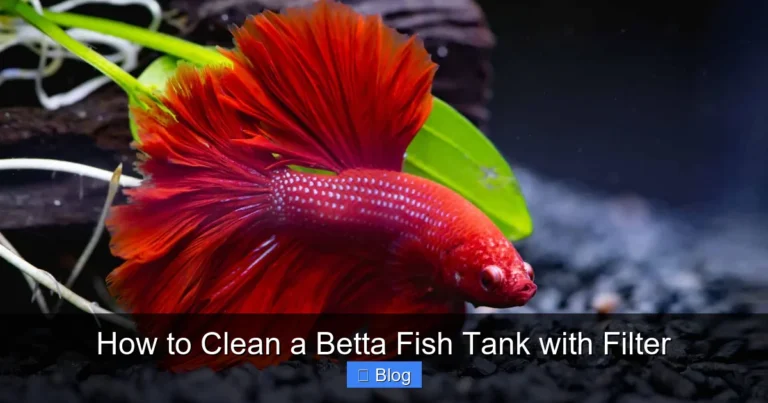
Can Guppy and Betta Fish Live Together in One Aquarium
Can guppy and betta fish live together in one aquarium? The short answer is: it’s risky and generally not recommended. While some hobbyists have had limited success under very specific conditions, bettas are territorial and aggressive by nature, and guppies’ bright, flowing fins often trigger attacks. This guide breaks down everything you need to know before attempting this combination.
Key Takeaways
- High risk pairing: Bettas are naturally territorial and may attack guppies, especially males with colorful, flowing fins that resemble rival bettas.
- Tank size matters: If you attempt this combination, a minimum of 20 gallons with heavy planting and hiding spots is essential to reduce aggression.
- Individual temperament varies: Some bettas are more docile than others, but you can never fully predict how a betta will react to tank mates.
- Male guppies are most at risk: Their bright colors and long tails make them prime targets for betta aggression. Female guppies are a slightly safer option.
- Constant monitoring required: Even if the pairing seems to work initially, bettas can become aggressive at any time without warning.
- Safer alternatives exist: There are many peaceful community fish that make better tank mates for bettas than guppies do.
- Have a backup plan: Always keep a separate tank or divider ready in case the betta becomes aggressive toward the guppies.
📑 Table of Contents
- Can Guppy and Betta Fish Live Together in One Aquarium?
- Understanding Betta Fish Temperament and Behavior
- Understanding Guppy Behavior and Vulnerability
- What the Experts Say About This Combination
- Essential Requirements If You Decide to Try
- Signs of Trouble to Watch For
- Safer Alternatives to Guppies for Betta Tank Mates
- Making the Right Decision for Your Fish
- Conclusion
Can Guppy and Betta Fish Live Together in One Aquarium?
If you’ve ever wandered through a pet store, you’ve probably noticed how stunning both betta fish and guppies are. The betta’s dramatic fins and bold personality catch your eye first, and then the guppies’ rainbow colors and playful swimming steal the show. It’s only natural to wonder: can guppy and betta fish live together in one aquarium? After all, imagine how beautiful a tank would look with both species swimming side by side.
It’s a question that comes up constantly in the fishkeeping community, and honestly, it’s one that doesn’t have a simple yes-or-no answer. Some people swear they’ve kept guppies and bettas together for years without a single issue. Others have stories that end in torn fins, stressed fish, and emergency tank separations. The truth is, this combination is one of the most debated topics in the hobby, and for good reason. In this article, we’re going to dig deep into the realities of keeping guppies and bettas together, explore the risks involved, and give you practical advice so you can make the best decision for your fish.
Before we go any further, let’s be clear about one thing: the safety and well-being of your fish should always come first. It’s easy to get caught up in the aesthetics of a beautiful community tank, but understanding the natural behaviors and needs of each species is what separates a responsible fishkeeper from one who learns lessons the hard way. So let’s get into it.
Understanding Betta Fish Temperament and Behavior
Why Bettas Are Called Siamese Fighting Fish
To understand whether guppy and betta fish can live together, you first need to understand what makes a betta a betta. Their scientific name is Betta splendens, and they’re commonly known as Siamese fighting fish. That name isn’t just for show. In their native Thailand, bettas were historically bred for aggression and used in organized fighting matches, much like roosters in cockfighting.
Centuries of selective breeding have made male bettas incredibly territorial. In the wild, a male betta will fiercely defend his territory against any intruder he perceives as a rival. This instinct doesn’t disappear just because your betta lives in a peaceful aquarium in your living room. When a betta sees another fish with bright colors and flowing fins, his brain essentially says, “That’s a rival. Attack.”
How Bettas Interpret Other Fish
Here’s where guppies become a problem. Male guppies are some of the most colorful freshwater fish in the hobby. They have vibrant tails, flowing fins, and they love to show off. To a betta, a male guppy looks almost identical to another male betta. The guppy’s bright colors and flashy movements trigger the betta’s territorial aggression, and that’s when things can go south very quickly.
It’s not that your betta is a “bad” fish. He’s simply following millions of years of evolutionary programming. Even bettas that seem calm and docile can snap at any moment. Their mood can change based on factors you can’t always control, like water conditions, stress, or even just a bad day. This unpredictability is one of the biggest reasons experts caution against keeping guppy and betta fish together.
Female Bettas vs. Male Bettas
It’s worth noting that female bettas tend to be less aggressive than males. They still have territorial instincts, but they’re generally more tolerant of tank mates. If you’re determined to try the guppy-betta combination, a female betta is a better candidate than a male. However, “less aggressive” doesn’t mean “not aggressive.” Female bettas can and do attack tank mates, so the risk is still very real.
Understanding Guppy Behavior and Vulnerability
Why Guppies Are Easy Targets
Guppies are peaceful, social fish that thrive in groups. They’re active swimmers, and they love to explore every corner of the tank. Unfortunately, these very traits make them vulnerable when housed with a betta. Guppies don’t have the same aggressive instincts as bettas. When attacked, their first instinct is to flee, not fight back.
Male guppies are especially vulnerable because of their long, flowing tails. A betta can easily mistake a male guppy’s tail for a rival betta’s fins. Even female guppies, which are less colorful, can become targets simply because they’re in the betta’s territory. Guppies are also fast swimmers, and their constant movement can irritate a betta, triggering chase behavior that can exhaust and stress the guppies.
The Stress Factor
Even if your betta doesn’t physically attack the guppies, the mere presence of a territorial predator in the tank causes chronic stress. Fish that are constantly on edge have weakened immune systems, making them more susceptible to diseases like ich, fin rot, and fungal infections. A stressed guppy may stop eating, hide constantly, or develop health problems that can ultimately be fatal.
Stress is one of the most underestimated dangers in fishkeeping. You might look at your tank and think everything looks fine, but beneath the surface, your guppies could be living in a state of constant fear. This is why many experienced aquarists advise against keeping guppy and betta fish together, even when no visible aggression is occurring.
What the Experts Say About This Combination
The General Consensus
Ask ten experienced fishkeepers whether guppy and betta fish can live together, and you’ll likely get a range of answers. However, the majority of experts and seasoned hobbyists will tell you that this combination is not recommended. The risks simply outweigh the potential benefits. While there are anecdotal success stories, they tend to be the exception rather than the rule.
Many aquarium professionals point out that the success stories usually involve specific conditions: a very large tank, a particularly docile betta, female guppies instead of males, and an experienced keeper who monitors the tank constantly. Even then, problems can arise weeks or months into the arrangement. The general advice is to choose safer tank mates for your betta or keep guppies in their own dedicated community tank.
When It Might Work
That said, there are scenarios where keeping guppy and betta fish together might work. If you have a heavily planted 20-gallon tank or larger, a known docile betta, and a group of female guppies, the chances of success increase. The key factors are space, hiding places, and the individual temperament of your betta. Some bettas are simply more laid-back than others, and if you’ve had your betta for a while and know his personality well, you may be in a better position to make an informed decision.
However, even in the best-case scenario, you need to be prepared for the possibility that the arrangement won’t work. Having a backup tank, a tank divider, or a plan to rehome one of the species is essential. Never put guppies and a betta together without a safety net.
Essential Requirements If You Decide to Try
Tank Size and Setup
If you’re determined to attempt keeping guppy and betta fish together, the tank setup is absolutely critical. A minimum of 20 gallons is recommended, though 30 gallons or more is even better. The extra space gives the guppies room to escape and establishes separate territories within the tank. A smaller tank, like a 5-gallon or 10-gallon, dramatically increases the likelihood of aggression and stress.
The tank should be heavily planted with live or silk plants. Plants like java fern, anubias, hornwort, and amazon sword provide essential hiding spots and break up sight lines throughout the tank. When a betta can’t constantly see the guppies, he’s less likely to feel the need to defend his territory. Avoid plastic plants with sharp edges, as these can tear a betta’s delicate fins.
Water Parameters
One advantage of this pairing is that both species have similar water parameter preferences. Bettas and guppies both thrive in water temperatures between 76°F and 82°F, with a pH range of 6.8 to 7.8. The water should be clean and well-filtered, with regular partial water changes to maintain quality. A gentle filter is best, as bettas prefer calm water and strong currents can stress them out.
Maintaining stable water parameters is crucial for reducing stress in both species. Ammonia and nitrite levels should always be at zero, and nitrate levels should be kept below 20 ppm. A well-cycled tank with a reliable filter is non-negotiable when keeping any fish together, especially species with a known aggression risk.
Introducing the Fish Properly
The introduction process can make or break the relationship between your betta and guppies. Never simply dump both species into the tank at the same time. Instead, add the guppies to the tank first and let them establish themselves for a week or two. This allows the guppies to find hiding spots and get comfortable in the environment before the betta arrives.
When you introduce the betta, do so carefully. Some keepers recommend using a breeder box or acclimation container inside the tank for the first few days, allowing the fish to see each other without physical contact. Watch for signs of aggression like flaring, charging, or nipping. If the betta shows immediate and intense aggression, it’s best to separate them right away rather than hoping things will improve.
Signs of Trouble to Watch For
Physical Signs of Aggression
When keeping guppy and betta fish together, you need to be vigilant. Watch for torn or ragged fins on the guppies, which are a clear sign of betta attacks. Missing scales, bite marks, or visible wounds are red flags that the arrangement isn’t working. Even small nips can lead to infections if left untreated.
On the betta’s side, watch for signs of stress or exhaustion from constant patrolling and chasing. A betta that never rests, constantly flares at the glass, or refuses to eat may be overly stressed by the presence of the guppies. Both species can suffer in a hostile tank environment, so monitoring both the aggressor and the potential victims is important.
Behavioral Warning Signs
Behavioral changes are often the first indicator that something is wrong. If your guppies are hiding constantly, staying at the bottom of the tank, or clustering in one corner, they’re likely being bullied. A healthy, happy guppy is an active swimmer that explores the entire tank. Similarly, if your betta is pacing along the glass, flaring at the guppies repeatedly, or refusing to eat, the situation needs to be addressed immediately.
It’s also important to watch feeding time. Bettas can be food-aggressive, and guppies may not get enough to eat if the beta monopolizes the food. Make sure you’re distributing food throughout the tank so the guppies have a chance to eat without getting too close to the betta.
Safer Alternatives to Guppies for Betta Tank Mates
Bottom-Dwelling Fish
If you want to add tank mates to your betta’s aquarium, there are safer options than guppies. Bottom-dwelling fish like corydoras catfish and kuhli loaches are excellent choices because they occupy a different area of the tank than the betta. Since bettas tend to claim the middle and upper regions of the water column, bottom dwellers are less likely to be seen as threats.
These fish are peaceful, hardy, and help clean up leftover food from the substrate. They also prefer to be kept in groups, which means you’ll want at least three to five of them. A 20-gallon tank is ideal for a betta with a small school of corydoras or kuhli loaches.
Snails and Shrimp
For a low-risk option, consider adding snails or shrimp to your betta tank. Mystery snails, nerite snails, and amano shrimp are popular choices that generally coexist well with bettas. They help with algae cleanup and add interest to the tank without triggering the betta’s aggression. However, some bettas will attack shrimp, so there’s still a small element of risk.
If you’re interested in learning more about invertebrate tank mates, check out our guides on can snails and betta fish live together and can shrimp and betta fish live together for detailed information on these pairings.
Other Peaceful Community Fish
There are several other fish species that can potentially live with bettas, though individual results always vary. Ember tetras, harlequin rasboras, and otocinclus catfish are often recommended as betta tank mates because they’re small, peaceful, and don’t have the flashy fins that trigger aggression. Mollies are another option, though they have their own care requirements. For a comprehensive list of compatible species, visit our article on which fish can live with betta fish in a tank.
The key to success with any betta tank mate is research, preparation, and constant observation. No matter how compatible two species are on paper, your individual betta’s personality is the ultimate deciding factor.
Making the Right Decision for Your Fish
Weighing the Risks and Rewards
At the end of the day, the question of whether guppy and betta fish can live together comes down to a personal decision. But it should be an informed one. The risks are real: fin nipping, chronic stress, injury, and even death are all possible outcomes. The reward is a visually appealing tank, but is that worth potentially harming your fish?
Many experienced keepers recommend keeping guppies and bettas in separate tanks. Guppies thrive in community setups with other peaceful fish, and bettas often do best alone or with carefully chosen tank mates. By giving each species its own optimized environment, you’re setting them up for long, healthy, stress-free lives.
What to Do If Things Go Wrong
If you’ve already put guppies and a betta together and are seeing signs of aggression, act quickly. Remove the guppies to a separate tank or use a tank divider immediately. Don’t wait and hope the situation will resolve itself. Fish injuries can escalate quickly, and a stressed fish can deteriorate in health within days.
Have a quarantine or hospital tank ready for any injured fish. Treat torn fins with clean, warm water and consider using a mild aquarium salt treatment or antifungal medication if signs of infection appear. The sooner you intervene, the better the chances of a full recovery.
Conclusion
So, can guppy and betta fish live together in one aquarium? Technically, yes, it’s possible. But the more important question is: should they? For most fishkeepers, the answer is no. The combination carries significant risks that can lead to stress, injury, and even death for the guppies. While there are rare cases where a docile betta and a group of guppies coexist peacefully, these situations require ideal conditions, constant monitoring, and a willingness to separate the fish at the first sign of trouble.
If you’re a beginner, it’s best to avoid this pairing altogether and choose safer tank mates for your betta. If you’re an experienced keeper with a large, well-established tank and a known docile betta, you might consider trying it, but always have a backup plan. Your fish depend on you to make decisions that prioritize their health and well-being over aesthetics.
For more information about betta fish compatibility, explore our detailed guides on can a betta fish live with a guppy and can you keep guppies and betta fish together. Knowledge is the best tool you have as a fishkeeper, and the more you learn, the better care you can provide for your aquatic pets.
Frequently Asked Questions
Can a male betta live with male guppies?
This is the riskiest combination. Male guppies have bright colors and flowing fins that closely resemble rival bettas, making them prime targets for aggression. Most experts strongly advise against housing male bettas with male guppies.
Are female guppies safer tank mates for bettas?
Female guppies are less colorful and have shorter fins than males, making them slightly less likely to trigger a betta’s aggression. However, they can still be targeted, so the risk remains significant even with female guppies.
What is the minimum tank size for keeping guppies and bettas together?
If you attempt this combination, a minimum of 20 gallons is essential, with 30 gallons or more being ideal. The extra space helps reduce territorial behavior and gives guppies room to escape if the betta becomes aggressive.
How do I know if my betta is attacking my guppies?
Watch for torn or ragged fins, missing scales, bite marks, and guppies that are constantly hiding or staying at the bottom of the tank. Behavioral changes like loss of appetite and lethargy in the guppies are also warning signs of bullying.
Can I use a tank divider to keep guppies and bettas in the same tank?
Yes, a tank divider is a good compromise that allows both species to share the same water while preventing physical contact. Make sure the divider is secure and that both sides of the tank have adequate filtration, heating, and hiding spots.
What should I do if my betta attacks my guppies?
Separate the fish immediately using a tank divider or by moving the guppies to a separate tank. Treat any injuries with clean water and appropriate medication. Do not reintroduce the fish, as the betta is likely to attack again.