How to Raise a Baby Betta Fish
Raising a baby betta fish takes patience, the right setup, and consistent daily care. This guide shows you exactly how to raise a baby betta fish from fry to a healthy, happy adult. You will learn about tank setup, feeding schedules, water quality, and common health tips that make a real difference.
Few things in the fishkeeping world are as rewarding as how to raise a baby betta fish from a tiny fry into a vibrant, colorful adult. Baby bettas, also called betta fry, are incredibly small and delicate. They need special attention, the right environment, and a feeding routine that keeps up with their rapid growth. Whether you have just bred bettas or brought home a group of fry, this guide will walk you through every step. You will learn what equipment you need, what to feed them, how to maintain water quality, and how to spot common health problems early. By the end, you will feel confident and ready to give your baby bettas the best possible start in life.
Raising betta fry is not as hard as it might seem, but it does require dedication. Many new fish keepers underestimate how fragile baby bettas really are. A small mistake in water temperature or feeding can set back their growth or even be fatal. That is why having a clear plan matters so much. This article breaks everything down into simple, actionable steps. You do not need years of experience to succeed. Just a little knowledge, the right supplies, and a willingness to learn. Let us dive into the world of raising betta fry and get you started on the right foot.
Key Takeaways
- Start with a proper tank setup: A small, cycled tank with a gentle filter and heater gives your betta fry the best chance of survival.
- Feed tiny, frequent meals: Baby bettas need microfoods like baby brine shrimp and crushed flakes several times a day.
- Keep water conditions stable: Consistent temperature and clean water prevent stress and disease in young bettas.
- Watch for health warning signs: Early detection of ich, fin rot, or stress helps you act fast and save your fry.
- Separate fry from adults immediately: Adult bettas will eat baby bettas, so a divided tank or separate container is essential.
- Gradually transition their diet: As your betta grows, slowly introduce larger foods to match their development.
📑 Table of Contents
Understanding Baby Betta Fish
Before you set up a tank or feed your first meal, it helps to understand what baby bettas are and how they grow. Betta fish, also known as Siamese fighting fish, go through several stages of development. A baby betta fish starts as a tiny larva no bigger than a pinhead. Within the first few weeks, they begin to absorb their yolk sac and start swimming freely. This is a critical time for baby betta fish care.
How Big Are Baby Bettas?
Newly hatched betta fry are incredibly tiny. They measure less than a quarter of an inch long. At this size, they can barely be seen with the naked eye. Within the first month, they grow to about half an inch. By two months, most fry reach one inch in length. Full adult size usually comes around four to six months of age. Understanding these betta fish growth stages helps you adjust their care as they develop.
Why Baby Bettas Are So Fragile
Baby bettas are vulnerable for a few key reasons. Their tiny bodies cannot regulate temperature well. Their immune systems are still developing. Even minor changes in water quality can cause serious stress. This is why betta fish health during the fry stage depends so heavily on your environment and routine. Keeping conditions stable and clean gives them the strongest foundation for a long, healthy life.
Setting Up the Right Tank for Baby Bettas
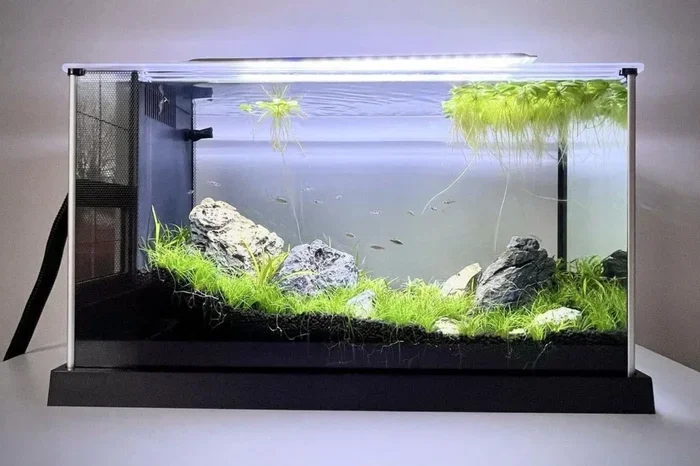
The tank you choose for your baby bettas makes a huge difference in their survival rate. You need a setup that is safe, clean, and easy to maintain. Many experienced keepers recommend starting with a small tank that you can monitor closely. The goal is to create a betta fish habitat that mimics their natural environment without any dangers.
Tank Size and Type
A five-gallon tank works well for a small group of betta fry. If you have more fry, you can go up to ten gallons. The key is to avoid tanks that are too large. Big tanks make it hard to maintain consistent water conditions for tiny fish. A smaller tank is easier to control and keeps your baby fish tank setup simple and manageable.
Filtration and Heating
Baby bettas need gentle filtration. A sponge filter is the best choice because it provides biological filtration without creating strong currents. Baby bettas are weak swimmers and can get pushed around by powerful filters. As for heating, a small aquarium heater set to 78 to 80 degrees Fahrenheit keeps the water at the ideal temperature. Stable warmth is essential for betta fish development and metabolism.
Decorations and Hiding Spots
Add a few live plants or floating objects to give your fry places to hide. Baby bettas feel safer in environments with coverage. Java moss and floating ferns work great because they are soft and gentle. Avoid sharp decorations or rough gravel. A smooth, planted tank reduces the risk of injury to your tiny fry. You can also learn more about how to set up a fish tank for betta fish to get a head start on the right design.
Feeding Your Baby Betta Fish
Feeding is one of the most important parts of how to raise a baby betta fish. Baby bettas have tiny stomachs and need frequent, small meals. Getting their nutrition right from the start supports healthy growth and strong color development later in life.
What to Feed Baby Bettas
In the wild, betta fry eat tiny organisms like infusoria and microorganisms. In home aquariums, you can replicate this diet with several options:
- Baby brine shrimp: This is the gold standard for betta fry food. It is packed with protein and easy for tiny mouths to handle.
- Crushed betta pellets: Grind high-quality pellets into a fine powder. This gives your fry a balanced diet as they grow.
- Infusoria cultures: You can culture these at home or buy them online. They are a natural first food for newly hatched fry.
- Microworms: These tiny nematodes make an excellent live food source for baby bettas.
- Liquid fry food: Commercial liquid foods designed for small fish work well in the earliest days.
Feeding Schedule for Betta Fry
Feed your baby bettas three to four times a day. Each meal should be very small. You want just enough food that the fry can eat within a few minutes. Overfeeding is one of the biggest mistakes new breeders make. Excess food decays quickly and ruins water quality. As your fry grow, you can gradually increase the size and frequency of their meals. Transitioning their diet slowly helps their digestive systems adjust without any problems.
When to Introduce New Foods
Start with infusoria or liquid food for the first week. After that, introduce baby brine shrimp. Around four weeks of age, you can begin offering crushed pellets. By six to eight weeks, most fry can eat standard betta pellets. Watching your betta fish nutrition evolve with their size ensures they get the right fuel at every stage of growth.
Water Quality and Maintenance
Clean, stable water is the backbone of healthy betta fry. Even minor fluctuations in water parameters can cause stress, disease, or death in baby bettas. This is why betta fish water conditions deserve your close attention every single day.
Ideal Water Parameters
Keep the water temperature between 78 and 80 degrees Fahrenheit. The pH should be around 6.5 to 7.5. Ammonia and nitrite levels must stay at zero. Nitrates should remain below 20 parts per million. These numbers might sound strict, but a well-cycled tank makes it much easier to maintain them. Test your water regularly with a simple liquid test kit.
Water Changes for Fry Tanks
Perform small water changes of about 10 to 20 percent every two to three days. For baby bettas, large water changes can shock their delicate systems. Use a turkey baster or small siphon to remove debris from the substrate. Always match the temperature of new water to the tank water. This prevents temperature swings that can stress or kill your fry. Learning more about how to prepare water for a betta fish will help you get the water treatment process right from day one.
Why Cycling Your Tank Matters
Never add baby bettas to an uncycled tank. A cycled tank has beneficial bacteria that break down harmful ammonia and nitrite. This process takes about four to six weeks. If you need to set up a tank quickly, consider using a pre-cycled tank setup or adding bottled beneficial bacteria starter. Skipping this step is one of the most common reasons betta fry do not survive their first weeks.
Common Health Issues in Baby Bettas
Even with the best care, baby bettas can face health challenges. Knowing what to look for helps you respond quickly and effectively. Early intervention often makes the difference between a full recovery and a tragic loss.
Signs of a Stressed Baby Betta
Watch for these warning signs in your fry:
- Clamped fins pressed close to the body
- Loss of appetite or refusal to eat
- Rapid or labored breathing
- Hiding at the bottom of the tank
- Discoloration or fading of color
- Erratic swimming or darting movements
If you notice any of these symptoms, check your water parameters immediately. Stress in baby bettas is often caused by poor water quality, temperature swings, or overcrowding. Fixing the environment usually resolves the behavior. You can also learn more about how to treat a stressed betta fish for targeted advice on calming anxious fish.
Treating Ich and Other Diseases
White spot disease, commonly known as ich, is a frequent problem in betta fry. It shows up as tiny white dots on the body and fins. Raising the temperature slightly to 82 degrees and adding aquarium salt can help treat mild cases. For more serious infections, you may need a dedicated fish-safe medication. Always follow dosage instructions carefully when treating fry, as they are more sensitive to medications than adult fish. If you want to learn more about treating common diseases, check out our guide on how to treat ich on a betta fish.
Prevention Is the Best Medicine
The best way to keep your baby bettas healthy is through prevention. Maintain clean water, feed appropriately, and avoid sudden changes in their environment. Quarantine any new fish before introducing them to the fry tank. A little prevention goes a long way in keeping your raising betta fry journey successful and enjoyable.
Watching Your Baby Betta Grow
One of the most exciting parts of how to raise a baby betta fish is watching them grow and develop. Over the weeks and months, you will see their colors intensify, their fins lengthen, and their personalities emerge. Each day brings new changes that make the effort worthwhile.
Growth Milestones to Expect
Here is a general timeline of what to expect as your betta fry develop:
- Week 1: Fry absorb their yolk sacs and begin free-swimming. They are extremely tiny and need infusoria or liquid food.
- Week 2: Fry start hunting for food actively. Their bodies become slightly more visible to the naked eye.
- Week 3: Color begins to appear. You may start to see hints of their adult shade.
- Week 4: Fins begin to grow. Baby brine shrimp and crushed pellets can be introduced.
- Week 6 to 8: Fry look like small versions of adult bettas. They can eat standard-sized pellets.
- Month 4 to 6: Bettas reach near-adult size. Males develop full finnage and vibrant colors.
When to Separate Male and Female Fry
As your bettas grow, you will need to separate males from females. Male bettas are territorial and will fight if kept together. Females can sometimes be kept in small groups called sororities, but they still need space. Watch for signs of aggression, such as flaring and chasing. Separate any fish that show bullying behavior right away. You can learn more about managing tank setups for multiple bettas by reading how to raise a betta fish for additional guidance.
Building a Bond with Your Growing Betta
As your baby betta matures, you can start building a relationship with them. Betta fish are intelligent and can recognize their owners over time. Feed them by hand occasionally and spend time near their tank. This bonding process makes the entire raising experience even more rewarding and personal.
Conclusion
How to raise a baby betta fish is a journey that rewards patience, consistency, and attention to detail. From setting up the perfect tank to feeding the right foods and maintaining clean water, every step matters. Baby bettas are fragile, but with the right care, they grow into stunning, healthy adults that bring joy to any home. Remember to keep their environment stable, feed them small frequent meals, and watch for any signs of health issues early on. The knowledge you gain from raising betta fry will serve you well throughout your fishkeeping journey. Start with these basics, stay committed, and enjoy watching your tiny fry grow into beautiful, thriving bettas.
Frequently Asked Questions
How often should I feed baby betta fish?
Feed your baby bettas three to four times a day with very small amounts. Each feeding should be something they can finish within two to three minutes. Overfeeding leads to poor water quality and health problems, so keep portions tiny and consistent.
What is the best food for betta fry?
Baby brine shrimp is widely considered the best food for betta fry. It is high in protein and small enough for tiny mouths. You can also feed infusoria, microworms, and crushed betta pellets as they grow older and their stomachs get bigger.
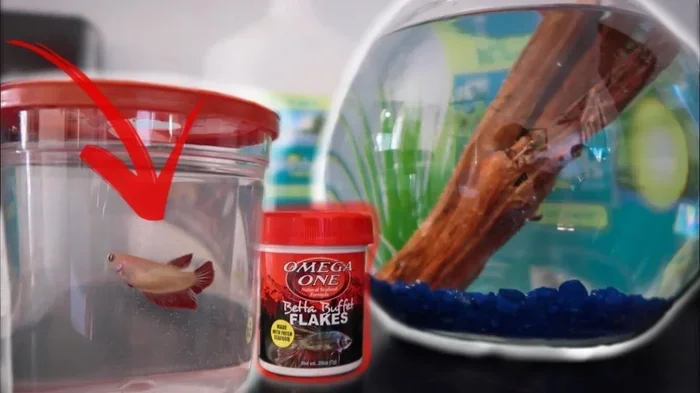
Can baby bettas live in a bowl?
It is better to keep baby bettas in a small tank rather than a bowl. A five-gallon tank with a gentle sponge filter and heater gives you more control over water quality and temperature. Bowls are harder to maintain and do not provide stable conditions for delicate fry.
How long does it take for a baby betta to reach full size?
Most baby bettas reach full adult size within four to six months. Color and fin development continue to improve during this time. Growth rate depends on diet, water quality, and genetics, so consistent care makes a noticeable difference.
Why are my baby bettas not growing?
Poor nutrition, unstable water conditions, or overcrowding can stunt the growth of baby bettas. Make sure they are getting enough food at each feeding and that the tank water stays clean and at the right temperature. Addressing these factors usually promotes healthy growth within a few weeks.
When should I separate baby bettas from each other?
Separate male baby bettas from each other as soon as you can identify their gender, usually around eight to twelve weeks of age. Males become territorial and may fight. Females can sometimes be kept together in small groups, but they still need plenty of space and hiding spots.