Can Betta Fish Puke
Can betta fish puke? It is a common question among betta owners. While betta fish do not vomit like humans, they can regurgitate food for several reasons. Understanding why your betta spits out food helps you keep them healthy and thriving. This guide covers everything you need to know about this behavior.
Key Takeaways
- Betta fish can regurgitate food, though it is not the same as human vomiting.
- Overfeeding is the most common reason bettas spit out or refuse food.
- Stress and poor water quality can cause digestive issues in betta fish.
- Some foods are too large or hard for bettas to swallow comfortably.
- Persistent regurgitation may signal illness and needs veterinary attention.
- Proper feeding habits prevent most cases of betta fish spitting up food.
- Monitoring your betta’s behavior helps catch health problems early.
📑 Table of Contents
- Can Betta Fish Puke? Understanding This Common Concern
- How a Betta Fish’s Digestive System Works
- Common Reasons Betta Fish Spit Out Food
- When Regurgitation Signals a Health Problem
- How to Prevent Your Betta from Spitting Out Food
- What to Do When Your Betta Spits Out Food
- Understanding Normal vs. Abnormal Betta Behavior
- Common Myths About Betta Fish Regurgitation
- Building a Healthy Environment for Your Betta
- Conclusion
Can Betta Fish Puke? Understanding This Common Concern
If you have ever watched your betta fish spit out food and wondered what is going on, you are not alone. Many betta owners notice this behavior and immediately worry about their fish’s health. The question “can betta fish puke” comes up often in aquarium communities, and the answer is more nuanced than you might expect.
Betta fish do not vomit in the way humans or mammals do. Their digestive systems work differently. However, bettas can and do regurgitate food under certain circumstances. This means they may take in food and then push it back out shortly after. While it can look alarming, it is not always a sign of something serious.
In this article, we will explore everything you need to know about betta fish and regurgitation. We will cover the common reasons this happens, how to tell if something is truly wrong, and what you can do to prevent it. By the end, you will feel confident about understanding your betta’s behavior and keeping them in great shape.
How a Betta Fish’s Digestive System Works
The Basics of Betta Digestion
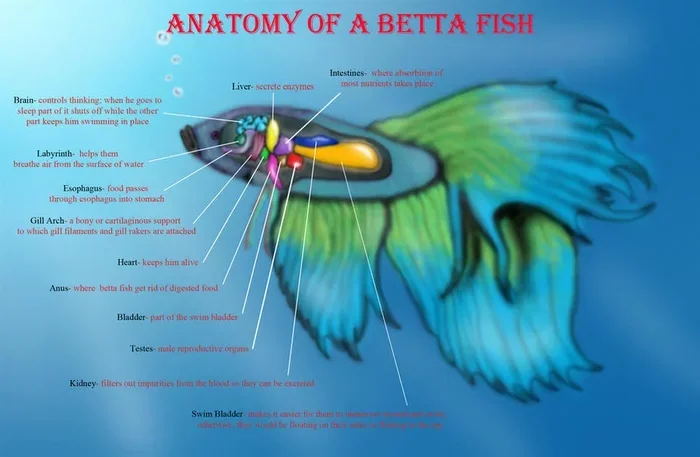
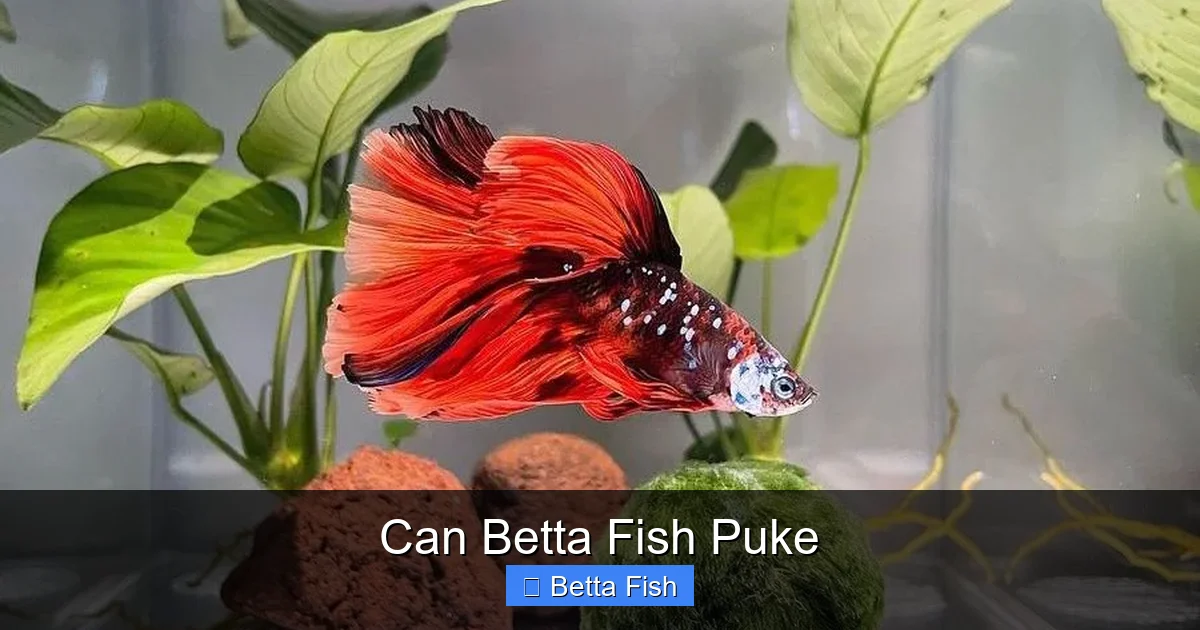
To understand why bettas sometimes spit out food, it helps to know how their digestive system works. Betta fish are carnivorous by nature. In the wild, they eat insects, larvae, and small crustaceans. Their bodies are designed to process protein-rich foods efficiently.
Visual guide about Can Betta Fish Puke
Image source: ouraquariumlife.com
When a betta swallows food, it travels down a short esophagus to a small stomach. From there, digestion happens relatively quickly. A healthy betta typically processes and eliminates food within 24 to 48 hours. Their entire digestive tract is compact compared to other fish, which means things move through fast.
Why Betta Fish Cannot Truly Vomit
Unlike humans, betta fish do not have the same complex stomach muscles that allow forceful vomiting. Their anatomy simply does not support that kind of action. What looks like puking is actually regurgitation, which is a passive process. The fish opens its mouth and lets the food float back out rather than actively expelling it.
This distinction matters because true vomiting in mammals is usually a reflex to expel toxins or irritants. In bettas, regurgitation happens for different reasons. It could be something as simple as the food being too big or as concerning as an internal health issue.
Common Reasons Betta Fish Spit Out Food
Overfeeding Your Betta
The number one reason betta fish regurgitate food is overfeeding. Many owners love their fish and want to make sure they eat well. However, bettas have tiny stomachs, roughly the size of their eye. Feeding too much at once overwhelms their system.
When a betta eats more than it can handle, the excess food may come right back up. You might see your fish take a few pellets and then immediately spit them out. This is the fish’s way of saying it is full or uncomfortable. Overfeeding also leads to bloating and constipation, which are serious health concerns for bettas.
To avoid this, feed your betta only what it can eat in about two minutes. For most adult bettas, this means two to three small pellets once or twice a day. It may not look like a lot, but it is the right amount for their small bodies.
Food Size and Texture Issues
Sometimes the problem is not how much you feed but what you feed. Some pellets are too large for a betta to swallow comfortably. If a pellet is too big, the fish may try to eat it several times before giving up or spitting it out.
Freeze-dried foods can also cause issues. These foods are hard and expand when they absorb water. If a betta swallows a large piece of freeze-dried food without soaking it first, the food may expand in the fish’s throat or stomach. This discomfort often leads to regurgitation.
Always choose food specifically sized for betta fish. If you use freeze-dried options, soak them in tank water for a few minutes before feeding. This simple step prevents many digestive problems.
Stress and Environmental Factors
Stress is a major factor in betta fish health, and it can absolutely cause regurgitation. A stressed betta may eat eagerly but then spit out food because its body is not in the right state to digest properly.
Common stressors include poor water quality, incorrect temperature, aggressive tank mates, and excessive noise or movement near the tank. If you are wondering whether your betta can live with other creatures, remember that incompatible tank mates cause chronic stress that affects every aspect of your betta’s health.
Make sure your betta’s tank is properly maintained. The water temperature should stay between 76 and 82 degrees Fahrenheit. Perform regular water changes and test the water parameters weekly. A clean, stable environment keeps stress levels low and digestion healthy.
Low Water Temperature
Water temperature plays a crucial role in your betta’s metabolism. Bettas are tropical fish that need warm water to function properly. When the water is too cold, their metabolism slows down significantly.
A sluggish metabolism means food moves through the digestive system much slower than normal. This can cause food to sit in the stomach too long, leading to regurgitation. Your betta may eat normally but then spit up food hours later because its body cannot process it efficiently.
If you do not already have a heater and thermometer for your betta tank, these are essential investments. Keeping the water consistently warm ensures your betta’s digestive system works as it should.
When Regurgitation Signals a Health Problem
Digestive Infections and Parasites
While occasional regurgitation is usually harmless, persistent spitting up of food can indicate an infection or parasite. Bacterial infections in the digestive tract can make it painful or difficult for your betta to keep food down.
Internal parasites are another possibility. These parasites irritate the digestive system and interfere with nutrient absorption. If your betta regurgitates food frequently and also shows other symptoms, an infection or parasite could be the cause.
Watch for additional signs like lethargy, loss of appetite, stringy feces, or a bloated appearance. If you notice these symptoms along with regurgitation, it is time to consult a veterinarian who specializes in fish.
Dropsy and Bloat
Dropsy is a serious condition where fluid builds up inside the fish’s body cavity. One of the early signs can be regurgitation along with a swollen or bloated belly. Dropsy is not a disease itself but a symptom of organ failure, often caused by bacterial infections or poor water conditions.
If your betta looks like a pinecone, with scales sticking out from the body, this is a late sign of dropsy. At this stage, treatment is difficult. Prevention through excellent care is always better than trying to cure dropsy after it develops.
Feeding a varied, high-quality diet and maintaining pristine water conditions are your best defenses against dropsy and other serious health issues. Learning what foods are best for betta fish helps you provide proper nutrition that supports overall health.
Swim Bladder Issues
The swim bladder is an organ that helps your betta maintain buoyancy. When something goes wrong with the swim bladder, it can affect digestion too. A betta with swim bladder problems may have trouble eating normally and may regurgitate food.
Overfeeding is a common cause of swim bladder disorder. When the stomach gets too full, it presses against the swim bladder and disrupts its function. This creates a cycle where the fish cannot eat properly, spits up food, and struggles to swim normally.
If your betta is swimming sideways, floating to the top, or sinking to the bottom, these are signs of swim bladder issues. Fasting your betta for 24 to 48 hours and then offering a small piece of a cooked, deshelled pea can sometimes help relieve mild cases.
How to Prevent Your Betta from Spitting Out Food
Establish a Proper Feeding Routine
Prevention starts with how you feed your betta. A consistent feeding routine makes a big difference. Feed your betta at the same times each day. This helps regulate their digestive system and reduces the chance of overeating.
Visual guide about Can Betta Fish Puke
Image source: agribotix.com
Offer only small portions at a time. If you are using pellets, start with one or two and see if your betta eats them readily. You can always add more if the fish seems hungry. It is better to slightly underfeed than to overfeed.
Variety in the diet also helps. While high-quality pellets should be the staple, offering frozen or live foods like bloodworms or brine shrimp once or twice a week provides enrichment and additional nutrients. Just remember to keep portions small.
Soak Dry Foods Before Feeding
This simple tip prevents many digestive issues. Dry pellets and freeze-dried foods expand when they absorb water. If your betta swallows them dry, they expand inside the digestive system and cause discomfort.
Take a small cup of tank water and soak dry foods for five to ten minutes before feeding. This allows them to soften and expand before your betta eats them. Your fish will have an easier time digesting properly soaked food.
Some owners also crush larger pellets into smaller pieces. This is especially helpful for younger bettas or smaller adult fish that struggle with standard pellet sizes.
Maintain Excellent Water Quality
Clean water is the foundation of betta fish health. Poor water quality stresses your fish and leads to a host of health problems, including digestive issues. Ammonia and nitrite spikes are particularly dangerous and can damage internal organs.
Test your water regularly using a liquid test kit or test strips. Ammonia and nitrite should always be at zero. Nitrate levels should stay below 20 parts per million. Perform partial water changes of 25 to 30 percent each week to keep conditions stable.
If you are setting up a new tank, make sure to cycle it fully before adding your betta. The nitrogen cycle establishes beneficial bacteria that break down harmful waste products. A properly cycled tank is much easier to maintain and keeps your betta healthier.
What to Do When Your Betta Spits Out Food
Step-by-Step Response
If you see your betta regurgitate food, do not panic. Here is what you should do. First, remove any uneaten food from the tank right away. Leftover food decays and ruins water quality quickly.
Next, observe your betta for any other symptoms. Is the fish acting normally otherwise? Is it swimming, breathing, and behaving as usual? A one-time incident with no other symptoms is usually nothing to worry about.
If the regurgitation happens repeatedly, check your water parameters immediately. Test for ammonia, nitrite, nitrate, and pH. Also verify that the water temperature is in the correct range. Fix any issues you find with a water change or temperature adjustment.
Consider fasting your betta for 24 hours to let its digestive system rest. After the fast, offer a very small amount of food and watch how the fish responds. If it keeps the food down, you are likely in the clear.
When to See a Vet
Sometimes home care is not enough. If your betta continues to regurgitate food for more than two days, or if you notice other concerning symptoms, seek professional help. A fish veterinarian can perform tests and prescribe medication if needed.
Signs that warrant a vet visit include persistent regurgitation, refusal to eat entirely, visible bloating, abnormal swimming behavior, discoloration, or clamped fins. These symptoms together suggest an underlying health problem that needs treatment.
Not all veterinarians treat fish, so you may need to find an exotic pet vet or an aquatic animal specialist. Having a vet contact ready before an emergency happens is always a smart idea for any pet owner.
Understanding Normal vs. Abnormal Betta Behavior
What Normal Eating Looks Like
A healthy betta is usually an enthusiastic eater. When you approach the tank, a happy betta may swim to the surface and open its mouth in anticipation. It should grab food quickly and swallow it without difficulty.
Sometimes a betta will take a pellet, spit it out, and then take it back in. This is usually just the fish breaking down the food or repositioning it for easier swallowing. As long as the fish eventually swallows and keeps the food down, this is normal behavior.
Occasional food spitting is not a cause for concern. Just like any animal, bettas sometimes have a piece of food that does not sit right. The key is to watch for patterns rather than isolated incidents.
Red Flags to Watch For
Certain behaviors along with regurgitation should raise concern. If your betta consistently refuses food after trying to eat it, something is wrong. Lethargy, hiding more than usual, and loss of color are also warning signs.
Physical changes matter too. Look at your betta’s belly for unusual swelling. Check the fins for clamping or deterioration. If you are curious about fin health, read up on whether betta fish fins can grow back to understand what is normal and what requires attention.
Keep a mental note of your betta’s normal behavior so you can spot changes quickly. Early detection of health problems makes treatment much more effective.
Common Myths About Betta Fish Regurgitation
Myth: Spitting Out Food Always Means Disease
This is one of the most widespread misconceptions among betta owners. While regurgitation can be a sign of illness, it is just as often a simple matter of overfeeding or food size. Jumping to conclusions causes unnecessary stress for both you and your fish.
Before assuming the worst, review your feeding habits and tank conditions. Often, a small adjustment solves the problem completely. Only when regurgitation is persistent and accompanied by other symptoms should you suspect disease.
Myth: Betta Fish Can Vomit Like Humans
As we discussed earlier, betta fish cannot truly vomit. Their anatomy does not allow for the forceful expulsion of stomach contents. What owners observe is regurgitation, which is a passive release of food from the mouth.
Understanding this difference helps you respond appropriately. Regurgitation from overfeeding is managed differently than vomiting from toxin exposure. Knowing your fish’s anatomy helps you make better care decisions.
Building a Healthy Environment for Your Betta
Tank Setup Essentials
A proper tank setup supports every aspect of your betta’s health, including digestion. The minimum recommended tank size for a single betta is five gallons. Larger tanks are even better because they provide more stable water conditions.
Include a heater and thermometer to maintain consistent warmth. Add a gentle filter to keep the water clean without creating too strong a current. Bettas come from still or slow-moving waters and struggle against strong flows.
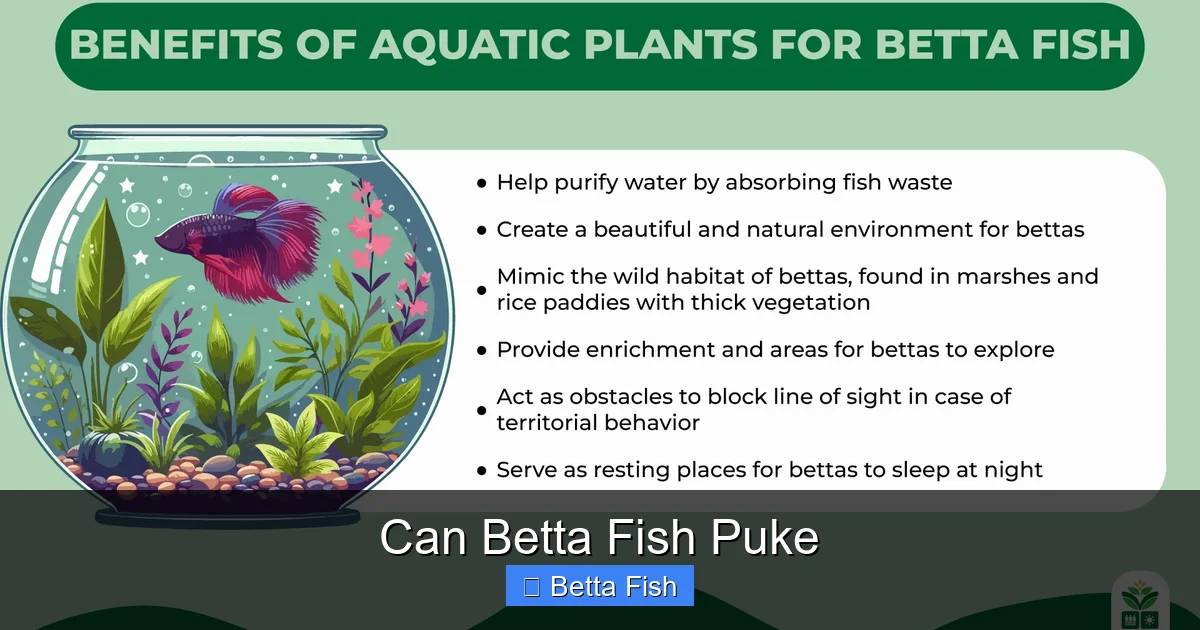
Provide hiding spots like caves, plants, and decorations. These give your betta places to retreat when stressed. A comfortable, secure fish is a healthy fish with a well-functioning digestive system.
Choosing the Right Diet
Nutrition plays a huge role in digestive health. Choose a high-quality betta pellet as your staple food. Look for pellets with whole fish or insect meal as the first ingredient. Avoid products with excessive fillers like wheat and soy.
Supplement with frozen or live foods for variety. Bloodworms, daphnia, and brine shrimp are all excellent choices. Daphnia in particular can help with digestion and is sometimes used as a natural laxative for constipated bettas.
If you are exploring tank mate options, remember that a stress-free environment supports good digestion. Compatible tank mates reduce stress, while aggressive or incompatible ones can cause chronic health issues.
Conclusion
So, can betta fish puke? The answer is that while they cannot vomit like humans, they can and do regurgitate food for various reasons. Most of the time, this behavior is harmless and related to feeding habits or minor environmental factors. By understanding your betta’s digestive system and providing proper care, you can minimize regurgitation and keep your fish healthy.
Remember to feed small portions, soak dry foods, maintain excellent water quality, and watch for patterns in your betta’s behavior. Occasional food spitting is normal, but persistent regurgitation with other symptoms deserves attention.
Your betta relies on you for its well-being. With the knowledge from this article, you are now equipped to recognize when regurgitation is a simple fix and when it signals something more serious. Pay attention, stay observant, and enjoy many happy years with your betta fish.
Frequently Asked Questions
Is it normal for a betta fish to spit out food?
Occasional food spitting is normal and usually happens because the food is too large or the fish ate too much. If it happens repeatedly, check your feeding habits and water conditions.
How do I know if my betta is overfed?
Signs of overfeeding include regurgitation, bloating, constipation, and leftover food sinking to the tank bottom. Feed your betta only two to three small pellets once or twice daily.
Can stress cause my betta to regurgitate food?
Yes, stress from poor water quality, aggressive tank mates, or incorrect temperature can disrupt digestion and cause regurgitation. Maintaining a stable, clean environment prevents stress-related issues.
Should I be worried if my betta spits up food once?
A single incident is usually nothing to worry about. Remove uneaten food, observe your betta, and continue monitoring. Repeated regurgitation with other symptoms warrants further investigation.
What should I feed my betta to prevent digestive problems?
Feed high-quality betta pellets as a staple, supplemented with frozen or live foods like bloodworms and daphnia. Always soak dry foods before feeding and keep portions small.
When should I take my betta to the vet for regurgitation?
See a vet if regurgitation persists for more than two days or comes with symptoms like bloating, lethargy, refusal to eat, or abnormal swimming. Early treatment improves outcomes for most conditions.