Why Do Betta Fish Flare Their Fins
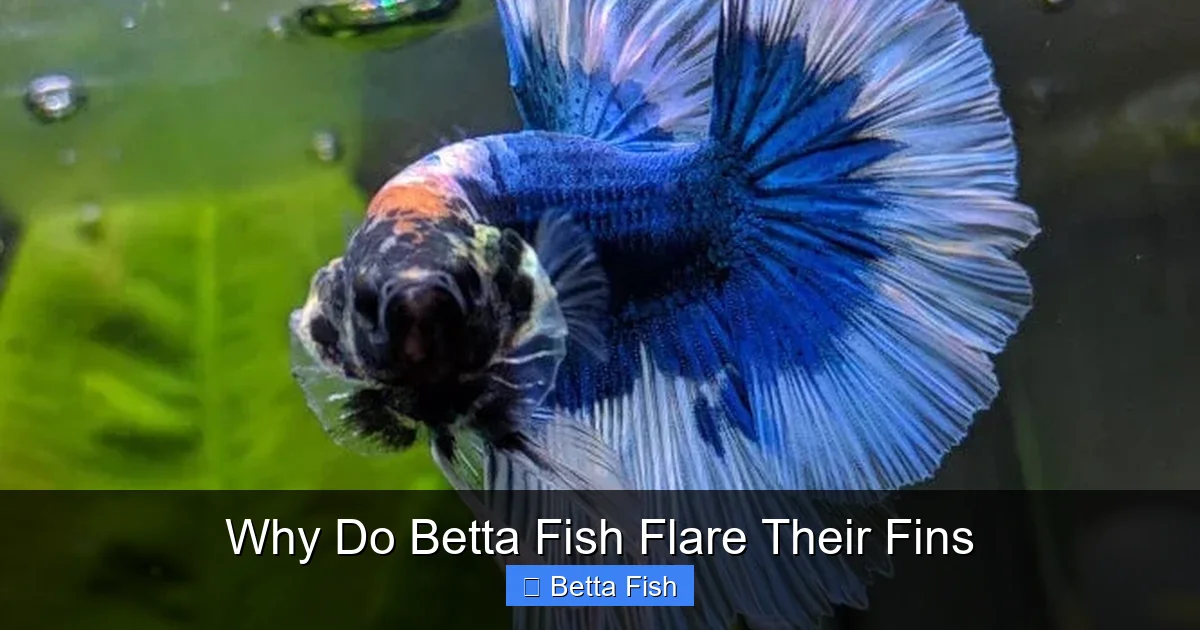
Betta fish flare their fins to communicate, defend territory, and express excitement or stress. Understanding the reasons behind this display helps you create a safer, more comfortable home for your vibrant companion.
Key Takeaways
- Communication tool: Flaring signals a betta’s mood to other fish and to you.
- Territorial instinct: A flared fin marks a claim on space, especially in cramped tanks.
- Stress indicator: Sudden or frequent flaring can mean poor water quality or illness.
- Breeding behavior: Males flare to attract females and build bubble nests.
- Environmental triggers: Light, temperature, and tank décor can provoke flaring.
- Health check: Observe flaring with fin condition; damage may signal disease.
- Prevention tips: Provide ample space, proper water parameters, and enrichment to reduce unnecessary flaring.
📑 Table of Contents
- Introduction: The Spectacle of a Flared Betta
- 1. The Evolutionary Roots of Flaring
- 2. Common Triggers for Flaring
- 3. What Flaring Looks Like: Spotting the Signs
- 4. When Flaring Signals Trouble
- 5. How to Reduce Unnecessary Flaring
- 6. When to Seek Professional Help
- Conclusion: Listening to Your Betta’s Fins
Introduction: The Spectacle of a Flared Betta
If you’ve ever watched a betta fish puff out its glorious, rainbow‑colored fins, you’ve witnessed one of nature’s most eye‑catching displays. The moment a betta “flairs” its fins, the water seems to come alive with color and movement. But why do betta fish flare their fins? The answer isn’t just “because they’re pretty.” It’s a complex language of communication, a warning system, and sometimes a sign of distress.
In this article we’ll explore the science behind flaring, the situations that trigger it, and what you as a keeper can do to keep your fish calm and healthy. By the end, you’ll be able to read your betta’s fin‑fanning like a seasoned aquarist and respond with the right care.
1. The Evolutionary Roots of Flaring
1.1 A Survival Strategy
Betta fish, also known as Siamese fighting fish, evolved in shallow, stagnant waters of Thailand and Cambodia. In such environments, visibility is low and space is limited. Over time, they developed a visual “weapon” – the ability to spread their fins wide and display vivid colors. This makes them look larger and more intimidating to rivals.
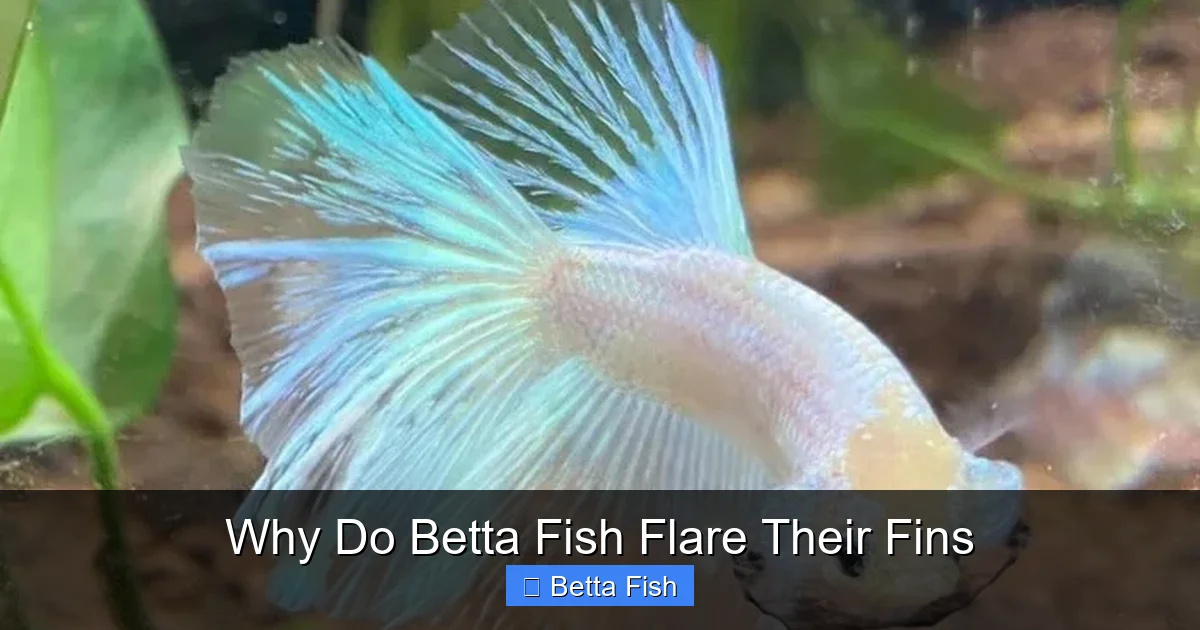
Visual guide about Why Do Betta Fish Flare Their Fins
Image source: aquanswers.com
1.2 From Wild Waters to Home Tanks
In the wild, a flared betta can deter an intruder without a physical fight, saving energy and avoiding injury. When you keep a betta at home, the same instinct surfaces. Even a simple reflection on the glass can be misinterpreted as a competitor, prompting a flare.
2. Common Triggers for Flaring
2.1 Territorial Challenges
The most frequent reason betta fish flare their fins is to protect their perceived territory. If a new object (a plant, a decoration, or even a cleaning tool) is introduced, the fish may flare to claim the space.
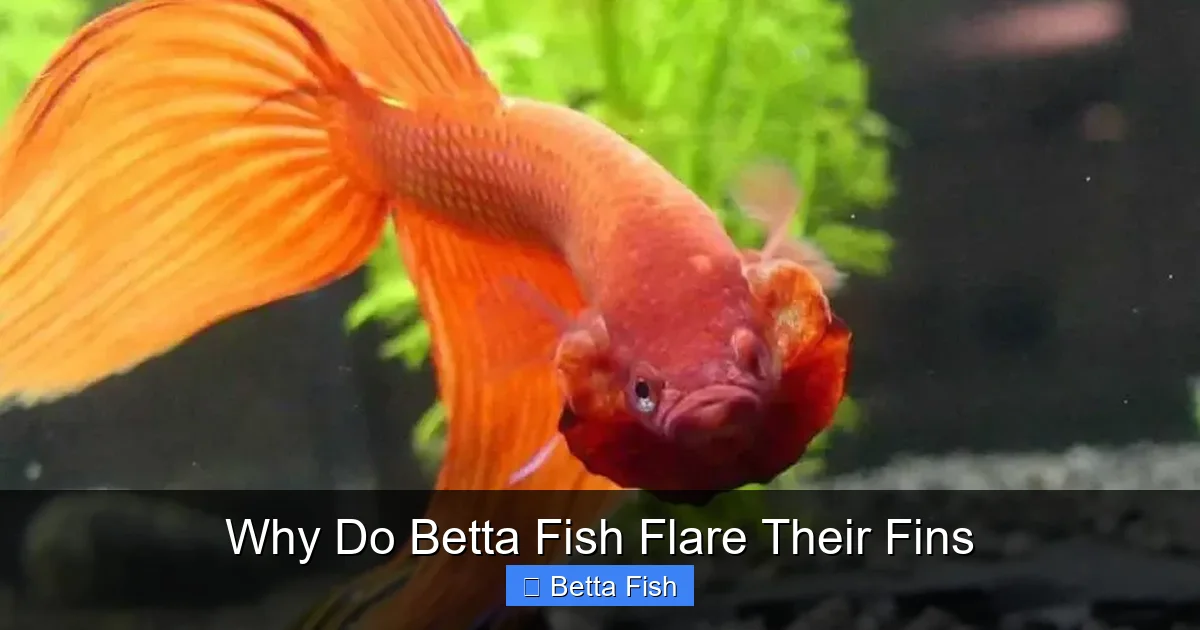
Visual guide about Why Do Betta Fish Flare Their Fins
Image source: bettafishworld.com
2.2 Presence of Other Fish
Betta males are famously aggressive toward other males. Seeing another fish, even a female, can trigger a flare. If you keep a community tank, you’ll often notice flaring when a curious tank mate swims near the betta’s “corner.”
2.3 Environmental Stressors
- Water quality: High ammonia, nitrate spikes, or low oxygen can make a betta uneasy.
- Temperature fluctuations: Betta fish love stable warmth (76‑82°F). Sudden drops cause stress flares.
- Bright lights or sudden shadows: A flash of light can be mistaken for a predator.
2.4 Reproductive Displays
During breeding season, a male will flare his fins repeatedly while building a bubble nest. This signals his fitness to a female and establishes dominance over the nest site.
2.5 Excitement and Curiosity
Sometimes a betta simply flares out of curiosity—when you approach the tank, when a new toy is added, or when it sees its own reflection. This type of flaring is usually brief and accompanied by playful swimming.
3. What Flaring Looks Like: Spotting the Signs
3.1 The Physical Display
A flared betta will spread its dorsal, anal, and caudal fins to their fullest extent. The gill covers (opercula) may also open wide, showing the bright red gill plates. The body often arches slightly, and the fish may hover near the surface.

Visual guide about Why Do Betta Fish Flare Their Fins
Image source: betta4u.com
3.2 Frequency and Duration
Short, occasional flares are normal. However, if flaring lasts more than a few seconds or occurs many times a day, it could indicate a problem. Keep a log of flare events to spot patterns.
3.3 Associated Behaviors
- Rapid fin movement: Indicates agitation.
- Color intensification: The fish may become more vibrant when flaring.
- Lethargy after flaring: Could be a sign of exhaustion or illness.
4. When Flaring Signals Trouble
4.1 Illness and Fin Damage
Flaring can exacerbate fin injuries. If a betta already has torn or shredded fins, the extra stress of flaring may worsen the damage. For more on fin health, see our guide on why betta fish lose their fins.
4.2 Poor Water Conditions
High ammonia or low pH can cause chronic stress flares. Test your water weekly and perform partial water changes to keep parameters stable.
4.3 Overcrowding
Even though bettas can live alone, some owners keep them with peaceful species. If the tank is too small, the betta may feel constantly threatened and flare repeatedly.
4.4 Incorrect Temperature
Betta fish are tropical and need a heater to maintain a steady temperature. If the water gets too cold, the fish may flare in an attempt to generate body heat through increased activity. Learn more about heating needs in our article Do Betta Fish Need A Heater In Their Tank.
5. How to Reduce Unnecessary Flaring
5.1 Optimize Tank Setup
- Provide at least a 5‑gallon tank with plenty of hiding spots.
- Avoid mirrors or reflective surfaces that may trigger a defensive flare.
- Use live or silk plants to break line‑of‑sight and reduce stress.
5.2 Maintain Water Quality
Invest in a reliable test kit. Change 25‑30% of the water weekly, and use a gentle filter that doesn’t create strong currents.
5.3 Consistent Temperature
Keep the heater set between 78‑80°F. A thermostat will prevent sudden drops that could provoke flaring.
5.4 Limit Visual Stimuli
If your betta flares at its own reflection, move the tank away from windows or cover the back glass with a dark poster.
5.5 Enrichment and Interaction
Offer interactive toys, such as floating logs or ping‑pong balls, to channel the betta’s natural curiosity away from aggressive displays.
6. When to Seek Professional Help
6.1 Persistent or Violent Flaring
If your betta flares for more than a minute at a time, appears pale, or stops eating, it may be sick. Common issues include ich, fin rot, or bacterial infections.
6.2 Fin Damage After Flaring
Check for torn or shredded edges. If the damage is extensive, consult a vet experienced with fish. For regeneration possibilities, read Do Betta Fish Fins Grow Back.
6.3 Sudden Color Changes
Rapid fading or darkening of colors can accompany stress. This may be a sign of water quality problems or a hormonal shift during breeding.
Conclusion: Listening to Your Betta’s Fins
Understanding why betta fish flare their fins transforms a startling moment into a conversation. Whether the flare is a territorial warning, a breeding display, or a cry for help, each one tells you something about your fish’s environment and wellbeing. By providing a stable tank, clean water, and appropriate enrichment, you can reduce unnecessary stress flares and enjoy the natural beauty of a calm, confident betta.
Remember, a healthy betta will flare when it truly needs to – during courtship, when defending its space, or when excited by a new toy. Paying attention to the frequency, context, and accompanying behaviors will help you keep your finned friend thriving for years to come.
Frequently Asked Questions
Why does my betta flare its fins when I approach the tank?
Approaching can be seen as a potential threat. The betta flares to warn you that it feels its territory is being invaded.
Can a betta flare its fins because of the water temperature?
Yes. Sudden drops or a temperature that’s too low can cause stress, prompting the fish to flare in an attempt to stay active and warm.
Is flaring always a sign of aggression?
No. While flaring often signals territorial aggression, it can also indicate excitement, curiosity, or a breeding ritual.
What should I do if my betta flares constantly?
Check water parameters, ensure the tank is large enough, remove reflective surfaces, and consider adding more hiding spots to reduce stress.
Do betta fish flare their fins when they are sick?
Ill fish may flare more often due to discomfort or to display weakened fins. Look for other signs like loss of appetite or discoloration.
How can I tell if flaring is part of a breeding display?
During breeding, a male will flare repeatedly while building a bubble nest and may become more colorful. The behavior is usually accompanied by gentle courting movements toward a female.