Can a Betta Fish Eat Bread
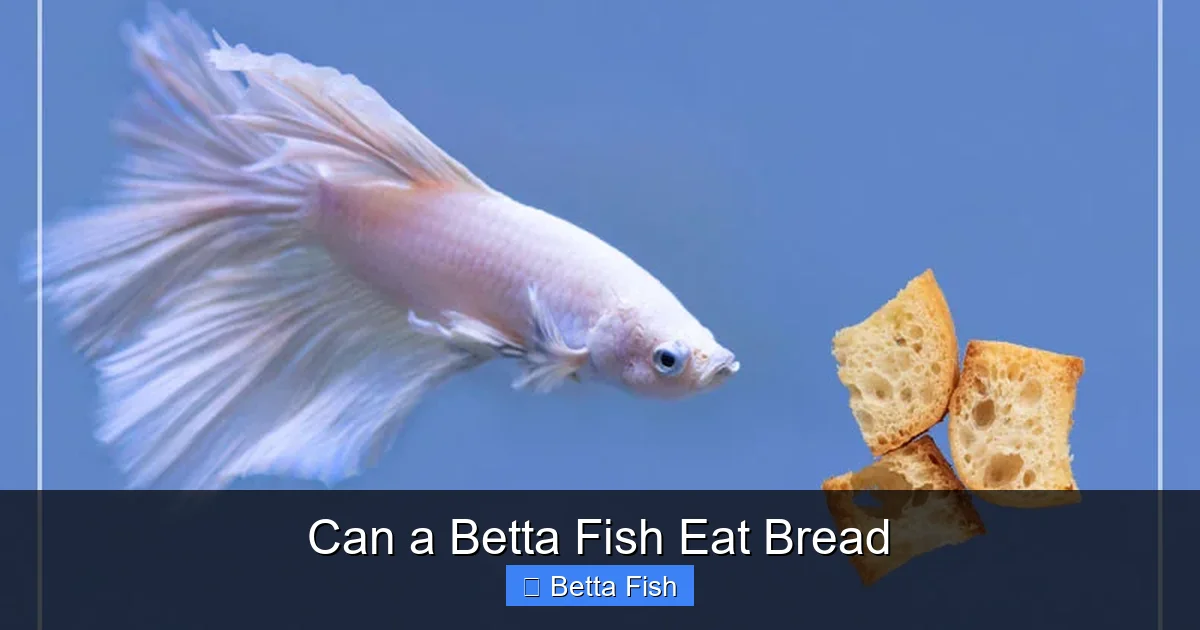
Betta fish should not be fed bread. While a tiny bite might not kill them, bread offers no nutrition and can cause serious health problems. Stick to proper betta foods and occasional treats for a thriving pet.
Key Takeaways
- Bread is not nutritious: Betta fish need protein‑rich meals, not carbs.
- Digestive issues: Bread can swell in a betta’s stomach and cause constipation.
- Water quality impact: Left‑over crumbs pollute the tank and promote algae.
- Safe alternatives: Use high‑quality betta pellets, frozen or live foods.
- Occasional treats: Small pieces of bloodworm or daphnia are better than bread.
- Monitor feeding: Overfeeding leads to obesity and swim‑bladder problems.
- Know the signs: Look for bloating, lethargy, or cloudy water after feeding anything unusual.
📑 Table of Contents
- Introduction: Why the Bread Question Pops Up
- 1. What Betta Fish Naturally Eat
- 2. The Science Behind Bread and Betta Digestion
- 3. Health Risks of Feeding Bread
- 4. When Bread Might Appear Harmless (But Isn’t)
- 5. Safer Alternatives and Treat Ideas
- 6. How to Feed Your Betta Properly
- Conclusion: Keep Bread Out, Keep Betta Happy
Introduction: Why the Bread Question Pops Up
Anyone who’s ever watched a betta flash its fins might wonder, “Can a betta fish eat bread?” The curiosity is natural. Bread is cheap, easy to find, and many pet owners have tried it as a quick snack for their finned friends. The reality, however, is far from simple. Betta fish are carnivorous predators that thrive on protein‑rich meals, not the starchy crumbs you might toss into a bowl.
In this article we’ll break down what happens when a betta eats bread, explore the risks to health and water quality, and give you a menu of safe, tasty alternatives. By the end, you’ll know exactly why bread belongs in the pantry, not the tank.
1. What Betta Fish Naturally Eat
Wild diet
In the shallow streams of Southeast Asia, wild bettas hunt tiny insects, mosquito larvae, and small crustaceans. Their bodies are built for a high‑protein diet, with sharp teeth and a short gut designed to process animal matter quickly.

Visual guide about Can a Betta Fish Eat Bread
Image source: efindanything.com
Commercial diets
Today most owners feed bettas with specially formulated pellets, frozen bloodworms, brine shrimp, or daphnia. These foods mimic the natural protein load and provide essential vitamins and minerals.
For a full list of suitable foods, see our guide on What Can Betta Fish Eat.
2. The Science Behind Bread and Betta Digestion
Carbohydrates vs. protein
Bread is primarily carbohydrate. Betta fish lack the enzymes needed to break down large amounts of starch efficiently. When they ingest bread, the carbs sit in the stomach, expanding as they absorb water.

Visual guide about Can a Betta Fish Eat Bread
Image source: animalslog.com
Swelling and constipation
Because a betta’s digestive tract is short, any unprocessed material can cause a blockage. The result is bloating, loss of appetite, and in severe cases, a life‑threatening “full stomach” condition.
3. Health Risks of Feeding Bread
Immediate effects
- Digestive upset: The fish may gasp at the surface, appear lethargic, or float upside down.
- Water cloudiness: Bread fragments dissolve quickly, turning the water milky and encouraging bacterial growth.
Long‑term consequences
- Malnutrition: Replacing protein meals with bread deprives the betta of essential amino acids, leading to poor color and weak fins.
- Fungal infections: Stale crumbs become a breeding ground for fungus, which can attach to the fish’s skin.
4. When Bread Might Appear Harmless (But Isn’t)
Small “tasting” bites
Some hobbyists claim that a tiny nibble of plain white bread never hurt their betta. While a single bite may not cause immediate death, it still offers no nutrition and can start a habit of inappropriate feeding.
Visual guide about Can a Betta Fish Eat Bread
Image source: aquariumsphere.com
Processed “fish bread” products
There are specialty “fish biscuits” sold in pet stores. These are formulated with fish meal and should not be confused with regular human bread. Always read the label.
5. Safer Alternatives and Treat Ideas
High‑quality pellets
The easiest daily staple is a well‑balanced betta pellet. Look for brands that list “fish meal” or “shrimp meal” as the first ingredient.
Frozen or live foods
- Bloodworms – rich in protein and easy to portion.
- Brine shrimp – a favorite for most bettas.
- Daphnia – offers a slight fiber boost.
These options can be given a few times a week as treats. For details on feeding live foods, check out Can You Feed A Betta Fish Bread (yes, it explains why you shouldn’t).
Homemade protein treats
If you enjoy DIY, blend a tiny amount of cooked salmon or shrimp, freeze‑dry it, and break it into pea‑sized pieces. Always test a small amount first.
6. How to Feed Your Betta Properly
Portion control
Feed 2–3 pellets or an equivalent amount of frozen food once or twice daily. The betta should eat within 2 minutes; any leftovers must be removed.
Observing your fish
Watch for signs of hunger (active swimming, nudging at the surface) and signs of overfeeding (bloated belly, sluggishness).
Maintaining water quality
Uneaten food decays quickly, raising ammonia levels. Perform regular water changes (25% weekly) and test parameters often.
Conclusion: Keep Bread Out, Keep Betta Happy
In short, a betta fish should never be fed bread. The risks—digestive blockage, poor nutrition, and water contamination—far outweigh any novelty of tossing a crumb into the tank. Instead, stick to protein‑rich pellets and occasional live or frozen treats. By feeding a diet that matches their carnivorous nature, you’ll enjoy a vibrant, active betta that shows off its spectacular fins for years to come.
Frequently Asked Questions
Can a betta fish eat a tiny piece of bread without harm?
One tiny bite may not kill a betta, but it provides no nutrition and can still cause digestive upset or water quality issues.
What are the best foods for a betta fish?
High‑quality betta pellets, frozen bloodworms, brine shrimp, and daphnia are ideal. They supply the protein bettas need.
Will feeding bread make the water cloudy?
Yes. Bread dissolves quickly, turning the water milky and encouraging bacterial growth, which can stress the fish.
Can I give my betta a treat once in a while?
Occasional treats like a small piece of frozen bloodworm or a pea‑sized shrimp morsel are fine. Never replace regular meals with treats.
How often should I feed my betta?
Feed 2–3 pellets or an equivalent amount of frozen food once or twice a day. Remove any leftovers after a couple of minutes.
Is there any type of bread that is safe for bettas?
No. Even “fish bread” sold for other species lacks the protein bettas require and can still cause health problems.