Can a Betta Fish Get Fat

Betta fish can indeed become overweight if over‑fed or given the wrong diet. Recognizing the signs, adjusting portions, and providing proper tank conditions will keep your betta fit, vibrant, and long‑living.
Key Takeaways
- Weight gain is possible: Bettas can store excess fat just like other fish.
- Over‑feeding is the main cause: Too many pellets or treats lead to obesity.
- Spot the signs: Rounded belly, sluggish swimming, and reduced appetite indicate excess weight.
- Balanced diet matters: High‑protein foods and occasional vegetables prevent fat buildup.
- Tank size & activity: A larger, well‑filtered tank encourages movement and healthy metabolism.
- Regular monitoring: Weighing or measuring your betta monthly helps catch problems early.
- Consult a vet if needed: Persistent obesity may signal deeper health issues.
📑 Table of Contents
- Introduction: Why the Question Matters
- 1. How Betta Metabolism Works
- 2. Recognizing the Signs of an Overweight Betta
- 3. Common Causes of Weight Gain
- 4. Feeding Strategies to Keep Your Betta Trim
- 5. Tank Setup That Encourages a Healthy Betta
- 6. When to Seek Professional Help
- Conclusion: Keep Your Betta Fit and Fabulous
Introduction: Why the Question Matters
When you first bring a betta home, you’re dazzled by its bright colors and flowing fins. Most new owners focus on water temperature, tank size, and the perfect décor. But a surprisingly common concern pops up after a few weeks: can a betta fish get fat? The short answer is yes, and the implications go far beyond a “puffy” appearance.
Overweight bettas are more prone to swim‑bladder problems, reduced immune response, and a shorter lifespan. Understanding how weight gain happens, spotting the early signs, and knowing how to correct it will keep your fish looking its best and living longer. Let’s dive into the science, the practical steps, and the everyday habits that make the difference.
1. How Betta Metabolism Works
Natural eating habits
Bettas are carnivorous surface feeders. In the wild they chase insects, larvae, and tiny crustaceans that float near the water’s surface. Their digestive system is built for high‑protein meals, not constant snacking.

Visual guide about Can a Betta Fish Get Fat
Image source: efishkeeping.com
Energy storage
Like all fish, bettas store excess calories as fat deposits behind the dorsal fin and along the belly. In a healthy state, these deposits are thin and barely visible. When food is abundant and activity is low, the storage expands, leading to a rounder silhouette.
Impact of captivity
In a tank, food is always available, and there’s less need to chase prey. This combination creates a perfect recipe for weight gain if owners aren’t careful.
2. Recognizing the Signs of an Overweight Betta
Physical appearance
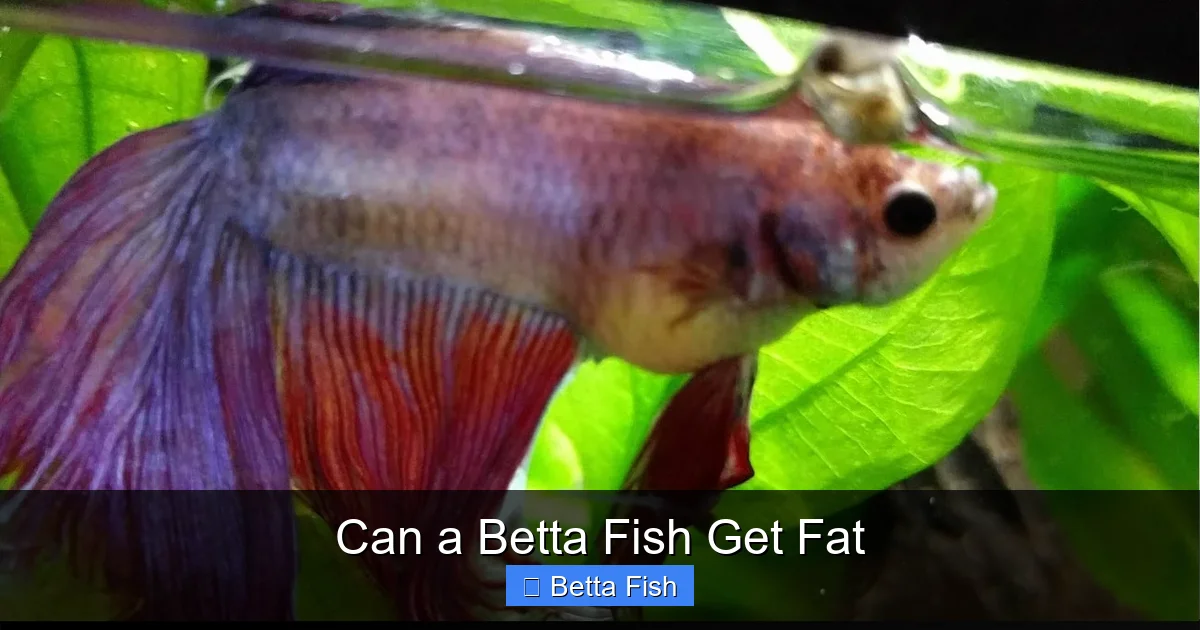
- Rounded belly: The most obvious sign is a noticeable bulge from the vent to the pectoral fins.
- Thickened dorsal area: Extra fat can make the dorsal fin sit on a broader base.
- Reduced fin flare: Overweight bettas may keep their fins close to the body.
Behavioral changes
- Sluggish swimming: They may linger near the surface or bottom instead of exploring.
- Less appetite: Ironically, an obese betta can lose interest in food.
- Difficulty maintaining buoyancy: Swim‑bladder issues often accompany excess weight.
Simple home test
Gently lift your betta (using a soft net) and place it on a clean, flat surface. If you can see a clear indentation along the sides and the belly feels firm but not bulging, its weight is likely normal. Over time, repeat this check to track changes.

Visual guide about Can a Betta Fish Get Fat
Image source: inpetcare.com
3. Common Causes of Weight Gain
Over‑feeding
Most owners feed 2–3 pellets twice a day, assuming “more is better.” In reality, a betta needs only about 2–4 pellets per feeding, and only what it can eat in 2 minutes. Leftover food settles at the bottom, adding hidden calories.
Visual guide about Can a Betta Fish Get Fat
Image source: buildyouraquarium.com
Inappropriate diet
- Low‑protein foods: Some cheap flakes are high in carbs, which convert to fat quickly.
- Frequent treats: Bloodworms, brine shrimp, and daphnia are nutritious but should be given sparingly.
Lack of activity
A tiny bowl or a tank with no plants and no swimming space reduces the need for movement. Without exercise, calories are stored rather than burned.
Water quality issues
Poor water can stress a betta, slowing its metabolism and making it less active, which indirectly contributes to weight gain.
4. Feeding Strategies to Keep Your Betta Trim
Portion control
Measure out the exact number of pellets each feeding. A kitchen scale isn’t necessary—just count the pellets. If you notice leftovers after 2 minutes, cut the portion in half.
High‑quality, high‑protein foods
Choose betta‑specific pellets that list “fish meal” or “crustacean meal” as the first ingredient. Avoid products with excessive fillers like wheat or corn.
Scheduled fasting
Just like humans, fish benefit from a short fasting period. Skip one feeding day per week to help reset the digestive system.
Incorporate vegetables
Blanched pea skins, zucchini, or spinach provide fiber and help prevent constipation, which can masquerade as “fat.” Offer a tiny piece once or twice a week.
Live or frozen treats in moderation
Use live or frozen bloodworms as a reward, not a staple. Limit to once a week and keep the portion to 1–2 small pieces.
Feeding schedule example
- Monday–Friday: 2 pellets morning, 2 pellets evening.
- Saturday: 2 pellets morning, no feeding evening (fast day).
- Sunday: 2 pellets morning, 1 frozen bloodworm evening.
5. Tank Setup That Encourages a Healthy Betta
Size matters
A 5‑gallon (19‑liter) tank is the sweet spot for a single betta. It provides enough space for swimming and helps maintain stable water parameters, both of which support a healthy metabolism.
Enrichment and exercise
- Plants: Live or silk plants give your betta places to explore and hide, prompting natural movement.
- Floating toys: Small, safe objects at the surface encourage the betta to chase and investigate.
- Current: A gentle filter flow creates a mild current, encouraging gentle swimming without stress.
Water quality basics
Maintain temperature at 78‑80°F (25‑27°C), pH around 6.5‑7.5, and perform 25‑30% water changes weekly. Clean water keeps metabolism humming.
Link to related guide
For more details on the ideal tank size, see our article How Big Can A Betta Fish Get. A properly sized tank reduces the chance of obesity by promoting activity.
6. When to Seek Professional Help
Persistent obesity
If your betta’s belly remains enlarged despite diet adjustments, it could be a sign of an underlying health issue such as a hormonal imbalance or a parasite.
Swim‑bladder problems
Overweight bettas often develop swim‑bladder disorder, making them float upside down or sink. A vet experienced with tropical fish can prescribe medication or recommend a temporary diet change.
Veterinary check‑up
Look for a veterinarian who specializes in aquatic animals. Bring a water sample and a note on feeding habits to help the vet diagnose quickly.
Conclusion: Keep Your Betta Fit and Fabulous
Yes, a betta fish can get fat, but it’s a problem you can easily prevent with mindful feeding, a balanced diet, and an engaging tank environment. By watching for early signs, adjusting portions, and ensuring your betta gets enough space to move, you’ll enjoy a vibrant, active companion for years to come.
Remember, a healthy betta isn’t just about looks—it’s about a stronger immune system, better swimming, and a happier life. Keep these tips handy, revisit your feeding routine regularly, and your betta will thank you with dazzling colors and lively displays.
Frequently Asked Questions
Can a betta fish become obese from over‑feeding?
Yes. Feeding more than 2–4 pellets per meal or offering too many treats can lead to excess fat storage and obesity.
How often should I feed my betta?
Two small meals per day are ideal. Offer only what your betta can eat in about two minutes and skip one feeding day each week.
What are the best foods for a lean betta?
High‑protein betta pellets, occasional frozen or live bloodworms, and small amounts of blanched vegetables provide balanced nutrition without excess calories.
Can water quality affect a betta’s weight?
Poor water quality can stress a betta, slowing its metabolism and reducing activity, which may contribute to weight gain.
Is a larger tank helpful for preventing obesity?
Absolutely. A 5‑gallon tank gives your betta room to swim, encouraging natural exercise and better overall health.
When should I see a vet for an overweight betta?
If weight loss doesn’t occur after diet changes, or if your betta shows swim‑bladder issues, lethargy, or loss of appetite, consult a fish‑savvy veterinarian.