Yes, betta fish absolutely poop — it’s a normal and healthy part of their digestion. If you’ve never noticed it, that’s actually a good sign. Understanding what betta fish poop looks like can help you catch health problems early and keep your finned friend thriving for years to come.
Key Takeaways
- Betta fish do poop — it’s a completely normal biological process that happens regularly in healthy fish.
- Healthy betta poop is small, brown or reddish, and sinks quickly to the bottom of the tank.
- White, stringy, or floating poop can signal health issues like internal parasites or constipation.
- Not seeing poop doesn’t mean it’s not happening — it often gets eaten, buried in gravel, or broken down quickly.
- Overfeeding is the most common cause of poop-related problems in betta fish.
- Regular tank maintenance helps you monitor waste and keep water quality high.
- Changes in poop color, frequency, or texture are early warning signs that something may be wrong with your betta’s health.
📑 Table of Contents
- Can Betta Fish Poop? The Simple Answer
- What Does Betta Fish Poop Look Like?
- Why You Might Not See Your Betta Fish Pooping
- Common Betta Fish Digestive Problems
- How Feeding Affects Betta Fish Poop
- How to Monitor Your Betta’s Poop and Health
- Keeping Your Betta’s Environment Clean
- Frequently Overlooked Factors
- Conclusion
Can Betta Fish Poop? The Simple Answer
Let’s get right to it — yes, betta fish absolutely poop. Just like every other living creature on the planet, betta fish eat food, digest it, and expel waste. It’s a completely natural biological process. If you’re a new betta owner and you’ve been wondering where all the food goes, well, now you know!
But here’s the thing — a lot of betta fish owners never actually see their fish poop. And that can be confusing. You feed your betta every day, but you never spot any waste in the tank. So what gives? Don’t worry, we’re going to break down everything you need to know about betta fish poop — what it looks like, where it goes, and when you should be concerned.
Understanding your betta’s digestive health is one of the most overlooked aspects of fish care. Most people focus on water temperature, tank size, and feeding schedules. But paying attention to what comes out of your fish can tell you just as much as what goes in. So let’s dive deep into the world of betta fish waste — it’s not glamorous, but it’s genuinely important.
What Does Betta Fish Poop Look Like?
Healthy Betta Poop
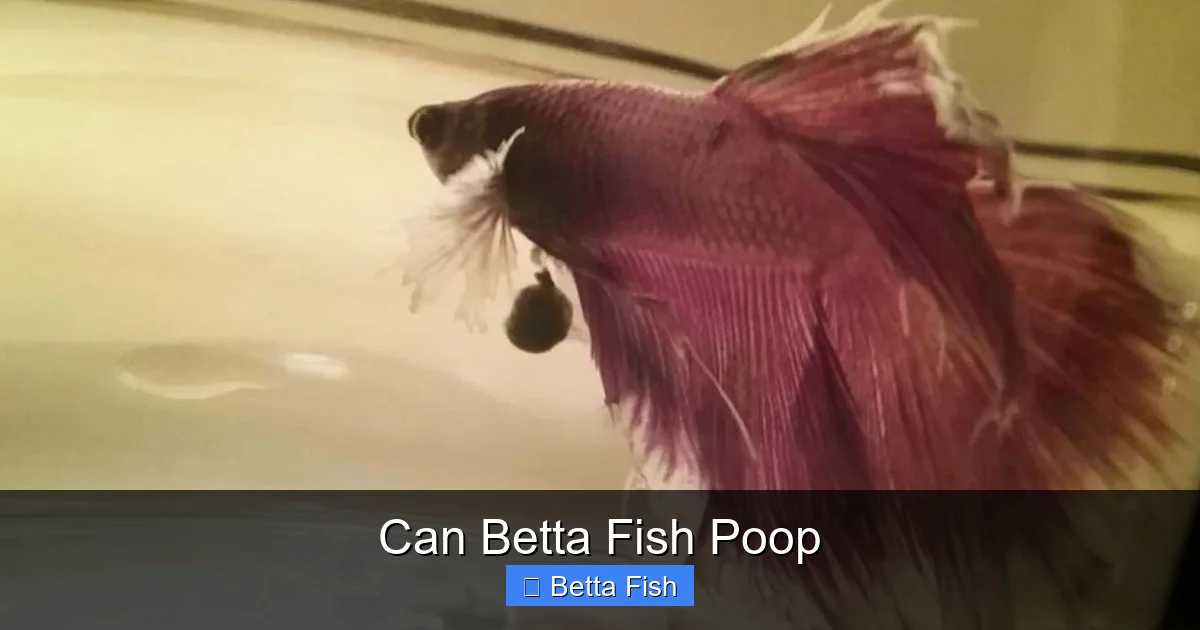
Healthy betta fish poop is pretty unremarkable, which is exactly what you want. It’s small, compact, and usually brown or reddish in color. The color largely depends on what you’re feeding your betta. If you feed mostly pellets, the poop tends to be brownish. If you feed bloodworms or other reddish foods, the poop may have a reddish or pinkish tint. Both are completely normal.
Visual guide about Can Betta Fish Poop
Image source: bettafish.org
Healthy poop is also dense and sinks quickly to the bottom of the tank. It doesn’t float, and it doesn’t trail behind your fish like a string. Think of it as a tiny, solid pellet — similar in size to the food pellets you’re feeding, just a bit smaller and darker.
Unhealthy Betta Poop — Warning Signs
Now, here’s where things get important. Not all betta poop is created equal. If you notice any of the following, it could be a sign that something is wrong:
- White or clear poop — This is one of the most common warning signs. White, stringy poop often indicates internal parasites or a bacterial infection. If you see this consistently for more than a day or two, it’s time to take action.
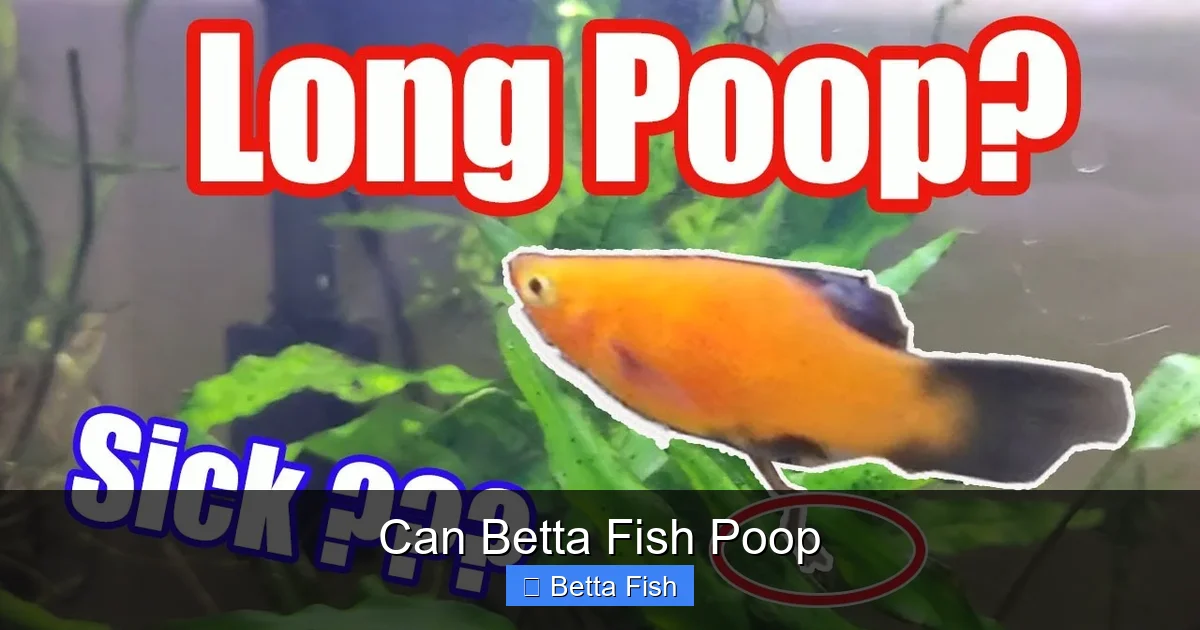
- Stringy poop that trails behind the fish — Healthy poop should detach and sink. If it’s hanging from your betta and trailing around the tank, that’s a red flag for digestive issues.
- Floating poop — Waste that floats instead of sinking can indicate constipation or a blockage in the digestive tract.
- No poop at all for extended periods — While it’s normal to miss seeing poop occasionally, if your betta hasn’t produced any visible waste in over a week and shows other symptoms like lethargy or loss of appetite, something may be wrong.
Keeping an eye on these signs is one of the easiest ways to catch health problems early. Betta fish are surprisingly good at hiding illness, so poop observation is like having a little health monitor built right into your tank.
Why You Might Not See Your Betta Fish Pooping
It Gets Eaten or Broken Down
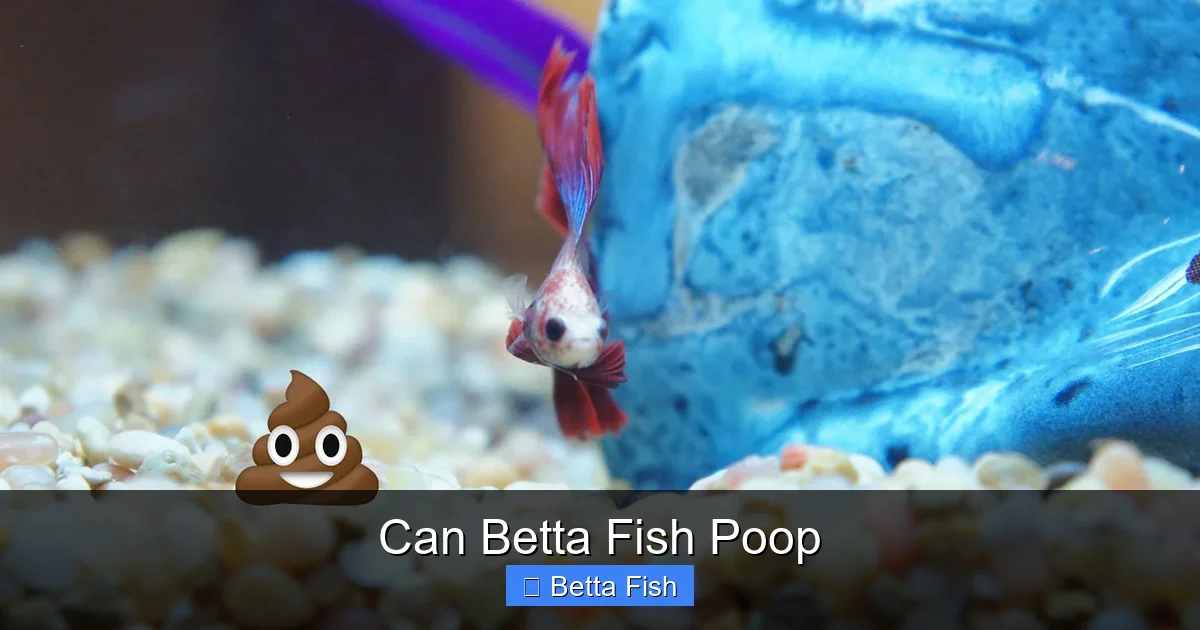
One of the biggest reasons betta owners never see poop is that it often gets eaten before they notice it. Betta fish are opportunistic eaters. If a piece of waste lands on the substrate, your betta might just snack on it again. Gross? Sure. But it’s completely natural behavior.
Visual guide about Can Betta Fish Poop
Image source: bettafish.org
On top of that, beneficial bacteria in your tank break down waste quickly. In a well-cycled aquarium with a healthy biological filter, organic matter gets decomposed faster than you might expect. So even if your betta poops regularly, the evidence might disappear before you ever spot it.
It Hides in the Substrate
If you have gravel or sand in your tank, betta poop can easily get trapped between grains or buried under decorations. Small waste pellets are easy to miss, especially in a heavily decorated tank. This is actually one reason why many experienced betta keepers prefer bare-bottom tanks or light-colored sand — it makes monitoring waste much easier.
Poop Frequency Varies
Betta fish don’t poop on a strict schedule like clockwork. Depending on how much and how often you feed, your betta might poop once a day or once every couple of days. If you’re only glancing at the tank occasionally, it’s easy to miss. The poop might appear and get broken down or eaten before you even have a chance to look.
Common Betta Fish Digestive Problems
Constipation
Constipation is probably the most common digestive issue in betta fish, and it’s almost always caused by overfeeding. Bettas have tiny stomachs — roughly the size of their eyeball. When you feed them too much, their digestive system gets backed up.

Visual guide about Can Betta Fish Poop
Image source: koibettafish.com
Signs of constipation include:
- Swollen or bloated belly
- Loss of appetite
- Difficulty swimming or staying upright
- Stringy, trailing poop
- Lethargy and resting at the bottom of the tank
The good news? Constipation is usually easy to fix. Fast your betta for 24 to 48 hours, then offer a small piece of cooked, de-shelled pea. The fiber helps get things moving again. After that, adjust your feeding portions to prevent it from happening again.
Internal Parasites
Internal parasites are a more serious concern. These tiny organisms can infect your betta’s digestive tract and cause a range of symptoms, including white, stringy poop, weight loss despite eating, and lethargy. Parasites are more common in fish that were kept in poor conditions before you brought them home.
If you suspect parasites, you’ll need to treat the tank with an anti-parasitic medication. Products containing praziquantel or metronidazole are commonly used. Always follow the dosage instructions carefully and remove any activated carbon from your filter during treatment, as it can absorb the medication.
Swim Bladder Disorder
While not directly a poop issue, swim bladder disorder is closely related to digestion. When a betta is constipated or overeaten, the swollen digestive tract can press against the swim bladder, causing buoyancy problems. Your betta might float to the top, sink to the bottom, or swim sideways.
Treatment is similar to constipation — fasting followed by a pea. In most cases, the swim bladder issue resolves once the constipation clears up. If it doesn’t improve after a few days, you may need to look into other causes like bacterial infection.
Speaking of health issues, it’s worth noting that betta fish can face a variety of physical challenges. For example, many owners worry about fin damage — but the good news is that betta fish fins can grow back with proper care and clean water.
How Feeding Affects Betta Fish Poop
The Overfeeding Problem
Let’s be honest — most betta owners overfeed their fish. It’s not because we’re bad caretakers. It’s because bettas are really good at begging for food. They’ll swim up to the glass, flare their fins, and look at you with those big eyes. It’s hard to say no!

Visual guide about Can Betta Fish Poop
Image source: buildyouraquarium.com
But overfeeding causes a cascade of problems. It leads to more waste in the tank, poorer water quality, constipation, and increased risk of disease. A good rule of thumb is to feed your betta only what it can eat in about two minutes, once or twice a day. That’s usually just 2-3 pellets per feeding.
Choosing the Right Food
The type of food you feed has a direct impact on your betta’s digestion and waste output. High-quality pellets should be the staple of your betta’s diet. Look for pellets with whole fish or shrimp as the first ingredient, not fillers like wheat or corn.
Variety is also important. Supplementing pellets with occasional treats like freeze-dried bloodworms, daphnia, or brine shrimp provides extra nutrients and can actually aid digestion. Daphnia, in particular, is known as a natural laxative for fish and can help prevent constipation.
If you want to learn more about feeding options, check out our guide on what betta fish can eat for a complete breakdown of the best foods for your fish.
Feeding Schedule Tips
Here’s a simple feeding schedule that works well for most betta fish:
- Morning: 2-3 high-quality pellets
- Evening (optional): 1-2 pellets or a small treat
- One day per week: No food at all (fasting day to aid digestion)
The weekly fasting day is especially helpful. It gives your betta’s digestive system a chance to fully process everything and can significantly reduce the risk of constipation. Think of it as a “reset” day for their gut.
How to Monitor Your Betta’s Poop and Health
Regular Tank Maintenance
The best way to keep an eye on your betta’s waste is to stay on top of regular tank maintenance. During water changes, take a moment to siphon the substrate and look for accumulated waste. If you’re finding a lot of poop buildup, you might be overfeeding or not cleaning often enough.
Visual guide about Can Betta Fish Poop
Image source: koibettafish.com
For a 5-gallon tank, a 25-30% water change once a week is usually sufficient. For smaller tanks, you may need to change water more frequently. Always use a water conditioner to remove chlorine and chloramines from tap water before adding it to the tank.
Observation Techniques
You don’t need to stare at your betta all day (though we won’t judge if you do). But making a habit of observing your fish during feeding time is a great way to catch problems early. Watch for:
- Normal swimming behavior
- Healthy appetite
- Clear, bright coloration
- Intact fins without tears or discoloration
- Regular poop that sinks and looks normal
If anything seems off — your betta isn’t eating, is hiding more than usual, or you notice abnormal poop — start investigating right away. Early intervention makes a huge difference in betta fish health.
When to See a Vet
Yes, fish vets exist! If your betta shows persistent symptoms like white poop lasting more than a few days, severe bloating, refusal to eat for over a week, or rapid weight loss, it might be time to consult an aquatic veterinarian. They can perform fecal exams and prescribe targeted treatments that you can’t get over the counter.
Keeping Your Betta’s Environment Clean
The Role of Filtration
A good filter does more than just keep the water clear — it houses beneficial bacteria that break down waste products. This biological filtration is essential for processing the ammonia that fish waste produces. Without it, toxic levels of ammonia and nitrite can build up quickly, even in a tank that looks clean.
Visual guide about Can Betta Fish Poop
Image source: i.ytimg.com
For betta fish, a gentle sponge filter is usually the best choice. Bettas don’t like strong currents, and sponge filters provide excellent biological filtration without creating a powerful flow. They’re also inexpensive and easy to maintain.
Substrate Choices Matter
Your choice of substrate can make a big difference in how easy it is to monitor and manage waste. Here’s a quick comparison:
- Bare bottom: Easiest to clean and monitor, but less natural-looking
- Light-colored sand: Waste sits on top and is easy to spot and siphon
- Dark gravel: Waste gets trapped between pieces and is harder to see
- Live plants: Help absorb some waste products and improve water quality naturally
If you’re setting up a new tank or thinking about redecorating, consider how your substrate choice will affect waste management. And if you’re planning to add tank mates, make sure you research compatibility first — our guide on what other fish can live with betta fish is a great resource for planning a community tank.
Water Quality and Poop Connection
Here’s something many new betta owners don’t realize: poor water quality and digestive problems create a vicious cycle. Bad water stresses your fish, which weakens their immune system, which makes them more susceptible to digestive issues, which produces more abnormal waste, which further degrades water quality.
Breaking this cycle is simple but requires consistency. Regular water changes, proper feeding, and a good filter will keep both your water and your betta’s digestive system in top shape. Test your water parameters weekly using a liquid test kit — strips are convenient but less accurate.
Frequently Overlooked Factors
Temperature and Digestion
Betta fish are tropical creatures that need water temperatures between 76-82°F (24-28°C). If the water is too cold, their metabolism slows down significantly. This means digestion takes longer, which can lead to constipation and irregular pooping.
Visual guide about Can Betta Fish Poop
Image source: thesprucepets.com
If you’re keeping your betta in an unheated tank — which, by the way, isn’t recommended — you might notice digestive issues more often. A small adjustable heater is one of the best investments you can make for your betta’s overall health.
Stress and Its Impact on Digestion
Stress affects betta fish digestion more than most people realize. A stressed betta may eat less, digest food poorly, or produce irregular waste. Common stressors include aggressive tank mates, excessive noise or vibration near the tank, poor water conditions, and lack of hiding spots.
Providing plenty of plants (real or silk), caves, and other hiding places helps your betta feel secure. A calm, stable environment leads to a healthy appetite and normal digestion. If you’re considering adding other creatures to your betta’s home, make sure they’re compatible — some combinations work beautifully while others end in disaster.
Conclusion
So, can betta fish poop? Absolutely, they can and they do! It’s a normal, healthy process that every betta goes through. The key takeaway here is that paying attention to your betta’s waste is one of the simplest and most effective ways to monitor their health.
Healthy betta poop is small, brown or reddish, and sinks to the bottom. White, stringy, or floating poop can be a warning sign of parasites, infection, or constipation. And if you never see poop at all, don’t panic — it’s probably just getting eaten, broken down by bacteria, or hiding in your substrate.
The best things you can do for your betta’s digestive health are simple: feed high-quality food in proper portions, maintain clean water, keep the tank warm, and observe your fish regularly. These basic steps will prevent the vast majority of poop-related problems and help your betta live a long, healthy, and happy life.
Being a great betta owner isn’t about having the fanciest tank or the most expensive equipment. It’s about paying attention to the small details — like poop — that tell you how your fish is really doing. Now go take a look at your tank. You might just learn something new about your betta today.
Frequently Asked Questions
How often should a betta fish poop?
A healthy betta fish typically poops once a day or once every couple of days, depending on how much they eat. If you feed your betta twice daily, you can expect to see waste more frequently. Don’t worry if you don’t see it every time — it often gets eaten or breaks down quickly.
What color should betta fish poop be?
Healthy betta fish poop is usually brown or reddish-brown, depending on what you’re feeding. Reddish poop is common after feeding bloodworms or similar foods. White or clear poop is a warning sign that could indicate internal parasites or a bacterial infection.
Why is my betta fish’s poop white and stringy?
White, stringy poop in betta fish is often a sign of internal parasites or a digestive infection. If you notice this for more than a day or two, consider treating your tank with an anti-parasitic medication. It’s also a good idea to check your water parameters and make sure your betta isn’t stressed.
Can betta fish get constipated?
Yes, betta fish can definitely get constipated, and it’s usually caused by overfeeding. Signs include a swollen belly, loss of appetite, and stringy poop. To treat constipation, fast your betta for 24-48 hours, then offer a small piece of cooked, de-shelled pea to help get things moving.
Is it normal to never see betta fish poop?
Yes, it’s completely normal to rarely or never see your betta’s poop. The waste often gets eaten by the fish, broken down by beneficial bacteria, or buried in the substrate. As long as your betta is eating well, swimming normally, and looks healthy, there’s usually nothing to worry about.
Does overfeeding affect betta fish poop?
Absolutely. Overfeeding is the number one cause of digestive problems in betta fish. It leads to more waste, poorer water quality, and a higher risk of constipation. Feed your betta only 2-3 pellets once or twice a day, and include one fasting day per week to keep their digestive system healthy.

