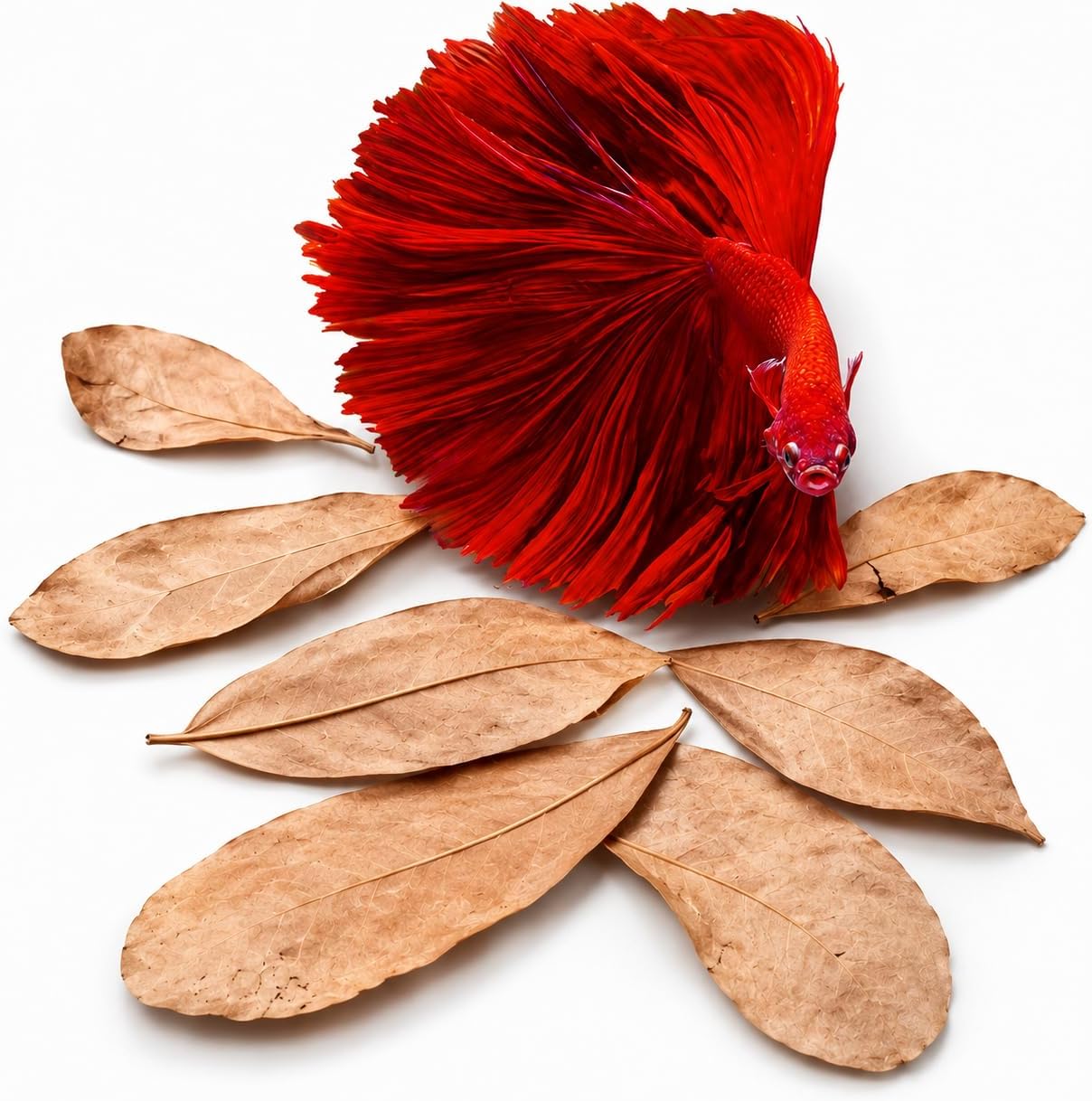
Is Reverse Osmosis Water Good for Betta Fish
Reverse osmosis (RO) water can be a great choice for betta fish when properly conditioned. It removes harmful chemicals, gives you full control over water parameters, and helps prevent common issues like ammonia spikes. Just remember to remineralize and monitor temperature to keep your betta thriving.
Key Takeaways
- Pure base water: RO water strips away chlorine, chloramine, and heavy metals, giving you a clean slate for your betta.
- Needs remineralization: Pure RO water lacks essential minerals; you must add a betta‑safe supplement or use a balanced salt mix.
- Stable parameters: With RO water you can maintain consistent pH and hardness, which reduces stress for your fish.
- Cost and convenience: Buying a small RO unit is usually cheaper long‑term than constantly buying bottled water.
- Temperature matters: RO water can be colder; always bring it to the proper betta temperature before adding it to the tank.
- Regular testing: Test for pH, GH, KH, and ammonia after each water change to catch any drift early.
- Combine with good practices: Pair RO water with proper filtration, regular water changes, and a suitable tank size for the best results.
📑 Table of Contents
- Introduction: Why Water Quality Matters for Betta Fish
- What Is Reverse Osmosis Water?
- Benefits of Using RO Water for Betta Fish
- Potential Drawbacks and How to Overcome Them
- Step‑by‑Step Guide: Using RO Water for Your Betta
- Comparing RO Water to Other Water Types
- Practical Tips for a Healthy Betta Using RO Water
- Common Mistakes to Avoid
- Conclusion: Is Reverse Osmosis Water Good for Betta Fish?
Introduction: Why Water Quality Matters for Betta Fish
Betta fish, also called Siamese fighting fish, are famous for their bright colors and flowing fins. Those traits make them popular pets, but they also mean bettas are sensitive to their environment. The water you put in their tank is more than just a liquid home – it’s a delicate balance of chemistry, temperature, and cleanliness.
If you’ve ever wondered whether reverse osmosis (RO) water is good for betta fish, you’re not alone. Many hobbyists start with tap water, then discover chlorine, heavy metals, or unpredictable hardness. RO water offers a “blank canvas” that lets you set the exact conditions your betta needs. In this guide we’ll break down the science, the pros and cons, and step‑by‑step tips for using RO water safely.
What Is Reverse Osmosis Water?
How the RO Process Works
Reverse osmosis forces water through a semi‑permeable membrane under pressure. The membrane blocks particles larger than about 0.0001 microns – that includes salts, minerals, chlorine, chloramine, and most contaminants. The result is water that is virtually pure.

Visual guide about Is Reverse Osmosis Water Good for Betta Fish
Image source: content.bookoff.co.jp
What’s Left Out?
Because the membrane removes almost everything, RO water is also stripped of beneficial minerals like calcium, magnesium, and potassium. Those minerals are what give water its hardness (GH) and buffering capacity (KH). Without them, the water can become “soft” and may fluctuate in pH more easily.
Is Pure Always Better?
Pure water is great for removing toxins, but fish need a certain amount of dissolved minerals to regulate osmosis across their gills. Too soft water can cause stress, poor growth, and even death if not corrected. That’s why you’ll always hear the phrase “RO water must be conditioned” when caring for bettas.
Benefits of Using RO Water for Betta Fish
1. Removes Harmful Chemicals
Tap water often contains chlorine or chloramine, both of which are lethal to fish at even low levels. RO water eliminates these instantly, so you don’t need a separate dechlorinator.

Visual guide about Is Reverse Osmosis Water Good for Betta Fish
Image source: koala.sh
2. Controls Hardness and pH
Because the starting point is a neutral, mineral‑free base, you can add back exactly the right amount of salts to hit a target GH of 4–8 dGH and a pH between 6.5 and 7.5 – the sweet spot for most bettas.
3. Reduces Algae and Bacterial Blooms
When nutrients like nitrates and phosphates are low, algae have less to feed on. RO water helps keep those nutrient levels down, leading to clearer water and fewer surprise green films.
4. Consistency Across Seasons
Rainy or winter months can change your municipal water’s mineral content. With an RO system, the water you add is the same every day, making it easier to keep parameters stable.
5. Cost‑Effective Over Time
While the upfront cost of a small countertop RO unit can be $70‑$120, the per‑gallon price drops dramatically compared with buying bottled or distilled water for each water change.
Potential Drawbacks and How to Overcome Them
Lack of Essential Minerals
If you pour raw RO water straight into the tank, your betta will suffer from mineral deficiency. The fix is simple: use a commercial betta‑specific remineralizer or a balanced aquarium salt mix. Follow the product’s dosage guide to reach a safe GH (usually 4–8 dGH).

Visual guide about Is Reverse Osmosis Water Good for Betta Fish
Image source: katringo.com.au
Temperature Shock
RO water often comes out at room temperature, which can be cooler than the 78‑80 °F (25‑27 °C) range bettas love. Always use a heater or pre‑heat the water in a bucket before adding it. A quick test with a reliable thermometer will prevent sudden temperature drops.
pH Instability
Because RO water has virtually no buffering capacity, any small addition of acids or bases can swing the pH dramatically. Adding a calibrated remineralizer that includes a buffering agent (bicarbonate) helps keep pH steady.
Equipment Maintenance
The RO membrane can clog with sediments and require replacement every 6‑12 months. Keep an eye on the water flow rate; a slower output often signals it’s time for a change.
Step‑by‑Step Guide: Using RO Water for Your Betta
Step 1: Set Up Your RO System
- Choose a unit sized for hobby use (3‑5 gallons per hour is plenty for a single betta).
- Install the pre‑filter (usually a sediment filter) to protect the membrane.
- Connect the faucet, run water through, and collect the purified output in a clean container.
Step 2: Test the Raw RO Water
Even though it’s pure, run a quick test for pH, GH, and KH. You’ll likely see pH ≈ 7.0, GH = 0, KH = 0. Record these numbers – they become your baseline.
Step 3: Condition the Water
Mix in a betta‑safe remineralizer according to the label. For a 5‑gallon batch, a typical dosage might be 1 ml of product, which raises GH to around 5 dGH and adds a small buffering capacity.
Stir gently and let the water sit for 15‑30 minutes. Re‑test to confirm you hit your target ranges.
Step 4: Bring the Water to Temperature
Place the conditioned water in a bucket with a submersible heater set to 78 °F (25.5 °C). Use a thermometer to verify the temperature before adding it to the tank.
Step 5: Perform the Water Change
For a healthy betta, change 25‑30 % of the tank water weekly. Use a siphon to remove old water, then slowly pour the prepared RO water back in. This gentle approach avoids stressing the fish.
Need a refresher on how often to change water? Check out our guide on How Often Change Water For Betta Fish for detailed schedules.
Step 6: Monitor and Adjust
After each change, test pH, GH, and ammonia. If you notice any drift, adjust the remineralizer dosage slightly. Consistent testing (once a week) keeps your betta in the optimal range.
Comparing RO Water to Other Water Types
Tap Water
Tap water is convenient but often contains chlorine, chloramine, and variable hardness. You’ll need a dechlorinator and possibly a water conditioner to correct pH and mineral content. For more on tap water, read Can U Use Tap Water For Betta Fish.
Distilled Water
Like RO water, distilled water is mineral‑free, but it’s produced by boiling and condensing, which can leave trace chemicals. It’s also more expensive per gallon. If you ever consider distilled water, see our article Can U Use Distilled Water For Betta Fish for a full comparison.
Bottled or Spring Water
These options vary widely in mineral content and may contain hidden contaminants. They are generally not recommended unless you test each batch and adjust accordingly.
Why RO Often Wins
RO gives you control, consistency, and removes the need for multiple conditioners. When paired with a good remineralizer, it becomes the most flexible water source for a betta’s specific needs.
Practical Tips for a Healthy Betta Using RO Water
- Keep a spare batch: Store a few gallons of conditioned RO water in a sealed container. This is handy for emergencies or quick top‑offs.
- Use a water test kit: A basic kit that measures pH, GH, KH, and ammonia is essential. Test before every water change.
- Don’t over‑condition: Adding too many minerals can raise GH quickly, leading to cloudy water. Start with the lowest recommended dose and increase gradually.
- Watch for cloudy water: If the water turns milky after a change, you may have added too much remineralizer or the water was too cold.
- Combine with live plants: Plants help stabilize pH and consume nitrates. Choose hardy species like Anubias or Java fern, which thrive in soft water.
- Maintain proper tank size: Even with perfect water, a cramped environment stresses bettas. A minimum of 5 gallons is recommended – see What Is A Good Size Tank For A Betta Fish for details.
Common Mistakes to Avoid
Skipping the Remineralizer
Pure RO water can cause “osmotic shock” because the fish’s cells lose essential ions. Always add a betta‑safe mineral blend.
Using Unfiltered RO Water Directly
Even after the membrane, the water can pick up contaminants from the storage container. Use a clean, food‑grade bucket and keep it covered.
Changing Temperature Too Quickly
Adding cold RO water can drop the tank temperature by several degrees. Use a thermometer and add water slowly to avoid shocking the betta.
Neglecting Regular Membrane Maintenance
A clogged membrane reduces output flow and may let some contaminants through. Replace the membrane as per the manufacturer’s schedule.
Conclusion: Is Reverse Osmosis Water Good for Betta Fish?
Yes—reverse osmosis water can be excellent for betta fish when you treat it right. It gives you a clean slate, lets you fine‑tune hardness and pH, and eliminates harmful chemicals found in tap water. The key is to remineralize, heat the water to the proper temperature, and monitor parameters regularly. Pairing RO water with good tank size, live plants, and a consistent water‑change routine will set your betta up for a long, colorful life.
Remember, the best water is the water you can control. With a modest RO system and a few simple steps, you’ll provide the ideal environment for your finned friend to flourish.
Frequently Asked Questions
Can I use raw RO water without any additives for my betta?
No. Raw RO water lacks essential minerals, which can cause stress and health problems. Always add a betta‑safe remineralizer before introducing it to the tank.
How often should I change the water when using RO water?
Even with RO water, a weekly 25‑30 % water change is recommended. This keeps nitrate levels low and maintains stable water chemistry.
What temperature should RO water be before adding it to a betta tank?
Heat the conditioned RO water to 78‑80 °F (25‑27 °C). Using a submersible heater and a reliable thermometer ensures no temperature shock.
Do I need a dechlorinator if I’m using RO water?
No. The RO process removes chlorine and chloramine completely, so a dechlorinator is unnecessary.
Can I store conditioned RO water for later use?
Yes. Keep it in a clean, sealed container in a cool, dark place. Stir or gently shake before each use to ensure minerals are evenly distributed.
Is RO water the best choice for breeding bettas?
Many breeders prefer RO water because it lets them set precise parameters for spawning. Just be sure to add the right minerals and keep the water at a stable temperature.