Can Betta Fish Live Without a Filter The Truth
Yes, betta fish can survive temporarily without a filter, but long-term health depends on clean water and stable conditions. While their labyrinth organ lets them breathe air, poor water quality quickly harms them. This guide explains when filters matter, how to maintain tanks manually, and what alternatives work best. You will learn practical steps to keep your betta thriving safely.
This is a comprehensive guide about can betta fish live without a filter.
Key Takeaways
- Short-term survival is possible: Bettas can live briefly without filtration if you perform frequent water changes.
- Water quality matters most: Ammonia and nitrite buildup cause stress and disease without mechanical filtration.
- Low-flow setups work best: Bettas prefer calm water, so gentle filtration or sponge filters are ideal.
- Manual maintenance replaces filters: Regular partial water changes and gravel vacuuming keep tanks safe.
- Plants and beneficial bacteria help: Live plants and seeded substrate naturally reduce toxins over time.
- Tank size affects stability: Larger water volumes dilute waste faster and reduce filter dependence.
- Monitoring prevents emergencies: Test kits and observation catch problems before they harm your fish.
[FEATURED_IMAGE_PLACEHOLDER]
Can Betta Fish Live Without a Filter The Truth
Many new fish keepers ask one simple question: can betta fish live without a filter? The short answer is yes, but with important caveats. Bettas are resilient fish. They can survive in less-than-perfect conditions for a while. However, survival is not the same as thriving. A filter is not strictly mandatory, but it makes care much easier and safer.
You might wonder why filters matter so much. Fish produce waste. Uneaten food breaks down. Decaying plants release compounds. All of these create ammonia. Ammonia burns gills and stresses fish. A filter houses beneficial bacteria that convert ammonia into less harmful substances. Without that help, you must do the work manually. That is completely possible, but it requires consistency.
This article breaks down exactly what happens when you skip filtration. You will learn how bettas breathe, why water quality matters, and how to maintain a tank without a filter. We will also compare setup options and share practical tips. By the end, you will know exactly what your betta needs to stay healthy.
Understanding Betta Fish Natural Habitat
Bettas come from shallow rice paddies, slow-moving streams, and seasonal wetlands in Southeast Asia. These waters are warm, soft, and often low in current. The environment changes with the rainy and dry seasons. During dry periods, water levels drop and oxygen decreases. Bettas evolved to handle these conditions.
Their famous labyrinth organ lets them gulp air from the surface. This adaptation helps them survive in oxygen-poor water. It does not mean they prefer dirty water. It simply means they can tolerate low oxygen better than many tropical fish. Clean water still matters for their overall health.
Why Natural Conditions Do Not Mean Dirty Water
Wild bettas live in environments that are naturally balanced. Plants, bacteria, and flowing water process waste continuously. Captive tanks are much smaller. Waste builds up quickly. A small bowl or jar without filtration can become toxic within days. Size and maintenance change everything.
What This Means for Home Tanks
You do not need strong currents or heavy filtration. Bettas prefer calm water. A gentle filter or no filter at all can work. The key is managing toxins and keeping temperature stable. If you understand their natural habits, you can create a setup that matches their needs without overcomplicating care.
Can Betta Fish Live Without a Filter Short Term vs Long Term
The real answer to can betta fish live without a filter depends on time and effort. Short-term, yes. Long-term, it gets harder. Let us look at both scenarios clearly.
Short-Term Survival Without Filtration
If you set up a new tank and forget the filter for a few days, your betta will likely be fine. The water still holds some oxygen. Waste has not built up yet. You can simply do a partial water change and add a filter later. Temporary setups work well for moves, travel, or quarantine.
Keep these points in mind for short-term care:
- Watch for stress signs: Clamped fins, lethargy, or gasping at the surface signal trouble.
- Keep the tank covered: Bettas need warm, stable air above the water.
- Avoid overfeeding: Extra food decays faster without filtration.
- Perform small water changes: Replace 20 to 30 percent if the tank sits unfiltered for more than two days.
Long-Term Care Without a Filter
Living without a filter long-term is possible, but it demands routine. You become the filtration system. That means frequent water changes, careful feeding, and regular testing. Many keepers succeed with small, well-maintained tanks. Others prefer a gentle filter to reduce workload.
Long-term success depends on these habits:
- Weekly water changes: Replace 25 to 50 percent of the water depending on tank size.
- Gravel cleaning: Vacuum debris to remove trapped waste.
- Test water regularly: Check ammonia, nitrite, nitrate, and pH.
- Limit bioload: Keep feeding modest and avoid overcrowding.
If you want a lower-maintenance approach, consider a quiet sponge filter or a low-flow internal filter. You can read more about gentle setup options in our guide on using a filter with betta fish.
Water Quality and Why It Matters Most
Water quality is the real issue, not the filter itself. A filter is just a tool. The goal is clean, stable water. Without filtration, you must manage three main factors: ammonia, oxygen, and temperature.
Ammonia and the Nitrogen Cycle
Fish waste and decaying food release ammonia. Ammonia is highly toxic. Beneficial bacteria convert ammonia into nitrite, then into nitrate. This process is called the nitrogen cycle. Filters provide surface area for these bacteria to grow. Without a filter, bacteria still exist, but they have less space and less water movement to distribute oxygen.
You can support the cycle without a filter by:
- Using seeded media: Add filter sponge or ceramic rings from an established tank.
- Adding live plants: Plants absorb nitrate and help balance nutrients.
- Avoiding overcleaning: Do not scrub every surface. Leave some beneficial bacteria intact.
Oxygen Levels and Surface Agitation
Bettas breathe air, but they still need some dissolved oxygen. Stagnant water loses oxygen faster. Gentle surface movement helps gas exchange. You can create movement without a strong filter by using a small air stone or by pouring water carefully during changes. If you wonder whether bettas need extra aeration, check our article on betta fish living without an air stone.
Temperature Stability
Warm water holds less oxygen, but bettas need heat. They thrive around 78 to 80 degrees Fahrenheit. Without a filter, water can heat or cool unevenly. A reliable heater and a stable room help. If temperature swings are a concern, see our piece on keeping a betta without a heater for important warnings.
Manual Maintenance When You Skip Filtration
If you choose to run a tank without a filter, maintenance becomes your main tool. The good news is that the routine is simple once you build the habit. Consistency matters more than intensity.
Weekly Water Change Routine
A predictable schedule keeps toxins low. Here is a practical routine for small unfiltered tanks:
- Test the water first: Check ammonia and nitrite before changing water.
- Prepare fresh water: Use a water conditioner and match the temperature.
- Remove debris: Gently vacuum the substrate and remove uneaten food.
- Replace 25 to 40 percent: Adjust based on bioload and test results.
- Add conditioned water slowly: Avoid shocking the fish with sudden changes.
Feeding and Waste Control
Overfeeding is the fastest way to dirty a tank. Feed only what your betta eats in two minutes. Remove leftovers quickly. Consider one fasting day per week to reduce waste. These small habits keep water clearer and reduce maintenance pressure.
Signs You Need to Change Water Sooner
Do not wait for the calendar if something looks off. Change water sooner if you notice:
- Cloudy or hazy water: Often signals excess waste or bacteria bloom.
- Strong odor: A healthy tank should not smell foul.
- Surface scum: Thin films can reduce gas exchange.
- Lethargic behavior: Your betta may be stressed by poor conditions.
Best Filter-Free and Low-Flow Setup Options
You do not need a bulky filter to keep a betta healthy. Several setups work well when managed properly. The best choice depends on your time, tank size, and comfort with maintenance.
Small Tanks and Bowls
Small containers are popular, but they require frequent care. Water parameters shift quickly in tiny volumes. If you use a bowl or small tank, keep it simple. Add a live plant, avoid overfeeding, and change water often. For more on container size, read betta fish in a one gallon tank.
Planted Tanks as Natural Filters
Live plants help absorb nutrients and stabilize water. Fast-growing plants like hornwort or floating plants like duckweed can reduce nitrate buildup. Plants also provide shelter and reduce stress. If you want to add greenery, see adding live plants with betta fish.
Sponge Filters and Gentle Flow Options
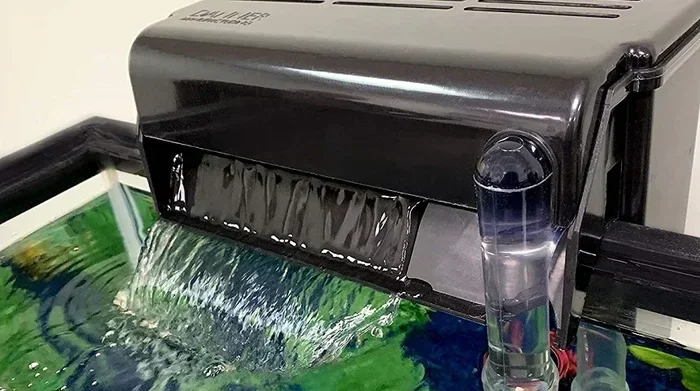
If you want help without strong current, a sponge filter is an excellent middle ground. It provides biological filtration and gentle aeration. The flow is mild, so bettas stay comfortable. You can also use a small internal filter on the lowest setting. For setup ideas, explore using a filter in a betta fish tank.
Comparison of Common Setup Approaches
Below is a quick comparison to help you choose. Each option can work when matched with the right care routine.
| Setup Type | Maintenance Level | Water Stability | Best For |
|---|---|---|---|
| No filter, small tank | High | Low | Short-term or highly attentive keepers |
| No filter, planted tank | Moderate | Moderate | Keepers who want natural balance |
| Sponge filter | Low to moderate | Good | Gentle filtration with easy care |
| Low-flow internal filter | Low | Good | Keepers who want clear water with minimal effort |
Common Mistakes and Expert Tips
Many problems come from misunderstanding what bettas need. Avoiding a few common errors will save you time and protect your fish.
Common Mistakes to Avoid
- Assuming no filter means no care: Water still needs regular changes and testing.
- Using strong currents: Powerful flow stresses bettas and exhausts them.
- Overfeeding in unfiltered tanks: Extra food quickly spikes ammonia.
- Skipping water conditioner: Chlorine and chloramine harm fish and beneficial bacteria.
- Ignoring temperature: Cold water weakens immunity and slows metabolism.
Expert Tips for Success
- Start with a larger volume: More water means more stable conditions.
- Keep a test kit nearby: Early detection prevents emergencies.
- Use gentle surface movement: A small bubble stream or careful pouring helps oxygen exchange.
- Cycle the tank before adding fish: Established bacteria make any setup safer.
- Watch your betta daily: Behavior changes are often the first warning sign.
Quick Tips
- Match the setup to your schedule: Choose a system you can maintain consistently.
- Keep backups ready: Store conditioned water for quick changes.
- Clean tools separately: Rinse siphons and nets in tank water, not tap water.
Final Thoughts on Can Betta Fish Live Without a Filter
So, can betta fish live without a filter? Yes, they can, but the real question is whether the tank stays clean enough for long-term health. A filter is a helpful tool, not a magic requirement. What matters most is stable temperature, low toxins, and consistent maintenance. If you are willing to test water, change it regularly, and feed carefully, an unfiltered setup can work. If you prefer less hands-on care, a gentle filter makes life easier.
The best choice depends on your routine and your tank size. Small containers need more attention. Planted tanks and larger volumes offer more stability. Gentle filtration gives you a balance of comfort and convenience. Whatever you choose, focus on water quality first. Your betta will reward you with brighter colors, active behavior, and a longer, healthier life.
Can betta fish live without a filter forever?
Yes, but only if you perform frequent water changes and monitor water quality closely. Without a filter, you must remove waste and toxins manually to keep the environment safe.
Do betta fish need a filter to breathe?
No, bettas can breathe air from the surface using their labyrinth organ. They still benefit from clean water and some surface movement for overall health.
How often should I change water in a tank without a filter?
Plan for weekly changes of 25 to 50 percent, depending on tank size and feeding. Test the water regularly and adjust the schedule if ammonia or nitrite rises.
Is a sponge filter better than no filter for bettas?
A sponge filter is often better because it provides gentle biological filtration and mild aeration without strong current. It reduces maintenance while keeping bettas comfortable.
Can live plants replace a filter in a betta tank?
Live plants help absorb nutrients and improve water quality, but they do not fully replace filtration in most tanks. They work best as part of a routine that includes regular water changes.
What are the signs that an unfiltered tank is becoming unsafe?
Watch for cloudy water, bad odors, clamped fins, lethargy, or frequent surface breathing. These signs usually mean waste is building up and water changes are needed soon.
Frequently Asked Questions
What is can betta fish live without a filter?
can betta fish live without a filter is an important topic with many practical applications.