Can Betta Live With Other Fish Best Tank Mates Guide

Can betta live with other fish? The short answer is yes, but only with the right companions. Bettas are naturally territorial, so choosing peaceful, non-aggressive tank mates is essential. You must also consider tank size, water conditions, and hiding spots to keep everyone safe. This guide breaks down exactly which fish work best, which to avoid, and how to set up a harmonious aquarium.
Key Takeaways
- Yes, bettas can share a tank, but only with calm, fast-swimming, or bottom-dwelling species that avoid triggering aggression.
- Tank size matters greatly. A minimum of 10 gallons is recommended for community setups to reduce stress and territorial disputes.
- Avoid fin-nippers and aggressive fish. Species like tiger barbs, cichlids, and other male bettas will cause stress or injury.
- Provide plenty of hiding spots. Plants, caves, and driftwood give shy fish places to retreat and break lines of sight.
- Monitor behavior closely. Even compatible fish may need separation if chasing or fin-nipping occurs during the adjustment period.
- Feed separately if needed. Bettas often eat quickly at the surface, so sinking pellets or targeted feeding helps ensure all fish get nutrition.
- Quarantine new fish first. Introducing healthy, parasite-free tank mates prevents disease outbreaks and reduces stress on your betta.
📑 Table of Contents
- Can Betta Live With Other Fish? Understanding Betta Temperament
- Best Tank Mates for Bettas: Safe Choices That Work
- Fish to Avoid: Dangerous Tank Mates and Why
- Tank Setup and Environment for Peaceful Coexistence
- Introducing New Fish to Your Betta Tank
- Feeding, Maintenance, and Long-Term Harmony
- Expert Tips and Common Mistakes to Avoid
- Final Thoughts on Betta Compatibility
Can Betta Live With Other Fish? Understanding Betta Temperament
Many new aquarium owners ask the same question: can betta live with other fish? The answer depends heavily on the individual fish personality and the tank environment. Bettas are famous for their bright colors and flowing fins, but they also carry a reputation for being feisty. In the wild, male bettas defend small territories in shallow rice paddies and slow-moving streams. This natural instinct translates to aquarium life, where they may chase or flare at anything that enters their space.
That said, bettas are not universally hostile. Many thrive in peaceful community tanks when conditions are right. The key is matching their temperament with compatible species. You want fish that stay out of the betta’s direct line of sight, occupy different tank levels, and do not flash bright colors or long fins that trigger aggression. Understanding these behavioral patterns helps you make smarter choices and avoid common mistakes.
Before adding any companion, observe your betta’s personality. Some bettas are remarkably calm and ignore neighbors completely. Others are highly territorial and need a solo setup. There is no universal rule, so patience and careful planning matter more than guesswork.
Why Bettas Act Territorial
Bettas belong to a group of fish known for building bubble nests and guarding them. Males especially display strong protective behaviors. When they see a new fish, they may interpret it as a rival or a threat to their space. Flaring, chasing, and fin spreading are normal stress responses. These behaviors usually settle once the fish establish boundaries or realize the newcomer poses no danger.
Female bettas tend to be less aggressive, but they still defend personal space. In larger groups, females can form hierarchies that lead to bullying if the tank is too small. This is why many hobbyists ask can female betta live with other fish before attempting a sorority or community tank. The answer remains the same: space, structure, and careful species selection determine success.
Signs Your Betta May Not Tolerate Tank Mates
Not every betta is a good candidate for shared living. Watch for these warning signs before introducing new fish:
- Constant flaring at decorations or glass reflections
- Aggressive chasing that does not stop after several days
- Hiding, loss of color, or refusal to eat after adding companions
- Damaged fins or stressed behavior in any tank resident
If you notice these patterns, it is best to separate the fish and reconsider the setup. Forcing incompatible species together only causes unnecessary stress and health problems.
Best Tank Mates for Bettas: Safe Choices That Work
When people search for answers to can betta live with other fish, they usually want a clear list of safe options. Fortunately, several species coexist peacefully with bettas under the right conditions. The best companions share three traits: they stay calm, they avoid long flowing fins, and they occupy different areas of the tank.
Small schooling fish are often excellent choices. They move quickly, stay in groups, and rarely bother a betta. Bottom dwellers also work well because they spend most of their time near the substrate, far from the betta’s preferred upper zones. Shrimp and snails can add activity without creating competition or conflict.
Top Peaceful Fish Companions
Here are some of the most reliable tank mates for bettas:
- Neon tetras – Small, fast, and peaceful. They school tightly and usually stay in the mid-water column.
- Harlequin rasboras – Calm swimmers that tolerate similar water conditions and avoid confrontation.
- Corydoras catfish – Gentle bottom feeders that clean up leftover food and keep to the lower tank levels.
- Kuhli loaches – Shy, eel-like fish that hide during the day and rarely interact with bettas.
- Ember tetras – Tiny, quiet fish that blend into planted tanks and move in coordinated groups.
These species work best in tanks of 10 gallons or more. Larger water volume gives everyone room to establish routines and avoid constant encounters. When you wonder can betta live with other fish yahoo answers style advice, remember that real success comes from matching behavior, not just size.
Invertebrates and Bottom Dwellers
Snails and shrimp bring useful cleanup duties and fascinating behavior. Nerite snails, mystery snails, and ramshorn snails graze on algae without disturbing your betta. Cherry shrimp and Amano shrimp also thrive in planted tanks, though bettas may occasionally view small shrimp as snacks. Providing dense plant cover improves shrimp survival rates significantly.
Bottom-dwelling fish like corydoras and loaches add movement near the substrate. They rarely compete for surface space, which reduces tension. If you are exploring can betta fish live with other species of fish, these gentle scavengers are among the safest starting points.
Fish to Avoid: Dangerous Tank Mates and Why
Knowing what not to add is just as important as choosing good companions. Some fish trigger aggression, steal food, or outcompete bettas for resources. Others simply have incompatible water needs or behavior patterns. If you are asking can betta live with other fish, the wrong choices can quickly turn a peaceful tank into a stressful environment.
Aggressive and Fin-Nipping Species
Certain fish have reputations for nipping fins or bullying slower swimmers. Avoid these around bettas:
- Tiger barbs – Active fin-nippers that target long fins and cause chronic stress.
- Serpae tetras – Known for chasing and biting, especially in smaller tanks.
- Cichlids – Many cichlid species are highly territorial and will fight bettas for dominance.
- Goldfish – They produce heavy waste, prefer cooler water, and often outcompete bettas for food.
- Other male bettas – Two males together almost always lead to serious aggression and injury.
These species either provoke attacks or create incompatible living conditions. Even if a store suggests they can coexist, the long-term risk is rarely worth it.
Large or Overly Active Fish
Fast, boisterous fish can stress a betta by constantly swimming through its space. Large characins, aggressive danios, and highly active rainbowfish may overwhelm a calm betta. The constant motion triggers defensive behavior and disrupts feeding. A successful community tank needs balance, not chaos.
If you are curious about can male betta live with other species of fish, remember that size and activity level matter as much as temperament. A peaceful fish that never leaves the bottom is usually safer than a speedy mid-water swimmer that darts everywhere.
Tank Setup and Environment for Peaceful Coexistence
Even the best tank mates will struggle in a poor environment. Space, structure, and water quality shape every interaction in the aquarium. When you plan a community setup, think of the tank as a small ecosystem where each resident needs room to behave naturally.
Tank Size and Layout Basics
A 10-gallon tank is the practical minimum for most betta community setups. Smaller tanks concentrate aggression, limit escape routes, and make water parameters unstable. Larger tanks give fish more territory and reduce the chance of constant confrontations.
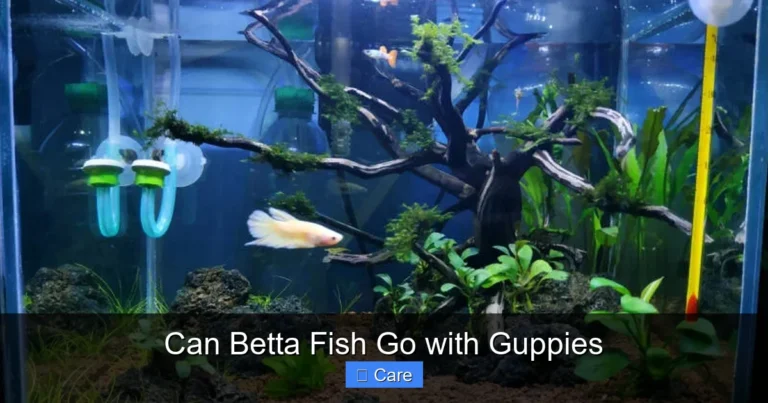
Arrange the layout to break lines of sight. Use live or artificial plants, driftwood, and smooth rocks to create visual barriers. Open swimming areas should coexist with hidden retreats. This setup lets shy fish disappear when needed and gives your betta clear boundaries to defend.
Water Conditions and Filtration
Bettas prefer warm, clean water with gentle flow. Most compatible tank mates thrive in similar conditions, which makes planning easier. Aim for stable temperatures around 76 to 80 degrees Fahrenheit and maintain good filtration without strong currents. Bettas dislike powerful flow because it fights their swimming style and stresses their fins.
Regular water changes keep ammonia and nitrite levels low. Healthy water reduces disease risk and helps all fish stay calm. When you consider can betta live with other fish, stable water quality is one of the biggest hidden factors behind long-term success.
Hiding Spots and Territory Management
Every tank resident benefits from places to rest and hide. Plants like java fern, anubias, and floating vegetation provide cover without demanding high light levels. Caves and ceramic shelters give bottom dwellers secure spots. A well-structured tank lowers tension because fish do not feel exposed all the time.
If aggression appears after adding new fish, rearrange the decorations. Changing the layout resets territory claims and often reduces chasing. This simple trick helps many hobbyists solve early compatibility issues without removing anyone.
Introducing New Fish to Your Betta Tank
The introduction process matters just as much as species selection. A rushed addition can trigger immediate aggression, while a careful approach gives fish time to adjust. If you want to know can betta live with other fish without drama, follow a slow and controlled method.
Step-by-Step Addition Process
Use this simple routine when adding companions:
- Acclimate new fish properly. Float the bag, then slowly mix tank water before releasing them.
- Add multiple fish at once. Introducing a small group spreads attention and reduces targeting of one individual.
- Rearrange decorations. Changing the layout helps reset territorial boundaries.
- Watch closely for the first few days. Some chasing is normal, but relentless attacks require intervention.
- Separate if needed. Keep a backup plan ready, such as a quarantine tank or breeder box.
Patience during this phase prevents many problems later. Fish need time to learn the layout and establish routines. A calm introduction often leads to a stable community.
Monitoring Behavior After Introduction
Observe feeding, hiding, and swimming patterns every day for the first week. Healthy tank mates explore gradually and return to normal behavior after the initial adjustment. If your betta hides constantly, refuses food, or flares nonstop, the setup may need changes. Likewise, if new fish show torn fins or spend all their time pressed against the glass, stress levels are too high.
Early intervention matters. Moving one fish to a separate tank for a few days can reset the dynamic. Sometimes the issue is simply that the group size or tank layout needs tweaking.
Feeding, Maintenance, and Long-Term Harmony
A peaceful tank stays peaceful when basic care remains consistent. Feeding competition, poor maintenance, and sudden environmental changes can all trigger conflict. Long-term harmony depends on routine and attention to detail.
Feeding Strategies for Community Tanks
Bettas usually eat at the surface and prefer meat-based pellets or frozen foods. Tank mates may prefer sinking foods or different feeding zones. To keep everyone healthy, use a mix of feeding methods:
- Offer floating betta pellets in one area
- Drop sinking wafers or pellets for bottom dwellers
- Use frozen or micro-pellet foods for small schooling fish
- Remove uneaten food after a few minutes to protect water quality
Targeted feeding reduces competition and ensures shy fish get enough nutrition. If your betta bullies others during meals, try feeding in separate corners or using a feeding ring.
Routine Maintenance and Stress Reduction
Consistent water changes, filter cleaning, and parameter checks keep the tank stable. Sudden swings in temperature or chemistry stress all fish and can spark aggression. Keep a simple maintenance schedule and avoid overcleaning, which removes beneficial bacteria.
Plants, proper lighting, and gentle flow also support a calm environment. When the tank feels secure, fish spend less energy on defense and more on natural behavior. This is one of the most overlooked parts of answering can betta live with other fish successfully.
When to Separate Tank Mates
Sometimes compatibility changes over time. A previously peaceful setup may become tense if fish mature, the tank becomes crowded, or water quality declines. Watch for these signs that separation may be necessary:
- Persistent chasing that never settles
- Visible injuries or clamped fins
- One fish controlling all food and space
- Chronic hiding or loss of normal activity
If separation becomes necessary, move the aggressor or the stressed fish to a backup tank. Rehoming is always better than keeping fish in a harmful environment. A successful aquarium prioritizes welfare over numbers.
Expert Tips and Common Mistakes to Avoid
Experienced keepers learn through observation and small adjustments. The best results come from treating each tank as unique rather than following rigid rules. Here are practical insights and mistakes to avoid.
Expert Insights for Success
- Start with a calm betta. A relaxed fish adapts better than one already stressed from poor conditions.
- Choose tank mates by behavior, not just size. Quiet, non-competitive species work best.
- Use live plants. They improve water quality and provide natural cover.
- Add fish in small groups. This reduces targeting and spreads territorial attention.
- Keep a backup plan. A simple quarantine container or second tank helps in emergencies.
Common Mistakes
- Overcrowding the tank. Too many fish create competition and unstable water conditions.
- Ignoring individual personality. Two bettas with the same label can behave very differently.
- Adding fin-nippers by accident. Even small aggressive fish can cause lasting damage.
- Skipping quarantine. New fish can introduce disease that stresses the entire tank.
- Changing too many variables at once. New fish, new decor, and new food together can overwhelm the system.
Final Thoughts on Betta Compatibility
So, can betta live with other fish? Yes, many bettas can share a tank peacefully when you choose calm companions, provide enough space, and maintain a stable environment. The most successful setups rely on observation, patience, and respect for each fish’s needs. A well-planned community tank can be beautiful, active, and rewarding without sacrificing your betta’s comfort.
Focus on behavior, not assumptions. Start with a small group of trusted tank mates, structure the tank carefully, and watch how everyone interacts. If the fish settle into calm routines, you have built a healthy shared home. If tension persists, adjust the setup or simplify the community. Either way, your betta’s well-being should always guide the decision.
Frequently Asked Questions
Can betta live with other fish in a small tank?
It is possible, but a small tank increases tension and limits escape routes. A 10-gallon tank or larger gives fish more space and makes coexistence much easier.
Can male betta live with other fish safely?
Yes, many male bettas live peacefully with calm tank mates like small tetras, rasboras, and bottom dwellers. Success depends on the individual betta’s personality and the tank setup.
Can female betta live with other fish better than males?
Female bettas are often less aggressive, but they can still bully each other or stress shy tank mates. Careful species selection and enough space remain essential for harmony.
What fish should I never put with a betta?
Avoid fin-nippers like tiger barbs, aggressive cichlids, goldfish, and other male bettas. These species either attack fins, compete too strongly, or need very different water conditions.
How do I know if my betta is stressed by tank mates?
Signs include constant hiding, loss of color, refusal to eat, clamped fins, and nonstop flaring or chasing. If these behaviors continue, the tank setup likely needs changes or separation.
Can betta live with other fish if I add plants and hiding spots?
Yes, plants and shelters greatly improve compatibility by breaking lines of sight and giving fish places to retreat. A well-decorated tank often reduces aggression and helps new fish adjust faster.