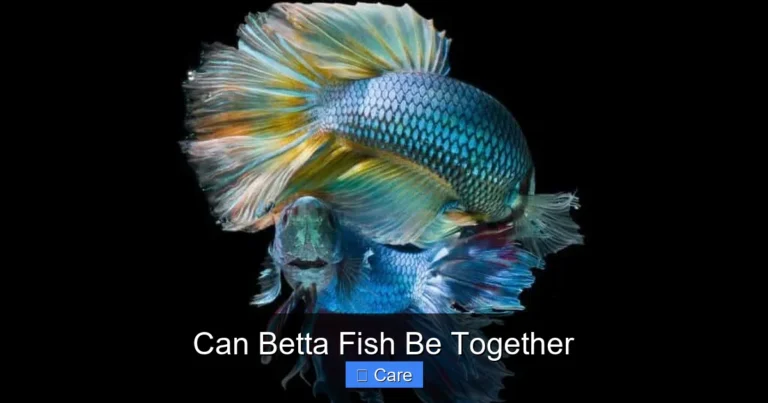
Can Betta Fish Live With Turtles The Truth About Tank Mates

Many aquarium owners ask if a betta fish can live with turtles, but the simple truth is that this combination usually fails. Turtles grow fast, eat small fish, and create messy water that stresses delicate bettas. You should pick safer tank mates instead, or keep each pet in its own clean setup. This guide explains the risks, shares better options, and helps you protect your betta fish.
If you own a betta fish, you probably love how bold and colorful it looks. Many people also want a more interesting tank, so they wonder about adding a turtle. That idea sounds fun at first. It also raises a big question right away. Can betta fish live with turtles without trouble? The honest answer is usually no, especially in normal home aquariums.
I understand why this question comes up so often. Both animals are popular pets. Both can look amazing in a tank. But they have very different needs. When those needs clash, one pet usually suffers. In this case, the betta fish often gets the short end of the stick. So let’s walk through what really happens when you mix these two, and what you can do instead.
Key Takeaways
- Turtle and betta pairing is risky: turtles often eat small fish and outgrow small tanks quickly.
- Water quality matters most: turtles produce heavy waste, so betta fish need cleaner, warmer water.
- Tank size changes everything: small tanks create stress, so turtle and betta tank mates rarely work well.
- Temperament varies by species: some turtles are gentle, but many still view fish as food.
- Better options exist: peaceful community tank choices like snails or small shrimp may suit a betta better.
- Watch behavior closely: hiding, fin damage, and loss of color often signal stress.
- Plan before you mix: research each species, match water needs, and avoid rushed decisions.
📑 Table of Contents
Why People Ask Can Betta Fish Live With Turtles
Tank mate questions are very common in the aquarium hobby. New owners often want a busy, lively setup. They see a colorful betta fish and think it would look cute with a little turtle cruising around. That sounds charming in a picture. In real life, though, aquarium mixing is not just about appearance. It is about behavior, space, water quality, and safety.
Another reason this question keeps coming up is that turtles seem calm at first. A small turtle may sit still on a rock or swim slowly. That can make it look harmless. But calm does not always mean safe. Many turtles are opportunistic feeders. If something fits in their mouth, they may try to eat it. A betta fish can definitely fit in that category.
The good news is that asking this question shows you care. It means you want to make a smart choice. That matters a lot. A little research now can prevent stress, injury, and heartbreak later. So let’s look at the real problems that make this pairing so tricky.
Space And Tank Size Problems
One of the biggest issues is simple: turtles need room. A lot of room. Even smaller turtle species usually grow larger than people expect. They also need space to swim, bask, and turn around comfortably. Betta fish also need stable conditions, not a cramped, crowded tank. When you put both animals together, the tank often becomes too small for either one to thrive.
Small tanks create fast problems. Waste builds up quickly. Water temperature swings more easily. The fish has fewer places to hide. The turtle may also become stressed and restless. In a cramped setup, a betta fish may spend too much time in open water, which makes it more vulnerable. That is not a peaceful arrangement. It is a stressful one.
If you want a happy aquarium, start with the right size. A larger tank can help many species coexist better, but size alone does not solve everything. Behavior and diet still matter. So before you add any new animal, think about the full adult size of both pets, not just how they look today.
Turtle Diet And Betta Safety
This is where things get serious. Many turtles are omnivores, and some are strongly carnivorous. They eat insects, small fish, worms, and other protein sources. That means a betta fish may not be viewed as a tank mate at all. It may be viewed as food. Even if a turtle does not hunt actively, it can still snap at movement in the water.
Bettas are not exactly speedy escape artists. They are beautiful, but they are not built for constant dodging. A turtle can create a lot of pressure in a shared tank. Even a curious bite can damage fins. Fin damage can lead to infection, stress, and a weaker immune system. So the risk is not only about being eaten. It is also about injury and ongoing fear.
Some owners hope that a well-fed turtle will leave the fish alone. That can happen sometimes, but it is not a guarantee. Hunger is not the only trigger. Movement, instinct, and opportunity also matter. If you want a safe environment, it is better not to rely on luck.
Water Quality And Habitat Needs
Turtles are messy. They produce a lot of waste, and that waste affects water quickly. Ammonia and nitrites can rise faster in turtle tanks, especially if the filtration is not strong enough. Betta fish prefer clean, stable water with good filtration and gentle flow. They do best when the water is not overloaded with debris or toxins.
Temperature is another important piece. Bettas are tropical fish, so they usually need warmer water. Turtles also have temperature needs, but their setup often includes both a warm water area and a dry basking spot. That does not automatically mean the two cannot share a tank, but it does mean you need to balance a lot of details carefully. If one animal’s needs get ignored, health problems can follow.
There is also the issue of decorations and layout. A betta fish likes plants, leaves, and hiding spots. Turtles may rearrange things, dig, or bulldoze through soft plants. That can leave the fish exposed. A tank that looks nice on day one may change quickly once a turtle starts exploring.
Can Betta Fish Live With Turtles In A Large Tank
A larger tank helps, but it does not make the pairing automatically safe. If the tank is big enough, well-filtered, and carefully designed, some people still try this mix. The main question then becomes behavior. Is the turtle aggressive? Is the betta stressed? Are there enough hiding places? These details matter more than many beginners expect.
Even in a bigger aquarium, the risk does not disappear. Turtles can still be unpredictable. A betta fish may still get chased or nipped. The water may still become dirty faster than it would with fish-only tank mates. So a large tank is a better starting point, but it is not a magic fix. You still need to watch the animals closely.
If you already have a large, mature setup and you are thinking about this combination, proceed with caution. Introduce nothing until you understand the turtle’s personality. Some turtles are much calmer than others. Some are constant movers. Some barely seem interested in fish. You will not know which type you have until you observe them over time.
Species Differences Matter A Lot
Not all turtles behave the same way. Some stay small. Some grow very large. Some are mostly herbivorous when adult. Others prefer protein-rich foods. That means the word “turtle” covers a lot of very different animals. It is a bit like saying “dog” and expecting every breed to act the same. You need the exact species, not just the general idea.
For example, aquatic turtles often spend a lot of time in the water. That puts them in the same space as the betta fish more often. Other turtles may spend more time basking above the waterline. That can reduce direct conflict, but it does not remove the risk entirely. The more time a turtle spends underwater, the more chances there are for trouble.
If you are considering a turtle, research its adult size, diet, and temperament first. Then compare that with the needs of your betta. If the turtle is likely to grow large, eat small animals, or constantly disturb the water, the match is probably a bad one.
Signs Your Betta Is Stressed
If you do try a shared tank, you need to watch for stress signals. Bettas are sensitive, and they often show discomfort before serious illness appears. One common sign is hiding more than usual. Another is clamped fins or dull color. A stressed betta fish may also breathe faster or stay near the surface all the time.
Feeding changes matter too. If your betta stops eating or starts competing nervously for food, something is off. You may also notice torn fins, missing scales, or constant pacing. These are warning signs. They tell you the environment is not working. Do not wait too long if you see them.
The best response is to separate the animals if possible. A quick reaction can save the fish from further harm. It is always better to catch trouble early than to hope it will pass on its own.
Better Tank Mates For Betta Fish
If your goal is a more interesting tank, there are safer ways to do it. The best betta fish tank mates are usually calm, small, and not overly flashy. You want animals that will not nip fins, chase the betta, or turn the setup into a battle zone. Peaceful bottom dwellers and slow-moving fish are often better choices than active, bold species.
Snails are one popular option because they are generally quiet and helpful with algae. Shrimp can also work in some setups, though bettas may view them as snacks. Small, peaceful fish can work too, but only if the tank is large enough and the betta is not overly aggressive. Every betta has a different personality, so there is no one-size-fits-all answer.
If you want more variety, think about adding plants and hardscape instead of more animals. Live plants can make the tank look lush and natural. They also give the betta more cover. A well-decorated tank can be just as beautiful as a crowded one, and it is often healthier too.
When A Species-Only Tank Is Best
Sometimes the best choice is simplicity. A species-only tank gives your betta the most stable environment. There is less competition. There is less waste from multiple animals. There is also less guesswork. If you enjoy watching your betta’s colors, fins, and behavior, a dedicated tank can be a great setup.
This approach is especially helpful for beginners. It reduces the number of variables you need to manage. You can focus on water quality, feeding, and decoration without worrying about turtle mess or fish conflicts. That makes the hobby easier and more enjoyable.
If you later decide you want a turtle, give it its own proper setup. That way both animals get what they need. A turtle tank should have the right filtration, basking area, lighting, and space. A betta tank should stay warm, clean, and calm. Separate setups are usually the safest and happiest choice.
Common Mistakes When Mixing Turtles And Bettas
One big mistake is assuming a baby turtle will stay small forever. Baby turtles can be adorable, but they grow. People often forget that and choose a tank based on the animal’s current size. That creates problems later. By the time the turtle gets bigger, the betta may already be living in a stressful environment.
Another mistake is focusing only on appearance. A pretty tank does not always mean a healthy one. If the animals look cute together in a photo, that does not prove they are compatible. Behavior, diet, waste, and space matter much more than looks. It is easy to get distracted by charm, but compatibility is what keeps pets safe.
A third mistake is poor filtration. Turtle waste is heavy, and bettas do not tolerate dirty water well. If the filter is too weak, the water can become toxic faster than you expect. Regular maintenance helps, but the setup still needs to be strong enough from the start. Good filtration is not optional here.
Quick Tips For Safer Aquarium Choices
- Match water needs first: make sure temperature, pH, and filtration suit both animals.
- Think adult size: plan for how large each pet will become, not just how small it is now.
- Watch behavior daily: note chasing, hiding, fin damage, or appetite changes.
- Add hiding spots: give the betta places to rest and feel secure.
- Keep it simple if unsure: a single-species tank is often the safest starting point.
- Maintain water often: test parameters and clean the tank before problems build up.
Expert Insights On Betta And Turtle Pairings
Experienced keepers usually advise caution with this mix. The reason is practical, not emotional. Turtles and bettas have different lifestyles. One is a messy, often hungry reptile with strong instincts. The other is a colorful tropical fish that needs clean water and a calm environment. Putting them together asks one animal to adapt to a setup that was never really built for it.
That does not mean every single attempt ends badly. Some setups may appear to work for a while. But “appears to work” is not the same as “is ideal.” A good aquarium should support both animals long term, not just avoid disaster for a few days. If you want the best outcome, choose compatibility over novelty.
If you are new to the hobby, it helps to start with one species and learn its needs well. Once you understand water care, feeding, and behavior, you can make better decisions about future additions. That steady approach usually leads to healthier pets and fewer regrets.
Final Thoughts On Can Betta Fish Live With Turtles
So, can betta fish live with turtles in the same tank? In many cases, the answer is no, or at least not safely without major challenges. Turtles can be too messy, too hungry, and too unpredictable for a delicate betta. Even when the pairing seems calm at first, the long-term risks often outweigh the benefits.
That does not mean you cannot have a beautiful, engaging aquarium. It just means you should choose tank mates that truly fit your betta’s needs. Safer options, better filtration, and a well-planned layout can make a huge difference. If you want a turtle, give it the dedicated home it deserves. If you want a betta, give it clean water, enough space, and peaceful company when appropriate.
The best aquarium choices are the ones that keep every animal healthy and relaxed. When you plan with that goal in mind, you set yourself up for a much better experience. Your betta will thank you with brighter color, better appetite, and more natural behavior. And that is really the whole point of good pet care.
Frequently Asked Questions
Can betta fish live with turtles in a small tank?
Usually not. Small tanks make waste build up faster and leave the betta with too little space to feel secure. A cramped setup also increases the chance of chasing and injury.
Do turtles always eat betta fish?
Not always, but many turtles will try to eat small fish if they fit in their mouth. Even if the turtle is well fed, instinct and movement can still trigger attacks.
What is the safest tank mate for a betta fish?
Peaceful, slow-moving animals are usually safer, such as certain snails or carefully chosen small fish. The best choice depends on your betta’s personality and your tank size.
Can a turtle and betta share a large aquarium?
A large aquarium lowers some risks, but it does not remove them. You still need to watch diet, behavior, filtration, and stress signs very closely.
Why do turtles make water dirty so quickly?
Turtles produce a lot of waste and often stir up the substrate. That can raise ammonia and nitrites faster than in many fish-only tanks. Strong filtration and regular cleaning help a lot.
Should I keep my betta fish alone?
Many bettas do very well in a species-only tank, especially if the tank is properly sized and decorated. A solo setup can be the simplest and safest option for beginners.