Can a Betta Fish Live Without a Heater
Betta fish thrive in warm water, but they don’t always need an electric heater. By understanding natural temperature ranges, using smart tank setups, and monitoring conditions, you can keep your betta comfortable even in cooler homes. Follow these practical steps and avoid common mistakes for a stress‑free, thriving fish.
Key Takeaways
- Optimal range: Betta fish are happiest between 76°F–82°F (24°C–28°C).
- Room temperature limits: If your home stays above 70°F (21°C) you can often skip a heater.
- Seasonal tricks: Insulating the tank and using warm‑room spots help maintain temperature.
- Risk signs: Lethargy, loss of color, or gasping indicate the water is too cold.
- Backup plans: Portable heat packs, aquarium blankets, or a small aquarium heater set on “low” can save the day.
- Regular checks: Use a reliable thermometer and log daily temps.
- Long‑term health: Consistent temperature reduces stress, disease, and shortens lifespan.
📑 Table of Contents
- Introduction: Why Temperature Matters for Betta Fish
- Understanding Betta Temperature Needs
- Can a Betta Fish Live Without a Heater? The Real Answer
- Setting Up a Heater‑Free Betta Tank
- When Temperatures Slip: Recognizing Stress Signs
- Long‑Term Health: Why Consistency Beats Convenience
- Practical Tips and Real‑World Examples
- Conclusion: Making the Best Choice for Your Betta
Introduction: Why Temperature Matters for Betta Fish
Betta fish, also known as Siamese fighting fish, are famous for their dazzling fins and feisty personalities. One of the most common questions new owners ask is, can a betta fish live without a heater? The short answer is “yes, but only under the right conditions.”
In their native Southeast Asian habitats, bettas experience warm, shallow waters that rarely dip below 75°F (24°C). In a home aquarium, keeping the water within this range is crucial for metabolism, immune function, and overall happiness. This guide walks you through the science, the practical work‑arounds, and the warning signs you need to know if you’re considering a heater‑free setup.
Understanding Betta Temperature Needs
What is the natural temperature range?
In the wild, bettas live in rice paddies, slow‑moving streams, and flooded fields where water temperature typically stays between 76°F and 82°F (24°C–28°C). Their bodies are ectothermic, meaning they rely on the surrounding water to regulate their internal temperature.

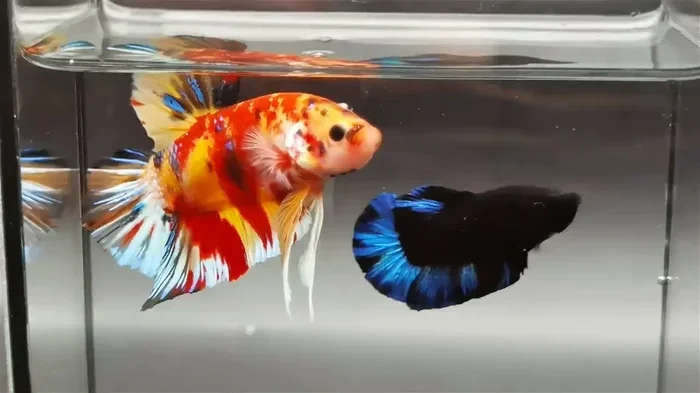
Visual guide about Can a Betta Fish Live Without a Heater
Image source: petshun.com
How temperature affects metabolism
When water is too cool, a betta’s metabolism slows down. You’ll notice reduced appetite, slower swimming, and a faded coloration. Conversely, water that’s too warm speeds up metabolism, which can lead to rapid oxygen consumption and stress.
Temperature tolerance limits
- Below 70°F (21°C): Risk of immune suppression and disease.
- Above 86°F (30°C): Increased susceptibility to parasites and reduced oxygen levels.
Staying within the 76°F–82°F window is the sweet spot for most healthy bettas.
Can a Betta Fish Live Without a Heater? The Real Answer
When it’s possible
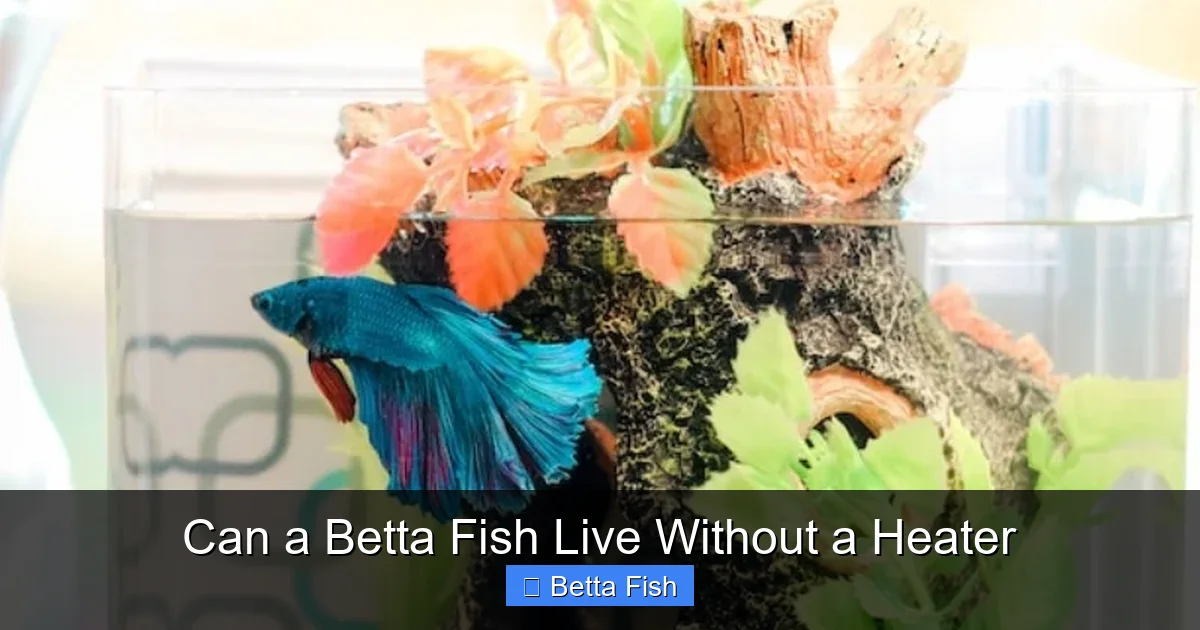
If the room where the tank sits consistently stays above 70°F (21°C), you can often get away without a heater. Many hobbyists in warm climates keep bettas in unheated tanks by placing the aquarium in a sunny spot or next to a radiator (never directly on a hot surface).
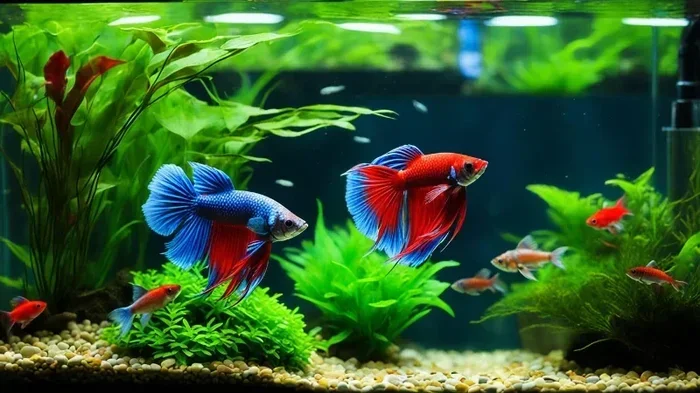
Visual guide about Can a Betta Fish Live Without a Heater
Image source: infishtank.com
When a heater is essential
In cooler homes, especially during winter months, the water will quickly drop below the safe range. In these cases, a small, adjustable heater is the safest solution. Even a low‑wattage heater set to 78°F can prevent stress.
Alternative methods to maintain warmth
Below are three heater‑free techniques that work well when room temperature is borderline:
- Insulation: Wrap the tank in a blanket, foam board, or a specialized aquarium heater pad.
- Strategic placement: Put the tank near a heat‑producing appliance (e.g., a computer or a TV) that emits gentle warmth.
- Warm water additions: Periodically add a small amount of lukewarm water (78°F) during water changes.
Setting Up a Heater‑Free Betta Tank
Choosing the right tank size
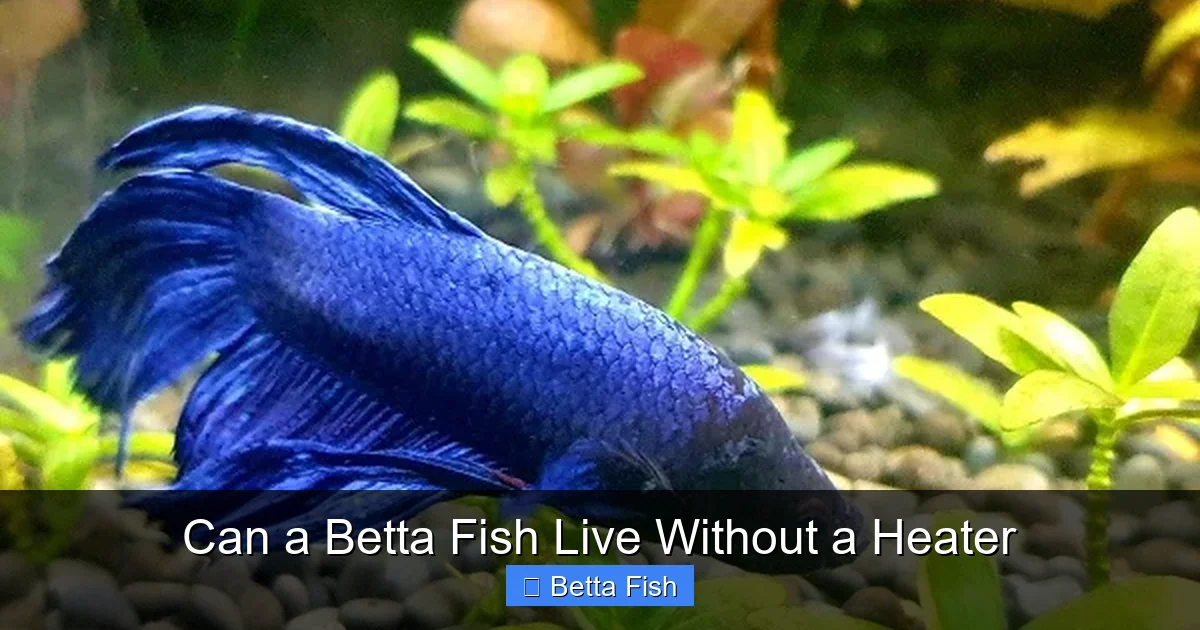
A 5‑gal (19‑liter) tank is ideal. Larger volumes buffer temperature swings better than tiny bowls, and they provide more stable water parameters overall.
Visual guide about Can a Betta Fish Live Without a Heater
Image source: blogger.googleusercontent.com
Location, location, location
Place the tank on a stable surface away from drafts, windows, and direct sunlight that could cause overheating. A spot near a wall that stays warm (like behind a couch) works wonders.
Essential equipment
- Thermometer: Digital stick‑on or floating types are inexpensive and reliable.
- Cover: Prevents temperature loss and keeps curious pets out.
- Filter (optional): While not required for temperature, a gentle filter improves water quality. See our guide on Can Betta Fish Live In A Bowl Without Filter for more details.
Daily temperature checks
Log the water temperature at the same time each day. A simple notebook or spreadsheet helps you spot trends before they become problems.
When Temperatures Slip: Recognizing Stress Signs
Behavioral changes
A betta that’s too cold will hover near the surface, move sluggishly, and may even hide under decorations. Loss of the vibrant tail sheen is another red flag.
Physical symptoms
Look for clamped fins, ragged edges, or a pale belly. Gasping at the water’s surface suggests low oxygen, often caused by cold water.
What to do if you spot problems
- Raise the water temperature gradually—add a cup of lukewarm water.
- Increase room temperature if possible (e.g., close windows, turn on a space heater).
- If symptoms persist, consider a small aquarium heater set to the lowest setting.
Long‑Term Health: Why Consistency Beats Convenience
Stress and disease correlation
Fluctuating temperatures stress the betta’s immune system, making it vulnerable to ich, velvet, and fin rot. Consistent warmth supports a robust immune response.
Impact on lifespan
Betta fish kept in stable, optimal conditions can live 3–5 years, sometimes longer. In contrast, constant temperature swings often shorten life expectancy to under two years.
Balancing cost and care
While a heater is a modest investment, the cost of treating disease or replacing a dead fish far outweighs the price of a reliable, energy‑efficient model.
Practical Tips and Real‑World Examples
Case Study: Sarah’s Winter Betta
Sarah lives in a 60°F (16°C) apartment. She placed her 5‑gal betta tank on a bookshelf next to a radiator that kept the room at 68°F (20°C). By wrapping the tank in a fleece blanket and adding a small heated pebble during night‑time, her betta stayed healthy without a permanent heater. She logs daily temps and adjusts the blanket thickness as needed.
Tip: Use a “thermal mass”
A sealed bottle of water (room temperature) placed inside the tank acts as a heat reservoir, slowly releasing warmth when the room cools.
Tip: Seasonal adjustments
During summer, remove the blanket to avoid overheating. In winter, add a second layer or a low‑watt heat lamp (kept at a safe distance).
Conclusion: Making the Best Choice for Your Betta
So, can a betta fish live without a heater? Yes—provided you can maintain a stable water temperature within the 76°F–82°F range using room heat, insulation, and vigilant monitoring. If your home’s ambient temperature frequently dips below 70°F, a small, reliable heater is the safest route.
Remember, the goal is consistency. Whether you choose a heater‑free setup or a low‑watt heater, keep a close eye on temperature, watch for stress signs, and adjust your environment as seasons change. Your betta will thank you with bright colors, energetic swims, and many happy years by your side.
Frequently Asked Questions
Can I keep a betta in a room that stays at 65°F (18°C) without a heater?
No. At 65°F the water will quickly become too cold, leading to stress and illness. A heater or significant insulation is needed to raise the temperature.
How often should I check my betta’s tank temperature?
Check at least once a day, preferably at the same time each day. During extreme weather changes, check twice daily.
Is a blanket enough to keep the water warm in winter?
A blanket helps, but you should combine it with other methods like a warm room spot or a thermal mass. Monitor the temperature to ensure it stays in range.
Can I use a regular household heater to warm the tank?
Never place a household heater directly in the water. Use an aquarium‑specific heater or a safe external heat source that doesn’t risk electric shock.
What should I do if my betta shows signs of cold stress?
Gradually raise the water temperature with lukewarm water, improve room heating, and consider adding a low‑watt aquarium heater set to the lowest safe setting.
Will a betta survive long‑term without a heater if I move the tank outdoors in summer?
Outdoors can be risky due to temperature spikes and drafts. If you keep the tank outside, use a shade cover and monitor temps closely; a small heater may still be needed on cooler evenings.