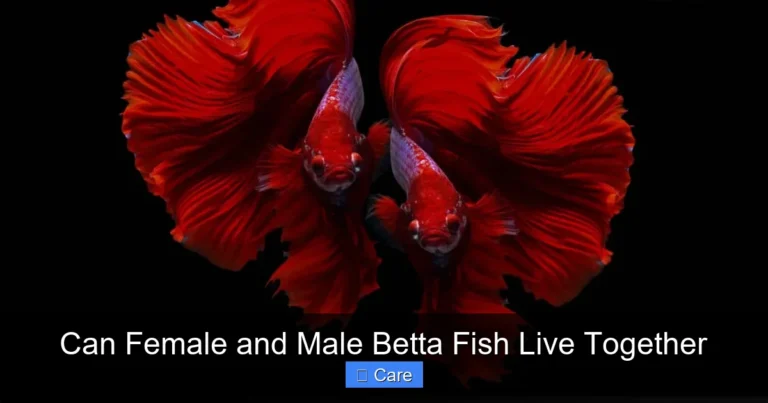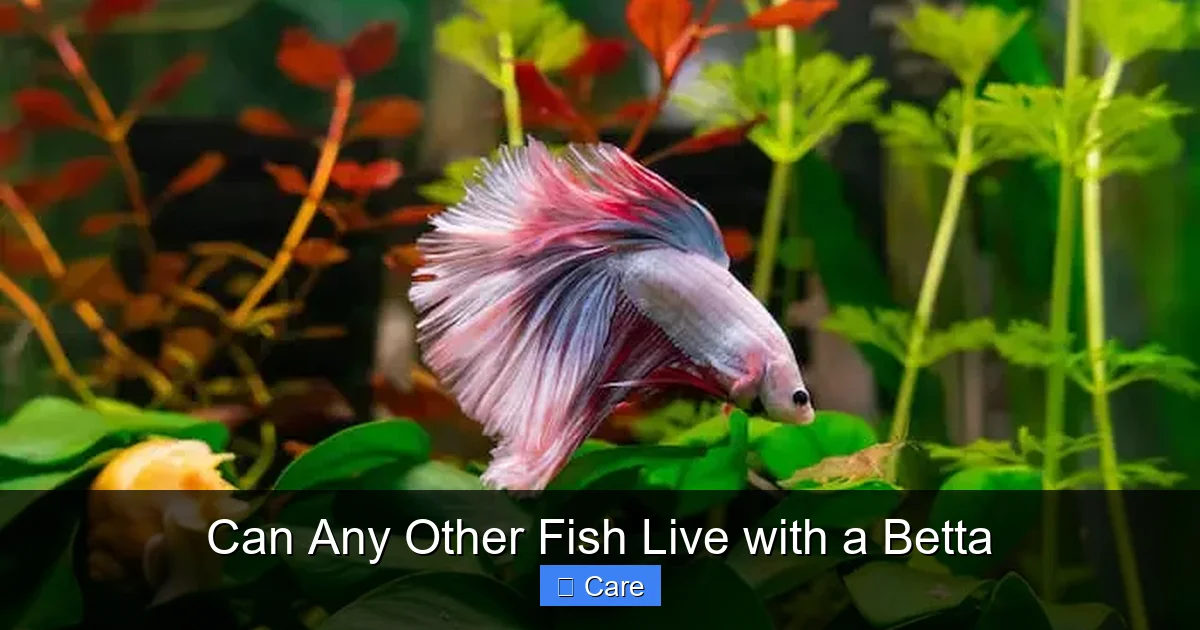
Can Any Other Fish Live with a Betta
Yes, a betta fish can live with other fish, but success depends entirely on the individual betta’s temperament and careful species selection. You must choose peaceful, non-flashy tank mates from the right environments, provide a heavily planted, spacious tank (minimum 20 gallons), and have a backup plan. Avoid other long-finned or brightly colored fish that trigger aggression, and always monitor interactions closely after introduction.
So, you’ve fallen in love with the stunning, flowing fins and vibrant colors of a Betta splendens. You’ve set up a beautiful tank, maybe with a few silk plants and a cozy hideaway. But then a thought creeps in: is my betta lonely? Can any other fish live with a betta? It’s one of the most common questions in the aquarium hobby, and the answer is a definitive… maybe. The reputation of the “Siamese fighting fish” precedes it, but with careful planning, the right environment, and a deep understanding of your individual betta’s personality, a community tank can be a thriving success. This guide will walk you through everything you need to know to make an informed, safe decision about whether your betta should have roommates.
Key Takeaways
- Your Betta’s Personality is Everything: Some bettas are docile community fish, while others are intensely aggressive. There is no guarantee, so you must observe your specific fish.
- Tank Size is Non-Negotiable: A true community tank with a betta requires a minimum of 20 gallons. Smaller tanks increase stress and aggression, making cohabitation unsafe.
- Choose “Boring” and “Hardy” Tank Mates: Ideal companions are fast-moving, short-finned, non-brightly colored fish from cooler water regions that occupy different tank levels, like certain rasboras, Corydoras catfish, or Kuhli loaches.
- Avoid Fin-Nippers and Flashy Rivals: Never house bettas with guppies, fancy guppies, male swordtails, or any fish with long, flowing fins that resemble another betta. Also avoid brightly colored fish that may be seen as rivals.
- Invertebrates are a Great Starting Point: Ghost shrimp, Amano shrimp, and nerite snails are often excellent first tank mates due to their different biology and low threat profile, but individual bettas may still eat them.
- The Environment is Your Best Tool: A heavily planted tank with vertical hides, driftwood, and broken lines of sight is crucial to reduce stress and provide escape routes for potential tank mates.
- Always Have a Plan B: Before adding any tank mate, ensure you have a separate, cycled hospital tank ready to house the new fish or your betta if aggression occurs.
📑 Table of Contents
- Understanding the Betta’s Reputation and Temperament
- The Golden Rules: Prerequisites for a Betta Community Tank
- Ideal Tank Mate Profiles: The “Safe” Candidates
- Fish to Absolutely Avoid: The Danger List
- Tank Setup and the Critical Introduction Process
- Common Mistakes and Troubleshooting
- The Final Word: Is It Worth the Risk?
Understanding the Betta’s Reputation and Temperament
To answer “can any other fish live with a betta,” we must first understand *why* they have such a fierce reputation. Bettas are anabantoids, meaning they possess a labyrinth organ that allows them to breathe atmospheric air. In the wild, they are not solitary monsters; they are territorial. They defend small patches of reeds and shallow ponds, especially during breeding season. The aggression we see in the hobby is largely a result of centuries of selective breeding for fighting. However, this doesn’t mean every betta is a killer. Their temperament exists on a vast spectrum.
The Spectrum of Betta Personalities
You can broadly categorize bettas into three personality types:
- The docile community citizen: This betta is curious but not aggressive. It may flare occasionally at its reflection but ignores passing fish. It will often rest alongside other species without issue.
- The reactive brawler: This is the most common type. This betta will flare at anything that moves, especially flashy or long-finned fish. It might chase but usually gives up if the other fish is fast and the tank is large enough with plenty of hides.
- The relentless aggressor: This betta is the exception that proves the rule. It will relentlessly target, nip fins, and potentially kill any other fish introduced, regardless of tank size or setup. This betta must live alone.
The key takeaway is that you cannot predict which type you’ll get. You must observe your betta in its own tank for at least a week before even considering tank mates. Does it constantly flare at you? Does it pace the glass? Does it ignore its reflection? These are initial clues.
The Golden Rules: Prerequisites for a Betta Community Tank
Before you even think about a specific species, your tank setup must meet these non-negotiable criteria. Ignoring these is the number one reason betta tank mate attempts fail.
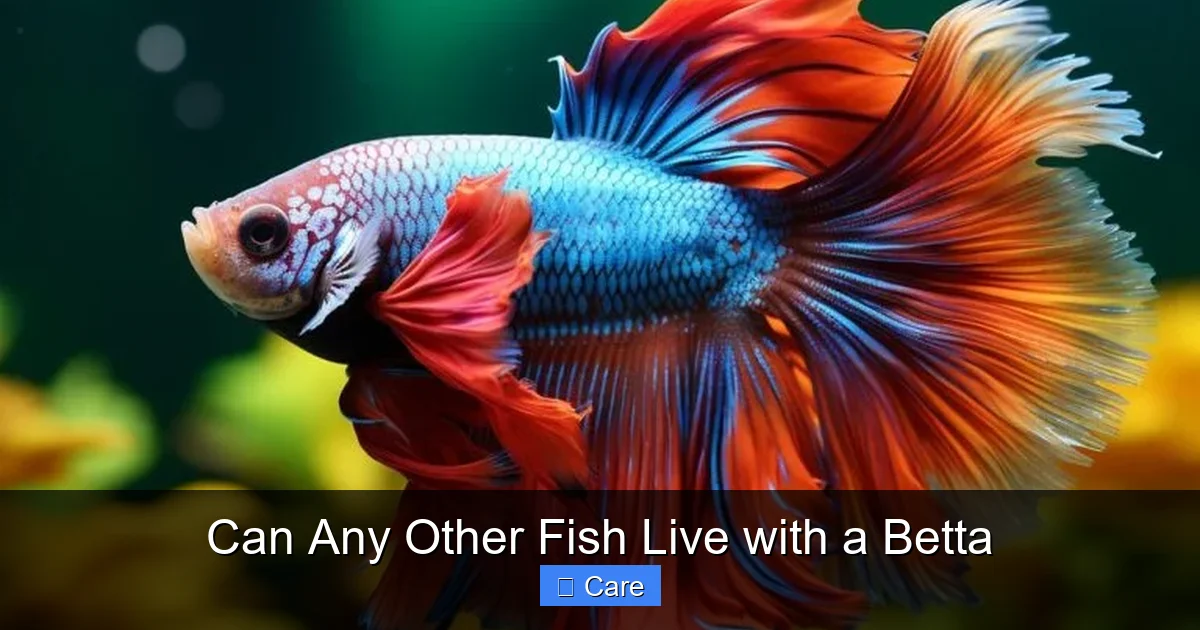
Visual guide about Can Any Other Fish Live with a Betta
Image source: fishkeepingadvice.com
Tank Size: Bigger is Infinitely Better
The single most critical factor is space. A common misconception is that a betta can live in a small 5-gallon “community” tank. This is a recipe for disaster. A stressed betta in a cramped space will be more aggressive. For any chance of success, you need a minimum of 20 gallons. A 20-gallon long provides a larger footprint (surface area) than a tall 20-gallon, which is better for most tropical fish. A 29-gallon or larger is even more ideal. This space allows fish to establish their own territories and avoid each other.
Heavy Planting and Abundant Hiding Spots
Your tank must look like a jungle, not an aquarium. The goal is to break the line of sight. Use a combination of:
- Live plants: Java fern, Anubias, Cryptocorynes, Amazon swords. They provide the best cover.
- Tall artificial plants: Silk plants that reach the surface give mid-level fish places to dart through.
- Driftwood and rock piles: Create caves and shaded areas.
- Terracotta pots and PVC pipes: Simple, effective hides.
The betta needs its own territory, usually among floating plants or near the top. The other fish need their own safe zones in the mid and lower levels. A open, barren tank is a boxing ring with no escape.
Cycled, Stable Water Parameters
This should be obvious, but it’s vital. Your tank must be fully cycled (established nitrogen cycle) with stable parameters. Bettas are tropical fish from warm, shallow waters. A stable temperature between 78°F and 80°F (25.5°C – 27°C) is ideal. However, many excellent tank mates (like some rasboras or Corydoras) prefer slightly cooler water. You must find a compromise, usually around 78°F, which is acceptable for most hardy community fish. Poor water quality stresses all fish and lowers aggression thresholds.
Ideal Tank Mate Profiles: The “Safe” Candidates
Now we get to the core question: what fish actually have a chance? The best candidates share these traits: they are fast-moving, short-finned, non-brightly colored (no reds or blues that rival a betta), peaceful, and occupy a different swimming level. They should also be hardy enough to handle a betta’s potential initial curiosity.
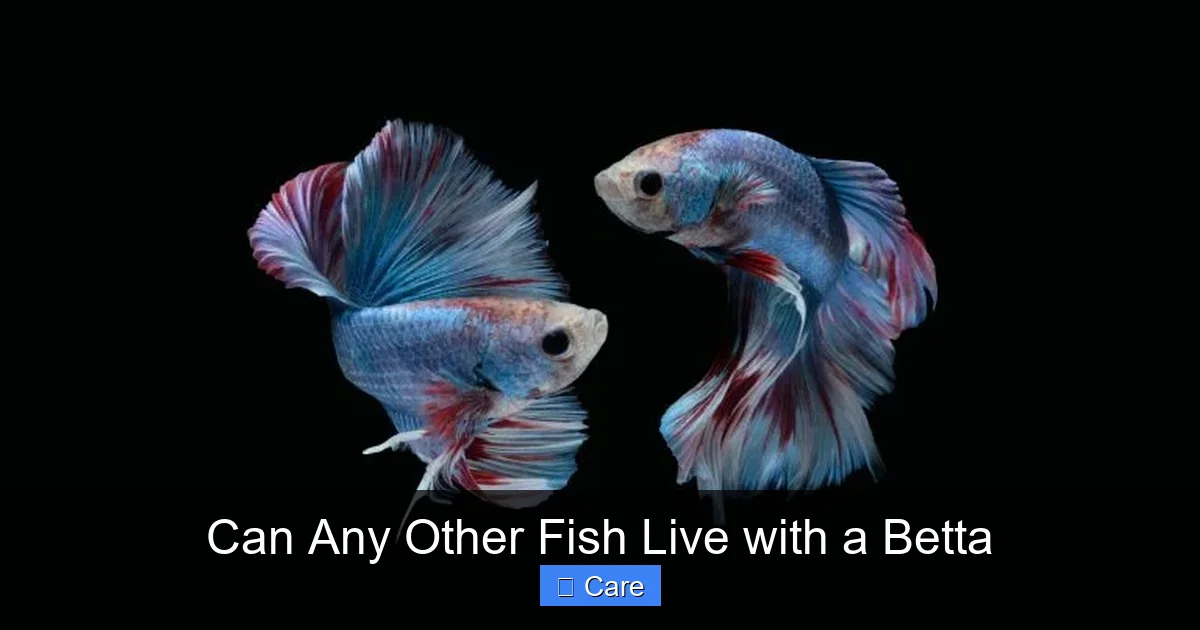
Visual guide about Can Any Other Fish Live with a Betta
Image source: fishkeepingadvice.com
Top Tier: The Most Reliable Choices
- Kuhli Loaches (Pangio kuhlii): These fascinating, eel-like fish are nocturnal and spend the day burrowed in the substrate or hiding under decorations. They are completely oblivious to the betta and occupy the very bottom. They are a fantastic, unique addition. Keep them in groups of 5+.
- Corydoras Catfish (Cory Cats): The classic bottom-feeder. These small, armored catfish are endlessly entertaining in groups (6+). They are fast when needed and have bony plates that deter most nipping. They sift sand for food and are completely peaceful. Pygmy and Salt and Pepper Corys are great for smaller tanks.
- Harlequin Rasboras (Trigonostigma heteromorpha) & Lambchop Rasboras (Trigonostigma espei): These are arguably the best fish for a betta community. They are fast, schooling fish that stay in the mid-upper levels. Their orange/black coloration is not as provocative as bright blue or red. They are hardy and active, keeping to themselves in a school of 8+.
- Ember Tetras (Hyphessobrycon amandae): Tiny, fiery orange fish that are surprisingly good with bettas. Their small size and speed make them difficult targets. They school beautifully in the mid-levels. A school of 10+ in a 20+ gallon tank is a sight to behold and generally leaves bettas alone.
- Bristlenose Plecos (Ancistrus sp.): A small, armored pleco (4-5 inches max). They are algae-eaters that stick to the glass or driftwood. Their camouflage and armor make them uninteresting to most bettas. They produce a lot of waste, so a strong filter is needed.
The Invertebrate Option: Shrimp and Snails
Invertebrates are often the safest first step because they are biologically different from fish. However, there are no absolutes.
- Ghost Shrimp / Amano Shrimp: Ghost shrimp are transparent and excellent scavengers. Amano shrimp are larger, hardy algae-eaters. They are fast and can often evade a curious betta. However, a particularly aggressive betta may see them as a snack. Always introduce shrimp first to let them establish territory.
- Nerite Snails: The best snail choice. They have a heavy, rounded shell that is difficult to crush and they do not reproduce in freshwater. They are excellent algae-eaters. Most bettas will ignore them, though some may investigate. Avoid small apple snails or mystery snails, as their long tentacles can be tempting targets.
Other Notable Mentions (With Caution)
- White Cloud Mountain Minnows: Cold-water fish (prefer 72°F). They can work at 78°F but may have a shortened lifespan. They are fast, active, and schooling. Their pale coloration is less provocative. A school of 6+ is recommended.
- African Dwarf Frogs: These are aquatic frogs, not to be confused with Clawed Frogs. They are peaceful, occupy the bottom-mid levels, and have a different breathing method (they surface for air like bettas). They can be a fascinating combo, but both species may compete for prime real estate at the water’s surface. Must be in a well-planted 20+ gallon tank.
Fish to Absolutely Avoid: The Danger List
Just as important as knowing who might work is knowing who will definitely fail. This list is not exhaustive, but it covers the most common mistakes.

Visual guide about Can Any Other Fish Live with a Betta
Image source: aniimad.com
Any Fish with Long, Flowing Fins
This is the cardinal rule. Bettas are triggered by the visual stimulus of long fins, which they perceive as a rival male betta. This includes:
- Guppies (especially fancy males): Their elaborate caudal fins are a perfect trigger. Even females with large fins can be targeted.
- Fancy male Swordtails & Platies: The swordtail extension is a major red flag.
- Fantail or Veiltail Goldfish: They are also cold-water fish with completely different temperature needs, but their fins make them a target.
- Any other long-finned tetra or barb variety.
Fin-Nipping Species
Some fish are notorious for nipping the long, delicate fins of bettas, causing stress, infection, and death.
- Tiger Barbs: The classic fin-nipper. They will relentlessly harass a betta.
- Serpae Tetras: Known to be nippy, especially in smaller groups.
- Most other “active” tetras in small schools.
Brightly Colored or “Flashy” Fish
Bettas are visually oriented. Fish with intense reds, blues, or iridescence can be seen as rivals.
- Male Guppies (again): Their bright colors are a dual threat.
- Cardinal Tetras: Their brilliant blue/red stripe can provoke a flare.
- Male Betta splendens: This should be obvious. Two male bettas will fight to the death. Even a female betta can be aggressive toward a male or another female in a small tank.
Fish with Different Water Parameter Needs
Don’t force compatibility where the water chemistry won’t allow it.
- Most African Cichlids: Need hard, alkaline water and are often aggressive themselves.
- Discus: Need very warm, soft, acidic water and pristine conditions.
- Goldfish: Cold-water fish that produce massive amounts of waste. Incompatible on every level.
Tank Setup and the Critical Introduction Process
You’ve chosen a 20-gallon long, planted it densely, and selected a school of harlequin rasboras. Now what? The introduction is a delicate process that can make or break the entire endeavor.
Step 1: The Quarantine Tank
Never, ever add a new fish directly to your display tank. You must have a separate, cycled quarantine tank (10 gallons is fine). Observe all new fish for 2-4 weeks for signs of disease (ich, velvet, fungal infections). This protects your entire ecosystem and your betta. Treat any issues in quarantine before the main introduction.
Step 2: Rearranging the “Battlefield”
On the day of introduction, completely rearrange the decorations in the main tank. Move rocks, driftwood, and plants to create new territories. This disrupts the betta’s established territory and makes the tank feel “new” to everyone. It also eliminates any pre-established dominance hierarchies based on old decor.
Step 3: The Acclimation and Observation
Use a drip acclimation method to slowly introduce the new fish to your tank’s water parameters. Once acclimated, use a divider (like a breeding box or a custom acrylic divider) to place the new fish in one section of the tank for 24-48 hours. This allows them to see and smell each other without physical contact. Observe the betta’s reaction. Intense, relentless flaring and charging at the divider is a bad sign.
If the betta seems curious but not homicidal, you can proceed. Have a net and a backup tank ready. Release the new fish near the opposite end of the tank from the betta’s favorite spot. Watch for at least an hour. Chasing that lasts more than a few minutes and results in the betta cornering the other fish is a failure. Occasional flaring and brief chases that the other fish easily escape from can be normal territory establishment.
Step 4: The First 72 Hours
The first three days are the most critical. Watch for signs of stress in the new fish (hiding constantly, not eating, rapid breathing) and signs of relentless pursuit from the betta. Be prepared to separate them immediately if needed. Provide lots of food for all fish to distract from territorial disputes.
Common Mistakes and Troubleshooting
Even with the best planning, things can go wrong. Here’s how to diagnose and address common issues.
“My betta is flaring at the new fish but not chasing.”
This is often normal initial behavior. As long as the other fish is not being stressed (hiding 24/7, losing color, frayed fins), the betta may just be asserting boundaries. Monitor closely for a week. If flaring decreases and the fish ignore each other, it’s likely a successful introduction.
“The betta chased the new fish at first but now they swim together.”
Excellent! This is a great sign of compatibility. The initial chase was likely a territorial claim, and the betta has accepted the new fish as part of the scenery.
“My betta is constantly chasing [specific fish].”
This is a problem. Identify the victim. Is it always the same fish? That fish may be particularly slow or provocative. If it’s the whole school, your betta is likely too aggressive for this community. You must separate them. The chased fish is living in constant stress and will eventually die from exhaustion or injury.
“My betta flares at its own reflection all the time. Will it hurt tank mates?”
Flaring at reflections is a separate issue from aggression toward other fish. It’s often a sign of boredom or a overly territorial betta. A well-planted, busy tank with real distractions (tank mates, floating plants) often reduces reflection-flaring. It doesn’t automatically mean it will be aggressive to other fish, but it is a warning sign of a possessive personality.
“Can I keep a betta with other bettas?”
Never. Male bettas will fight to the death. Female bettas can sometimes be kept in a “sorority” (group of 4-5+ females) in a large, heavily planted 40+ gallon tank with ample hiding spots, but this is advanced and requires constant monitoring for bullying. It is not recommended for beginners. A male and female should only be together for breeding under strict, supervised conditions.
The Final Word: Is It Worth the Risk?
So, can any other fish live with a betta? The honest answer is: some can, with a lot of work, space, and a bit of luck. There is no 100% safe list because bettas are individuals. For every story of a peaceful betta living with ember tetras, there’s a story of a betta that hunted a ghost shrimp to its grave.
If you are a beginner, the safest and kindest path is to keep your betta as a solitary king or queen of its own well-planted 5+ gallon tank. They are incredibly interactive and will learn to recognize you, follow your finger, and even perform. They do not get lonely in the way humans do.
If you are set on a community, you must be willing to invest in a larger tank (20+ gallons), dense planting, and have a strict quarantine and observation protocol. Start with invertebrates like nerite snails or a small group of Amano shrimp. If your betta ignores them, you can cautiously consider adding a school of the recommended fish like harlequin rasboras or Corydoras catfish. Always, always have a backup plan. The welfare of all your fish must come before the aesthetic of a community tank.
Ultimately, a successful betta community is a testament to thoughtful aquascaping, careful species selection, and a deep understanding of your unique betta’s personality. It’s a rewarding challenge for the dedicated hobbyist, but solitude is the default, safest, and often happiest life for a betta.
Frequently Asked Questions
Can a betta live with guppies?
No, this is one of the most common and dangerous pairings. Male guppies have long, colorful fins that trigger a betta’s aggression. The betta will likely chase and nip the guppy, causing severe stress and injury.
What is the smallest tank I can use for a betta with tank mates?
For any realistic chance of success, a 20-gallon long tank is the absolute minimum. Smaller tanks like 5 or 10 gallons do not provide enough space for fish to establish separate territories, leading to constant stress and aggression.
Are betta fish lonely by themselves?
No. Bettas are solitary by nature in the wild, defending small territories. They do not school or seek out social companionship like many fish. A well-enriched, appropriately sized tank with hiding places and a consistent routine is all a betta needs to be happy and healthy.
Can I put a female betta with other fish?
Yes, female bettas are often less aggressive than males and can sometimes make excellent community fish. However, their temperament still varies. The same rules apply: a large, planted tank and peaceful, fast-moving tank mates. A sorority (group of females) requires even more space and expertise.
Will my betta eat my shrimp?
It’s possible. Shrimp like ghost shrimp or Amano shrimp are fast and often evade a non-aggressive betta. However, a curious or aggressive betta will likely see them as food. There is no guarantee, so you should be prepared for the possibility that they may become a snack.
How long should I wait to add tank mates to a new betta?
Wait at least 2-4 weeks after introducing the betta to its new tank. This allows the betta to establish its territory and for you to observe its baseline personality. Adding tank mates to a new, settling betta increases stress and aggression for everyone involved.