Can Betta Fish Live with Neon Tetras
Betta fish can sometimes share a tank with neon tetras, but success hinges on tank size, temperament, and careful planning. By providing plenty of hiding spots, monitoring behavior, and maintaining optimal water conditions, you can create a harmonious community that showcases both the betta’s flair and the tetras’ sparkle.
Key Takeaways
- Temperament matters: Male bettas are territorial; choose calm neon tetras and watch for aggression.
- Tank size is crucial: A minimum of 20 gallons gives enough space for territories and reduces stress.
- Water parameters must match: Both species thrive in 76‑80 °F (24‑27 °C) and a pH of 6.5‑7.5.
- Plenty of plants and décor: Live plants, driftwood, and caves create hiding places and break line‑of‑sight.
- Gradual introduction works best: Use a quarantine or breeder box to let fish meet before full integration.
- Regular observation is key: Spot signs of stress early—fin nipping, faded colors, or gasping.
- Alternative companions: If tetras aren’t a fit, consider shrimp, snails, or peaceful dwarf gouramis.
📑 Table of Contents
- Introduction: The Dream of a Colorful Community Tank
- Understanding the Betta’s Nature
- Neon Tetras: Small, Shimmering, and Social
- Can Betta Fish Live With Neon Tetras? The Core Question
- Setting Up a Successful Betta‑Neon Community
- Introducing Betta and Neon Tetras
- Monitoring and Troubleshooting
- Alternative Tank Mates for Betta Fish
- Frequently Overlooked Details
- Conclusion: Making the Decision
Introduction: The Dream of a Colorful Community Tank
If you’ve ever imagined a tank that glows with the electric blue of a male betta and the neon orange‑red flash of tetras, you’re not alone. Many hobbyists ask, can betta fish live with neon tetras? The answer isn’t a simple yes or no—it depends on several factors that we’ll break down step by by. In this guide, we’ll explore the biology of both species, the ideal tank environment, and practical tips to help you decide whether these two beautiful fish can become tank‑mates.
We’ll also share real‑world examples, warning signs to watch for, and what to do if things go south. By the end, you’ll have a clear roadmap for creating a safe, stunning aquarium where both betta and neon tetras can thrive.
Understanding the Betta’s Nature
Male vs. Female Betta Temperament
Male bettas (Betta splendens) are famous for their flamboyant fins and aggressive streak. In the wild, they defend small territories in shallow rice paddies, pouncing on anything that enters their space. Females are less flamboyant and generally more social, often living in loose “sorority” groups.
Visual guide about Can Betta Fish Live with Neon Tetras
Image source: petfishonline.com
What Triggers Aggression?
Betas react to:
- Bright colors that resemble other males.
- Fast‑moving fish that dart near the surface.
- Limited hiding spots that force close encounters.
- Improper water conditions that increase stress.
Understanding these triggers helps you set up a tank that reduces the chance of a betta turning on neon tetras.
Neon Tetras: Small, Shimmering, and Social
Basic Care Requirements
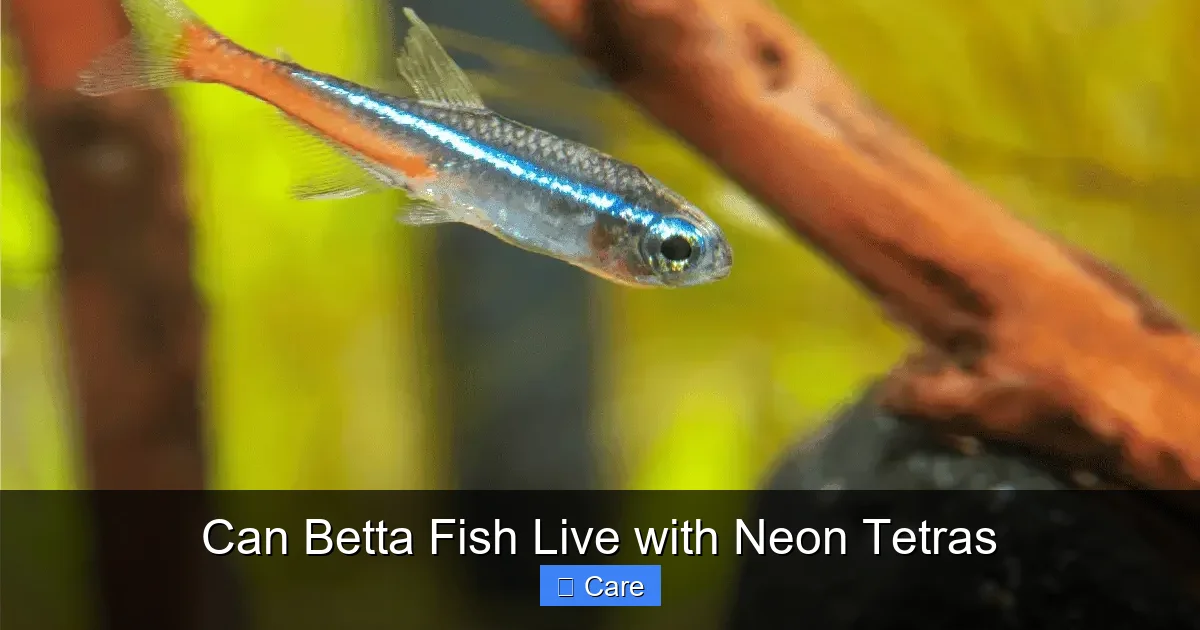
Neon tetras (Paracheirodon innesi) are tiny schooling fish that love to swim in groups of six or more. They thrive in slightly acidic, soft water (pH 6.0‑7.0) and temperatures of 72‑78 °F (22‑26 °C). Their peaceful nature makes them a staple in community tanks.
Visual guide about Can Betta Fish Live with Neon Tetras
Image source: qwikbetta.com
Why Betta Owners Love Neon Tetras
The neon tetra’s bright stripe creates a visual contrast that many hobbyists find appealing next to a betta’s flowing fins. However, the tiny size of tetras (about 1.5 inches) can also make them a target for a curious betta.
Can Betta Fish Live With Neon Tetras? The Core Question
Short answer: Yes, but only under the right conditions. Long answer: success hinges on tank size, gender of the betta, the number of tetras, and how you introduce them. Below we examine each factor in detail.
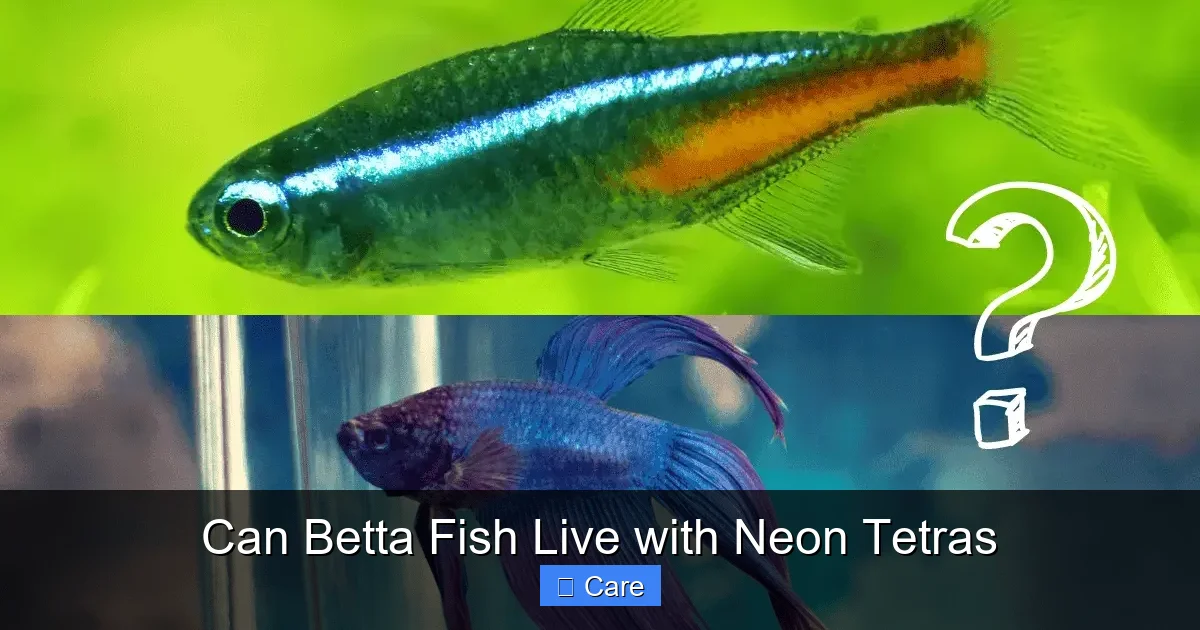
Visual guide about Can Betta Fish Live with Neon Tetras
Image source: petfishonline.com
Tank Size and Layout
Most beginners start a betta in a 5‑gallon bowl, but a community tank needs more room. Aim for at least 20 gallons (75 liters) when mixing a betta with neon tetras. This volume provides:
- Separate territories for the betta.
- Enough swimming space for a tetra school.
- Stable water parameters, which are essential for both species.
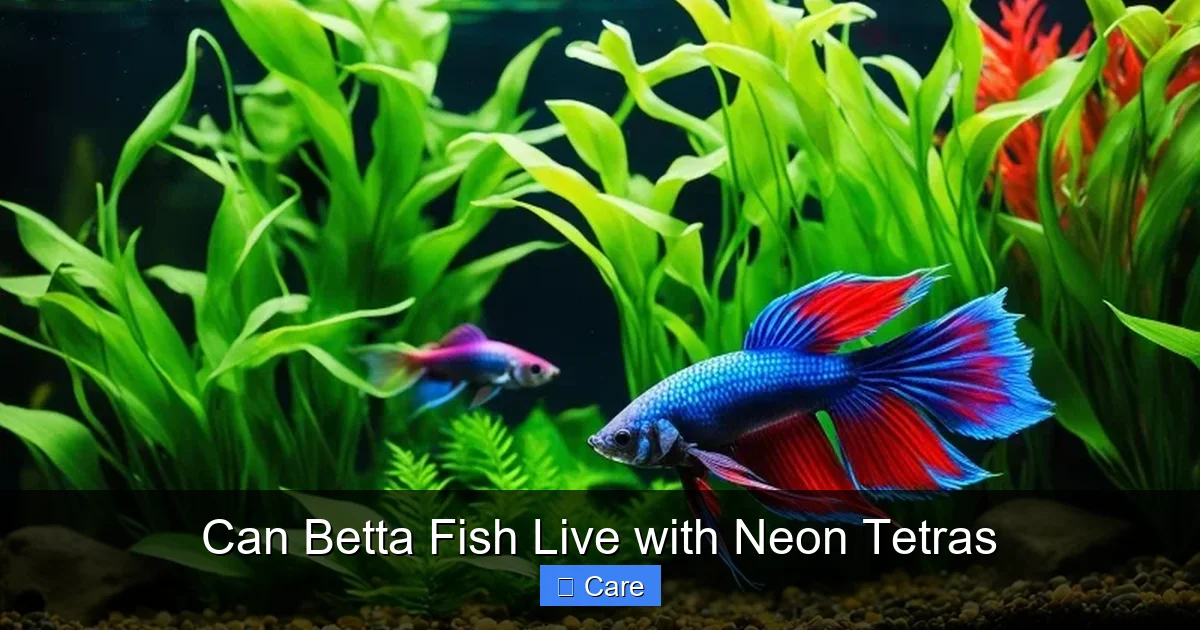
In a larger tank, you can also add plenty of vertical plants, driftwood, and caves. These structures break the line of sight, giving tetras places to hide and the betta spots to claim without feeling cramped.
Gender Matters: Male vs. Female Betta
If you’re set on keeping neon tetras, a female betta is generally a safer bet. Females are less territorial and more likely to coexist peacefully. A male betta can work, but you’ll need to be extra vigilant and may have to be ready to separate them if aggression spikes.
Number of Neon Tetras
Neon tetras are schooling fish; they feel confident and less stressed when in groups of six or more. A larger school also dilutes the chance that a betta will focus on a single individual. In a 20‑gallon tank, a group of 8‑10 neon tetras is ideal.
Water Parameter Compatibility
Both betta and neon tetras prefer:
- Temperature: 76‑80 °F (24‑27 °C) – a sweet spot for both.
- pH: 6.5‑7.5 – slightly acidic to neutral.
- Hardness: 3‑8 dGH – soft to moderately soft water.
Keeping these parameters stable reduces stress and the likelihood of aggression.
Setting Up a Successful Betta‑Neon Community
Choosing the Right Tank
Start with a 20‑gallon long or a 30‑gallon tank if you have the space. Long tanks provide more horizontal swimming area, which benefits tetras, while the height gives the betta room to display its fins.
Decor and Plants
Live plants such as Java moss, Anubias, and Vallisneria are excellent choices. They provide:
- Cover for tetras to hide.
- Surface area for beneficial bacteria.
- Aesthetic contrast that highlights the betta’s colors.
Supplement live plants with artificial décor like driftwood, caves, and ceramic pots. The goal is to create multiple “zones” so the betta can claim a spot without feeling threatened by the tetras.
Filtration and Flow
Betas prefer gentle water movement. Use a sponge filter or a hang‑on‑back filter with a spray bar adjusted to a low flow. Strong currents can stress both species and may cause the betta to nip at the tetras.
Lighting
Provide 8‑10 hours of subdued lighting daily. Neon tetras love a slightly dimmer environment that mimics their natural shaded streams. A dimmer also reduces the betta’s visibility of the tetras, decreasing the chance of territorial displays.
Introducing Betta and Neon Tetras
Quarantine First
Always quarantine new fish for at least two weeks. This prevents disease spread and gives you a chance to observe the betta’s temperament without the added stress of a new species.
Use a Breeder Box
Place the neon tetras in a breeder (or “hospital”) box inside the main tank. This lets them acclimate to the water while keeping them safe from direct contact. After 24‑48 hours, watch for any signs of aggression.
Gradual Release
If the betta remains calm, slowly open the box’s door and let the tetras explore. Keep an eye on the betta’s fins—if it flares or darts at the tetras, be ready to intervene.
Monitoring and Troubleshooting
Signs of Compatibility
- Betta displays but does not chase.
- Neon tetras swim confidently in the middle of the tank.
- Both species eat well and show normal coloration.
Red Flags
- Betta repeatedly flares at a specific tetra.
- Tetras hide constantly or show torn fins.
- One or both species become lethargic or lose color.
If you notice any red flags, consider separating the betta into a divided tank or moving the tetras to a dedicated community tank.
When to Separate
Even with perfect setup, some bettas simply cannot coexist with tetras. It’s better to part ways than to risk injury. A divided tank or a separate 10‑gallon tank for the betta can preserve both fish’s health.
Alternative Tank Mates for Betta Fish
If neon tetras prove too risky, there are other peaceful companions that often get along well with bettas:
- Small, bottom‑dwelling shrimp (e.g., Can Betta Fish Live With Shrimp).
- Snails such as Nerite or Mystery snails (Can Betta Fish Live With Snails).
- Peaceful dwarf gouramis or rasboras.
These species occupy different tank levels and are less likely to trigger a betta’s territorial instincts.
Frequently Overlooked Details
Feeding Practices
Feed bettas high‑quality pellets or frozen foods once or twice daily. Neon tetras prefer small flake foods or micro‑worms. Feed in separate corners of the tank to reduce competition and prevent the betta from stealing all the food.
Regular Water Changes
Perform 25‑30% water changes weekly. This maintains water quality, which is crucial for both species’ health and reduces stress‑induced aggression.
Seasonal Adjustments
During warmer months, keep an eye on temperature spikes. Use a reliable aquarium heater and thermometer to stay within the 76‑80 °F range.
Conclusion: Making the Decision
So, can betta fish live with neon tetras? Yes—provided you give them enough space, stable water conditions, and plenty of hiding places, and you choose a calm betta (preferably female) and a healthy school of tetras. The process requires patience, observation, and a willingness to adjust or separate if aggression appears.
When done right, the result is a dazzling display of flowing fins and neon flashes that can become the centerpiece of any home aquarium. If you’re new to the hobby, start with a single betta in its own tank, master its care, then graduate to a community setup with careful planning. Happy fishkeeping!
Frequently Asked Questions
Can a male betta live with neon tetras?
Yes, but it’s riskier than using a female. Male bettas are more territorial, so you’ll need a larger tank, plenty of décor, and close monitoring for aggression.
Do neon tetras need a specific number to feel safe?
Neon tetras are schooling fish and should be kept in groups of at least six. A larger school (8‑10) further reduces stress and the chance of a betta targeting a single fish.
What temperature works best for both betta and neon tetras?
Both species thrive at 76‑80 °F (24‑27 °C). Maintaining this range keeps them comfortable and minimizes stress‑related aggression.
Can I keep other tetra species with a betta?
Yes, many smaller tetras can coexist with bettas. See our guide on Can Tetra Fish Live With Betta Fish for more options and tips.
What should I do if the betta starts fin‑nipping?
Immediately separate the fish using a tank divider or a breeder box. Perform a water change, observe behavior for a few days, and consider re‑homing the betta if aggression continues.
Are there any plants that help reduce betta aggression?
Fast‑growing plants like Java moss, Anubias, and Cryptocoryne create dense cover that breaks line‑of‑sight, giving both betta and tetras places to hide and reducing territorial confrontations.