Is My Betta Fish Dead or Sleeping Here Is How to Tell
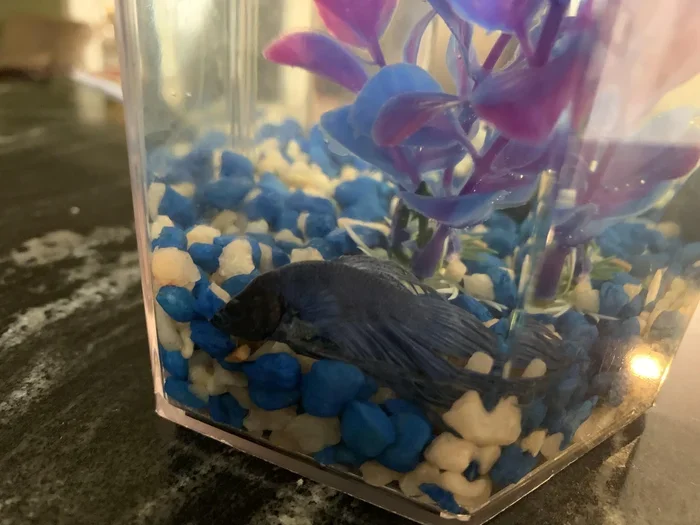
It can be scary when your betta fish stays still. You might worry and ask, is my betta fish dead or sleeping. We will help you spot the difference between rest and death. You will learn simple checks to keep your fish safe.
Key Takeaways
- Check for breathing: Look closely at the gills to see if they move.
- Observe body position: Sleeping fish often rest on leaves or the bottom.
- Test responsiveness: Gently tap the tank to see if your fish reacts.
- Monitor water quality: Poor water can make fish act sick or lethargic.
- Know the signs of death: Floating upside down or no gill movement means death.
- Act quickly: If unsure, test water and improve conditions immediately.
- Prevention matters: Keep water warm and clean to avoid health issues.
📑 Table of Contents
- Is My Betta Fish Dead or Sleeping Here Is How to Tell
- Checking for Breathing and Movement
- Understanding Betta Fish Sleep Patterns
- Physical Signs of Life vs. Death
- Water Quality and Environmental Factors
- Common Mistakes Owners Make
- What to Do If You Find a Still Fish
- Expert Insights on Betta Behavior
- Key Takeaways for Betta Care
Is My Betta Fish Dead or Sleeping Here Is How to Tell
It is very scary when your fish stops moving. You might look at the tank and worry. You ask yourself, is my betta fish dead or sleeping. This is a common fear for many owners. Betta fish are quiet pets. They do not bark or meow. So, silence can feel wrong. But bettas sleep just like we do. They need rest. Sometimes they look very still. This does not mean they are gone. You need to know the signs. We will help you figure this out. You will learn what to look for. You can save your fish if it is sick. You can also relax if it is just resting.
Bettas are hardy fish. But they are also sensitive. Water quality matters a lot. Temperature matters too. If things are wrong, they get weak. They might hide. They might stop eating. This looks like death. But it could be illness. Or it could be sleep. Knowing the difference is key. You want to be a good owner. You want your fish to live long. Let us dive into the details. We will show you simple tests. You can do these at home. No special tools are needed. Just your eyes and care.
Checking for Breathing and Movement
The first thing to check is breathing. This is the most important sign. A sleeping fish still breathes. A dead fish does not. You need to look very close. The gills move water. They pump oxygen. This happens fast. Sometimes it is hard to see. Turn off the lights. Shine a small light on the tank. Look at the side of the head. Watch the gill covers. They should open and close. If you see this, your fish is alive.
Movement is another clue. Sleeping fish move slowly. They might twitch. They might shift position. Dead fish stay still. They do not twitch. But wait, some dead fish float. Some sink. So position matters too. A sleeping betta might hover. They might rest on a leaf. They might lie on the sand. This is normal. They save energy this way. Do not panic if they are low. Just check the gills first.
How to Spot Gill Movement
Gill movement can be subtle. You might miss it at first. Stand close to the tank. Block outside light. This makes the water clearer. Look for ripples near the head. Watch for the flap of the gill plate. It moves like a small door. It opens and shuts. If you see this, breathe easy. Your fish is breathing. It is likely sleeping or resting. If you see nothing for five minutes, worry more. Check again later. Sometimes they hide in plants.
Testing Responsiveness
You can also test your fish. Do not hit the glass hard. Just tap gently. Use your finger. Tap the side of the tank. A sleeping fish might wake up. It might swim away. It might flare its fins. A dead fish will not react. It will not move at all. You can also dim the lights. Then turn them on bright. Fish often react to light changes. They become active. If your fish stays still, check water temp. Cold water makes them slow.
Understanding Betta Fish Sleep Patterns
Bettas have unique sleep habits. They do not sleep like humans. They do not close eyes. They have no eyelids. So their eyes stay open. This scares owners. They think the fish is staring at death. But open eyes are normal. Bettas rest during the night. They also nap during the day. They need darkness to rest well. Keep a light schedule. Turn lights off at night. This helps them sleep.
When bettas sleep, they look pale. Their colors might fade. This is temporary. When they wake up, colors come back. They look bright again. This is a good sign. If colors stay dull, it might be stress. Or it could be illness. Sleep is restorative. It helps them grow. It helps them heal. Give them a quiet place. Do not tap the tank too much. Let them rest in peace.
Signs of a Resting Betta
Resting bettas look calm. They float gently. They might use a leaf hammock. Many owners buy sleep leaves. These are great for bettas. The fish rests on top. It feels safe. You might see them there often. This is a happy sign. It means they feel secure. They are not hiding in fear. They are choosing to rest. This is good behavior. It shows they are comfortable.
Physical Signs of Life vs. Death
Body position tells a story. A sleeping fish stays upright. Its head is up. Its tail is down. Or it floats horizontally. A dead fish often flips. It floats upside down. This is a common sign of death. Gases build up inside. This makes them buoyant. They turn over. If your fish is upside down, it is likely dead. But some sick fish swim weirdly. They might swim sideways. This is bad too. It means swim bladder issues.
Texture matters too. A living fish feels slimy. Their scales look smooth. A dead fish looks dry. Scales might stick out. The body might look rigid. This is rigor mortis. It happens after death. If the body is stiff, it is gone. If the body is soft, it might be alive. Touch the water gently. See if the body moves. A dead body is heavy. It sinks to the bottom. A living fish controls buoyancy.
Color Changes to Watch
Color is a health indicator. Bright colors mean health. Dull colors mean stress. White spots mean disease. Velvet or ich can kill fish. If you see spots, act fast. Treat the water. Isolate the fish. Color loss can also mean age. Older fish fade. But sudden fading is bad. It means shock. Or it means poor water. Check your parameters. Ammonia burns fish. This makes them pale. Fix the water quickly.
Water Quality and Environmental Factors
Water is life for fish. Bad water kills fish fast. You must test your water. Use a test kit. Check ammonia levels. Ammonia should be zero. Check nitrite levels. Nitrite should be zero. Check nitrate levels. Nitrate should be low. High nitrates stress fish. They make fish sleep too much. They make fish weak. Clean water keeps fish active. Change water regularly. Do not change all water at once. Change twenty-five percent. This keeps stability.
Temperature is also key. Bettas are tropical fish. They need warm water. Ideal temp is 78 to 80 degrees. Cold water slows them down. They become lethargic. They look dead. But they are just cold. Buy a good heater. Use a thermometer. Check the temp daily. If water is too cold, warm it up. Do it slowly. Sudden changes shock fish. Stable heat keeps them awake.
The Impact of Tank Size
Tank size matters too. Small bowls are bad. They get dirty fast. They lose heat fast. A five-gallon tank is better. It holds heat well. It dilutes waste. Your fish will be more active. They will swim more. They will sleep better. Big tanks are stable. Small tanks fluctuate. This stresses the fish. Stress leads to illness. Illness looks like death. Give your fish space.
Common Mistakes Owners Make
Owners often panic too fast. They see stillness and assume death. This causes stress for you. It might cause you to dump the fish. Do not do this. Wait and watch. Give it time. Another mistake is overfeeding. Too much food fouls water. Dirty water makes fish sick. Sick fish sleep more. They hide more. Feed small amounts. Only what they eat in two minutes. Remove leftover food.
People also forget heaters. They think room temp is enough. It is not. Room temp drops at night. Bettas get cold. They become inactive. This looks like sleeping too much. Or it looks like death. Always use a heater. Another mistake is no filter. Stagnant water grows bacteria. Bacteria make fish sick. Use a gentle filter. Bettas hate strong currents. But they need clean water. Balance flow and filtration.
Quick Tips for Healthy Bettas
- Test water weekly: Keep ammonia and nitrite at zero.
- Use a heater: Keep water between 78 and 80 degrees.
- Add hiding spots: Plants and caves reduce stress.
- Feed varied diet: Use pellets and frozen treats.
- Watch for signs: Look for clamped fins or white spots.
What to Do If You Find a Still Fish
If you find a still fish, stay calm. Check the gills first. Look for movement. Check the water temp. Make sure it is warm. Check the water clarity. Is it cloudy? If water is bad, do a change. Clean water might wake them. If the fish is upside down, it is likely dead. But sometimes sick fish float. If it is floating but breathing, help it. Add support. Use a leaf or net. Keep it upright. This helps the swim bladder.
If the fish is dead, remove it. Do not leave it in the tank. It decays fast. This poisons the water. Other fish could die. Bury it or flush it. Clean the tank if needed. Check your other fish. Make sure they are okay. Reflect on what happened. Did you miss signs? Was the water bad? Learn from it. Improve your care. This helps future fish.
Can You Revive a Dying Fish?
Sometimes you can help a sick fish. Salt baths help some issues. Heat helps some parasites. But you cannot revive a dead fish. If gills do not move, it is gone. Do not waste time trying. Focus on saving others. Check water parameters. Fix any issues. Prevent future loss. This is the best action. You can read more about revival attempts online. But know when to stop.
Expert Insights on Betta Behavior
Experts say observation is key. Watch your fish daily. Know their normal behavior. Then you spot changes fast. A normal betta swims actively. It flares at mirrors sometimes. It eats eagerly. If these stop, something is wrong. Do not wait for death signs. Act on early signs. Lethargy is an early sign. Color loss is an early sign. Fix things then. It is easier to cure sickness than death.
Veterinarians suggest quarantine. New fish should stay separate. This stops disease spread. Disease can kill quickly. Velvet is a common killer. It looks like gold dust. It kills fast. If you see this, treat it. Isolate the fish. Use medicine. Prevention is better than cure. Keep stress low. Stress lowers immunity. A strong fish fights bugs. A weak fish dies. Create a calm environment.
Key Takeaways for Betta Care
Caring for bettas is rewarding. They have big personalities. They recognize owners. They follow fingers. They deserve good care. Always check water first. Water is the foundation. Keep it warm and clean. Give them space to swim. Give them places to rest. Watch them often. Learn their habits. This helps you know when something is wrong. You will know if they are sleeping or sick.
Remember the main question. Is my betta fish dead or sleeping. Usually, it is sleeping. But check to be sure. Look for gill movement. Look for response. Check water quality. Do not assume the worst. But do not ignore signs. Take action when needed. Your fish depends on you. With good care, they live long. They bring joy to your home. Enjoy your little friend.
Frequently Asked Questions
How long do betta fish sleep?
Betta fish sleep for a few hours at a time. They often rest at night when lights are off. They may also take short naps during the day. Total sleep time varies by fish.
Why is my betta fish lying on the bottom?
Lying on the bottom can be normal sleep behavior. They often rest on leaves or the substrate. However, it can also mean illness or poor water quality. Check if they are breathing normally.
Do betta fish sleep with their eyes open?
Yes, betta fish sleep with their eyes open. They do not have eyelids to close. This is completely normal and does not mean they are staring at death. Do not worry if their eyes are open.
Can cold water make my betta fish act dead?
Yes, cold water makes bettas very lethargic. They move slowly and look inactive. This can look like death to an owner. Ensure your heater is working and water is warm.
What are the signs of a dead betta fish?
Signs include no gill movement and floating upside down. The body may become stiff or dry. They will not react to touch or light. If you see these signs, the fish has passed.
Should I remove a dead fish immediately?
Yes, you should remove a dead fish right away. Decaying bodies poison the water quickly. This can harm other fish or plants. Clean the tank and check water parameters after removal.