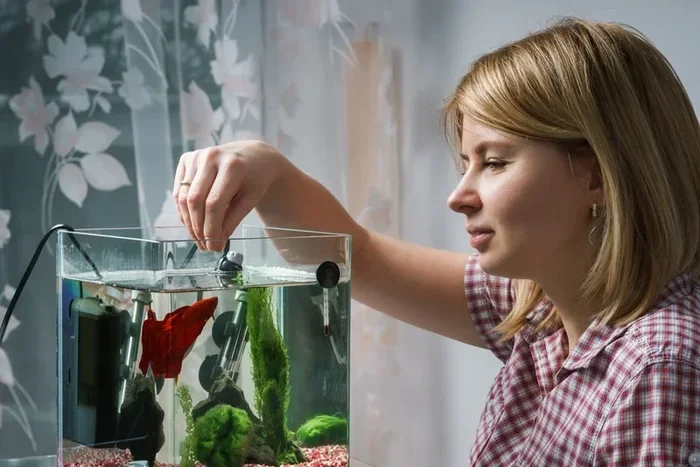
Does a Betta Fish Need a Light
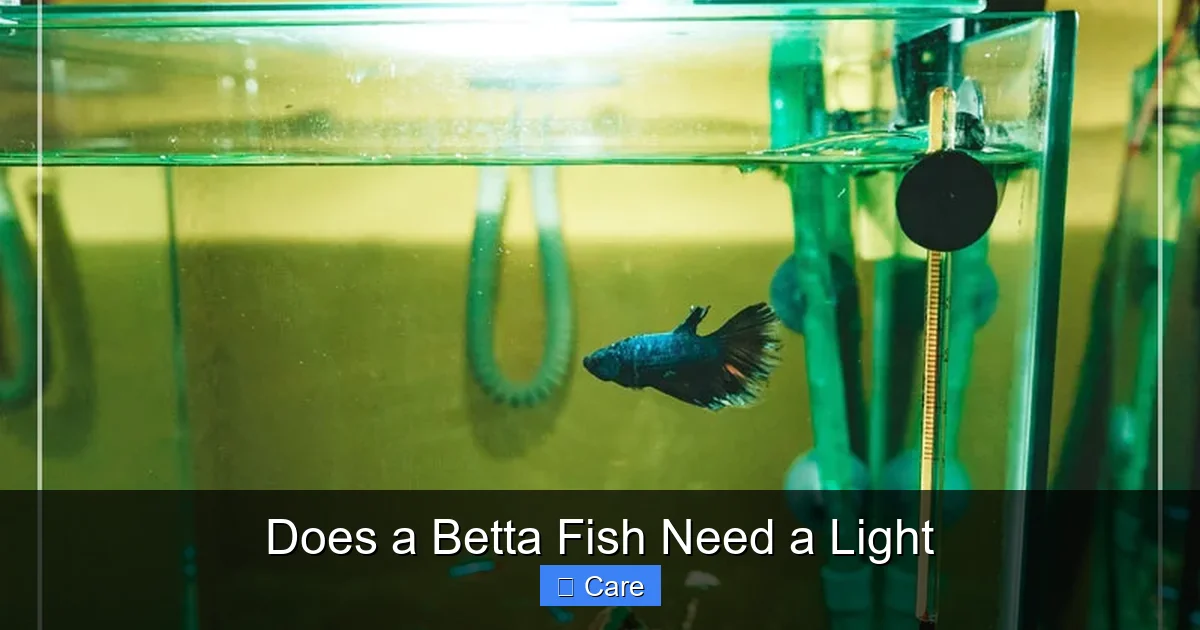
Betta fish don’t strictly require a light, but proper illumination mimics their natural habitat, promotes healthy growth, and showcases their brilliant colors. Choosing the right type, duration, and placement of light will keep your betta thriving while preventing stress and algae problems.
Key Takeaways
- Light isn’t mandatory: Bettas can survive without artificial light if they receive a natural day/night cycle.
- Benefits of proper lighting: Enhances color, supports plant growth, and regulates the fish’s circadian rhythm.
- Recommended duration: 8‑10 hours of light daily is ideal for most betta setups.
- Type of bulb matters: LED or full‑spectrum lights are best; avoid harsh UV or overly bright bulbs.
- Watch for algae: Too much light fuels algae; balance intensity and duration.
- Combine with other equipment: A heater and proper filtration work hand‑in‑hand with lighting for a stable environment.
- Monitoring is key: Observe your betta’s behavior; lethargy or hiding may signal lighting issues.
📑 Table of Contents
- Introduction: Why Light Matters for Bettas
- 1. Understanding Betta Natural Habitat
- 2. Do Bettas Really Need a Light?
- 3. Choosing the Right Light for Your Betta
- 4. How Long Should You Light a Betta Tank?
- 5. Light’s Impact on Tank Mates and Plants
- 6. Common Lighting Mistakes and How to Fix Them
- 7. Practical Tips for Setting Up Betta Lighting
- Conclusion: Light Up Your Betta’s World Wisely
Introduction: Why Light Matters for Bettas
When you first bring home a gorgeous betta fish, the most exciting part is watching those vivid fins flash in the water. Most new owners wonder, “does a betta fish need a light?” The short answer is no—betta fish can live without a lamp—but the long answer is more nuanced. Light isn’t just about making your tank look pretty; it influences the fish’s health, behavior, and even the health of any live plants you might keep.
Think of lighting as the sun for a tiny, underwater garden. In the wild, bettas live in shallow, slow‑moving streams in Thailand and Malaysia where sunlight filters through dense foliage. Replicating that natural rhythm helps your betta feel secure, eat well, and show off its full color palette.
1. Understanding Betta Natural Habitat
Sun‑dappled streams
Bettas originate from warm, tropical waters that receive a gentle, dappled light. The water is often shaded by overhanging leaves, creating a soft, filtered glow rather than harsh, direct sunlight. This subtle illumination is enough for the fish to navigate, hunt, and display its fins.
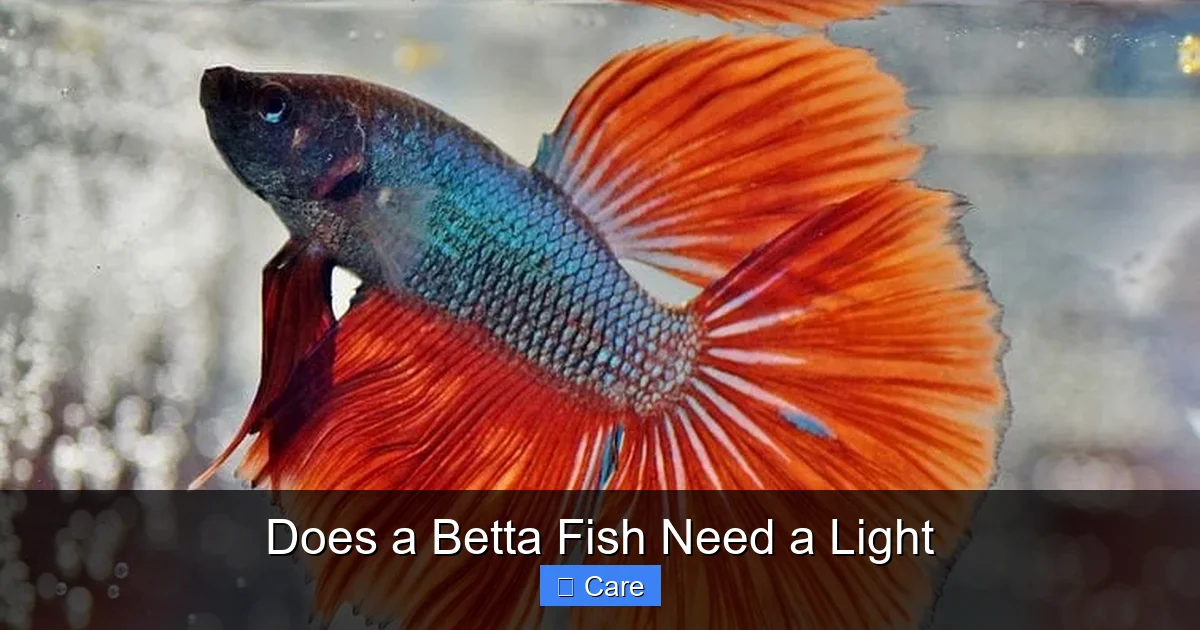
Visual guide about Does a Betta Fish Need a Light
Image source: hometanks.com
Day‑night cycles
In the wild, bettas experience a clear day/night pattern—roughly 12 hours of light followed by darkness. This cycle regulates their internal clock, influencing feeding, activity, and sleep. When you keep a betta at home, you need to mimic that rhythm to avoid stress.
2. Do Bettas Really Need a Light?
Survival without a lamp
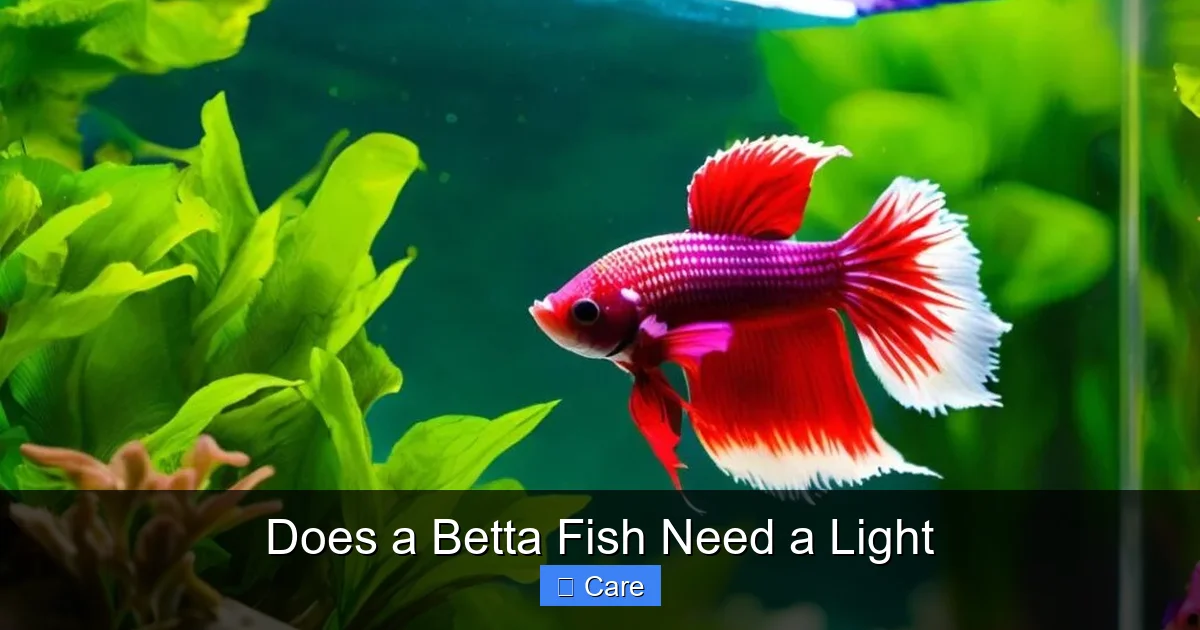
Technically, a betta can survive in a completely dark tank as long as it receives a regular feeding schedule and stable water parameters. However, a completely dark environment can lead to:
Visual guide about Does a Betta Fish Need a Light
Image source: fishkeepertank.com
- Lethargy and reduced appetite.
- Difficulty distinguishing males during breeding attempts.
- Stress from an unnatural lack of day/night cues.
Therefore, while a light isn’t a strict survival requirement, providing a modest, consistent light cycle greatly improves overall well‑being.
What experts say
Many betta‑care guides, such as Does a Betta Fish Need Light, recommend a low‑to‑moderate intensity light for 8‑10 hours a day. This recommendation aligns with the natural conditions bettas evolved under.
3. Choosing the Right Light for Your Betta
LED vs. Fluorescent vs. Incandescent
LED fixtures dominate the hobby today because they are energy‑efficient, emit little heat, and come in full‑spectrum options that mimic natural sunlight. Fluorescent tubes work but can be bulkier, while incandescent bulbs are generally discouraged—they produce excess heat that can raise water temperature beyond safe limits for bettas.
Visual guide about Does a Betta Fish Need a Light
Image source: fishtanksetups.com
Full‑spectrum vs. Blue‑only
Full‑spectrum LEDs provide a balanced mix of wavelengths, supporting both fish coloration and plant photosynthesis. Blue‑only lights are sometimes used for night‑time viewing but should not replace the primary light source.
Brightness and coverage
For a typical 2.5‑5‑gallon betta tank, a 2‑5 watt LED strip or a small 10‑watt LED fixture is sufficient. Aim for a light intensity of 0.5‑1.0 lumens per liter. Over‑lighting can stress the fish and encourage rapid algae growth.
4. How Long Should You Light a Betta Tank?
Standard 8‑10 hour schedule
Most hobbyists set a timer to provide 8‑10 hours of light daily. This mirrors the natural daylight window and gives plants enough time to photosynthesize without triggering algae blooms.
Using a timer
Automated timers are inexpensive and eliminate the guesswork. Set the timer to turn on at sunrise (e.g., 7 am) and off at sunset (e.g., 9 pm). Consistency is key—avoid frequent changes in the light schedule.
Adjusting for seasonal changes
If you prefer a more natural progression, you can gradually lengthen the light period in summer and shorten it in winter, but keep the total within the 8‑10 hour window to avoid stress.
5. Light’s Impact on Tank Mates and Plants
Live plants
Live plants thrive under a 10‑hour light cycle with a full‑spectrum LED. They not only look beautiful but also improve water quality by absorbing nitrates. If you keep plants, ensure your light is strong enough (about 1–2 watts per gallon) to support growth.
Tank mates
Most betta companions—peaceful snails, shrimp, or small catfish—benefit from the same light schedule. However, overly bright light can stress shy species, so keep the intensity moderate.
Compatibility with other equipment
Lighting works alongside a heater and filter. For example, a betta fish heater maintains stable temperature, while a filter keeps water clear, allowing the light to penetrate evenly.
6. Common Lighting Mistakes and How to Fix Them
Too much light → algae explosion
If you notice green slime coating the glass, reduce the light duration by 1‑2 hours or switch to a lower‑intensity bulb. Adding fast‑growing plants can also compete with algae for nutrients.
Incorrect spectrum → faded colors
Using a harsh white or blue‑only light can mute a betta’s natural reds and blues. Upgrade to a full‑spectrum LED to bring out those vivid hues.
Heat buildup
Even LEDs generate some heat. If water temperature spikes above 80 °F (27 °C), either lower the wattage or increase ventilation around the fixture.
7. Practical Tips for Setting Up Betta Lighting
- Start simple: A basic 2‑watt LED strip clipped to the tank’s rim works well for beginners.
- Use a timer: Consistency beats occasional manual switching.
- Combine with plants: Live plants like Java moss or Anubias require low to moderate light and help balance the ecosystem.
- Check water temperature: After installing a new light, monitor temperature for a few days.
- Observe behavior: If your betta hides more than usual, try dimming the light or extending the dark period.
Conclusion: Light Up Your Betta’s World Wisely
While a betta fish can survive without a lamp, providing a gentle, regular light source creates a healthier, more colorful, and stress‑free environment. Aim for 8‑10 hours of full‑spectrum LED light, keep the intensity modest, and pair the lighting with a reliable heater and filter. By mimicking the natural day/night rhythm of their native streams, you’ll help your betta thrive and enjoy the spectacular display of its fins for years to come.
Frequently Asked Questions
Do betta fish need a light to survive?
No, they can survive in darkness, but a regular light cycle promotes healthier behavior, better coloration, and a more natural rhythm.
What type of light is best for a betta tank?
A low‑to‑moderate intensity full‑spectrum LED is ideal because it provides the right wavelengths without overheating the water.
How many hours of light should I give my betta each day?
Provide 8‑10 hours of light daily, using a timer to keep the schedule consistent.
Can too much light harm my betta?
Yes, excessive light can cause stress, encourage algae growth, and raise water temperature, all of which can harm your fish.
Do I need a heater if I have a light?
Lighting itself doesn’t replace a heater. Betta fish need stable warm water (around 78‑80°F), so a heater is still essential.
Will plants survive under the same light as my betta?
Most low‑light plants like Java moss, Anubias, or Marimo thrive under the same 8‑10 hour full‑spectrum light used for bettas.