Can Betta Fish Go Blind
Yes, betta fish can absolutely go blind. Vision loss is often a symptom of underlying health issues, with poor water quality being the most frequent culprit. Other causes include bacterial or parasitic infections, physical injuries, genetic factors, and old age. The good news is that many cases are preventable with proper tank maintenance and care, and some forms of blindness can be treated if caught early. Understanding the signs and causes is the first step to protecting your betta’s sight and overall well-being.
Key Takeaways
- Blindness is a symptom, not a disease: A betta going blind signals an underlying problem like infection, injury, or toxin exposure that must be addressed.
- Poor water quality is the #1 cause: High ammonia/nitrite, improper pH, and dirty conditions directly damage sensitive eye tissue and lead to infections.
- Common infections are treatable: Conditions like pop-eye (exophthalmia) and clouded eyes from bacterial or parasitic infections can often be reversed with early intervention.
- Physical trauma is a major risk: Betta fins and eyes are fragile; collisions with decor, aggressive tankmates, or improper handling can cause permanent damage.
- Genetics and age play a role: Some bettas are predisposed to eye issues, and cataracts or general vision decline can occur with senior fish.
- Prevention is critical: Consistent water changes, a safe tank environment, and a balanced diet are the most powerful tools to maintain your betta’s eye health.
- Observe behavior for clues: Bumping into objects, lethargy, or loss of appetite are key behavioral signs that your betta may be experiencing vision loss.
📑 Table of Contents
- Introduction: A World Going Dark
- The Betta Eye: A Delicate Instrument
- Top Causes of Blindness in Betta Fish
- Spotting the Signs: Behavioral and Physical Clues
- Prevention: Your First and Best Line of Defense
- Treatment and Care for a Vision-Impaired Betta
- Living with a Blind Betta: A Rewarding Journey
- Conclusion: Sight for Sore Eyes
Introduction: A World Going Dark
Watching your vibrant betta fish, with its flowing fins and curious gaze, navigate its aquatic world is one of the great joys of the hobby. But what happens when that world starts to fade? The question, “Can betta fish go blind?” is a crucial one for every dedicated betta owner. The straightforward answer is yes, they can. Vision impairment and complete blindness are not uncommon issues in captive bettas, often serving as a visible red flag for deeper health or environmental problems.
Unlike mammals, a fish’s eye structure is different, but it is equally, if not more, sensitive to its surroundings. For a betta, which relies on sight to find food, explore, and interact, losing vision is a significant challenge. It doesn’t necessarily mean a life sentence of suffering, however. Understanding the why behind betta blindness is the key to prevention, effective treatment, and providing a high quality of life for a vision-impaired fish. This guide will dive deep into the anatomy, causes, prevention, and care for bettas experiencing vision loss.
The Betta Eye: A Delicate Instrument
How a Betta Sees the World
Before exploring what can go wrong, it’s helpful to understand what’s normal. A betta’s eye is a marvel of aquatic adaptation. It has a spherical lens, a cornea, and a retina with both rod cells (for low-light vision) and cone cells (for color vision). Bettas have good color vision, which is why they react so strongly to their own reflections and brightly colored objects. Their eyes are positioned on the sides of their head, providing a wide field of view—a survival trait from the wild that helps spot predators and prey.
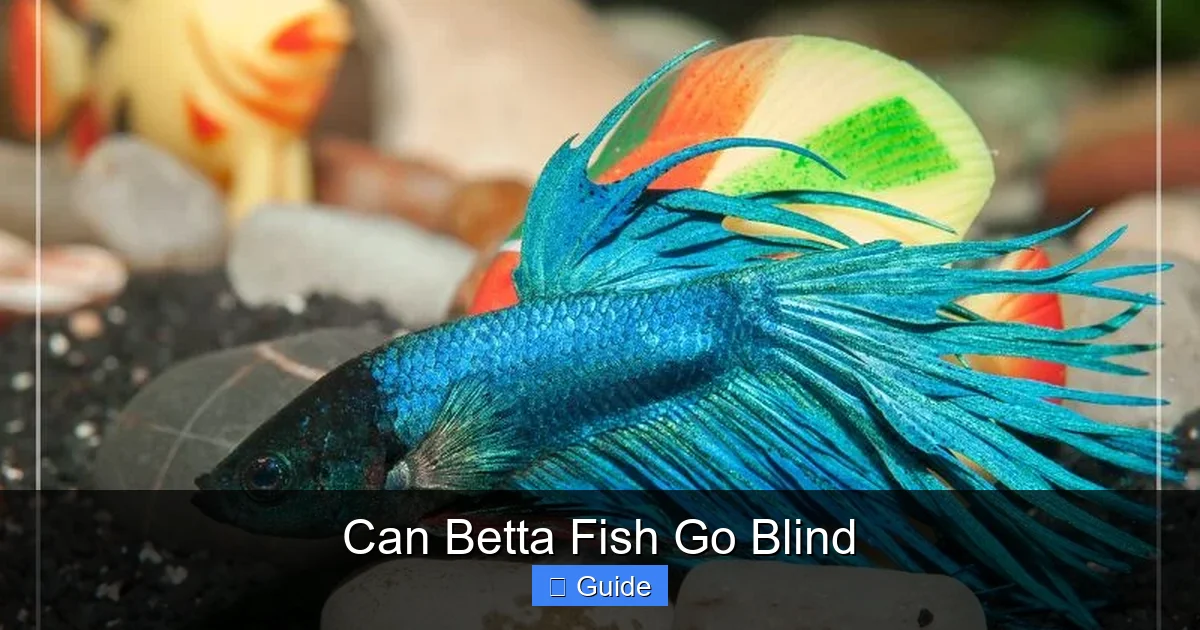
Visual guide about Can Betta Fish Go Blind
Image source: animalslog.com
Vulnerabilities in the Design
This excellent vision comes with inherent vulnerabilities. The exposed location of the eyes makes them susceptible to physical injury. Furthermore, the tissues are extremely thin and sensitive to water chemistry. Unlike our eyes, which are protected by eyelids and tears, a betta’s eyes are in constant, direct contact with the tank water. This means any imbalance in that water—ammonia spikes, incorrect pH, bacterial loads—can directly irritate and damage the ocular surface. Think of it like constantly swimming in a solution that can either nourish or corrode.
Top Causes of Blindness in Betta Fish
Vision loss in bettas is almost always a secondary symptom. Here are the most common primary culprits, ranked from most to least frequent.
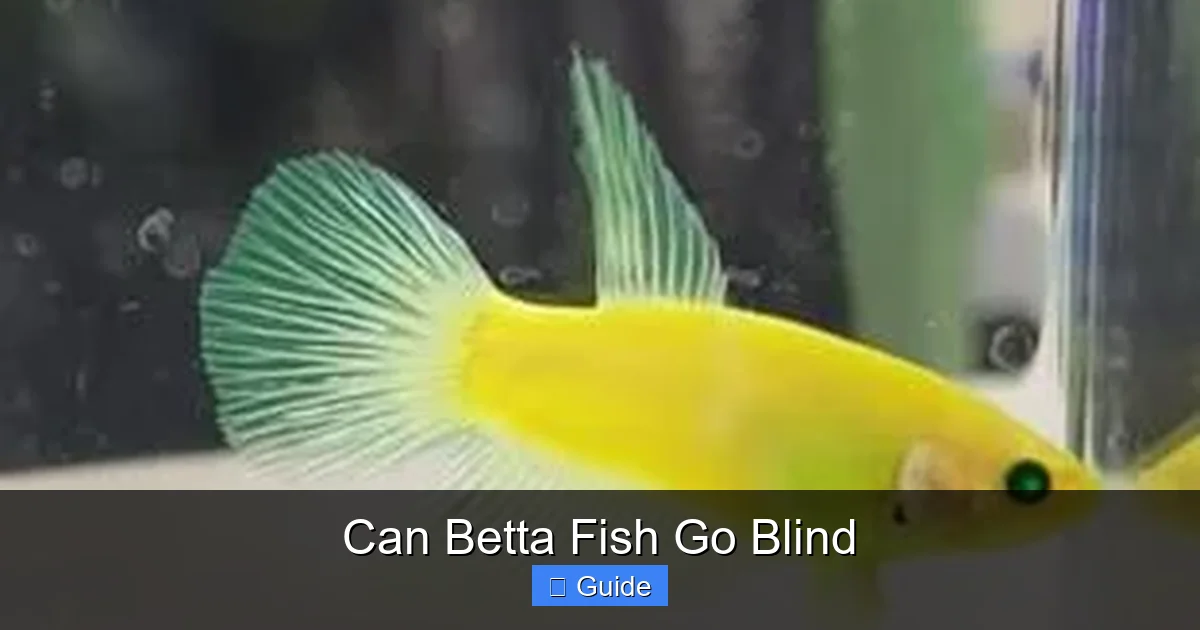
Visual guide about Can Betta Fish Go Blind
Image source: animalslog.com
1. Poor Water Quality: The Silent Killer
This is, by far, the leading cause of eye problems in bettas. Ammonia (NH3/NH4+) is exceptionally toxic to gills and eyes. Even low levels of ammonia (0.25 ppm) can cause severe irritation, leading to inflammation, cloudiness, and tissue damage. Nitrite (NO2-) is similarly harmful. Chronic exposure to suboptimal water parameters stresses the fish, suppresses its immune system, and makes it vulnerable to opportunistic infections that target the eyes. A dirty tank with high organic waste feeds harmful bacteria directly at the fish’s face.
2. Bacterial Infections: Pop-Eye and Cloudy Eye
Two classic presentations are exophthalmia (pop-eye) and cloudy eye. Pop-eye is a swelling of the entire eyeball, often due to a bacterial infection behind the eye or a systemic infection causing fluid buildup. Common bacteria include Aeromonas and Pseudomonas. Cloudy eye appears as a white, milky, or foggy film over the cornea. This is frequently a bacterial keratitis (corneal infection) or a severe inflammatory response. Both conditions are painful and will lead to vision loss and rupture if untreated.
3. Parasitic Infections: The Invisible Invaders
Parasites like Ichthyophthirius multifiliis (Ich) and Trichodina can attack the eyes. Ich cysts can form on the eyeball itself, causing intense irritation, scratching, and secondary infections. Flukes (trematodes) can attach to the eye surface. These infestations stress the fish and cause physical damage to the cornea, leading to scarring and blindness.
4. Physical Injury and Trauma
Betta fish are curious and, at times, clumsy. A sharp edge on a decoration, a rough gravel substrate, or a collision with the tank glass can scratch or puncture the cornea. Aggressive tankmates (even other bettas in a divided tank) can nip at the flowing fins and eyes. Improper netting or handling can also cause direct trauma. A single significant scratch can become infected and lead to permanent opacity.
5. Fungal Infections
Fungal infections, such as those caused by Saprolegnia, typically appear as cotton-like growths. They often colonize pre-existing wounds, including damaged eye tissue. A fungal infection on the cornea will rapidly degrade vision.
6. Genetics, Old Age, and Nutritional Deficiencies
Some betta lines may have a genetic predisposition to eye problems. As bettas age (they can live 3-5+ years with excellent care), they can develop cataracts—opacities in the lens—similar to humans. A severe, long-term deficiency in vitamins like A can also lead to eye deterioration and susceptibility to infection.
Spotting the Signs: Behavioral and Physical Clues
Because your betta can’t tell you it’s having trouble seeing, you must become a detective. Vision loss often manifests through changes in behavior and appearance.

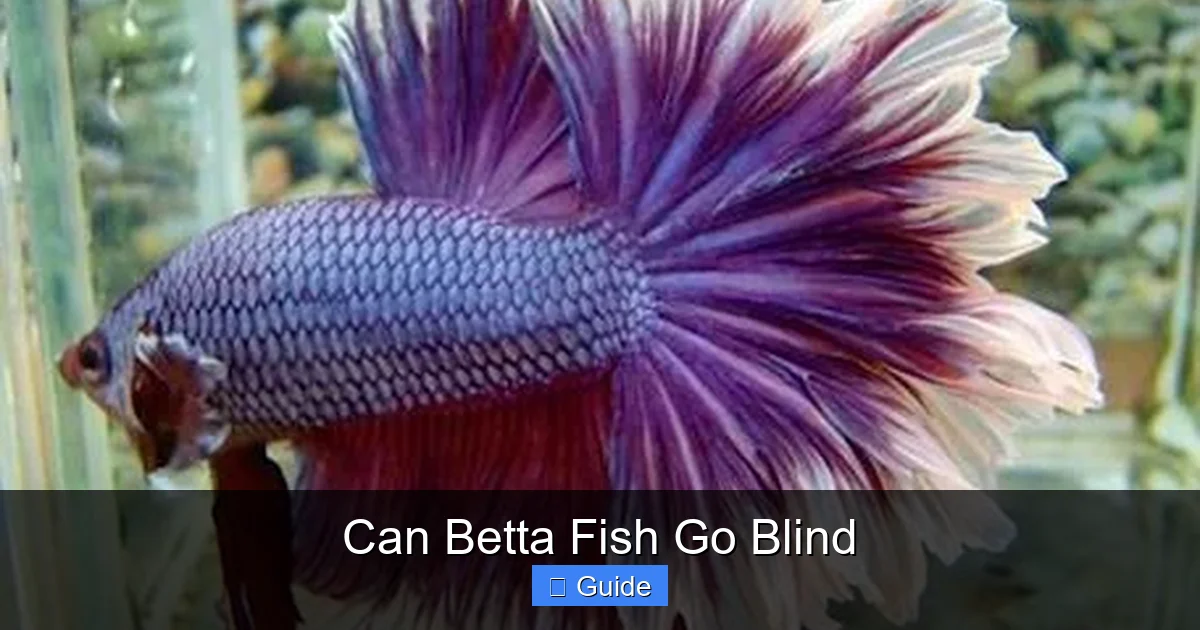
Visual guide about Can Betta Fish Go Blind
Image source: animalslog.com
Behavioral Red Flags
- Bumping into objects: Frequently swimming into the heater, filter, tank walls, or decorations is the most classic sign.
- Lethargy and hiding: A fish that feels disoriented and vulnerable will often become reclusive, staying at the bottom or in a corner.
- Feeding difficulties: Missing food pellets, only eating when food is dropped directly in front of its mouth, or appearing frantic during feeding times.
- Loss of flair: A betta that stops flaring at its reflection or your finger may be unable to see the stimulus clearly.
- Erratic swimming: Swimming in circles, swimming upside down (if neurological damage is also present), or appearing constantly off-balance.
Physical Symptoms to Watch For
- Cloudiness: A foggy, milky, or grayish appearance over one or both eyes.
- Swelling (Pop-eye): One or both eyes visibly protruding from the socket.
- Redness or Inflammation: Bloodshot appearance around the eye.
- White Spots: Distinct spots (like from Ich) on the eyeball itself.
- Growths: Cottony or fuzzy growths on or around the eye.
- Rupture: In severe cases, the eye may bulge until it bursts—a medical emergency.
Prevention: Your First and Best Line of Defense
An ounce of prevention is worth a pound of cure. For betta eye health, this is profoundly true. The vast majority of cases are preventable with diligent husbandry.
Mastering Water Quality
This is non-negotiable. Test your water weekly with a reliable liquid test kit. Ammonia and nitrite must always be at 0 ppm. Nitrates should be kept below 20 ppm. Perform weekly water changes of 25-50% using a water conditioner that detoxifies ammonia, nitrite, and heavy metals. Ensure your filter is cycled and functioning properly to process waste. A clean, stable environment is the foundation of eye health.
Creating a Safe Tank Environment
Your betta’s home should be a sanctuary, not an obstacle course. Use smooth, silk, or live plants instead of plastic ones with sharp edges. Ensure all decorations have no rough spots—sand down any sharp edges on driftwood or rocks. Use a soft, fine substrate like sand or smooth gravel to prevent injury during foraging. Provide ample open swimming space so your betta doesn’t constantly bump into things.
Choosing Tankmates Wisely
Never house a betta with aggressive, nippy fish (like tiger barbs or some tetras). Even “peaceful” community fish can sometimes harass a slow, older, or already visually impaired betta. For a single betta, a species-only tank is often the safest choice for long-term eye health.
Nutrition for Strong Eyes
Feed a high-quality, varied diet. Use a premium betta pellet as a staple, and supplement with frozen or live foods like daphnia, brine shrimp, and bloodworms. These foods are rich in carotenoids and vitamins that support overall health, including eye tissue repair. Occasionally, a tiny piece of peeled, blanched pea can aid digestion, which is linked to overall health.
Treatment and Care for a Vision-Impaired Betta
If you notice symptoms, act quickly. Early intervention is critical for a good outcome.
Step 1: Immediate Quarantine and Water Change
Gently move the affected betta to a clean, bare hospital tank (5 gallons is ideal). This removes it from any ongoing water quality issues or aggressive tankmates. Perform a 50% water change in both the hospital and main tank. Use pristine, dechlorinated water at the same temperature. In the hospital tank, use a sponge filter to avoid strong currents that can stress a disoriented fish.
Step 2: Diagnose and Medicate
Based on your observations:
- For suspected bacterial infection (cloudy eye, pop-eye): Use a broad-spectrum antibacterial medication like Methylene Blue (for external infections) or an antibiotic like Kanamycin or Furan-2. Follow dosing instructions precisely. Salt baths (1 tsp non-iodized aquarium salt per gallon for 15-30 minutes daily) can help draw out fluid in pop-eye cases.
- For suspected parasites (spots, severe irritation): Use a parasite-specific treatment like Malachite Green or formalin-based medications. Copper-based medications are effective but must be used with extreme caution as they are toxic to invertebrates.
- For fungal growth: Use an antifungal treatment like Methylene Blue or a specific fungal cure.
Never mix medications unless the product label explicitly states it’s safe. Always acclimate the fish to the hospital tank water before adding medication.
Step 3: Supportive Care During Recovery
A fish fighting an infection or dealing with blindness is stressed. Provide optimal supportive care:
- Maintain pristine water: In the hospital tank, perform daily 25% water changes with treated water to keep parameters perfect and remove waste.
- Make feeding easy: Use a feeding cup or place food directly in front of the betta. Offer easily digestible, high-quality foods like soaked pellets or frozen daphnia.
- Minimize stress: Keep the hospital tank in a quiet area. Cover the tank to reduce startling shadows. Avoid sudden movements near the glass.
- Consider Epsom salt: For pop-eye with significant swelling, a low dose of Epsom salt (magnesium sulfate) (1-2 tsp per 5 gallons) can help reduce fluid retention and swelling. Do not use if the fish has dropsy (pinecone scales).
Living with a Blind Betta: A Rewarding Journey
If vision loss is permanent, don’t despair. Bettas are remarkably adaptable fish. With some environmental adjustments, a blind betta can live a full, happy life.
Rehoming for a Disabled Fish
The goal is to create a predictable, safe, and obstacle-free environment. Keep the tank layout identical every day. Never rearrange decorations. Use your finger to gently guide the betta to food if needed. Ensure the water current is very gentle. You may need to lower the water level slightly so the betta can easily reach the surface for air without swimming into the lid. Stick to a strict feeding schedule so the betta learns when and where to expect food.
Quality of Life Indicators
A blind betta with good quality of life will still eat eagerly, respond to gentle touch or water vibrations, build bubble nests (males), and display its beautiful fins. It will explore its known environment confidently. If the fish becomes chronically lethargic, stops eating, or consistently injures itself despite a safe setup, it may be suffering, and humane euthanasia should be considered.
Conclusion: Sight for Sore Eyes
So, can betta fish go blind? Absolutely. The causes are varied, but they all trace back to one fundamental truth: a betta’s health is a direct reflection of its environment. The single most powerful action you can take to safeguard your betta’s vision is to be a meticulous caretaker of its water. Consistent, high-quality maintenance is the bedrock of prevention. When problems do arise—be it a case of pop-eye, a fungal infection, or a traumatic injury—early detection and aggressive, appropriate treatment offer the best chance for recovery. Should permanent vision loss occur, remember that your betta’s other senses—its lateral line for detecting water movement and its sense of smell—will compensate. With a predictable, safe, and loving home, a blind betta can continue to be a source of beauty and fascination for years to come. Your vigilance and care are what stand between your betta and a world of darkness.
Frequently Asked Questions
Can a betta fish’s blindness be reversed?
It depends entirely on the cause. Blindness from treatable bacterial or parasitic infections, or from swelling like pop-eye, can often be reversed with prompt, correct medication. However, if the cornea is severely scarred, the eye has ruptured, or if cataracts have developed from old age, the vision loss is permanent.
Is pop-eye in bettas always fatal?
No, pop-eye (exophthalmia) is not always fatal, but it is a serious symptom of a systemic problem. If caught early and the underlying cause—usually a bacterial infection—is successfully treated, the swelling can subside, and vision may be preserved. If left untreated, the eye can rupture, leading to a fatal septic infection.
Should I put a blind betta in a smaller tank?
Not necessarily. A smaller tank can actually be more dangerous due to faster water quality deterioration. The priority is a predictable layout. A standard 5-gallon tank with all decorations fixed in place and no sharp edges is ideal. The key is consistency, not necessarily size, though a smaller, simple tank can be easier for a blind fish to navigate.
Can I use human eye drops on my betta fish?
Absolutely not. Human eye drops contain preservatives and chemicals that are toxic to fish and will destroy the delicate balance of your aquarium water. All treatments must be specifically formulated for aquatic use. For external eye issues, aquarium-safe treatments like Methylene Blue or appropriate antibiotics are the only safe options.
My betta is bumping into things but its eyes look clear. What’s wrong?
This is a classic sign of vision loss. The clarity of the cornea doesn’t always indicate the health of the entire visual system. The problem could be internal, such as damage to the retina, pressure issues behind the eye, or even a neurological problem affecting sight processing. Start by rigorously testing and improving water quality, as this is the most common stressor that can lead to internal issues.
How can I make my tank safer for an older betta with failing vision?
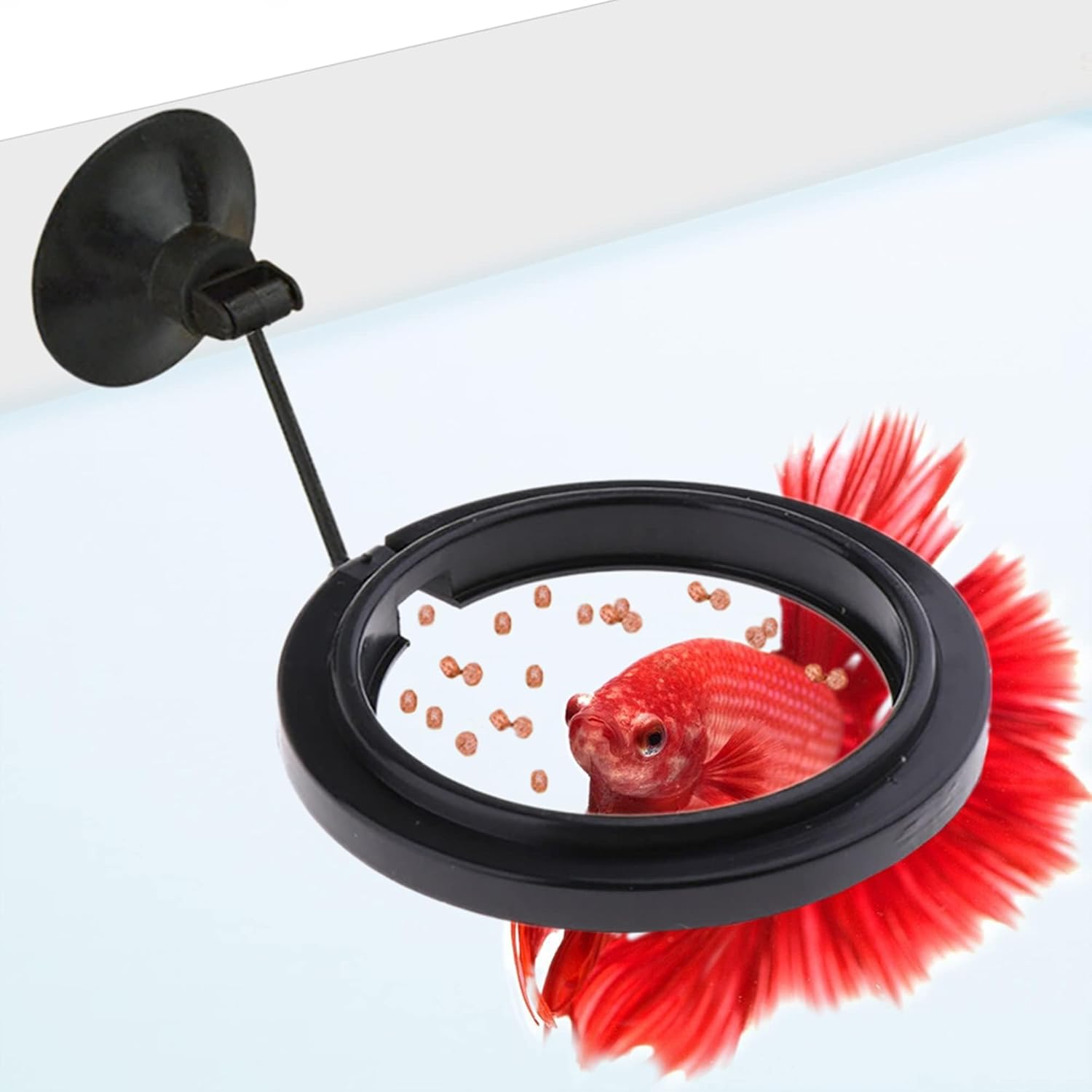
Conduct a full “safety audit” of the tank. Remove all sharp decorations. Switch to a soft, fine substrate like sand. Ensure the filter output is very gentle or use a sponge filter. Keep the water level a few inches below the lid to make breathing easier. Feed in the same spot at the same time daily, and consider using a feeding ring. The goal is to create a consistent, obstacle-free environment the fish can memorize.