How Big Does Betta Fish Tank Need to Be
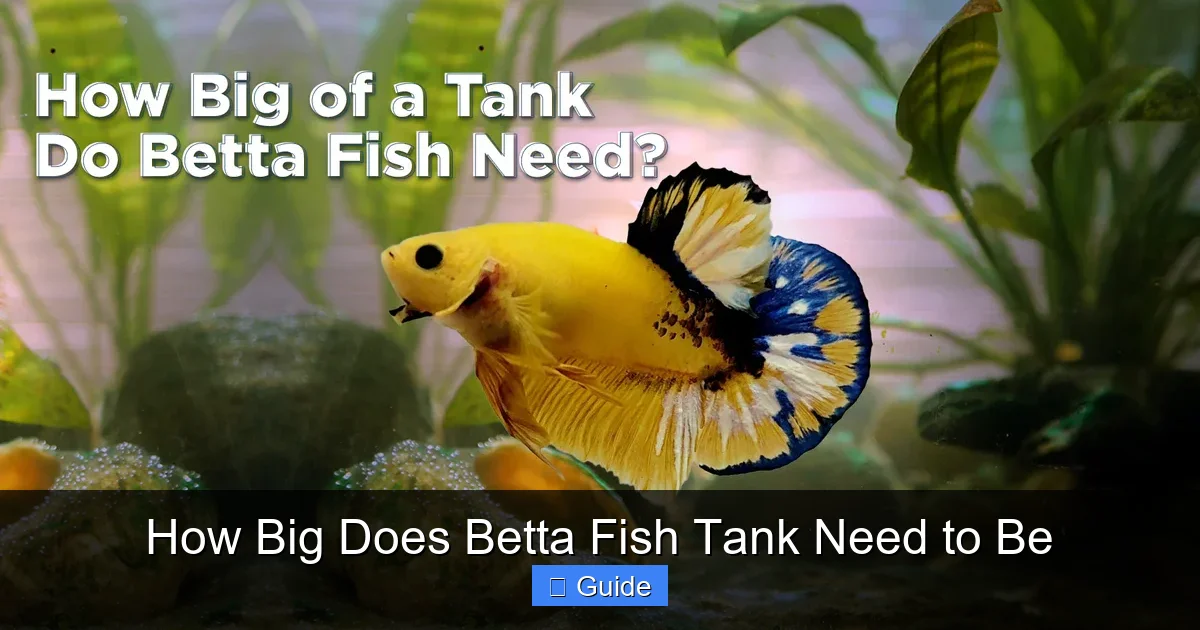
Contrary to popular myth, betta fish need more than a small bowl. The absolute minimum tank size is 5 gallons, but a 10-gallon or larger tank is strongly recommended for their long-term health, activity, and stable water quality. A proper tank with a filter, heater, and ample space mimics their natural habitat and drastically improves their lifespan and well-being.
Key Takeaways
- Minimum is 5 Gallons: Anything smaller than 5 gallons is considered inhumane and detrimental to a betta’s health due to rapid water parameter swings and lack of space.
- 10+ Gallons is the Ideal Standard: A 10-gallon tank provides a stable environment, encourages natural behavior, and makes maintenance easier, significantly boosting your betta’s quality of life.
- Tank Shape Matters: Choose a long, rectangular tank over a tall, narrow one. Bettas are labyrinth fish that need easy access to the water’s surface to breathe.
- Essential Equipment is Non-Negotiable: A gentle filter and a reliable heater are mandatory for any properly sized betta tank to maintain clean, warm water.
- Bigger Tanks are Easier to Maintain: Larger water volumes dilute toxins more effectively, meaning less frequent and less stressful water changes.
- Bettas are Smart and Active: They require mental stimulation through space, plants, and decorations, which a sufficiently large tank provides.
- Forget the “Bowl”: The myth of the betta in a tiny vase or bowl is one of the most persistent and harmful misconceptions in the aquarium hobby.
📑 Table of Contents
- Debunking the Bowl Myth: Why Your Betta Deserves More
- The Absolute Minimum: Why 5 Gallons is the Hard Line
- The Ideal Standard: Why 10 Gallons is the Sweet Spot
- Tank Shape and Dimensions: Length Over Height
- Essential Equipment: Making the Tank Functional and Safe
- Setting Up the Perfect Betta Habitat: Beyond the Basics
- Water Quality and Maintenance: The Pillars of Health
- Conclusion: A Commitment to a Better Life
Debunking the Bowl Myth: Why Your Betta Deserves More
Walk into any pet store, and you’ll see them: tiny, ornate vases or small bowls with a single, flaring betta fish floating listlessly. This iconic image has sold the world on a cruel fiction—that betta fish, with their spectacular fins and tough reputation, are perfectly content in minuscule containers. The phrase “they can live in a cup” is a dangerous oversimplification that has led to countless bettas living short, stressed lives. The truth is, a betta fish tank needs to be significantly larger than most people imagine to support a healthy, thriving pet. This isn’t about luxury; it’s about basic biology and welfare. Understanding how big a betta tank should be is the single most important factor in determining your fish’s lifespan, which can stretch to 5 years or more with proper care, versus just 1-2 years in a tiny vessel.
So, how big does a betta fish tank need to be? Let’s cut through the noise. We’ll dive into the science of water stability, the betta’s natural behaviors, and practical tank setup advice to give you a clear, confident answer. Prepare to rethink everything you thought you knew about the “Siamese fighting fish.”
The Absolute Minimum: Why 5 Gallons is the Hard Line
If you are considering anything less than a 5-gallon (approximately 19-liter) tank, you should reconsider getting a betta fish. This is the unequivocal starting point for ethical betta care. Here’s why this specific number is so critical, breaking down the core biological needs it addresses.
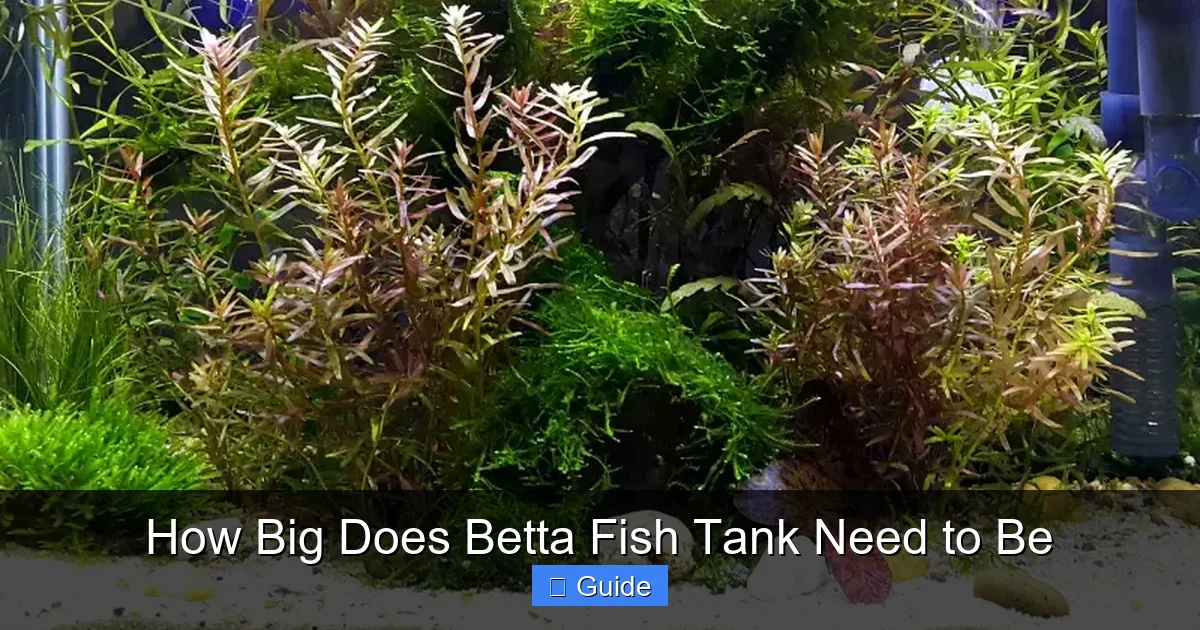
Visual guide about How Big Does Betta Fish Tank Need to Be
Image source: aquariumpub.com
The Chemistry of Stability: Dilution is the Solution
Fish waste (ammonia), decaying food, and other organic matter produce toxins that poison the water. In a tiny container—say a 1-quart mason jar or a 1-gallon bowl—a single betta’s waste produces a massive spike in ammonia levels within hours. This forces the fish to live in its own toxic sludge, burning its gills and stressing its system. A larger volume of water dilutes these toxins. A 5-gallon tank provides enough water mass that ammonia builds up much more slowly, giving beneficial bacteria (the “cycle”) a chance to process it into less harmful nitrites and then nitrates. This doesn’t mean a 5-gallon tank is maintenance-free; it means the parameters change slowly enough for you to manage them safely with regular water changes. In a 1-gallon bowl, parameters can swing lethally between water changes.
Temperature Consistency: No “Hotspots” or Chills
Bettas are tropical fish, native to the warm, shallow rice paddies and slow-moving streams of Thailand. They require a constant water temperature between 78°F and 80°F (25.5°C – 26.5°C). A small volume of water is incredibly susceptible to rapid temperature fluctuations. A draft from a window, direct sunlight from one side, or the ambient room temperature cooling at night can cause dangerous swings. A larger body of water heats and cools much more slowly and evenly, especially when paired with a reliable aquarium heater. A 5-gallon tank provides a thermal buffer that a 1-gallon bowl simply cannot.
Space for Exploration and Stress Reduction
Bettas are intelligent, curious, and surprisingly active. They are not sedentary decorations. In the wild, they patrol territories, explore dense vegetation, and hunt for insects. Confining them to a space smaller than a large coffee mug restricts all natural behaviors. This leads to chronic stress, boredom, and lethargy. A 5-gallon tank, while still modest, offers at least some linear swimming space (length is more important than height for bettas) and room for a few plants, a hide, and a leaf hammock. This allows for minor exploration and provides environmental enrichment that is crucial for their mental well-being.
The Ideal Standard: Why 10 Gallons is the Sweet Spot
While 5 gallons is the absolute, bare-minimum line, the experienced betta keeper community and most respected aquarists agree that a 10-gallon (38-liter) tank is the true ideal size for a single betta. Moving from 5 to 10 gallons isn’t just doubling the space; it exponentially improves every aspect of the betta’s environment and your ability to care for it.
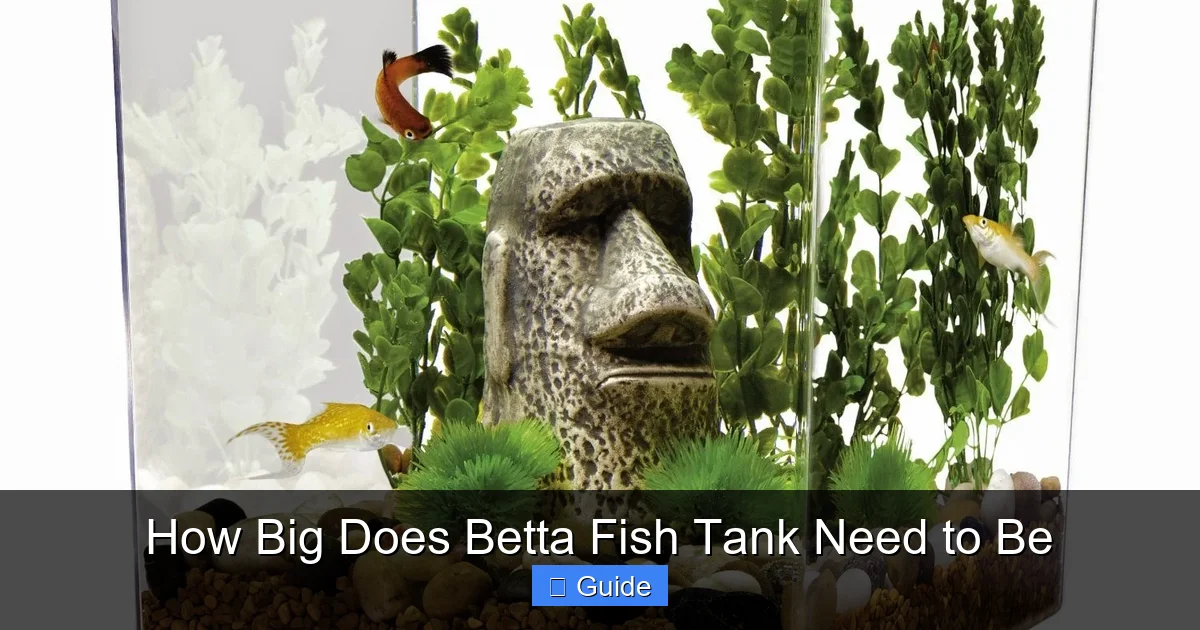
Visual guide about How Big Does Betta Fish Tank Need to Be
Image source: 3.bp.blogspot.com
The Exponential Benefit of Water Volume
The relationship between tank volume and stability is not linear; it’s logarithmic. A 10-gallon tank has twice the water of a 5-gallon, but it provides far more than twice the stability. The “surface area” for toxin dilution and gas exchange is significantly larger relative to the bioload. This means ammonia and nitrite spikes are even less likely and less severe. It creates a much more forgiving system for beginners who might misjudge feeding amounts or miss a water change. The cycle is more robust and resilient. For the betta, this translates to consistently cleaner water, less stress on its organs, and a dramatically lower risk of disease like fin rot or dropsy, which are often precipitated by poor water quality.
Ease of Maintenance and Aesthetic Flexibility
Cleaning a 5-gallon tank can be a fiddly, messy task. There’s little room to maneuver a gravel vacuum without disturbing everything. Water changes, while needed more frequently, are cumbersome. A 10-gallon tank is a dream by comparison. You have ample room to place decorations, create hiding spots, and build a beautiful aquascape with live or silk plants. Maintenance is simpler—you can vacuum a larger substrate area more effectively, and a 25-30% water change is a quick, manageable task. The larger canvas also allows you to add a small, peaceful tank mate (like a few harlequin rasboras or a single snail) if you wish, though this requires careful research and monitoring. The 10-gallon size offers the best balance of betta welfare and owner practicality.
Observing True Personality
This is a subtle but profound point. In a 10-gallon tank, you will see your betta’s real personality emerge. You might see it actively patrolling the entire front glass, investigating a new plant you added, playfully flaring at its own reflection (a debated enrichment tool), or confidently resting on a broad leaf. In a 5-gallon, its world is so small you see the same few inches repeatedly. The extra space allows for more varied behavior and gives you, the owner, far more joy and interest from watching your pet.
Tank Shape and Dimensions: Length Over Height
You’ve decided on the gallonage, but not all tanks are created equal. The shape of the tank is a critical, often overlooked factor for betta health. Bettas are members of the Anabantoidei suborder, which means they possess a labyrinth organ. This is a specialized structure that allows them to breathe atmospheric air directly from the surface. They must have easy, unobstructed access to the air-water interface to survive.
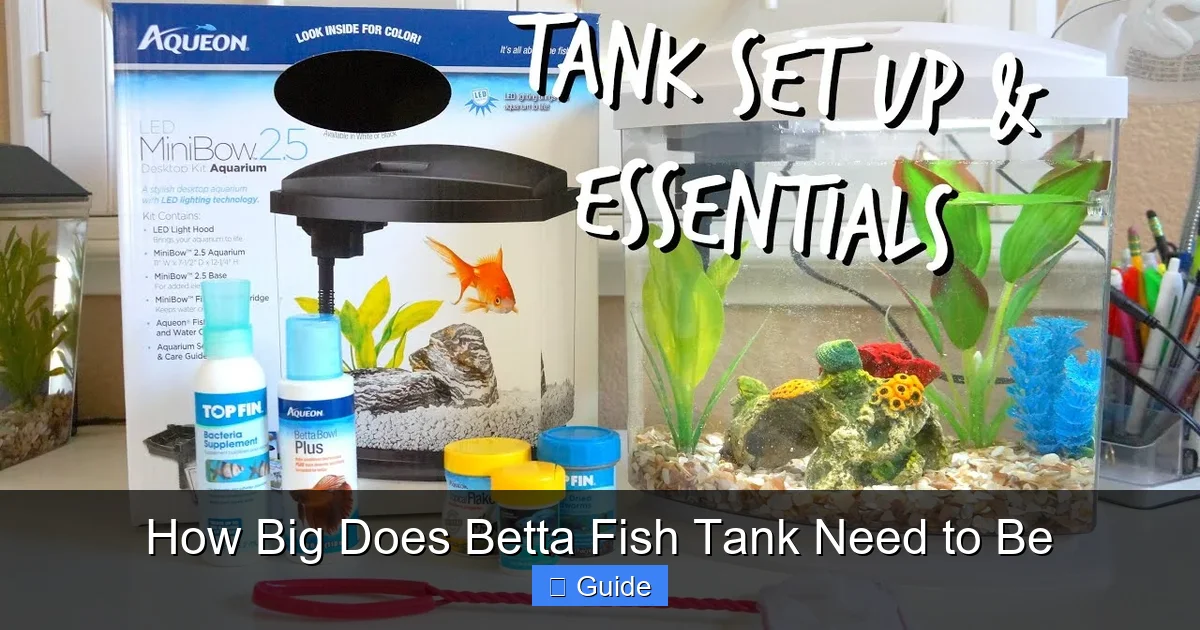
Visual guide about How Big Does Betta Fish Tank Need to Be
Image source: i.ytimg.com
The Problem with Tall, “Desktop” Tanks
You’ll find many “betta kits” or “desk tanks” that are tall and narrow, like a cylinder or a tall rectangle. While they may hold 3-5 gallons, their surface area—the opening at the top—is very small relative to their volume. This creates two major problems. First, it limits oxygen exchange between the air and water. Second, and more importantly for the betta, it forces the fish to make long, strenuous swims from the bottom to the top to gulp air. This is exhausting and stressful, especially for a fish with long, heavy fins like the Halfmoon or Plakat varieties. A tall tank also offers very little horizontal swimming space, which is how fish naturally move.
Why Long, Rectangular Tanks Are Superior
The ideal betta tank is a standard rectangle that is longer than it is tall. A 10-gallon “long” model is perfect. This shape maximizes surface area for gas exchange, ensuring oxygen-rich water. More importantly, it provides a generous horizontal footprint. A betta can swim from one end to the other with minimal effort, patrolling a territory that feels expansive. This shape also makes it easier to decorate with plants and caves that create a stimulating landscape along the bottom and mid-level, without blocking that all-important surface access. Always prioritize the footprint (length x width) when choosing a tank for your betta.
Essential Equipment: Making the Tank Functional and Safe
You cannot simply fill a 10-gallon tank with tap water, add your betta, and call it a day. The right equipment transforms an empty glass box into a stable, life-supporting ecosystem. Here is the non-negotiable gear checklist for a properly sized betta tank.
Heater: The Non-Negotiable Warmth
As mentioned, bettas need tropical temperatures between 78-80°F. An adjustable submersible aquarium heater is essential. For a 10-gallon tank, a 50-watt heater is typically sufficient. Never use a “preset” heater you cannot adjust, as these are often inaccurate. Invest in a reliable brand (like Eheim, Fluval, or Aqueon) and pair it with a separate, accurate aquarium thermometer (digital or glass stick-on) to verify the temperature. A stable temperature is as important as the temperature itself.
Filter: Gentle but Effective Cleaning
“But bettas don’t like current!” This is true, but it’s often misunderstood. Bettas absolutely need a filter to house the beneficial bacteria that process toxic waste (the nitrogen cycle). The key is choosing a filter with an adjustable, gentle flow. Sponge filters (air-powered) are a fantastic, cheap, and betta-safe option. Hang-on-back (HOB) filters like the Fluval AquaClear or Penguin Power Filter are excellent because you can often reduce the flow with a spray bar or by baffling the outflow with a sponge. The goal is a flow where your betta can swim easily without being pushed around, but debris still moves toward the intake. A filter is not optional; it is the engine of your aquarium’s ecosystem.
Lighting: For Plants and Viewing
If you plan to keep live plants (highly recommended for a natural, healthy environment), you’ll need appropriate lighting. A simple LED light fixture that comes with many tank kits is often sufficient for low-light plants like Anubias, Java Fern, and Marimo moss balls. Avoid intense, bright lighting that will cause excessive algae growth and stress your betta, who prefers dimmer conditions in the wild. For a basic tank with silk plants, any standard aquarium light will work for viewing.
Water Conditioner and Test Kit: The Chemistry Kit
Tap water contains chlorine and chloramine, which are lethal to fish. You must treat every bucket of new water with a quality water conditioner (like Seachem Prime) before adding it to the tank. Furthermore, you cannot manage what you do not measure. An affordable liquid test kit (like the API Freshwater Master Test Kit) is crucial. You need to test for ammonia, nitrite, nitrate, and pH during the initial “cycling” of the tank and periodically thereafter to ensure the biological filter is working and water quality remains safe.
Setting Up the Perfect Betta Habitat: Beyond the Basics
Now for the fun part: creating a beautiful, stimulating home. A properly sized tank is your canvas. The goal is to replicate the dense, slow-moving, plant-filled environments of Southeast Asian shallow waters.
The Importance of Plants and Hiding Spots
Plants are not just decor; they are essential. Live plants absorb nitrates (a waste product), produce oxygen, and provide incredible hiding places and resting spots. For a beginner, hardy, low-light plants are key: Anubias and Java Fern can be tied or glued to driftwood or rocks. Cryptocorynes are great mid-ground plants. Floating plants like Duckweed or Salvinia are betta favorites, as they reduce light, provide cover, and mimic the surface leaf litter they love. If live plants feel daunting, high-quality silk plants are a perfect substitute—just ensure they have no rough edges that can tear delicate fins. Always include at least one solid “cave” or hide (a piece of PVC pipe, a terra cotta pot on its side, or a commercial resin cave) so your betta can retreat when it feels shy or stressed.
Substrate: Form and Function
Gravel or sand? Both work. A dark-colored substrate (black or dark brown) is often recommended because it makes colorful bettas pop and feels more natural. If using gravel, a 1-2 inch layer is fine. If you want to grow live plants that root, consider a nutrient-rich substrate like aquarium soil capped with gravel or sand. For a simple, clean look, inert sand or smooth gravel is perfectly acceptable. Avoid sharp, jagged gravel that can damage your betta’s underside and long fins.
Decor and Enrichment: Preventing Boredom
A bare tank is a prison. Add variety! A smooth, flat leaf (a real Magnolia or Indian Almond leaf, or a commercial “Betta Leaf”) attached to the tank wall gives your betta a favorite resting spot near the surface. A small, smooth rock or piece of driftwood (like Malaysian or Mopani) provides a change in terrain. A small, smooth-sided ceramic pot on its side makes a perfect cave. The key is to ensure all decorations are aquarium-safe, have no sharp points or edges, and do not block the water’s surface. Rotate or rearrange decorations every few months to provide new “exploration” opportunities for your fish.
Water Quality and Maintenance: The Pillars of Health
All the perfect setup in the world fails without a disciplined maintenance routine. In a properly cycled tank, maintenance is about *managing* a stable system, not constantly rescuing a toxic one.
The Nitrogen Cycle: Your Tank’s Foundation
This is the most important concept in fishkeeping. You cannot add your betta to a brand-new tank. You must “cycle” the tank first. This means establishing a colony of beneficial bacteria on your filter media, gravel, and decorations. These bacteria consume toxic fish waste (ammonia) and convert it to less toxic nitrite, and then to much less toxic nitrate. This process takes 4-6 weeks. You start with an empty tank, add a source of ammonia (like a pinch of fish food or pure ammonia), and test the water daily. You’ll see ammonia spike, then drop as nitrite appears, then nitrite drops as nitrate appears. Once you can add ammonia and see it convert to nitrate within 24 hours with zero ammonia or nitrite present, the tank is cycled and safe for your betta. Do not skip this step. A “fishless cycle” is the most humane method.
Weekly Maintenance Routine
Once cycled and stocked with one betta, a 10-gallon tank requires a simple weekly routine:
- Water Test: Test your parameters (ammonia, nitrite, nitrate, pH). Ammonia and nitrite should always be 0. Nitrate should be kept below 20 ppm.
- Gravel Vacuum: Using a gravel vacuum (siphon), clean about 1/3 of the substrate. Push the vacuum into the gravel to remove trapped waste and debris. This also removes old, nitrate-rich water.
- Water Change: Replace the vacuumed water with fresh, dechlorinated water that is temperature-matched to the tank. For a 10-gallon, changing 25-30% (2.5-3 gallons) weekly is ideal.
- Filter Maintenance: Once a month, rinse your filter media (sponges, bio-balls) in the bucket of old tank water you just removed during the water change. Never use tap water, as it kills the beneficial bacteria.
- Glass Cleaning: Wipe the inside glass with an algae pad or a clean sponge (no soap!) to remove algae buildup.
This routine keeps nitrate low, removes solid waste, and maintains a pristine environment.
Conclusion: A Commitment to a Better Life
So, how big does a betta fish tank need to be? The answer is clear and rooted in science and compassion. The cultural relic of the betta in a bowl must end. The absolute minimum is a filtered, heated 5-gallon tank, but the true standard of care—the setup that will give your betta a vibrant, active, and long life—is a 10-gallon (or larger) rectangular tank. This size provides the water stability, thermal consistency, swimming space, and environmental enrichment that a betta’s biology demands.
Choosing a proper tank is the first and most significant act of care you can provide. It’s an investment not just in equipment, but in the well-being of a living, feeling creature. You are creating a miniature ecosystem where your betta can display its stunning colors, curious nature, and unique personality. By moving beyond the myth and providing the space they deserve, you’ll be rewarded with a healthier, more engaging pet that will grace your home with its beauty for years to come. Start with the right tank, and you’ve already won half the battle.
Frequently Asked Questions
Can betta fish live in a vase or bowl?
No, a vase or bowl is not a suitable home for a betta. These containers are far too small, lack filtration and heating, and cannot maintain stable water conditions, leading to a short, stressed life. They are considered inhumane by modern aquarists.
Do betta fish really need a filter?
Yes, absolutely. A filter is essential to house the beneficial bacteria that process toxic fish waste (the nitrogen cycle). Without a filter, ammonia builds up rapidly and will poison your betta. Choose a filter with a gentle, adjustable flow to avoid stressing the fish.
What is the best tank shape for a betta?
A long, rectangular tank is best. Bettas need easy access to the water’s surface to breathe their labyrinth organ. Tall, narrow tanks force exhausting swims to the top and have less surface area for gas exchange. Prioritize tanks with a large footprint (length x width).
Can I keep a betta in a 2.5-gallon tank?
A 2.5-gallon tank is below the absolute minimum and is not recommended. Water parameters will be extremely unstable, temperature will fluctuate wildly, and there is virtually no room for enrichment. Please upgrade to at least 5 gallons, ideally 10.
How often should I do water changes in a 10-gallon betta tank?
With a properly cycled filter and one betta, you should perform a 25-30% water change once a week. This removes nitrate buildup and any solid waste, maintaining excellent water quality and fish health.
Can I put other fish with my betta in a 10-gallon tank?
It’s possible but risky and depends entirely on your individual betta’s temperament. A 10-gallon is the *minimum* for considering peaceful, fast-moving tank mates like a small school of neon tetras or harlequin rasboras. Always have a backup plan (a separate tank) in case the betta becomes aggressive. For beginners, keeping the betta solo is the safest and most stress-free option for all fish involved.