Can Betta Fish Go a Day Without Food
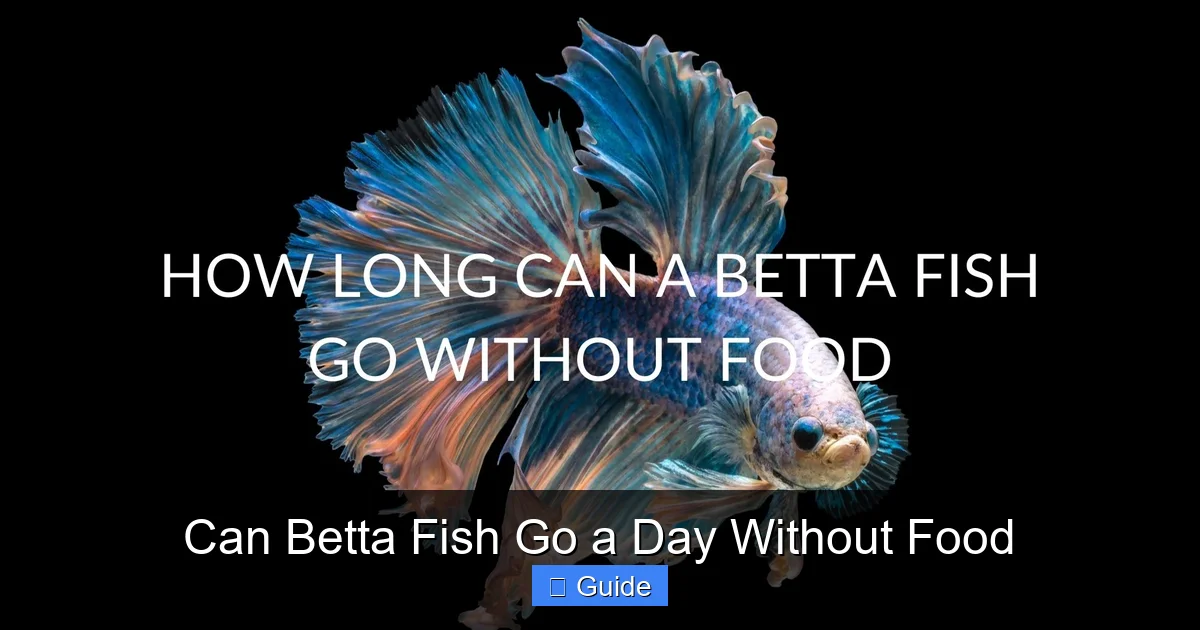
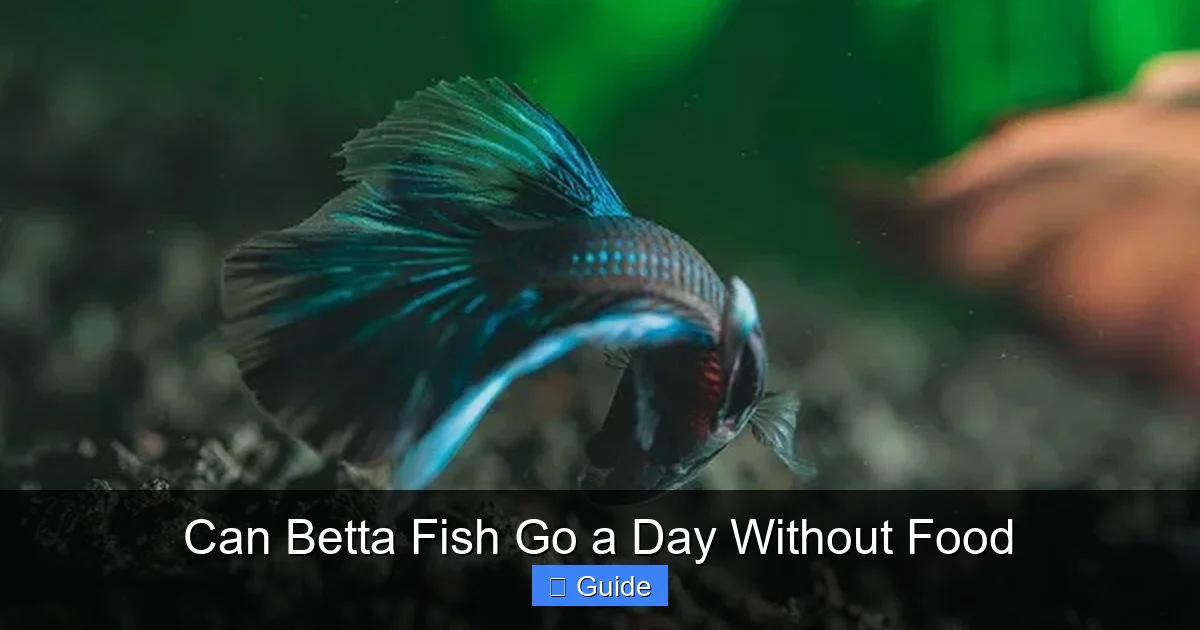
Yes, a healthy betta fish can physically survive a single day without food, and occasional short fasts are generally safe. However, this does not mean it is an ideal or recommended practice for routine care. Bettas have a slow metabolism but require consistent, appropriate nutrition to maintain their vibrant colors, energy, and long-term health. Regularly skipping meals can lead to stress, a weakened immune system, and serious health complications. The key is understanding the difference between a rare, unavoidable fast and a pattern of inadequate feeding.
You’re running late for work, flustered and rushing. In the chaos, you completely forget to feed your beautiful betta fish, Sam, his morning pellet. You return home hours later, guilt washing over you. “Oh no,” you think, “can betta fish go a day without food? Did I just harm him?” It’s a common, heart-sinking moment for many betta owners. The simple answer is yes, your betta will almost certainly be physically fine after missing one meal. But the complete answer is far more nuanced, touching on betta biology, proper husbandry, and the very real dangers of turning an occasional oversight into a habit. This guide will dive deep into the realities of betta fish fasting, separating myth from fact to ensure your aquatic companion lives a long, vibrant, and healthy life.
Betta fish, or Betta splendens, are famous for their hardiness. Their labyrinth organ allows them to breathe atmospheric air, making them resilient to lower oxygen levels. This toughness often leads to a dangerous misconception: that they are low-maintenance pets who can be fed sporadically. Nothing could be further from the truth. Their stunning fins, brilliant colors, and active personalities are direct results of proper nutrition. Understanding the balance between their natural survival instincts and their captive dietary needs is the cornerstone of responsible betta ownership. Let’s explore exactly what happens when a betta skips a meal and how to build a feeding routine that supports their wellbeing.
Key Takeaways
- Short-term fasting is biologically possible: A betta fish can survive 3-14 days without food, depending on its health, age, and water conditions, making a single 24-hour fast low-risk.
- Fasting is not a recommended routine: Bettas thrive on a consistent feeding schedule of once or twice daily. Regular deprivation leads to stress, poor health, and a shortened lifespan.
- Health risks outweigh any perceived benefit: Prolonged lack of food causes muscle wasting, organ failure, and a severely compromised immune system, making the fish susceptible to disease.
- Overfeeding is a more common mistake: Many owners mistakenly feed too much, which pollutes water and causes constipation and swim bladder issues. A proper portion is 2-3 quality pellets per feeding.
- True emergencies require planning: If you must be away longer than 48 hours, use a reliable pet sitter or a tested, slow-release vacation feeder, not a “betta block” which often dissolves too quickly.
- Appetite loss is a critical red flag: A betta refusing food for more than 24-48 hours is usually a sign of illness, poor water quality, or stress, not a choice, and requires immediate investigation.
- Wild instincts differ from captivity: While wild bettas may experience food scarcity, their captive-bred descendants are not adapted to regular fasting and depend entirely on their owner for a balanced diet.
📑 Table of Contents
- The Betta Metabolism: Understanding Their Unique Biology
- How Long Can a Betta Fish Actually Survive Without Food?
- The Real Risks: Why Skipping Meals Is More Harmful Than You Think
- Emergency Scenarios: What to Do When You *Must* Be Away
- Proper Betta Feeding: The Foundation of Health
- Debunking Common Myths and Misconceptions
- Conclusion: The Verdict on a Day Without Food
The Betta Metabolism: Understanding Their Unique Biology
To grasp how long a betta can go without food, we must first understand their metabolism. Metabolism is the sum of all chemical reactions in an organism’s body that maintain life. For bettas, this process is influenced by several key factors tied to their evolutionary history.
Cold-Blooded Efficiency
As ectotherms (cold-blooded animals), a betta’s metabolic rate is directly tied to the temperature of its environment. The warmer the water, the faster their metabolism functions, and the more energy (and thus food) they require. In a typical heated betta tank maintained between 76°F and 82°F (24°C – 28°C), their metabolism is active and steady. This is the optimal range for digestion and activity. If the water temperature drops significantly, their metabolism slows dramatically, conserving energy. This is why a betta in unheated, cooler water might appear lethargic and eat less—it’s not a choice, but a physiological response. However, keeping a betta too cold is stressful and harmful over time. A healthy, warm metabolism needs regular fuel.
The Wild vs. Captive Disconnect
In the shallow rice paddies and slow-moving streams of Southeast Asia, wild bettas are opportunistic insectivores and surface feeders. Their diet consists mainly of insects, insect larvae (like mosquitoes), and small crustaceans. Food sources are abundant in the warm, nutrient-rich waters but can be inconsistent. This evolutionary history equipped them with two traits: a slow basal metabolism to conserve energy during lean times, and a strong instinct to eat voraciously when food is present. This “feast or famine” instinct is precisely why bettas in captivity will often eat until their bellies bulge if given the chance. Their bodies are primed to store energy, but in a small, clean tank with no natural food sources, they have no backup plan. They are entirely dependent on you, the owner, to provide that consistent, appropriate “feast.” The wild betta’s ability to survive scarcity does not translate to a recommendation for it in captivity.
How Long Can a Betta Fish Actually Survive Without Food?
Now, to the core question. There is no single, precise number because survival time depends on a complex interplay of factors. Instead of a fixed timer, think of a sliding scale of risk.
Visual guide about Can Betta Fish Go a Day Without Food
Image source: artofpro.com
The General Survival Timeline
Based on anecdotal evidence from experienced hobbyists and the understanding of fish physiology, a healthy adult betta in optimal water conditions can potentially survive anywhere from 3 to 14 days without a meal. The wide range highlights the variables at play. A young, robust betta in a pristine, warm 5-gallon tank might be okay after 4-5 days. An older betta, or one with a pre-existing condition like fin rot or a swim bladder disorder, could begin to deteriorate after just 48 hours. The “3-day” rule is a good conservative benchmark for when concern should actively set in for a healthy adult. Missing one 24-hour period, as in our opening scenario, falls well within the safe zone for a robust fish.
Critical Factors That Influence Survival Time
Why such a wide range? Several factors dictate how long your betta can comfortably fast:
- Overall Health and Age: A young, disease-free betta has substantial fat reserves and strong organ function. An elderly betta (over 3-4 years) or one recovering from illness has fewer reserves and a weaker system, making it far more vulnerable to even short-term fasting.
- Water Quality & Temperature: This is paramount. In perfect, warm, ammonia-free water, a betta’s body doesn’t have to divert energy to coping with toxins or cold stress. All energy can be devoted to maintaining basic bodily functions. Poor water quality is a constant drain on resources and immune function, drastically shortening the safe fasting window.
- Body Condition: A betta that has been consistently overfed will have excess body fat, which might provide a slightly longer buffer. However, this is a dangerous and unhealthy buffer. A betta at a proper, lean condition has less stored energy but is also not suffering the complications of obesity.
- Stress Levels: A stressed betta (from aggressive tank mates, loud noises, sudden temperature changes, or poor water) has elevated cortisol levels. This stress hormone suppresses the immune system and increases metabolic demands, burning through energy reserves faster.
The Real Risks: Why Skipping Meals Is More Harmful Than You Think
Knowing a betta *can* survive a fast is different from understanding why they *shouldn’t* have to. The risks of regular or prolonged food deprivation are severe and often invisible until it’s too late.
Visual guide about Can Betta Fish Go a Day Without Food
Image source: report-e.com
Starvation and Organ Failure
The body’s response to a lack of incoming calories is to break down its own tissues for energy. It first uses glycogen stores (in the liver and muscles), then moves to fat, and finally begins catabolizing protein from muscle tissue. This process, known as catabolism, leads to visible muscle wasting. The fish becomes emaciated, its spine may become more pronounced, and its once-bold fins may droop. More critically, prolonged catabolism puts immense strain on the liver and kidneys, which process the breakdown byproducts. This can lead to organ failure, a primary cause of death in starved fish. The vibrant colors of a betta are also tied to good nutrition and health; a starving betta will often appear dull, faded, and lackluster.
Weakened Immune System and Increased Disease Susceptibility
Nutrition is the foundation of the immune system. Vitamins (like C and E), minerals (like zinc), and high-quality proteins are essential for producing immune cells and antibodies. A betta that is not receiving adequate nutrition is immunocompromised. This makes it a sitting duck for common aquarium diseases like Ich (white spot disease), fin rot, and velvet. What might be a minor, easily treatable infection in a well-fed betta can become a fatal outbreak in a malnourished one. The stress of hunger itself also suppresses immune function, creating a vicious cycle.
Behavioral Changes and Mental Stress
Fish feel hunger and the stress that accompanies it. A hungry betta will exhibit noticeable behavioral changes: increased lethargy, hiding more often, loss of interest in its surroundings, and frantic, repetitive swimming along the glass (a sign of stress sometimes called “glass surfing”). While they may not experience emotion as humans do, chronic stress is a physiological reality that negatively impacts all body systems. You may also see an increase in aggressive behavior if housed with tank mates, as the betta becomes more irritable and territorial due to its poor condition.
Emergency Scenarios: What to Do When You *Must* Be Away
Life happens. Vacations, sudden business trips, or family emergencies can leave you wondering about your betta’s care. Planning for these events is part of being a responsible pet owner. The goal is to ensure stable water quality and minimal stress, not just to “drop in” food.
The 48-Hour Rule and Reliable Solutions
For a healthy adult betta, being unattended for one weekend (48-72 hours) is usually acceptable if you perform a partial water change before leaving and ensure the tank is clean. The risk comes from water quality degradation from uneaten food, not the lack of food itself. For absences longer than 3 days, you have a few options:
- The Gold Standard: A Trusted Pet Sitter. This is the best solution. Someone can come every 2-3 days to observe the fish, perform a small water change if needed, and provide a proper meal. They can also alert you to any problems immediately.
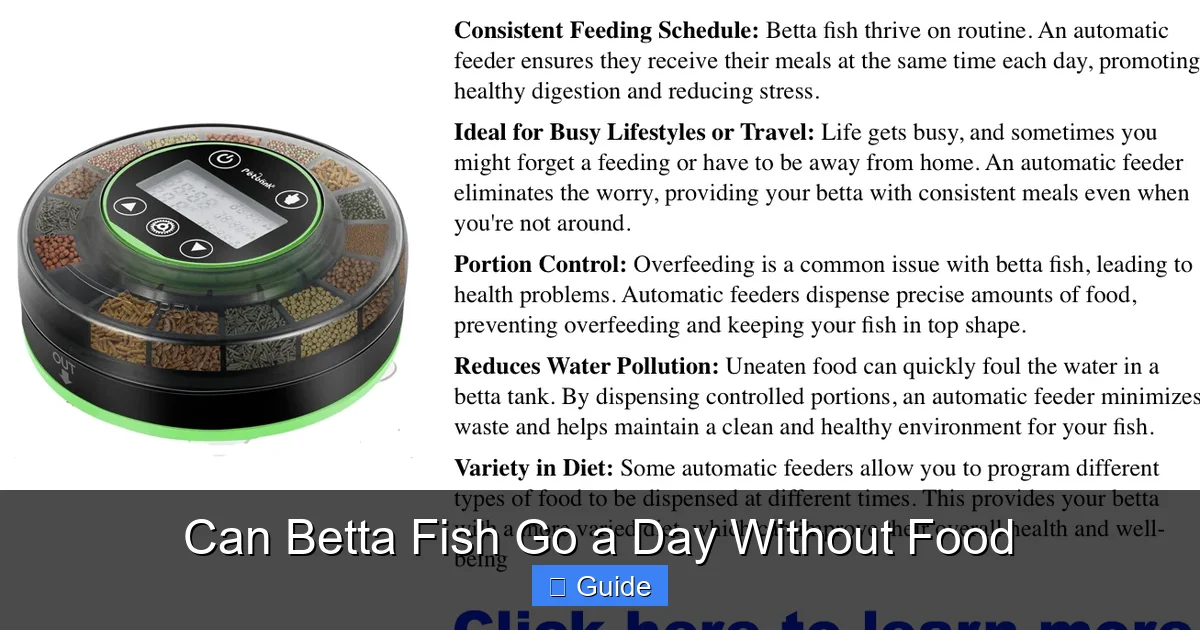
- Automatic Feeders (Used with Caution): These can work, but with caveats. Choose a reliable, battery-powered model. Do not use it to feed multiple days’ worth of food at once. The food will saturate and foul the water. Program it to dispense the single, correct portion (2-3 pellets) once daily. Test it thoroughly before your trip to ensure it works and doesn’t spook your betta with noise or vibration.
- Slow-Release “Vacation Feeders” (Betta Blocks): These are generally not recommended for bettas. They are designed for community tanks and dissolve too slowly, often disintegrating into the water column over days, causing a massive ammonia spike. They also make it impossible to control portion size.
What NOT to Do
Never leave a “feeder fish” or live food in the tank. It will die, decompose, and destroy water quality. Do not ask a friend who knows nothing about fish to “just throw in some flakes”; they will almost certainly overfeed. Do not rely on plant roots (like a “lucky bamboo” in a vase) for sustenance—this is a deadly myth. Preparation is key: a clean tank, a trusted helper, and a clear, simple feeding plan.
Proper Betta Feeding: The Foundation of Health
Preventing the need for emergency fasting discussions starts with establishing a perfect daily feeding routine. This is the single most important thing you can do for your betta’s health, outside of maintaining pristine water.
Visual guide about Can Betta Fish Go a Day Without Food
Image source: wildbettablog.com
What to Feed: Quality Over Quantity
Bettas are obligate carnivores. Their digestive systems are short and designed for a protein-rich diet. The best staple food is a high-quality pellet formulated specifically for bettas. These pellets are nutritionally complete, float (betas are surface feeders), and are sized appropriately. Look for ingredients where whole fish or shrimp meal is the first item. Supplement 1-2 times a week with frozen or live daphnia, brine shrimp, or bloodworms. These provide essential roughage and act as a natural laxative, aiding digestion and preventing constipation—a common issue from a pellet-only diet. Avoid generic tropical fish flakes; they are often plant-based and nutritionally inadequate.
How Much and How Often: The Eyeball Method
Overfeeding is the #1 mistake new betta owners make. It leads to obesity, constipation, swim bladder disorder, and fouled water. The rule of thumb is simple: feed an amount equal to the size of your betta’s eyeball, once or twice a day. For most bettas, this is 2-3 premium pellets per feeding. If using frozen foods, a small pinch (the size of a pea) is sufficient. Feed only what your betta consumes within 2-3 minutes. Any food that sinks to the bottom should be siphoned out immediately to prevent water quality crashes. A healthy betta will have a slightly rounded, but not bulging, belly after a meal. Skipping one feeding day a week is a practice some owners use to aid digestion and mimic natural patterns, but this is optional and should only be done with a healthy adult. It is not a substitute for proper daily portions.
Debunking Common Myths and Misconceptions
The betta fish world is rife with outdated and harmful advice. Let’s clear up a few persistent myths that directly relate to the question of feeding.
Myth 1: “Bettas Can Live Off Plant Roots”
This is perhaps the most dangerous myth, stemming from the sad practice of keeping bettas in tiny vases with a plant stalk. Bettas are not herbivores. They cannot digest plant matter effectively and derive almost no nutritional value from it. A betta kept this way will slowly starve to death, often with a visibly decaying fin. Plants are for decoration, not nutrition.
Myth 2: “They Only Need to Eat Once a Week”
This likely comes from a misunderstanding of their slow metabolism and the “feast or famine” wild instinct. In captivity, with stable warmth and no predators, they do not cycle through natural famine periods. They need regular, daily nutrition to sustain their active metabolism, vibrant color, and immune function. Feeding once a week is a path to severe malnutrition.
Myth 3: “If I Don’t Feed Him, He’ll Live Longer (Like Caloric Restriction)”
While caloric restriction has been studied in some organisms for lifespan extension, this is not a valid principle for betta fish. Their biology is not adapted for it. Chronic underfeeding causes chronic stress and organ atrophy, which unequivocally shortens lifespan. A well-fed, healthy betta in clean water will live 3-5 years; an underfed one will be lucky to reach 2.
Myth 4: “A Betta That Doesn’t Eat Is Just Being Picky”
Bettas are intelligent and can be picky, especially with new foods. However, a refusal to eat for more than 24-48 hours is almost never pickiness. It is a major red flag signaling potential issues: poor water quality (check ammonia/nitrite!), incorrect water temperature, illness (fin rot, dropsy, internal parasites), or severe stress. Always investigate a loss of appetite first by testing water and observing for other symptoms before assuming it’s behavioral.
Conclusion: The Verdict on a Day Without Food
So, can your betta fish go a day without food? The definitive answer is yes, a single, occasional 24-hour period will not harm a healthy betta. Life is unpredictable, and a forgotten feeding happens to the best of us. Do not panic. Resume the normal feeding schedule at the next scheduled time. The real lesson here is not to use this fact as a license for irregular feeding, but to understand the remarkable resilience of your betta while committing to the consistent, high-quality care it deserves.
Your betta’s health is a daily choice. It’s choosing to maintain warm, clean water. It’s choosing to provide a nutritionally complete diet in correct portions. It’s choosing to observe your fish daily for signs of distress. A missed meal is a tiny blip. A pattern of missed meals is a tragedy. By respecting their carnivorous nature, avoiding the pitfalls of overfeeding, and planning for emergencies, you create the stable environment your betta needs to flourish. You’ll be rewarded with a fish that is not just surviving, but thriving—flaring with vibrant color, energetically exploring its home, and displaying the bold personality that makes bettas such captivating companions. That’s the goal worth striving for.
Frequently Asked Questions
How long can a betta fish survive without food?
A healthy adult betta can typically survive 3 to 14 days without food, depending on its health, age, and water conditions. However, this is a survival limit, not a recommendation. Missing a single meal is low-risk, but regular fasting causes severe stress and health decline.
Is it okay to fast my betta fish once a week?
Occasional fasting (e.g., one day a week) is sometimes practiced by experienced keepers to aid digestion and mimic natural patterns, and it is generally safe for a healthy adult. However, it is not necessary. The most important factor is consistent, proper daily feeding. Do not fast a young, old, or sick betta.
What are the signs of a betta fish that is not eating enough?
Signs include visible muscle wasting (a pronounced spine), lethargy, loss of vibrant color, fins held clamped close to the body, increased hiding, and frantic “glass surfing.” A consistently empty belly after feeding or a refusal to eat for over 24 hours are also major red flags for underlying illness or poor water quality.
What should I do if I go on vacation?
For trips longer than 48 hours, use a reliable pet sitter who can feed a proper portion every 2-3 days and check on the fish. If that’s not possible, a tested automatic feeder that dispenses 2-3 pellets once daily is the next best option. Avoid slow-dissolving “betta blocks” as they foul the water.
Can overfeeding be worse than underfeeding?
Yes, overfeeding is a more common and immediate danger for most betta owners. Excess food decomposes, causing toxic ammonia spikes and poor water quality. It also directly causes constipation and swim bladder disorder in bettas. Always feed no more than 2-3 quality pellets per meal, removing any uneaten food.
Why is my betta fish not eating?
A loss of appetite is a symptom, not a disease. First, test your water for ammonia and nitrite—poor water quality is the #1 cause. Next, ensure your water temperature is in the optimal range of 76-82°F (24-28°C). Then, look for signs of illness (clamped fins, spots, bloating). Stress from tank mates, loud noises, or recent changes can also cause temporary anorexia.