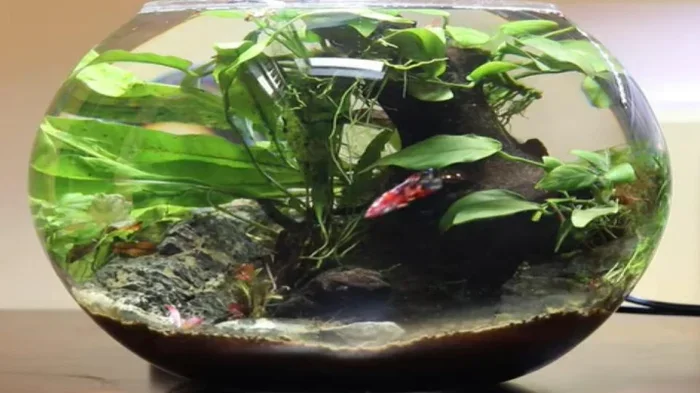
Can a Betta Fish Live with Any Other Fish
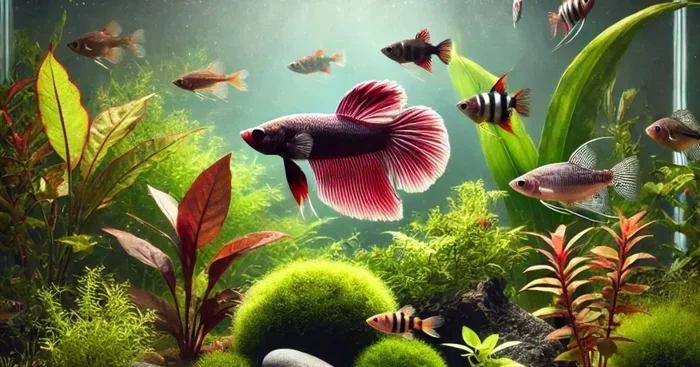
Can a betta fish live with any other fish? The short answer is no — not every fish species is a safe match. Betta fish have unique temperaments, fin-nipping tendencies, and specific water needs that limit their tank mate options. However, with the right choices and a well-planned aquarium setup, many peaceful species can share a tank successfully. This guide covers everything you need to know about betta compatibility, the best tank mates, and common mistakes to avoid.
So you have a beautiful betta fish swimming gracefully in your tank, and you are wondering if you can add some other fish to the mix. It is a great question, and one that a lot of fish keepers ask. The truth is, can a betta fish live with any other fish does not have a simple yes or no answer. It depends on your betta’s personality, the species you are considering, and how you set up your tank.
Betta fish, also known as Siamese fighting fish, are popular for their stunning colors and flowing fins. But they also have a reputation for being territorial and sometimes aggressive. This does not mean they cannot live with other fish. It just means you need to be smart about your choices. In this guide, we will walk you through everything you need to know about betta tank mates, which fish work best, and what mistakes to avoid.
Key Takeaways
- Betta fish are not universally compatible: Their aggressive and territorial nature means they cannot live with just any fish species.
- Gender matters a lot: Male bettas are far more aggressive than females, and this heavily influences which tank mates are safe.
- Peaceful bottom dwellers and schooling fish are often the best companions for a betta in a community tank.
- Tank size and setup play a critical role in reducing aggression and stress for all fish involved.
- Always monitor behavior after introducing new tank mates, and be ready to separate fish if problems arise.
- Avoid fin-nippers and brightly colored fish that may trigger aggression or confusion in bettas.
📑 Table of Contents
Understanding Betta Fish Temperament
Before you add any other fish to your betta’s tank, you need to understand their personality. Betta fish are not one-size-fits-all. Some are calm and curious, while others are feisty and defensive. Knowing your betta’s temperament is the first step toward finding good betta compatibility.
Why Are Betta Fish Aggressive?
Betta fish were originally bred in Southeast Asia for fighting. This history is deep in their DNA. Male bettas, in particular, have long been known to attack other male bettas and even other fish that look similar or have bright colors and long fins. This behavior is called betta aggression, and it can range from flaring and chasing to actual fin damage.
Female bettas can also be aggressive, but they are generally less so than males. A group of female bettas, often called a sorority tank, can sometimes live together if the tank is large enough and has plenty of hiding spots. However, even female bettas can have their days of being territorial.
Every Betta Is Different
Here is something many beginners do not expect. Not all bettas are the same. Some male bettas live peacefully with other fish for years, while others refuse to share their space with anyone. It really comes down to the individual fish. Some bettas are laid-back and ignore other tank mates, while others see every fish as a threat.
This is why betta personality matters so much when choosing tank mates. If you have a particularly calm betta, you have more options. If your betta is on the aggressive side, you may need to keep them solo or choose very carefully.
Can You Put Other Fish With a Betta?
The big question is whether can a betta fish live with any other fish. The honest answer is that some fish work great, and others are a terrible idea. Let us break this down by species type so you have a clear picture.
Fish That Usually Work Well With Bettas
Certain fish species tend to coexist peacefully with bettas. These fish are generally peaceful, stay in different areas of the tank, and do not bother your betta’s fins. Here are some of the top choices:
- Corydoras catfish: These small bottom dwellers are calm and stay out of your betta’s way. They are excellent community tank mates.
- Neon tetras and ember tetras: Small, peaceful schooling fish that keep to themselves. Tetras add movement and color without causing stress.
- Kuhli loaches: These quirky, eel-like fish are peaceful and spend most of their time at the bottom of the tank.
- Mystery snails: Not fish, but snails make great companions. They help clean algae off the glass and do not bother bettas.
- Amano shrimp: These shrimp are peaceful algae eaters that usually avoid direct contact with your betta.
- Harlequin rasboras: Gentle schooling fish that school in the middle of the tank, away from the betta’s preferred territory.
Fish to Avoid With Bettas
On the flip side, some fish are a bad match for bettas. These fish either nip fins, compete for the same territory, or trigger aggression. Here is what you should steer clear of:
- Fin-nipping fish: Species like tiger barbs and serpae tetras love to nip at long fins. This can cause stress and injury to your betta.
- Brightly colored fish: Fish like guppies or angelfish may trigger your betta’s aggression because they look similar or compete visually.
- Other male bettas: Never house two male bettas together. They will fight, and the results can be fatal.
- Large or aggressive fish: Cichlids, goldfish, and other large species may bully or even eat your betta.
Can Male Bettas Live With Other Fish?
Male bettas are the most challenging when it comes to tank mates. Their long fins and bright colors make them targets for fin-nippers, and their territorial nature means they claim a spot in the tank and defend it fiercely. However, with the right setup and the right species, even a male betta can share a tank. If you want to explore this further, you can check out Can Male Betta Fish Live With Any Other Fish for a deeper dive into male betta compatibility.
The key is choosing fish that are small, peaceful, and stay in different zones of the tank. Bottom-dwelling fish are especially good because they avoid the betta’s upper territory. Always introduce new fish slowly and watch for signs of stress or aggression from the start.
How to Set Up a Betta Community Tank
If you are ready to try a community tank with your betta, the setup matters just as much as your fish choices. A poorly planned tank leads to stress, disease, and even death. Here is how to do it right.
Tank Size Matters
A common mistake is keeping a betta in a tiny tank and then adding other fish. A single betta needs at least a 5-gallon tank. But if you want to add tank mates, you should go bigger. A 10-gallon tank or larger gives everyone more space to establish their own territory. This reduces conflict and makes the environment healthier for all the fish.
More water volume also means more stable water parameters. Betta fish are sensitive to ammonia, nitrite, and nitrate spikes. A larger tank dilutes waste and gives you more buffer time to catch water quality issues before they become dangerous.
Add Plenty of Hiding Spots
Plants, caves, and decorations give your fish places to retreat. This is especially important for a betta community tank. When fish have hiding spots, they feel safer, and aggression drops. Live plants like java fern, anubias, and amazon sword are great choices. They also help maintain water quality and provide a natural feel.
If you are considering adding live plants to your betta tank, you might want to check out Can You Put A Live Water Plant With Betta Fish for tips on the best plants for a betta setup.
Water Parameters for a Mixed Tank
One of the biggest challenges of a community tank is keeping water parameters that work for all the fish. Betta fish prefer warm water, ideally between 76 and 82 degrees Fahrenheit. Most peaceful community fish also thrive in this range, which makes things easier.
Here are the key water parameters to monitor:
- Temperature: 76 to 82 degrees Fahrenheit
- pH: 6.5 to 7.5
- Ammonia: 0 ppm
- Nitrite: 0 ppm
- Nitrate: Below 20 ppm
Testing your water regularly with a liquid test kit is one of the best habits you can build. It helps you catch problems early and keep your fish healthy.
Can Female Bettas Live With Other Fish?
Female bettas are generally more social than males. While they can still be aggressive, they are often better candidates for community tanks. A female betta may do well with peaceful schooling fish, bottom dwellers, and even other females under the right conditions.
If you are specifically looking at pairing a female betta with other species, you can read more about Can You Put Other Fish With A Female Betta for detailed guidance on the best options and setup tips.
One thing to keep in mind is that female bettas can form hierarchies. When you add multiple females, watch for signs of bullying. A large tank with plenty of decorations and plants helps distribute aggression and gives weaker fish a place to escape.
Common Mistakes When Choosing Betta Tank Mates
Even experienced fish keepers make mistakes when setting up a betta community tank. Here are the most common errors and how to avoid them.
Overcrowding the Tank
More fish does not mean a better tank. Overcrowding leads to poor water quality, increased aggression, and stressed fish. Follow the general rule of one inch of fish per gallon, but remember that bettas need extra space because of their territorial nature. Do not rush to fill your tank. Add fish slowly and give your betta time to adjust.
Ignoring Individual Personalities
As mentioned earlier, every betta is different. What works for one betta may not work for another. If your betta shows signs of stress — clamped fins, hiding constantly, refusing food, or flaring at tank mates — it is time to reassess the situation. Sometimes the best choice is to keep your betta solo.
Skipping the Quarantine Period
New fish can carry diseases and parasites. Before adding any new fish to your betta tank, quarantine them for at least two weeks in a separate tank. This protects your betta and gives you time to observe the new fish for any signs of illness.
Quick Tips for a Successful Betta Community Tank
- Start with a tank of at least 10 gallons for a betta and a few tank mates.
- Choose peaceful, non-fin-nipping species that stay in different tank zones.
- Add plenty of live plants and hiding spots to reduce stress.
- Monitor water parameters weekly and do partial water changes regularly.
- Introduce new fish slowly and observe your betta’s reaction closely.
- Be prepared to separate fish if aggression becomes a problem.
- Feed your betta separately to ensure they get enough food and reduce competition.
Conclusion
So, can a betta fish live with any other fish? The answer is nuanced. Not every fish is a safe match, but many peaceful species can coexist with a betta when the tank is set up correctly and the right choices are made. Understanding your betta’s personality, choosing compatible species, and maintaining a clean, spacious tank are the keys to success.
Whether you are planning a community tank with corydoras and tetras or adding mystery snails and shrimp, the effort you put into planning will pay off. Watch your fish closely, be patient, and always prioritize the health and safety of every fish in the tank. With the right approach, your betta can enjoy company, and your aquarium can become a vibrant, thriving ecosystem.
Remember, there is no one-size-fits-all answer. Each betta is unique, and the journey of finding the right tank mates is part of the fun of fish keeping. Start small, learn from experience, and enjoy the process. Your betta will thank you for it.
Frequently Asked Questions
Can a betta fish live with goldfish?
No, goldfish are not suitable tank mates for bettas. Goldfish produce a lot of waste, prefer cooler water temperatures, and can grow very large. These conditions are stressful and potentially dangerous for bettas. It is best to keep them in separate tanks.
What is the best betta tank mate for a beginner?
For beginners, mystery snails and corydoras catfish are excellent choices. They are peaceful, low-maintenance, and stay out of the betta’s way. They also help keep the tank clean, which makes overall tank maintenance easier.
Can two female bettas live together?
Yes, female bettas can sometimes live together in a group called a sorority. However, this requires a tank of at least 20 gallons with plenty of hiding spots and plants. Not all female bettas will get along, so be prepared to separate them if needed.
How many tank mates can a betta have?
In a 10-gallon tank, two to three small, peaceful tank mates is usually a safe number. In larger tanks, you can add more. The key is not to overcrowd the tank and to choose species that do not compete with the betta for territory or food.
Why does my betta chase other fish?
Betta chasing behavior is often a sign of territorial aggression. Your betta may see the other fish as a threat, especially if the fish has bright colors or long fins. If the chasing is constant, consider removing the other fish or providing more hiding spots to reduce stress.
Can bettas live with betta fish of the opposite gender?
Male and female bettas should generally not be kept together except during brief breeding periods. Outside of breeding, they can be aggressive toward each other. If you want to keep a male and female together, you need a large, heavily planted tank and close monitoring at all times.