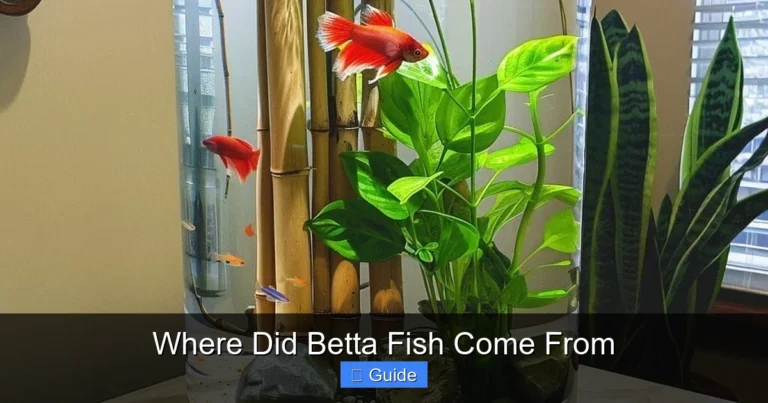
Where Do Wild Betta Fish Live

Wild betta fish live in the warm, shallow freshwater habitats of Southeast Asia, including rice paddies, swamps, marshes, and slow-moving streams across Thailand, Cambodia, Vietnam, and Malaysia. These resilient little fish thrive in warm, oxygen-rich waters where dense vegetation provides shelter, food, and breeding opportunities. Understanding their natural environment helps fishkeepers recreate healthier, more natural living conditions for pet bettas at home.
Key Takeaways
- Wild bettas thrive in shallow, warm waters across Southeast Asia’s tropical regions.
- They inhabit rice paddies, floodplains, and slow-moving streams with dense vegetation.
- Warm temperatures between 75-82°F are essential for their survival in the wild.
- Clean, oxygen-rich water with gentle filtration mimics their natural habitat perfectly.
- Habitat loss from agriculture and urbanization threatens wild betta fish populations severely.
- Providing hiding spots like leaf litter helps replicate their natural environment.
- Conservation efforts are crucial to protect these vibrant fish and their homes.
📑 Table of Contents
- Where Do Wild Betta Fish Live
- What Makes Wild Betta Fish So Unique
- Where Do Wild Betta Fish Live in Southeast Asia
- The Specific Habitats Wild Bettas Call Home
- Water Conditions in Wild Betta Habitats
- What Wild Bettas Eat in Their Natural Environment
- How Understanding Wild Habitats Helps Your Aquarium
- Conclusion
Where Do Wild Betta Fish Live
Wild betta fish live in some of the most surprising places on the planet. These colorful creatures don’t need pristine aquariums or fancy filters. They survive in muddy rice paddies, shallow puddles, and slow-moving canals across Southeast Asia. Understanding where wild betta fish live gives you a huge advantage when setting up your own tank. You learn exactly what your fish needs to feel safe, stay healthy, and show off those stunning colors. Whether you are a new hobbyist or a seasoned aquarist, this guide covers everything you need to know about the natural habitat of betta fish and how to recreate it at home.
Most people think bettas come from tiny bowls or decorative vases. That idea could not be further from the truth. In the wild, betta splendens thrive in warm, shallow waters filled with plants and hiding spots. They are incredibly adaptable fish that can survive in places where many other species would not. By learning about their wild betta habitat, you can give your pet fish a much better life in captivity.
What Makes Wild Betta Fish So Unique
Before we dive into specific locations, let us talk about what makes these fish so special. Wild bettas are far different from the bettas you see in pet stores. Years of selective breeding have changed their bodies. But their instincts and survival skills remain strong.
Their Natural Abilities
Wild bettas have a special organ called the labyrinth organ. This allows them to breathe air directly from the surface. That is why they can live in shallow water and even stagnant water where oxygen levels are very low. They gulp air at the top of the water just like you and me.
They are also famous for being aggressive fish, especially males. In the wild, male bettas fight over territory and mates. This is why they are called fighting fish. Their bold personality is part of what makes them so fascinating to watch.
Why Location Matters
Knowing the exact where do betta fish live naturally helps you understand their needs. A fish that comes from warm tropical waters has very different requirements than one from a cold stream. Bettas are native to a specific region, and that region shapes everything about their behavior, diet, and health. Let us explore where exactly these fish call home.
Where Do Wild Betta Fish Live in Southeast Asia
Betta splendens are native to Southeast Asia. This region covers several countries with warm, tropical climates. The most common places where you find wild bettas include Thailand, Cambodia, Vietnam, Malaysia, and parts of Indonesia. Each area offers slightly different environments, but they all share a few key features: warm temperatures, plenty of cover, and slow-moving or still water.
To learn more about their geographic range, you can check out this detailed guide on where do betta fish live in the wild. It goes deep into the specific countries and regions where these fish are found naturally.
Thailand: The Birthplace of Bettas
Thailand is where most people believe wild betta fish originated. The species was first documented here in the 1800s. Thai fishermen found these fish in rice paddies, drainage ditches, and small ponds. They noticed the fish could survive in very harsh conditions. That is when people started keeping them as pets.
In Thailand, wild bettas live in tropical freshwater environments. The warm weather keeps water temperatures between 75 and 86 degrees Fahrenheit year-round. They hide among aquatic plants and floating vegetation to stay safe from predators.
Cambodia and Vietnam
These countries also support large populations of wild bettas. The Mekong Delta region is especially rich in biodiversity. Here, bettas occupy slow-moving streams, flooded fields, and marshy areas. The water tends to be soft and slightly acidic, which bettas prefer. Many fishkeepers who want to replicate authentic conditions look at where do betta fish live in the wild for detailed habitat breakdowns by country.
Malaysia and Indonesia
Bettas also inhabit parts of Malaysia and the Indonesian islands. These areas have dense tropical forests and abundant rainfall. Ponds, swamps, and small waterways provide perfect homes. The warm, humid climate means water stays at ideal temperatures for most of the year. However, habitat loss is a growing concern in these regions due to deforestation and farming expansion.
The Specific Habitats Wild Bettas Call Home
Now that we know the countries, let us look at the actual environments. Wild betta fish do not just live anywhere. They choose specific types of water bodies that meet their needs.
Rice Paddies
Rice paddies are one of the most common wild betta habitat types. These flooded agricultural fields offer warm, still water with lots of plant growth. Bettas love the abundant insect life found here. They also find plenty of hiding spots among rice stems and floating plants. Rice paddies are shallow, usually only a few inches to a couple of feet deep. This suits bettas perfectly because they prefer shallow water.
Slow-Moving Streams and Canals
Some wild populations live in gentle streams and man-made canals. These waterways have a slight current but nothing too strong. You often find them alongside dense vegetation and submerged roots. The water is typically warm and rich in organic matter. Small insects and larvae flow with the current, providing a steady food source.
Puddles and Temporary Pools
This might sound extreme, but bettas genuinely live in puddles. During the rainy season, temporary pools form in low-lying areas. These pools can be very small and shallow. Bettas survive here thanks to their labyrinth organ. They rise to the surface to breathe whenever they need to. As the pool dries up, they can move to the next water source. This incredible survival skill is why can betta fish live in the wild is such a common question. The answer is absolutely yes, and they do it impressively well.
Water Conditions in Wild Betta Habitats
Understanding the water parameters in the wild helps you create better conditions in your aquarium. Wild bettas have specific preferences when it comes to water quality and temperature.
Temperature and pH Levels
In their natural homes, wild bettas experience water temperatures between 75 and 86 degrees Fahrenheit. The pH typically ranges from 6.0 to 7.5, leaning slightly acidic to neutral. Water hardness tends to be soft to medium. These conditions come from the tropical climate and the organic soil found in Southeast Asian wetlands.
How Seasons Affect Their Homes
The wet and dry seasons dramatically impact betta splendens habitats. During the wet season, water levels rise and spread across large areas. Bettas breed and feed actively. When the dry season arrives, water recedes. Fish get trapped in smaller pools. Some survive by moving overland to find new water. This cycle shapes their breeding behavior and territorial instincts.
Here is a helpful comparison table showing the difference between wild and typical tank conditions:
| Condition | Wild Habitat | Ideal Tank Setup |
|---|---|---|
| Temperature | 75-86 F naturally | 76-82 F with heater |
| pH Level | 6.0-7.5 | 6.5-7.5 |
| Water Flow | Still to very slow | Low flow, gentle filter |
| Depth | Shallow, 3-12 inches | 10-12 inches minimum |
| Plants | Abundant floating and submerged | Live or silk plants |
| Oxygen Source | Labyrinth organ + surface air | Surface access, no tight lid |
What Wild Bettas Eat in Their Natural Environment
Diet plays a huge role in the health of wild betta fish. In their natural surroundings, they are active hunters. They feed on a variety of small creatures found in and around the water.
Insects and Larvae
Bettas are surface feeders by nature. They wait patiently near the water surface and snap up insects that land on the water. Mosquito larvae, water striders, and small flies make up a large part of their diet. This is why adding live food to your aquarium is so beneficial. It triggers natural hunting behavior.
For a deeper look at their diet, check out what bettas eat in the wild to understand their full nutritional needs.
Small Crustaceans
Wild bettas also eat tiny shrimp, daphnia, and bloodworms found in their habitat. These protein-rich foods help them build strong muscles and maintain vibrant colors. In captivity, frozen or freeze-dried versions of these foods work well as supplements.
Plant Matter
While bettas are primarily carnivorous, they occasionally nibble on plant material in the wild. Algae and soft plant leaves provide fiber and micronutrients. This small amount of plant matter supports their digestion. A balanced diet in your tank should mimic this natural variety.
How Understanding Wild Habitats Helps Your Aquarium
Learning about where do betta fish live naturally is not just interesting. It directly improves how you care for your fish. When you replicate their natural environment, your betta thrives. Colors become brighter, behavior becomes more natural, and health problems decrease.
Replicating Natural Conditions
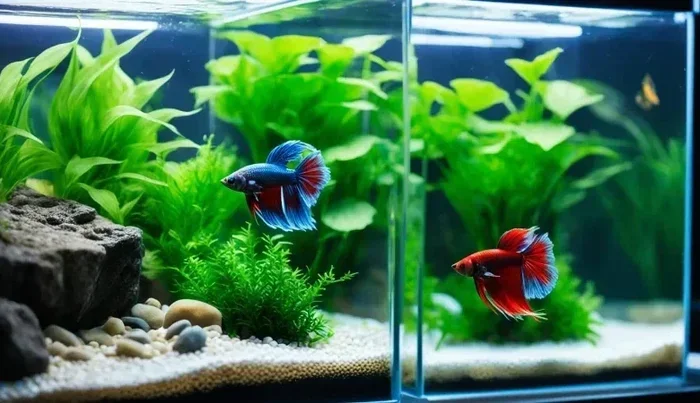
Start with a heater to maintain warm water. Add plenty of live or silk plants to provide cover. Use a gentle filter that does not create strong currents. Keep the water shallow enough so your betta can reach the surface easily. These simple steps make a massive difference.
Many experienced hobbyists recommend starting with a 5-gallon tank or larger. This gives your betta room to explore while still feeling secure. For more tips on tank size and lifespan, read about how long betta fish live in a 5-gallon tank to see how environment affects longevity.
Quick Tips for Aquarists
- Keep water temperature between 76 and 82 degrees Fahrenheit for best results.
- Add floating plants to simulate the shaded, calm waters bettas prefer.
- Avoid strong water flow. Bettas are weak swimmers and prefer still conditions.
- Feed a varied diet with protein-rich foods to mimic wild feeding habits.
- Provide hiding spots so your betta can establish territory and feel safe.
- Do small partial water changes weekly to keep water quality high without disrupting conditions.
Common Mistakes to Avoid
Some aquarists make choices that harm their bettas without realizing it. Keeping fish in bowls with no heating is one of the worst. Cold water weakens their immune system. Using sharp gravel can damage their delicate fins. Overfeeding leads to poor water quality and bloating. Always research before adding tank mates. Male bettas are highly territorial and often cannot coexist with other aggressive fish.
Another common error is using plastic plants with rough edges. These can tear fins and cause infections. Stick to silk plants or live options. Also, avoid placing the tank in direct sunlight. Wild bettas live in shaded areas under vegetation. Direct sunlight promotes algae growth and temperature swings.
Expert Insights
Researchers who study betta splendens in the wild emphasize one key point: these fish are survivors. They can adapt to harsh conditions, but they do not thrive without proper care. The best aquarium setups reflect the warmth, softness, and plant density of their original betta fish natural habitat. Experts also stress the importance of sourcing fish from ethical breeders rather than collecting from the wild. Wild populations face pressure from habitat destruction and overcollection.
Veterinarians who specialize in fish health recommend regular monitoring of water parameters. Even small changes in pH or ammonia levels can stress a betta. Testing your water weekly helps catch problems early. This simple habit keeps your fish healthy for years.
Key Takeaways
- Wild betta fish originate from warm, shallow waters across Southeast Asia.
- They survive in rice paddies, slow streams, and even temporary puddles.
- Their labyrinth organ lets them breathe air, making them incredibly adaptable.
- Replicating natural conditions in your tank improves health, color, and lifespan.
- Warm water, soft substrate, abundant plants, and gentle flow are essential.
Conclusion
Understanding where do wild betta fish live transforms the way you care for these amazing creatures. They come from warm, plant-rich waters in Southeast Asia where they hunt, breed, and defend territory. Their ability to survive in tough conditions is remarkable, but they still need proper care in captivity. By recreating their natural habitat, you give your betta the best life possible. Use the tips in this guide to build a tank that feels like home. Your fish will reward you with vibrant colors, active behavior, and years of companionship. Start applying what you have learned today and watch your betta truly thrive.
Frequently Asked Questions
Where Do Wild Betta Fish Live in the Wild?
Wild betta fish live in warm, shallow freshwater environments across Southeast Asia. They are commonly found in rice paddies, floodplains, and slow-moving streams in countries like Thailand, Cambodia, and Vietnam. These habitats provide the warm, still water conditions that bettas naturally prefer.
What Kind of Habitat Do Wild Betta Fish Live In?
Wild betta fish live in a variety of shallow water habitats, including marshes, swamps, and even small puddles. They thrive in warm water temperatures between 75°F and 80°F, which is why tropical regions suit them perfectly. Their natural environment often includes plenty of vegetation and hiding spots.
Can Wild Betta Fish Survive in Cold Water Environments?
No, wild betta fish cannot survive in cold water because they are tropical species that need consistently warm temperatures. Cold water slows down their metabolism and weakens their immune system, making them vulnerable to disease. This is one of the key reasons they are restricted to warmer climates in their natural range.
Why Do Wild Betta Fish Live in Shallow Water?
Wild betta fish live in shallow water because they have a special organ called the labyrinth organ that allows them to breathe atmospheric air. Shallow, warm water heats up quickly and holds less oxygen, which actually benefits bettas since they can gulp air from the surface. This adaptation also helps them survive in seasonal floodplains and rice paddies where water levels change frequently.
Where Do Wild Betta Fish Live Outside of Southeast Asia?
In the wild, betta fish are native only to Southeast Asia and do not naturally live anywhere else. However, they have been introduced to parts of Brazil and Colombia through the aquarium trade. These introduced populations are not considered part of their natural wild habitat range.
How Has the Natural Habitat of Wild Betta Fish Changed Over Time?
Many wild betta fish habitats have been lost due to urban development, agriculture, and pollution in Southeast Asia. Rice paddies and canals that once supported large betta populations are now being drained or chemically treated. Conservation efforts are important to protect the remaining natural environments where these beautiful fish live.