What Kind of Fish Can Live with Bettas
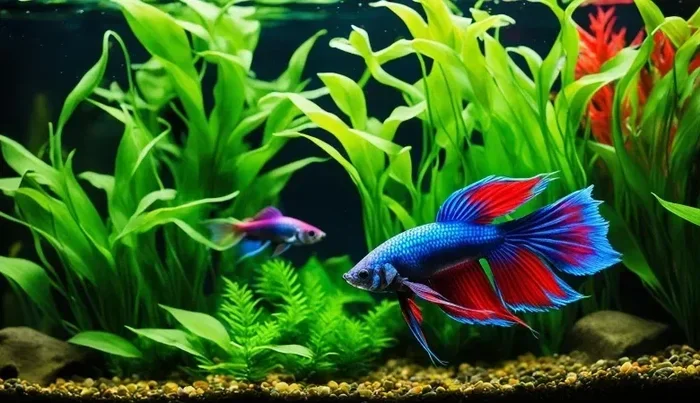
Not all fish get along with bettas, but many great options exist for a peaceful community tank. This guide covers the best companions for your betta, including schooling fish, bottom dwellers, and peaceful species that share similar water needs. You will learn which fish to avoid, how to set up a community tank, and tips for keeping everyone happy and healthy.
Choosing the right betta tank mates can feel overwhelming. You love your betta fish, and you want to give them friends. But not every fish species gets along with bettas. Some fish are too aggressive, while others might nip at your betta’s beautiful fins. The good news is that plenty of peaceful species make wonderful companions.
In this guide, we will walk you through everything you need to know about what kind of fish can live with bettas. You will discover the best options, the fish to avoid, and practical tips for setting up a thriving community tank. Whether you are a beginner or a seasoned hobbyist, this guide has you covered.
What kind of fish can live with bettas depends on several factors. These include temperament, water parameters, tank size, and swimming level. By the end of this article, you will feel confident about choosing the right companions for your betta. Let us dive in.
Key Takeaways
- Choose peaceful, non-aggressive fish: The best betta tank mates are species that won’t nip fins or compete for territory.
- Consider bottom dwellers and schooling fish: Corydoras, rasboras, and tetras make excellent companions for bettas.
- Avoid fin-nippers and aggressive species: Fish like tiger barbs and cichlids can harm your betta.
- Tank size matters: A minimum 20-gallon tank gives everyone enough space to thrive.
- Monitor behavior closely: Watch for signs of stress or aggression when introducing new tank mates.
- Set up the tank properly: Plenty of hiding spots and plants reduce conflict between fish.
📑 Table of Contents
Understanding Betta Fish Temperament
Before adding any tank mates, it helps to understand your betta’s personality. Bettas are known for their vibrant colors and flowing fins. But they also have a reputation for being aggressive. This aggression mostly comes from their territorial nature.
Why Are Bettas Aggressive?
Bettas originate from the warm, shallow waters of Southeast Asia. In the wild, they claim small territories and defend them fiercely. Male bettas, in particular, will fight other males to the death. This instinct does not disappear in captivity. It is simply part of who they are.
Female bettas can also be territorial, though they are generally less aggressive. A group of female bettas, often called a sorority, can live together under the right conditions. But even females need enough space and hiding spots to feel secure.
What Triggers Betta Aggression?
Several things can trigger aggressive behavior in bettas. Brightly colored fish with long fins often provoke territorial responses. Fish that swim too close to a betta’s territory may get chased or bitten. Overcrowding and lack of hiding spots also increase stress and aggression.
Water quality plays a role too. Poor water conditions make any fish irritable. Bettas are especially sensitive to ammonia and nitrite spikes. Keeping the tank clean and well-maintained helps keep aggression levels low.
Understanding your betta’s triggers makes it easier to choose compatible peaceful fish for bettas. The goal is to find species that ignore your betta rather than challenge them.
Best Tank Mates for Your Betta
Now for the fun part. What fish can you safely add to your betta’s tank? The answer lies in choosing species that share similar water preferences and have calm temperaments. Let us explore the best options.
Peaceful Bottom Dwellers
Bottom-dwelling fish are excellent betta tank mates because they stay out of your betta’s way. They occupy a different area of the tank, which reduces competition for territory.
Corydoras catfish are one of the most popular choices. These small, peaceful fish scavenge the substrate and rarely bother your betta. Can cory fish live with bettas? Yes, they absolutely can! Corydoras come in several species, including pygmy corys and peppered corys. They are social fish that do best in groups of four or more.
Kuhli loaches are another great option. These eel-like fish are shy and peaceful. They spend most of their time hiding in caves or under plants. They add a unique look to your tank without causing any trouble for your betta.
Schooling Fish That Work Well
Schooling fish add movement and color to a community tank. Many species are peaceful enough to coexist with bettas. The key is to choose fish that stay small and do not nip fins.
Rasboras are a fantastic choice. Chili rasboras and ember rasboras are tiny, colorful, and non-aggressive. They tend to stay in the upper and middle parts of the tank, which keeps them away from your betta. Their small size means they are unlikely to trigger territorial behavior.
Harlequin rasboras are slightly larger but equally peaceful. They swim in tight schools and create a beautiful display. A group of six to eight harlequins looks stunning in a planted tank.
Tetras are another popular option. Neon tetras and ember tetras work well with bettas. However, avoid larger tetras like serpae tetras, as they can become fin-nippers. Always choose small, peaceful tetra species for your betta community.
Small Peaceful Fish for the Middle Levels
Fish that swim in the middle of the tank can also make good companions. The trick is finding species that are not too flashy or territorial.
Otocinclus catfish, often called otos, are tiny algae eaters. They are peaceful and stay very small, usually under two inches. Otos stick to the glass and plants, grazing on algae. They rarely interact with your betta, which makes them ideal neighbors.
Small gourami species, like honey gouramis, can sometimes work. However, gouramis are part of the same family as bettas, so caution is needed. A honey gourami is generally more peaceful than a betta, but you should still monitor their interactions closely.
If you are curious about which specific species work best, check out our guide on what fish can live with bettas for more detailed recommendations.
Can Bettas Live With Other Types of Fish?
The short answer is yes. Many fish species can share a tank with a betta. But success depends on choosing the right ones. Can bettas live with other types of fish? Absolutely, as long as those fish are peaceful and compatible with betta water conditions.
Snails are another excellent option. Nerite snails and mystery snails are peaceful cleaners that do not bother bettas. They eat algae and leftover food, which helps keep the tank clean. Most bettas ignore snails completely.
Shrimp are also great tank mates. Amano shrimp and cherry shrimp are hardy and peaceful. They stay small and keep to themselves. Your betta might occasionally try to catch a shrimp, but most shrimp are fast enough to escape.
Fish to Avoid With Bettas
Just as important as knowing which fish work well is knowing which ones to avoid. Some fish species are simply incompatible with bettas. Adding the wrong fish can lead to stress, injury, or even death.
Fin-Nippers
Fin-nipping fish are a definite no-go. These fish are attracted to long, flowing fins and will nip at them relentlessly. This causes stress and can lead to infections in your betta.
Tiger barbs are the classic example of fin-nippers. They are active and boisterous fish that chase other fish and nip their fins. Tiger barbs are best kept in species-only tanks, not community tanks with bettas.
Serpae tetras and some species of danios can also nip fins. Even though they are small, their persistent nipping makes them poor companions for bettas. Avoid these fish entirely if you want a peaceful community tank.
Large and Aggressive Fish
Large fish pose a different kind of threat. They may see your betta as food or bully them away from food and territory.
Cichlids are generally too aggressive for a betta community tank. Many cichlid species are territorial and dominant. They will chase your betta relentlessly and may cause serious harm.
Goldfish are another poor choice. Goldfish grow very large and produce a lot of waste. They also prefer cooler water temperatures than bettas. Keeping a goldfish with a betta is a recipe for disaster for both fish.
If you are wondering about what types of fish can live with a male betta, the answer is clear: avoid any fish that is larger, more aggressive, or known for fin-nipping behavior.
Other Fish to Skip
Some fish might seem harmless but still cause problems. Guppies, for example, have long, flowing fins that can trigger your betta’s aggression. Male guppies with bright colors may be mistaken for rival bettas.
Angelfish are another species to avoid. They grow tall and can become territorial. Their size and fin-nipping tendencies make them unsuitable tank mates for bettas.
Setting Up a Community Tank for Bettas
A successful community tank requires proper planning and setup. Simply throwing fish together rarely works. You need to create an environment where all species feel safe and comfortable.
Tank Size Requirements
Tank size is one of the most important factors. A small bowl or tank is not suitable for a community setup. Bettas need at least a 5-gallon tank on their own, but a community tank needs much more space.
A 20-gallon tank is a great starting point for a betta community. This size gives your betta plenty of territory while also providing enough space for several tank mates. Larger tanks are always better because they dilute aggression and provide more swimming room.
Keep in mind that tank size for bettas directly affects water stability. Larger tanks are easier to maintain because water parameters fluctuate less. This stability benefits all the fish in the tank.
Plants and Hiding Spots
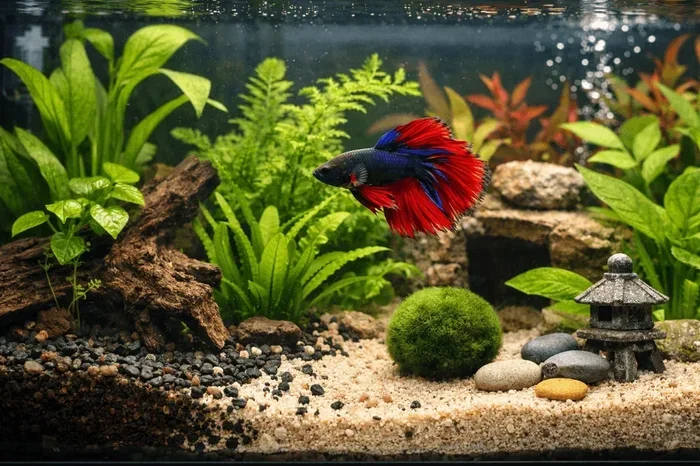
Plants play a crucial role in a betta community tank. They break up sightlines and create territories without physical barriers. Your betta will feel less threatened when they can retreat to plants or caves.
Live plants are ideal because they improve water quality. Java fern, anubias, and amazon swords are all great choices. These plants are hardy and grow well in betta-friendly water conditions.
Add caves, driftwood, and other decorations to create hiding spots. These give shy fish like corydoras and kuhli loaches places to retreat. They also give your betta private spaces to claim as their own.
Water Parameters
Betta fish thrive in warm, slightly acidic to neutral water. The ideal temperature range is 76 to 82 degrees Fahrenheit. pH should stay between 6.5 and 7.5.
When choosing tank mates, make sure they tolerate similar water conditions. Most of the fish recommended in this guide share these preferences. However, always research each species before adding them to your tank.
Regular water changes are essential. Aim for 25 to 30 percent weekly water changes to keep ammonia and nitrite levels at zero. A good filter and heater will help maintain stable conditions.
Feeding Considerations
Feeding a community tank requires some strategy. Bettas are carnivores and need a protein-rich diet. Most community fish are omnivores and eat a wider variety of foods.
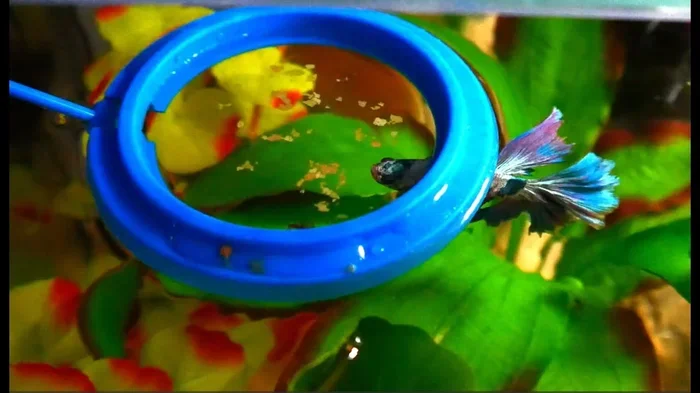
Feed your betta first with pellets or frozen bloodworms. Then distribute flake food or sinking wafers for the other fish. This ensures your betta gets enough food without competition from faster-eating tank mates.
Watch for uneaten food after feeding. Excess food can dirty the water quickly. Remove any leftovers after a few minutes to keep the tank clean.
Tips for Introducing New Tank Mates
Adding new fish to your betta’s tank should be done carefully. A rushed introduction can cause stress and aggression from both sides. Follow these steps for a smooth transition.
Quarantine New Fish First
Always quarantine new fish for at least two weeks before adding them to your main tank. This helps prevent the spread of diseases and parasites. A quarantine tank also gives you time to observe the new fish for any signs of illness.
During quarantine, watch for symptoms like white spots, lethargy, or loss of appetite. Treat any issues before the fish joins your community tank. This simple step saves a lot of headaches later.
The Drip Acclimate Method
When you are ready to introduce a new fish, use the drip acclimation method. This slowly adjusts the new fish to your tank’s water parameters. Place the fish in a bag or container and slowly drip tank water into it over 30 to 60 minutes.
This method reduces shock and stress for the new arrival. It also gives your betta time to get used to the presence of another fish without direct contact.
Monitor Behavior After Introduction
Watch the tank closely for the first few hours and days after adding new fish. Look for signs of chasing, fin nipping, or hiding. Some mild chasing is normal, but persistent aggression is a red flag.
If one fish is constantly bullying another, be prepared to rearrange the tank or remove the aggressor. Having a backup plan, like a separate tank, is always a smart idea.
Maintaining Harmony in Your Betta Tank
Once your community tank is set up, ongoing maintenance keeps everything running smoothly. A peaceful tank requires consistent care and attention.
Stick to a regular maintenance schedule. Test water parameters weekly and perform partial water changes every one to two weeks. Clean the filter according to the manufacturer’s instructions without replacing all the media at once.
Observe your fish daily. Look for changes in behavior, appetite, or appearance. Early detection of problems makes treatment much easier. A healthy tank is a happy tank.
Remember that every betta is different. Some bettas are more tolerant of tank mates than others. If your betta seems consistently stressed, consider reducing the number of companions or providing more hiding spots.
For more insights on betta fish compatibility, visit our page on what types of fish can live with a male betta for species-specific guidance.
Conclusion
So, what kind of fish can live with bettas? The answer is simpler than you might think. Plenty of peaceful, compatible species can share a tank with your betta. From corydoras and rasboras to tetras, snails, and shrimp, the options are diverse and exciting.
The key is choosing fish with similar temperaments and water needs. Avoid fin-nippers, aggressive species, and fish with bright, flowing fins. Set up your tank with enough space, plants, and hiding spots to reduce stress for everyone.
A well-planned community tank is a joy to watch. Your betta gets companions, and you get a vibrant, lively aquarium. Start with a few of the recommended species, monitor their behavior, and enjoy the process of building your perfect community tank.
Betta tank mates can transform your aquarium into a dynamic and engaging environment. With the right choices and proper care, your betta and their companions will thrive together. Happy fish keeping!
Frequently Asked Questions
Can bettas live with tetras?
Yes, bettas can live with small, peaceful tetras like neon tetras and ember tetras. Avoid larger tetra species that may nip fins. Always monitor their interactions when first introduced.
How many fish can you put with a betta?
A 20-gallon tank can comfortably house a betta with four to six small community fish. The exact number depends on the species and the tank setup. Always prioritize space and hiding spots over adding more fish.
Can female bettas live with other fish?
Yes, female bettas are generally less aggressive than males and can live with peaceful community fish. A group of female bettas can even form a sorority in a tank of 20 gallons or more with plenty of hiding spots.
Do bettas eat their tank mates?
Bettas are not typically predators of other fish. However, they may eat very small fish or shrimp if they fit in their mouth. Most peaceful tank mates are too large to be considered food by a betta.
What is the best tank size for a betta community?
A 20-gallon tank is the recommended minimum for a betta community. This size provides enough space for a betta and several small tank mates while maintaining stable water parameters. Larger tanks are always easier to manage.
Can bettas live with snails?
Yes, snails like nerite snails and mystery snails make excellent betta tank mates. They are peaceful, help clean the tank by eating algae, and do not bother bettas. Most bettas ignore snails completely.